
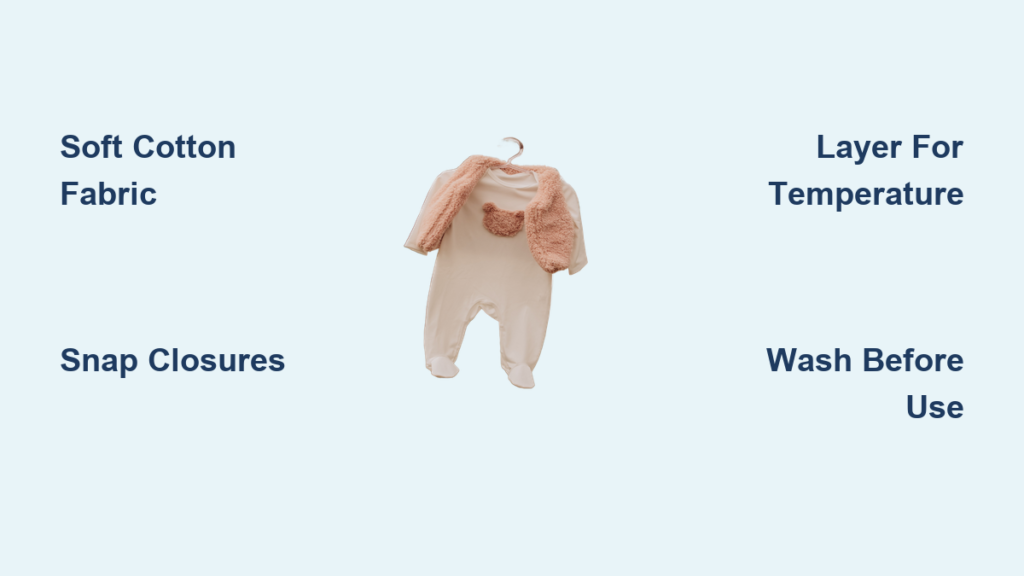
Choosing baby clothes can feel overwhelming—especially for first-time parents. With so many options, styles, and safety considerations, it’s easy to end up with a closet full of outfits that aren’t practical, comfortable, or safe. The right baby clothes should prioritize softness, ease of use, and safety while fitting your lifestyle and budget. From newborn essentials to seasonal needs, this guide breaks down exactly what to look for when selecting baby clothing. You’ll learn how to pick the right sizes, avoid common mistakes, and choose materials that keep your baby comfortable and healthy.
Whether you’re preparing for your baby’s arrival or updating their wardrobe, smart clothing choices make daily routines easier. Diaper changes, laundry loads, and temperature regulation all depend on well-chosen garments. By focusing on functionality, safety, and simplicity, you can build a practical, long-lasting wardrobe that grows with your baby. Let’s dive into the key factors that matter most when choosing baby clothes.
Pick Soft, Breathable Fabrics for Sensitive Skin
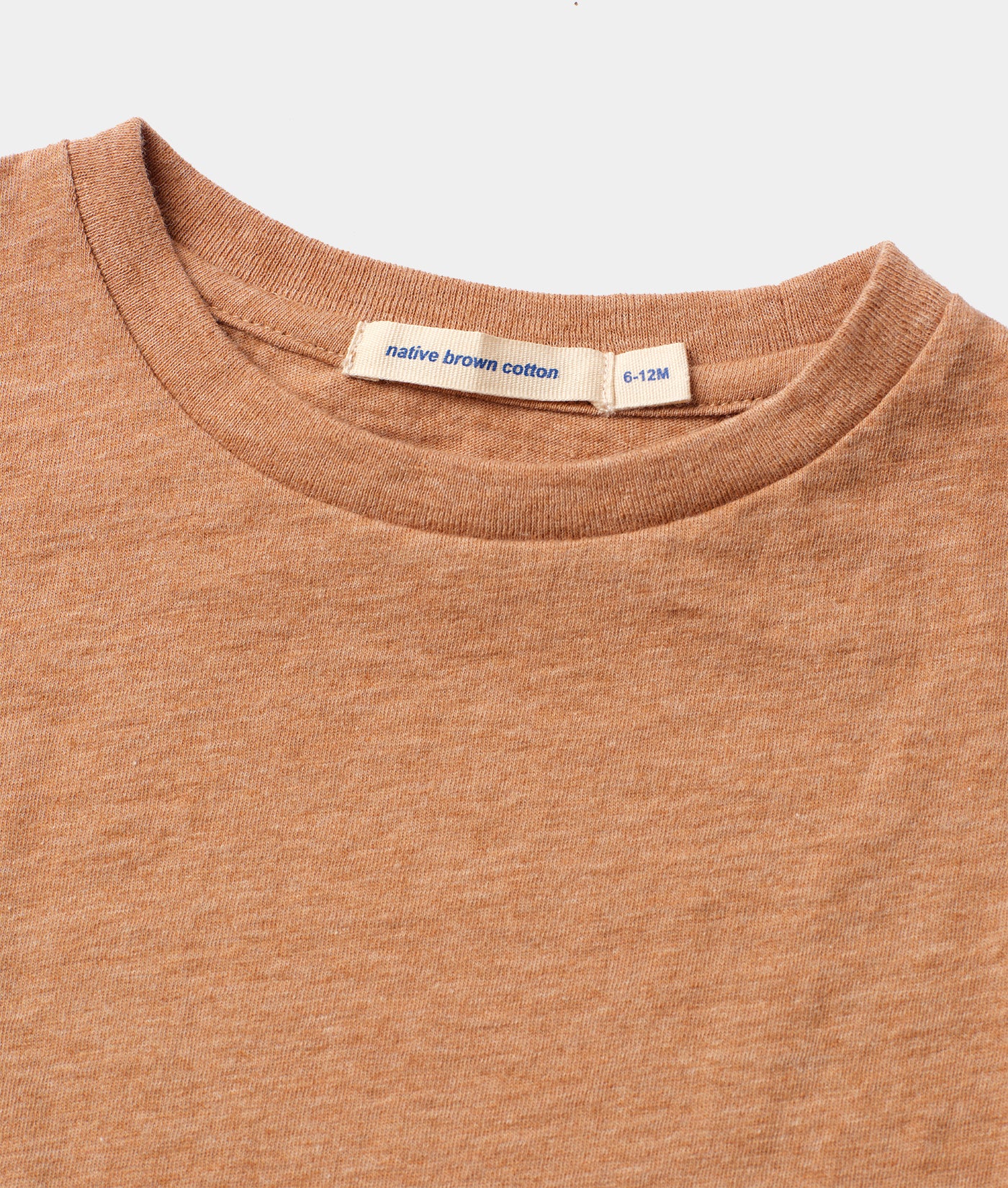
Babies have delicate skin that’s easily irritated by rough or synthetic materials. Choosing the right fabric helps prevent rashes, overheating, and discomfort during sleep or play.
Choose 100% Cotton for Daily Wear
Cotton is the best fabric for baby clothes because it’s soft, breathable, and gentle on sensitive skin. Look for 100% cotton—especially organic cotton—to avoid exposure to pesticides and chemical dyes. Cotton helps regulate body temperature, which is crucial for safe sleep and comfort.
Onesies, sleepers, and undershirts made from cotton are ideal for everyday wear. Avoid polyester and other synthetic fabrics in base layers, as they trap heat and sweat. While blends can work for outerwear, always ensure the layer touching your baby’s skin is natural and breathable.
Avoid Rough or Scratchy Textures
Check the inside of garments before buying. Tags, seams, and hems should be smooth and flat. Opt for tagless designs or ones with sewn-in labels to prevent neck irritation. Ribbed cuffs and thick stitching can rub against delicate skin and cause redness.
Skip clothing with lace, sequins, or stiff embroidery. These may look cute in photos but can cause rashes or discomfort, especially during tummy time or sleep.
Choose Clothes That Make Diaper Changes Easier
Newborns need frequent diaper changes, so clothing that’s quick to remove and re-dress saves time and reduces stress.
Opt for Snap Closures, Not Buttons
Onesies and sleepers with bottom snaps are the most practical choice. Full-length snaps from neck to ankle let you change a diaper without pulling the entire outfit over your baby’s head. This is especially helpful during middle-of-the-night changes.
Buttons are harder to manage with a wiggly baby and can become a choking hazard if they come loose. Zippers are faster than buttons but can pinch skin or cause overheating if not monitored.
Use Envelope Cuffs and Stretchy Necks
Envelope-style cuffs—fold-over mittens—help prevent newborns from scratching their faces. They eliminate the need for separate mittens, which often fall off. Stretchy necklines make it easier to dress your baby without pulling fabric over their head.
Avoid tight neck openings or stiff collars. If the fabric doesn’t stretch easily, it’s not suitable for a newborn.
Dress Your Baby for the Season Safely

Babies can’t regulate their body temperature well, so dressing them appropriately for the weather is essential for comfort and safety.
Layer for Temperature Control
Follow the “one extra layer” rule: dress your baby in one more layer than you’re wearing. In cold weather, add a fleece sleeper, hat, or wearable blanket. In warm weather, stick to lightweight cotton onesies.
Never overdress your baby during sleep. Overheating increases the risk of SIDS. Check your baby’s neck or back—if it’s sweaty or hot, they’re too warm. Cool and dry means they’re dressed just right.
Select Seasonal Clothing Wisely
For winter, choose:
• Fleece or wool sleepers
• Hats, booties, and mittens
• Swaddle blankets or sleep sacks
For summer, go with:
• Lightweight cotton onesies
• Sun hats with wide brims
• Footless sleepers for airflow
Never place bulky clothing under a car seat harness. It can compress in a crash, leaving the baby loose. Instead, use a blanket over the harness for warmth.
Buy the Right Size Without Wasting Money
Newborns grow fast, so buying too much in one size can lead to wasted clothing.
Start with Preemie and Newborn Sizes
Most babies outgrow newborn clothes within 4–6 weeks. If you’re unsure of your baby’s size, prepare a mix of preemie (up to 6 lbs), newborn (up to 8 lbs), and 0–3 months sizes.
Clothes should allow room for movement but not be overly loose. Sleeves that cover hands or necks that slip off shoulders are signs the outfit is too big.
Watch for Growth Spurts
Babies grow fastest in the first three months. Signs they’ve outgrown clothes include:
• Snaps straining at the legs
• Sleeves covering hands completely
• Red marks from tight elastic or cuffs
Keep 3–6 outfits in the next size ready to rotate in as your baby grows.
Avoid Dangerous Clothing Features

Safety should always come first. Some stylish details can pose serious risks to infants.
Skip Loose Ribbons and Drawstrings
Anything that dangles can be a strangulation hazard. Avoid clothing with:
• Long ribbons
• Drawstrings on hoods or pants
• Detachable buttons or beads
Even decorative bows should be flat and securely sewn in place.
Don’t Use Teething Necklaces or Jewelry
Teething necklaces worn by babies are dangerous. The FDA warns they can cause choking or strangulation. Instead, offer safe silicone teething toys designed for chewing.
Never let your baby sleep with any jewelry, including bracelets or necklaces.
Build a Simple, Functional Wardrobe
A small, versatile collection of clothes reduces laundry stress and makes dressing your baby easier.
Stick to Neutral Colors and Simple Prints
White, gray, beige, and pastels are practical and easy to mix and match. Stains are less noticeable on light colors, and solid tones make hand-me-downs more usable.
Avoid overly busy patterns, which can overstimulate babies. They also make it harder to spot spit-up or leaks.
Create a Core Outfit Collection
Aim for these essentials:
• 6–8 cotton onesies (short and long sleeve)
• 4–6 sleepers or footed pajamas
• 2–3 swaddle blankets or sleep sacks
• 1–2 hats (sun and warm)
• 1 waterproof bib
This capsule wardrobe covers daily needs without clutter.
Always Wash Baby Clothes Before Use
New clothes can contain chemicals that irritate sensitive skin.
Remove Chemical Residues
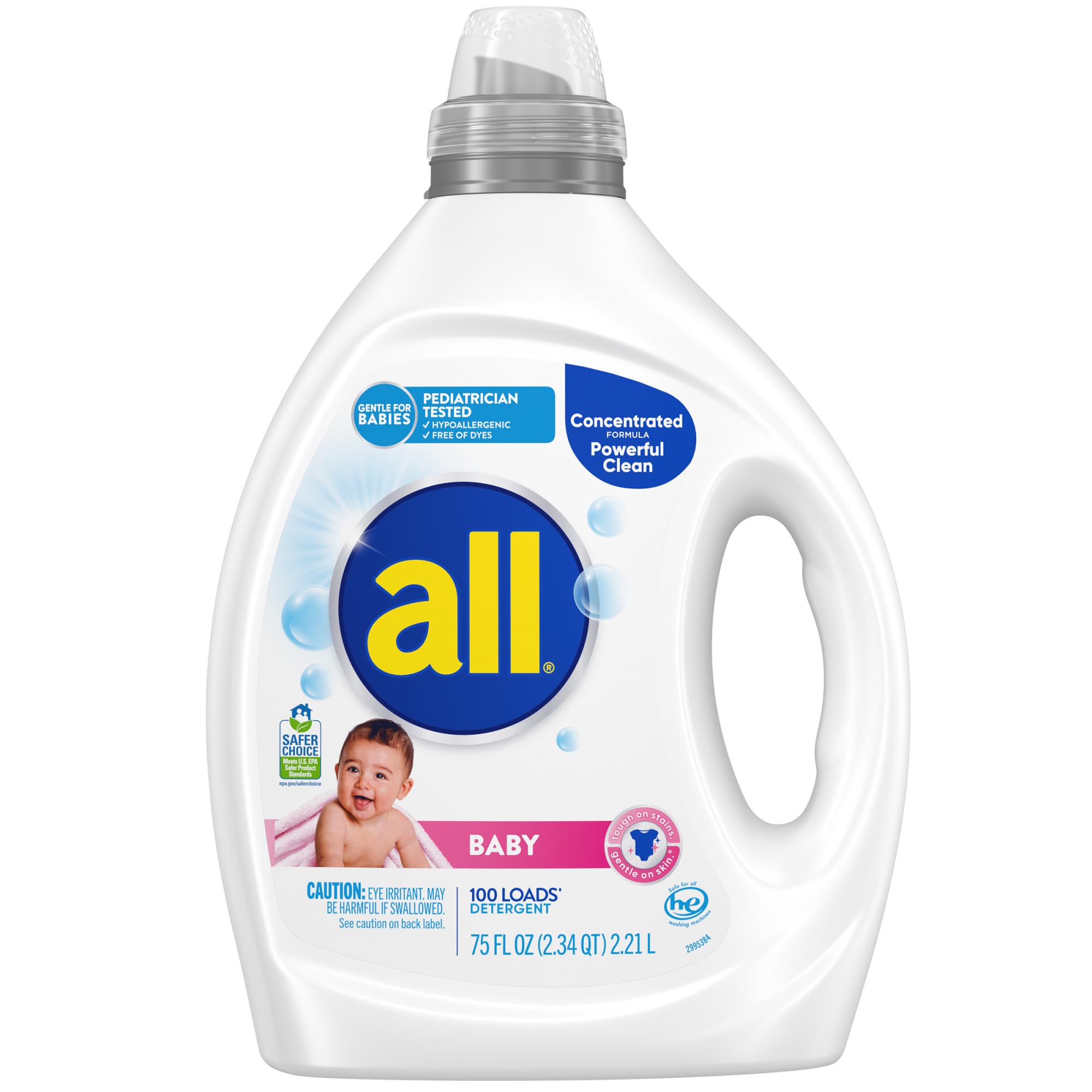
Manufacturers often treat new clothing with formaldehyde, dyes, and finishing agents. These can cause rashes or allergic reactions. Always wash baby clothes before use with a fragrance-free, hypoallergenic detergent.
Use warm water and a full rinse cycle to remove residues. Dry thoroughly to soften stiff fabric.
Check for Shrinkage
Cotton garments may shrink after the first wash. Washing ahead ensures the fit stays accurate. This prevents surprises when you go to dress your baby.
Avoid fabric softeners and dryer sheets—they reduce the flame resistance of sleepwear and can irritate skin.
Know When Not to Use Hand-Me-Downs
Hand-me-downs are budget-friendly and eco-conscious, but not all used clothes are safe.
Inspect for Wear and Damage
Check each item for:
• Thin or frayed fabric
• Loose buttons or snaps
• Stains that won’t come out
• Pilling or small holes
Worn fabric can harbor bacteria and tear easily during use.
Avoid Outdated or Unsafe Items
Never use clothing that doesn’t meet current safety standards. Skip:
• Sleepwear without flame-resistant labels
• Outfits with drop-down hoods or cords
• Recalled items or those from unsafe batches
When in doubt, replace it. Your baby’s safety is worth the cost.
Frequently Asked Questions About How to Choose Baby Clothes
What fabric is safest for newborn clothes?
Cotton is the safest and most comfortable fabric for newborns. It’s soft, breathable, and less likely to irritate sensitive skin. Always choose 100% cotton for base layers and avoid synthetic materials like polyester.
How many outfits does a newborn need?
Aim for 6–8 onesies and 4–6 sleepers. Newborns need frequent changes due to spit-up, leaks, and diaper blowouts. Having enough clean outfits ensures you’re never caught off guard.
Should I buy newborn or 0–3 months clothes?
Start with a mix of newborn and 0–3 months sizes. Many babies outgrow newborn clothes quickly. Having a few larger sizes ready helps you stay prepared for early growth spurts.
Can I use hand-me-down baby clothes?
Yes, but inspect them carefully. Check for loose seams, stains, and missing snaps. Avoid clothing with drawstrings, drop-down hoods, or outdated safety features. Always wash before use.
How do I know if my baby is dressed warmly enough?
Feel your baby’s neck or back. If it’s sweaty or hot, they’re overdressed. If it’s cool, add a layer. Never rely on hands or feet—they’re often cooler than the rest of the body.
Is it safe to use zipper footed pajamas?
Yes, if used correctly. Always zip from the bottom up to avoid pinching skin. Make sure the fabric around the zipper is soft and the pull is secure. Avoid zippers near the neck for newborns.
Key Takeaways for Choosing Baby Clothes
Choosing baby clothes doesn’t have to be complicated. Focus on soft, safe, and simple pieces that make caregiving easier. Prioritize 100% cotton fabrics, snap closures, and proper fit to ensure comfort and safety. Dress your baby in layers based on the weather, and always wash new clothes before use.
Build a small, functional wardrobe with neutral colors and essential items to reduce stress and laundry. Avoid hazardous details like drawstrings and teething jewelry. When using hand-me-downs, inspect for safety and cleanliness.
Start with a few key sizes and expand as your baby grows. With the right approach, you’ll spend less time struggling with outfits and more time enjoying your little one.





