
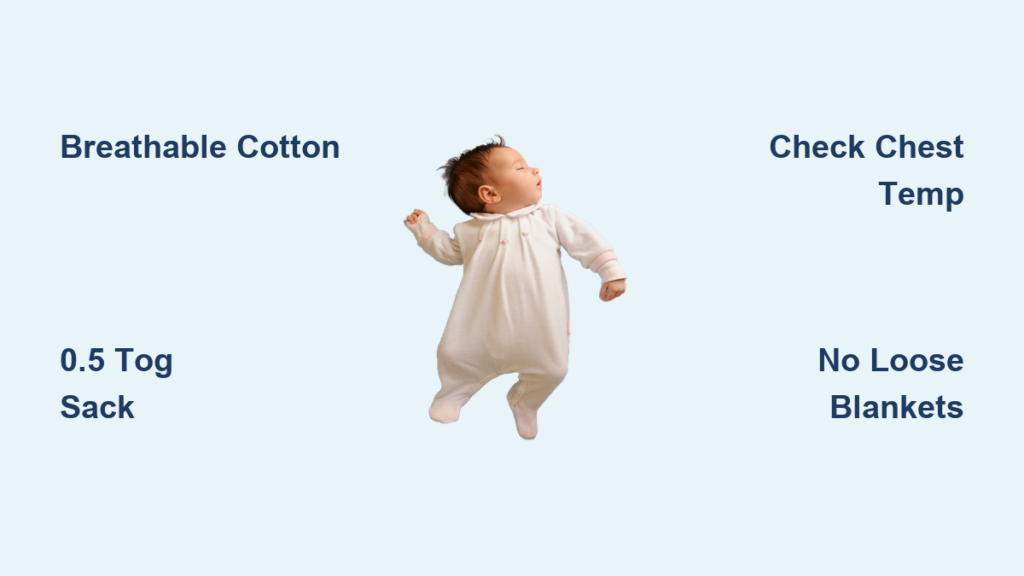
Babies are more sensitive to temperature than adults, making it crucial to dress them appropriately for sleep—especially during hot summer months. Overheating is not only uncomfortable but also a known risk factor for SIDS (Sudden Infant Death Syndrome). The key to safe and comfortable summer sleep lies in choosing breathable fabrics, using the right number of layers, and maintaining a cool room environment. With temperatures rising and humidity levels fluctuating, many parents struggle with how little or how much to dress their baby at night. This guide cuts through the confusion with science-backed strategies, real parent experiences, and a clear decision framework. You’ll learn exactly what to put your baby in based on room temperature, how to spot overheating early, and which sleepwear features make nighttime easier—all while keeping safety front and center.
You don’t need to overthink summer sleepwear. By following a few simple rules—like using breathable cotton, matching layers to room temperature, and skipping heavy sleep sacks—you can keep your baby cool, safe, and sleeping soundly. Whether you have air conditioning or not, this guide gives you the tools to make confident choices every night.
Follow the One-Layer Rule
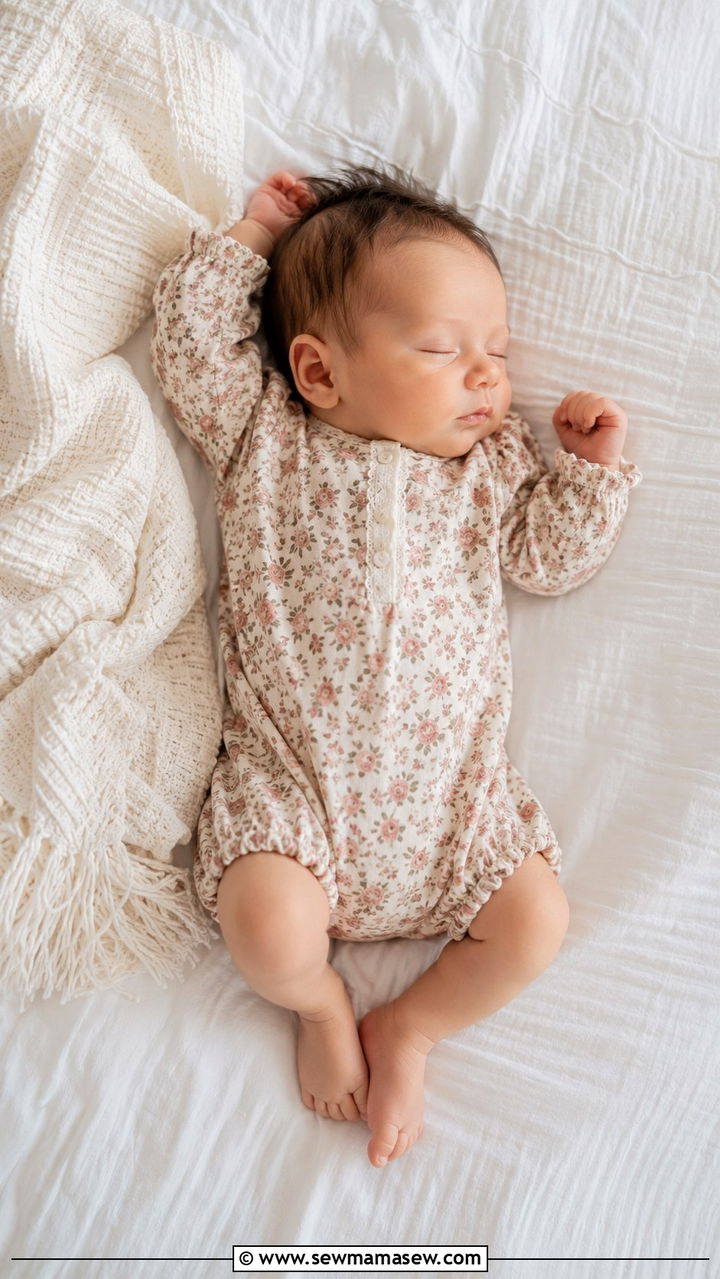
Dress Baby Like You Feel
The most reliable starting point is the “one more layer than you” rule: if you’re comfortable in a t-shirt and shorts, your baby likely needs just a lightweight onesie or sleep sack. This isn’t a rigid formula—it’s a baseline. Babies generate more heat than adults but can’t regulate their body temperature as efficiently, so they’re prone to overheating faster. If you’re sweating or feel sticky, your baby probably does too. Trust your instincts: if you’d be too hot in a certain outfit, your baby will be as well.
Avoid Overdressing at All Costs
Overdressing is the top mistake parents make in summer. Signs your baby is too warm include:
– Sweating on the neck, back, or chest
– Flushed, red cheeks
– Damp hair or damp pajamas upon waking
– Restlessness or frequent waking
If you notice any of these, remove a layer immediately. Remember: cool hands and feet don’t mean your baby is cold—check the chest or back instead. These extremities are naturally cooler due to immature circulation.
Check Temperature Mid-Sleep
Wait 2–3 hours after bedtime to check your baby’s temperature. Gently touch their chest, back, or neck. If it feels warm or clammy, they’re overheating. If it feels cool, consider adding a light layer. This mid-sleep check helps catch issues before they escalate and ensures your baby stays in the ideal thermal zone all night.
Choose Breathable Summer Fabrics

Pick Cotton or Muslin Sleepwear
Cotton is the gold standard for summer baby sleepwear. It’s soft, breathable, and wicks moisture away from the skin. Organic cotton is ideal for sensitive skin and avoids chemical dyes or finishes. Muslin, a loosely woven cotton fabric, is especially popular for warm nights—it’s ultra-lightweight and allows maximum airflow. Look for sleep sacks, onesies, and swaddles made from 100% cotton or muslin for optimal comfort.
Skip Synthetic Materials
Avoid polyester, nylon, and other synthetics. These materials trap heat, reduce breathability, and can cause irritation or rashes. They also hold onto sweat, making your baby feel sticky and uncomfortable. Even if labeled “moisture-wicking,” synthetics are generally less effective and less safe than natural fibers for infant sleep.
Look for Comfort-Focused Features
Choose garments with:
– Tagless labels to prevent skin irritation
– Flat seams to reduce chafing
– Stretchy necklines for easy dressing
– Snap closures at the crotch for quick diaper changes
These small details make a big difference in comfort and convenience, especially during nighttime wake-ups.
Use the Right Sleep Sack

Match TOG to Room Temperature
The TOG rating measures warmth: lower TOG = lighter, better for heat. In summer, stick to:
– 0.5 TOG: Best for rooms above 75°F (24°C)
– 1.0 TOG: Ideal for 70–75°F (21–24°C)
– 1.5 TOG: Acceptable only in air-conditioned rooms below 70°F
A 2.5 or 3.0 TOG sack is too warm for summer and should be stored until cooler months.
Choose Armless or Tank-Style Sacks
Opt for armless or sleeveless sleep sacks in summer. These allow heat to escape from the arms and shoulders, helping your baby stay cool. Full-sleeve sleep sacks restrict airflow and increase the risk of overheating—even with a low TOG.
Use Sleep Sacks, Not Blankets
Never use loose blankets in the crib. They pose a suffocation and entanglement risk. A sleep sack provides gentle pressure and a sense of security without the danger. If your baby needs extra comfort, drape a light muslin swaddle over the lower body—but never over the chest or face.
Dress by Room Temperature

69–72°F: Ideal Summer Sleep Zone
This is the sweet spot for baby sleep. At this temperature:
– Footed cotton pajamas + 1.0 TOG sleep sack = perfect combo
– Long-sleeve onesie + lightweight sack = equally effective
– No extra layers needed
Parents consistently report babies wake up dry and comfortable with this setup.
Above 72°F: Simplify Layers
When the thermostat climbs:
– Short-sleeve onesie + 0.5 TOG sack = great for 72–75°F
– Diaper-only + lightweight sack = ideal for 75°F+
– Skip the sack entirely if baby is sweating
One parent shared: “When it’s above 72°F, my son sleeps in just a onesie. Anything more and he wakes up sweaty.”
No AC? Go Minimal
In homes without air conditioning:
– Diaper-only in a 0.5 TOG sack is safe and effective
– Diaper shirt (snap-crotch top) offers light coverage with airflow
– Use a fan on low (pointed at the wall, not baby) to circulate air
One mom said: “No AC, no problem. My baby sleeps in just a diaper and a fan keeps the room moving.”
Air-Conditioned Rooms: Pre-Cool Strategy
If you use AC:
– Pre-cool the room 1–2 hours before bedtime
– Turn off AC at night, leave a fan running
– Long-sleeve T-shirt + 1.5 TOG armless sack works well
This saves energy and prevents the room from getting too cold overnight.
Optimize the Sleep Environment
Circulate Air Safely
A fan on low speed improves air circulation and reduces SIDS risk by up to 72%, according to studies. Position it so it blows against a wall or ceiling—never directly at the baby. This creates gentle airflow without causing a chill.
Ventilate Hot Rooms
On very warm nights:
– Crack a window to let hot air escape
– Close curtains during the day to block sun
– Avoid second-floor rooms if possible—they trap heat
If your baby’s room gets stuffy, open a window across the house to create a cross-breeze.
Monitor Room Temperature
Use a room thermometer near the crib (not in direct sunlight) to track conditions. The ideal range is 69–72°F (20.5–22.2°C). If it climbs above 75°F, start removing layers. Smart monitors like Hatch or Owlet can alert you to temperature changes in real time.
Prevent Common Dressing Mistakes

Don’t Layer Onesie Under Sleeper
This is the #1 cause of overheating. Footed pajamas already include a built-in onesie. Adding another underneath creates excess insulation. Choose one or the other—not both.
Avoid Heavy or Bulky Sleep Sacks
High-TOG sacks (2.5+) are for winter. Using them in summer is like wearing a winter coat to bed. Stick to 0.5–1.0 TOG for warm months. If your sack feels thick or puffy, it’s too warm.
Skip Socks Unless Necessary
Babies don’t need socks in summer unless the room is cool. Some parents avoid them with AC, fearing their baby will “get sick”—but colds come from viruses, not cold feet. If feet feel cool, check the chest first. Only add socks if the core temperature is fine but feet are chilly.
Never Use Adult Clothing
Adult-sized shirts, pants, or blankets are unsafe. They’re too loose, can cover the face, and increase suffocation risk. Always use properly sized baby sleepwear.
Prioritize Safety at All Times
Eliminate Choking Hazards
Avoid sleepwear with:
– Loose strings or ribbons
– Detachable buttons or decorations
– Drawstrings on hoods
These can become entangled or pose choking risks. Choose simple, snug designs with secure fasteners.
Ensure Proper Fit
Clothing should be:
– Snug but not tight around arms, legs, and waist
– Not too long in sleeves or pants (to prevent tripping or bunching)
– Free of excess fabric that could cover the face
A well-fitting onesie or sleeper allows movement without restriction.
Watch for Overheating Signs
Overheating increases SIDS risk. Key red flags:
– Sweating
– Flushed skin
– Rapid breathing
– Fussiness or restlessness
If you see any, remove a layer and cool the room. Never wrap a baby tightly in summer.
Make Night Changes Easier
Use Snap Closures for Diaper Changes
Look for onesies and sleepers with snaps at the crotch. This lets you change a diaper without pulling clothes over the head—minimizing wake-ups and fussing. Many sleep sacks also have bottom zippers for easy access.
Choose Easy-On Necklines
Stretchy, wide necklines make dressing easier and less stressful. Avoid tight collars or complicated buttons, especially for newborns.
Avoid Fussy Fasteners
Skip tiny buttons, complex zippers, or ties. Simple, secure closures save time and frustration during 3 a.m. changes.
Adjust for Your Baby’s Needs
Some Babies Run Hotter
Every baby is different. Some naturally run hotter and sweat easily. One parent shared: “My baby sleeps in just a diaper in a sleep sack—he overheats with anything more.” If your baby is consistently warm, go lighter.
Others Need a Little Extra
Some babies are cold-natured. If your baby’s chest feels cool even at 72°F, try:
– A long-sleeve onesie
– Socks
– A 1.0 TOG sack
But always check core temperature first—don’t assume cold hands mean cold body.
Adjust as Seasons Shift
In early summer or late night, temperatures may dip. Keep a light layer handy. The same principles apply: start minimal, add only if needed.
Frequently Asked Questions About How to Dress Baby for Sleep in Summer
What should I dress my baby in for sleep when it’s hot?
Dress your baby in a short-sleeve onesie or even just a diaper with a 0.5 TOG sleep sack. In very warm rooms above 75°F, many babies sleep comfortably in just a diaper. Use breathable cotton or muslin and avoid synthetic fabrics.
Can babies sleep in just a diaper during summer?
Yes, babies can safely sleep in just a diaper during hot summer nights. As long as the room is warm and your baby’s chest feels warm—not cold—this is a safe and effective way to prevent overheating.
How do I know if my baby is too hot at night?
Check your baby’s chest, back, or neck. If it feels warm or sweaty, they’re too hot. Other signs include flushed cheeks, rapid breathing, and restlessness. Remove a layer and improve air circulation with a fan.
Is it safe to use a fan in my baby’s room?
Yes, it’s safe and even recommended. A fan on low speed reduces SIDS risk by improving air circulation. Point it at the wall or ceiling, not directly at your baby, to avoid chilling.
Should I use a sleep sack in summer?
Yes, but choose a lightweight one with a 0.5 or 1.0 TOG rating. Armless or sleeveless styles help babies stay cool. Sleep sacks are safer than loose blankets and provide comfort without overheating.
Do babies need socks in summer?
Not usually. Babies don’t need socks unless their core feels cool. Cold feet are normal due to immature circulation. Only add socks if your baby’s chest is warm but feet remain chilly.
Key Takeaways for Dressing Baby in Summer Sleep
Dressing your baby for sleep in summer doesn’t have to be complicated. Stick to breathable cotton or muslin, use a low-TOG sleep sack (0.5–1.0), and match layers to room temperature. The ideal sleep environment is 69–72°F, but even in hotter conditions, diaper-only sleep is safe and effective. Always check your baby’s chest temperature a few hours after bedtime, avoid overdressing, and never use loose blankets. With these simple, science-backed strategies, your baby can sleep safely, comfortably, and cool all summer long.





