
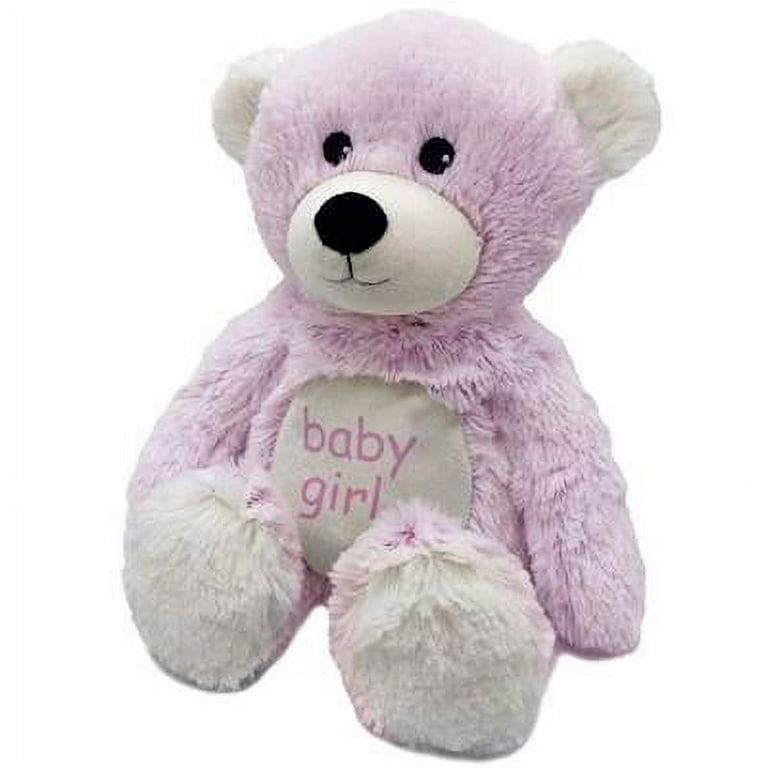
Warmies are soft, scented plush toys designed to provide gentle warmth and comfort—making them a popular choice for parents seeking natural ways to soothe their babies. When used correctly, Warmies can help calm fussy infants, support better sleep, and ease minor discomforts like teething or tummy aches. However, because they involve heat and are often placed near delicate skin and bedding, knowing how to use Warmies for babies safely is essential.
Unlike regular stuffed animals, Warmies are heated in a microwave and emit a gentle, soothing warmth for up to an hour. They’re typically filled with natural grains and infused with calming lavender, making them a multi-sensory comfort tool. But safety comes first—babies under 12 months should never have loose items in the crib, and overheating is a risk if instructions aren’t followed. This guide walks you through every step of using Warmies for babies—safely and effectively.
Choose Baby-Safe Warmies
Not all Warmies are suitable for infants. Some are designed for older children or adults and may contain small parts or scents that aren’t ideal for babies.
Look for Newborn-Approved Designs
Opt for Warmies labeled for newborns and infants. These are made with:
• No removable parts like plastic eyes or noses
• Hypoallergenic fillings such as rice, flaxseed, and dried lavender
• Tightly stitched seams to prevent filling leakage
• Soft, plush outer fabric gentle on sensitive skin
Popular baby-safe options include the Warmies Snuggle Bunny, Sloth, and Bear—each designed with safety and comfort in mind. Always check packaging for age recommendations before purchasing.
Avoid Scented Versions for Sensitive Babies
While most Warmies use mild lavender, some babies may react to even natural fragrances. If your baby has eczema, asthma, or known sensitivities, choose an unscented version or test the toy near—but not in—the crib first. Place it in the room for a few minutes while baby is awake to monitor for any signs of irritation or discomfort.
Heat Warmies Properly
Improper heating is the most common cause of burns or fire hazards. Always follow the manufacturer’s instructions, but general guidelines apply.
Microwave Settings Matter
Use a low to medium power setting (50–70% power) and heat in short intervals:
• 100–120 seconds total for baby-sized Warmies
• Heat in 30-second bursts, checking temperature between each
Never use high power or exceed recommended time—even a few extra seconds can make the toy dangerously hot. Overheating can damage the fabric, create steam burns, or pose a fire risk.
Test Temperature Before Use
Always test the warmth on your wrist or inner forearm—the same way you’d test a bottle. The toy should feel gently warm, not hot. If it’s too warm:
• Let it cool for 5–10 minutes
• Gently squeeze to release excess heat
• Re-test before giving to baby
Never microwave a Warmie more than once in the same session. Reheating increases the risk of overheating and material degradation.
Use Warmies Outside the Crib Only

The American Academy of Pediatrics (AAP) advises no soft objects in the crib for babies under 12 months to reduce the risk of Sudden Infant Death Syndrome (SIDS).
Warm Baby Before Bed
Use Warmies before bedtime to soothe and warm the baby:
• Place the warmed toy near (but not on) the baby during cuddle time
• Use it during nursing or rocking to create a calming routine
• Let baby hold it while awake and supervised
Once baby is drowsy, remove the Warmie before placing them in the crib. This ensures compliance with safe sleep guidelines while still offering comfort.
Warm the Crib—Safely
Want to warm the crib sheets? That’s safe—if done correctly:
1. Heat the Warmie as instructed
2. Place it under the fitted sheet (not on top)
3. Let it sit for 5–10 minutes to transfer warmth
4. Remove it completely before laying baby down
Never leave a heated object in the crib, even under sheets. Residual heat is enough to create a safe, cozy environment without the risks.
Supervise All Warmie Use
Babies can’t regulate temperature as well as adults, and they can’t move away from heat sources. Supervision is non-negotiable.
Never Leave Baby Unattended
Even if baby seems calm, never allow unsupervised use of a Warmie. Risks include:
• Overheating
• Choking (if seams split)
• Burns (if overheated or damaged)
Keep Warmies out of reach when not in use to prevent accidental chewing or overheating by older siblings.
Check for Damage Regularly
Inspect the toy before each use:
• Look for loose stitching, tears, or damp spots
• Feel for clumping or moisture in the filling
• Smell for musty or off odors
If any damage is found, stop using immediately. Damaged Warmies can overheat or grow mold when microwaved, posing serious health and safety risks.
Avoid Common Mistakes
Even well-meaning parents can make errors that compromise safety.
❌ Don’t Overheat for Longer Warmth
Some parents microwave Warmies longer to extend warmth. This is dangerous. Overheating can:
• Cause burns
• Damage the fabric
• Create fire hazards
If you need longer warmth, consider a dual-use approach:
• Warm the baby with the toy
• Then switch to a safe sleep sack or wearable blanket
This maintains comfort without increasing risk.
❌ Don’t Use in Car Seats or Strollers
Placing a Warmie in a car seat or stroller creates pressure points and can interfere with harness fit. The heat may also build up in enclosed spaces, increasing burn risk.
Instead, dress baby in layers and use a car seat cover that doesn’t interfere with straps. This keeps baby warm while maintaining safety and proper restraint function.
❌ Don’t Wash in the Microwave
Warmies should never be washed in a microwave. To clean:
• Spot clean with a damp cloth and mild soap
• Air dry completely
• Never submerge in water
Moisture in the filling can cause steam burns or mold when heated. Always ensure the toy is fully dry before reuse.
Best Times to Use Warmies
Timing and context matter. Using Warmies at the right moments maximizes comfort and safety.
During Tummy Time or Cuddles
A gently warmed Warmie can be a soothing companion during:
• Tummy time (placed nearby, not under baby)
• Fussy evenings (held during rocking)
• Nap transitions (as a comfort cue)
The warmth and lavender scent help signal relaxation, making it easier to calm an overstimulated baby.
For Teething or Tummy Aches
Some parents find Warmies help ease:
• Teething discomfort (place near jaw, not directly on gums)
• Gas or colic (hold against tummy while burping or lying on back)
Always supervise and keep the toy outside clothing—never against bare skin. The gentle heat can provide relief without direct contact.
Transition to Safe Sleep Habits
As baby grows, you can adapt Warmie use for older infants and toddlers.
After 12 Months: Introduce in Bed
Once baby is over 12 months and sleeping in a toddler bed:
• You can place a Warmie in the bed (not crib)
• Ensure it’s heated properly and not too hot
• Choose a smaller size to reduce suffocation risk
Many toddlers love Warmies as nighttime comfort objects. They become part of a healthy sleep routine.
Use as a Sleep Cue
Pair the Warmie with a bedtime routine:
• Heat it at the same time each night
• Use it during story time
• Let baby hug it as they fall asleep
This builds a healthy sleep association without unsafe crib items. Over time, the Warmie becomes a familiar, comforting presence.
Frequently Asked Questions About Warmies for Babies
Can I use a Warmie for my newborn?
Yes, but only if it’s labeled for newborns and used outside the crib. Ensure it has no small parts, is hypoallergenic, and is heated properly. Always supervise use and never place it in the sleep area.
How long does a Warmie stay warm?
A properly heated Warmie stays warm for up to 60–90 minutes. The warmth gradually fades, making it ideal for pre-sleep routines rather than overnight use.
Are Warmies safe for babies with asthma?
Most Warmies contain dried lavender, which may irritate sensitive airways. For babies with asthma or allergies, choose an unscented version or avoid use in the bedroom altogether.
Can I use a Warmie to warm the crib?
Yes, but only temporarily. Place the heated Warmie under the fitted sheet for 5–10 minutes, then remove it before laying baby down. Never leave it in the crib.
What should I do if my Warmie gets wet?
Stop using it immediately. Moisture in the filling can cause mold or steam burns when microwaved. Spot clean only and allow full air drying before reuse.
When can my baby sleep with a Warmie?
After 12 months, when baby transitions to a toddler bed, you can safely introduce a Warmie into the sleep space—provided it’s heated correctly and not too large.
Key Takeaways for Using Warmies Safely with Babies
Warmies can be a safe, soothing addition to your baby’s routine—if used correctly. Always follow AAP safe sleep guidelines, heat the toy properly, and supervise use. Never leave a Warmie in the crib, and inspect it regularly for damage.
Start by using it during awake, supervised moments like cuddle time or tummy time. As your baby grows, you can transition the Warmie into a bedtime comfort object. With these steps, you can enjoy the cozy benefits of Warmies while keeping your little one safe and comfortable.





