
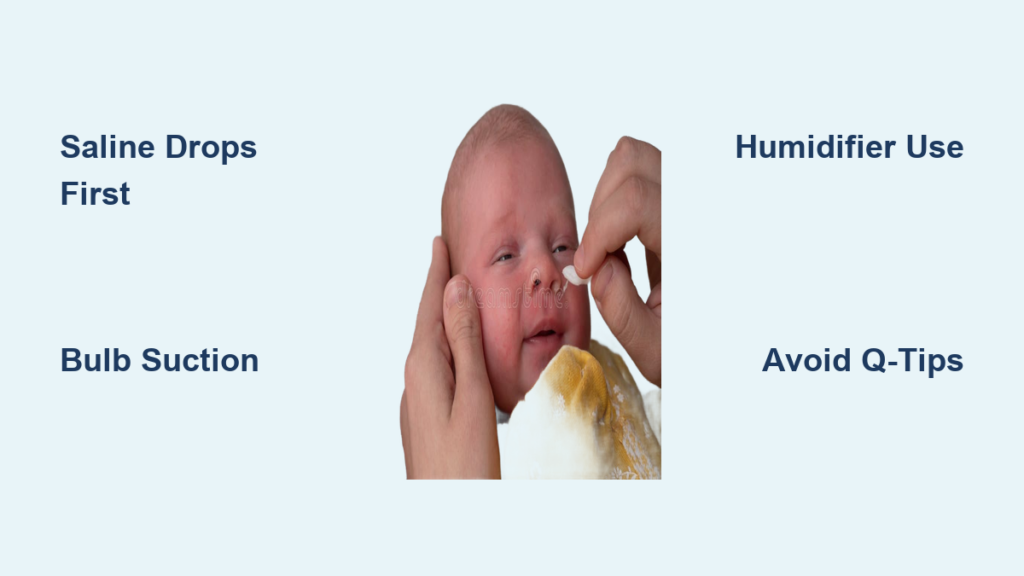
Your baby is fussy, struggling to breathe through their nose, and refusing to eat. The likely culprit? Boogers. Since babies are obligate nose breathers, even a small blockage can make feeding, sleeping, and breathing difficult. Thick mucus in narrow nasal passages isn’t just annoying—it can lead to poor feeding, dehydration, and restless nights. The good news is that you can safely get boogers out of baby nose at home using simple, pediatrician-approved methods.
This guide walks you through the most effective techniques—starting with saline drops, followed by gentle suction using a bulb syringe or nasal aspirator. You’ll also learn how to prevent future boogers with humidity and hydration, recognize danger signs, and avoid unsafe home remedies. With the right approach, you can help your baby breathe easier—calmly and safely.
Use Saline Drops to Loosen Mucus First
Saline drops are the essential first step in clearing your baby’s nose. They soften and thin dry mucus, making it easier to suction out. Skipping this step can make suctioning ineffective and even irritate the delicate nasal lining.
Apply 3–4 Drops Per Nostril Correctly
- Lay your baby on their back with a small towel under their shoulders to tilt the head slightly.
- Gently squeeze 3 to 4 drops of saline into one nostril, then the other.
- Keep the head tilted back for 60 seconds to let the solution work.
- Watch for sneezing—this natural reflex helps push mucus out.
Pro Tip: Gently wiggle your baby’s head side to side after applying drops to help the saline reach deeper into the nasal passages.
Make Safe Homemade Saline When Needed
If you’re out of store-bought drops, make your own:
– Mix ¼ teaspoon of salt into 1 cup of warm tap water.
– Stir until dissolved and use immediately.
– Do not store—discard any leftover solution.
Warning: Never use plain tap water or add anything besides salt. Always use a clean dropper and wash it after each use.
Suction With a Bulb Syringe Safely
After applying saline, use a bulb syringe to gently remove loosened mucus. This affordable, widely available tool is effective when used correctly.
Step-by-Step Bulb Syringe Instructions
- Squeeze the bulb fully before inserting.
- Insert the tip gently—no more than ¼ inch into the nostril.
- Release the bulb slowly to draw mucus out.
- Remove and squeeze the mucus onto a tissue.
- Repeat for the other nostril.
Best Practice: Always suction before feeding—doing it after can trigger gagging or vomiting.
Avoid Common Bulb Syringe Mistakes
- ❌ Don’t insert too deep—babies’ nasal passages are extremely short.
- ❌ Don’t suction more than 4 times a day—overuse causes irritation and nosebleeds.
- ❌ Don’t suction longer than 1–2 seconds at a time.
If mucus is too thick, reapply saline and wait another minute before trying again.
Clean the Bulb Syringe After Every Use
- Fill the bulb with soapy water, shake, and squeeze out.
- Rinse thoroughly with clean water—repeat several times.
- Air dry completely before storing.
Never reuse a dirty syringe—bacteria can grow in leftover mucus.
Try a Nasal Aspirator Like NoseFrida for Better Results

Many parents find mouth-powered nasal aspirators (e.g., NoseFrida) more effective than bulb syringes. They offer stronger, controlled suction and come with a disposable filter so you never touch the mucus.
How to Use a NoseFrida Properly
- Insert a new filter into the device.
- Apply saline drops to one nostril.
- Place the nasal tip around the nostril (not inside) to create a seal.
- Suck gently through the mouthpiece—mucus is pulled in, but the filter blocks it from reaching you.
- Remove, discard the filter, and repeat on the other side.
Why it’s better: The seal and stronger suction remove mucus that a bulb syringe might miss—especially helpful for deep or thick boogers.
Clean and Store the Nasal Aspirator Correctly
- Discard the filter after each use.
- Wash the nasal tip, tube, and mouthpiece with hot, soapy water.
- Let all parts air dry completely before reassembling.
Use a Dual-Action Suction Device for Stubborn Congestion
For babies with persistent or thick mucus, dual-action suction devices offer deeper reach and stronger suction.
Why Dual-Action Tools Work Better
- Narrow tip accesses deeper nasal areas without touching sensitive tissue.
- Can be used as a standard bulb syringe or with extended tip.
- More effective on thick, sticky mucus.
Best for: Babies with chronic congestion or during peak illness (days 5–6 of a cold).
Position Baby Securely During Suction
Babies often cry and wiggle during suctioning. Keeping them safe and calm improves success and reduces stress.
Swaddle for Better Control
- Wrap your baby snugly in a soft blanket.
- Use a rolled towel under the head for support.
- Work quickly—keep suctioning sessions under 2 minutes.
Safety first: Never force the baby. If they’re too upset, stop and try again later.
Comfort Baby After Suctioning
- Cuddle and soothe your baby.
- Offer a feeding right after—they’ll breathe and eat better.
- Wipe the nose gently with a soft tissue to prevent chafing.
Prevent Boogers With Humidity and Moist Air

Dry air dries out mucus, making boogers harder to remove. Keeping the air moist helps prevent mucus buildup.
Run a Cool-Mist Humidifier
- Place in the baby’s room, especially at night.
- Clean daily with vinegar or soap to prevent mold and bacteria.
- Use distilled water if possible.
Avoid warm-mist humidifiers—they pose a burn risk if knocked over.
Elevate the Crib Slightly for Better Drainage
- Place a rolled towel under the mattress to tilt the crib head-up.
- This helps mucus drain and reduces nighttime congestion.
- Never use pillows or loose bedding—they’re a suffocation hazard.
Keep Baby Hydrated to Thin Mucus Naturally
Hydration thins mucus from the inside, making it easier to clear. The more fluids your baby gets, the less sticky the boogers.
Feed Frequently to Support Clear Breathing
- Offer breast milk or formula every 2–3 hours.
- If baby is congested during feeding, pause and suction before continuing.
- For babies 6+ months, small sips of water can help.
Signs of dehydration:
– Fewer than 3–4 wet diapers per day
– Dry mouth
– Lethargy
– Sunken soft spot (fontanelle)
Contact your pediatrician if you notice these signs.
Watch for Signs of Respiratory Distress
Most baby congestion is mild and clears in 7–10 days. But some symptoms require medical attention.
Seek Help If Baby Shows These Danger Signs
- Rapid breathing (over 60 breaths per minute)
- Nasal flaring (nostrils widen with each breath)
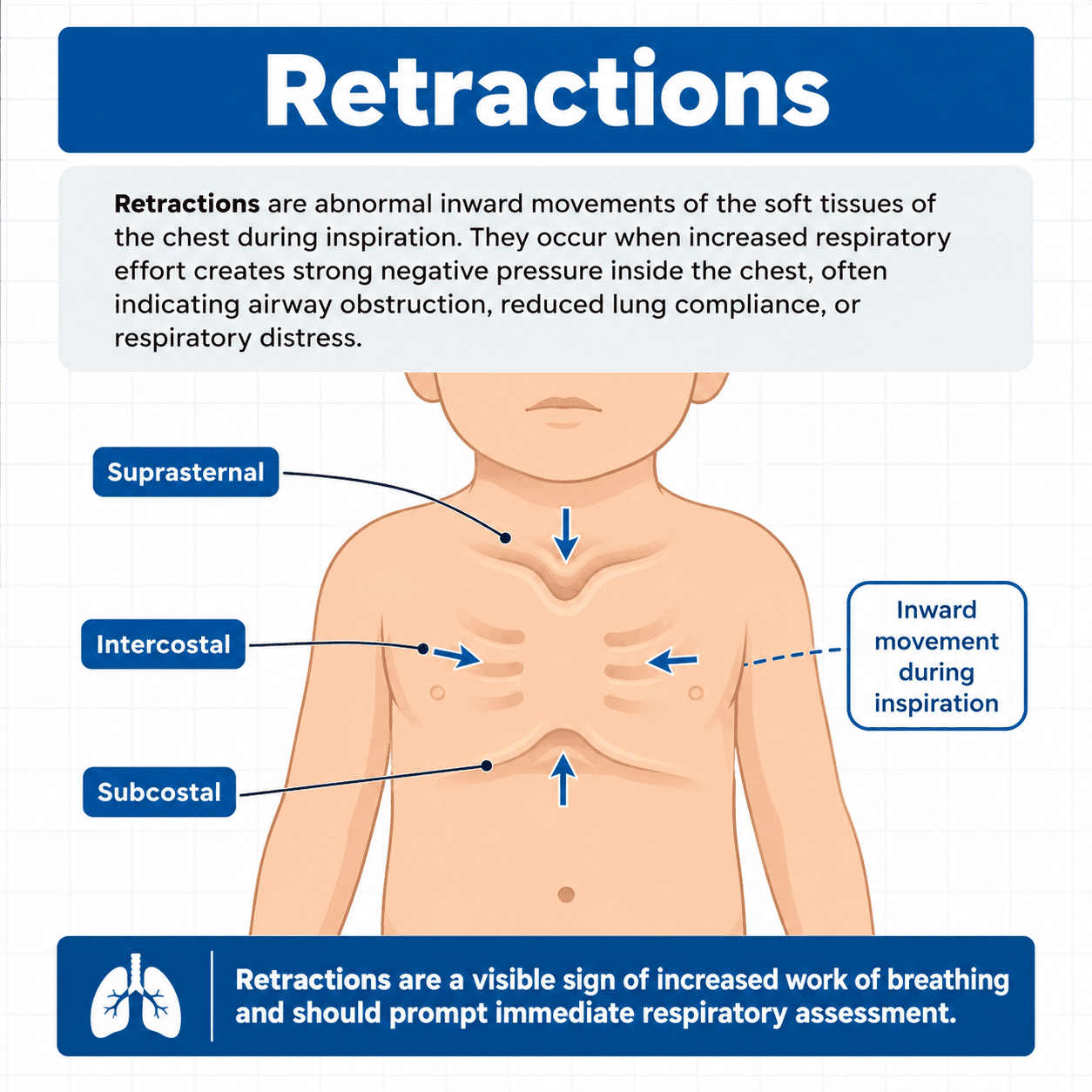
- Retractions (skin pulls in around ribs or neck)
- Tummy breathing (belly moves more than chest)
- Fever under 3 months (100.4°F or higher)
- Refusing all feeds or showing dehydration
- Congestion lasting more than 14 days
These signs may indicate respiratory distress or a serious infection.
Avoid Unsafe Home Remedies
Some popular “hacks” can be dangerous for babies.
Never Use These Unsafe Methods
- Cotton swabs or Q-tips—can push mucus deeper or injure nasal tissue.
- Essential oils—not safe for children under 2.
- Over-the-counter cold medicines—not approved for children under 6.
- Steam rooms or hot showers—burn risk; cool-mist humidifiers are safer.
Stick to saline, suction, humidity, and hydration—they’re safe and proven.
Follow a 4-Step Routine to Clear Baby’s Nose
For best results, follow this simple routine during congestion:
- Apply saline drops (3–4 per nostril)
- Wait 60 seconds with head tilted back
- Suction with bulb or aspirator
- Feed and comfort baby
Repeat no more than 4 times a day, always before feeding or bedtime.
Know When Congestion Is Normal
- Congestion peaks around days 5–6 of a cold.
- Most cases resolve within a week.
- Babies may sound “noisy” even when improving—this is normal as mucus drains.
Trust your instincts. If something feels off, call your pediatrician.
Frequently Asked Questions About Getting Boogers Out of Baby Nose
How often can I suction my baby’s nose?
You should suction no more than 4 times a day. Over-suctioning can irritate the nasal lining and cause swelling or nosebleeds. Always use saline first and limit each suction session to 1–2 seconds per nostril.
Can I use a nasal aspirator if my baby is crying?
Yes, but it’s easier when your baby is calm. Crying can cause more mucus production and make suctioning harder. Try swaddling, gentle rocking, or suctioning during a quiet moment like before feeding.
Is it safe to make my own saline solution?
Yes, if done correctly. Mix ¼ teaspoon of salt into 1 cup of warm tap water and use immediately. Do not store. Always use a clean dropper and wash it after each use. Never add anything besides salt.
Why does my baby sneeze after saline drops?
Sneezing is a natural reflex that helps push mucus out. It’s a good sign—your baby’s body is working to clear their nose. Let them sneeze freely; it’s a safe and effective way to remove loosened boogers.
What’s the best time to suction my baby’s nose?
Suction before feeding and before bedtime. Clearing the nose helps your baby breathe and eat better. Avoid suctioning right after feeding—it can trigger gagging or vomiting.
Can a humidifier help with baby boogers?
Yes. A cool-mist humidifier adds moisture to the air, preventing mucus from drying out and hardening. Run it in your baby’s room at night and clean it daily to prevent mold and bacteria.
Key Takeaways for Clearing Baby Nasal Boogers
To safely get boogers out of baby nose, always start with saline drops to loosen mucus, then use a bulb syringe or nasal aspirator for gentle suction. Limit suctioning to 4 times a day, always before feeding, and clean tools after each use. Prevent future boogers by using a cool-mist humidifier, keeping your baby well-hydrated, and slightly elevating the crib.
Most congestion resolves within a week. Watch for danger signs like rapid breathing, nasal flaring, or dehydration—and call your pediatrician if you’re concerned. With patience and the right routine, you can help your baby breathe, eat, and sleep better—safely at home.





