
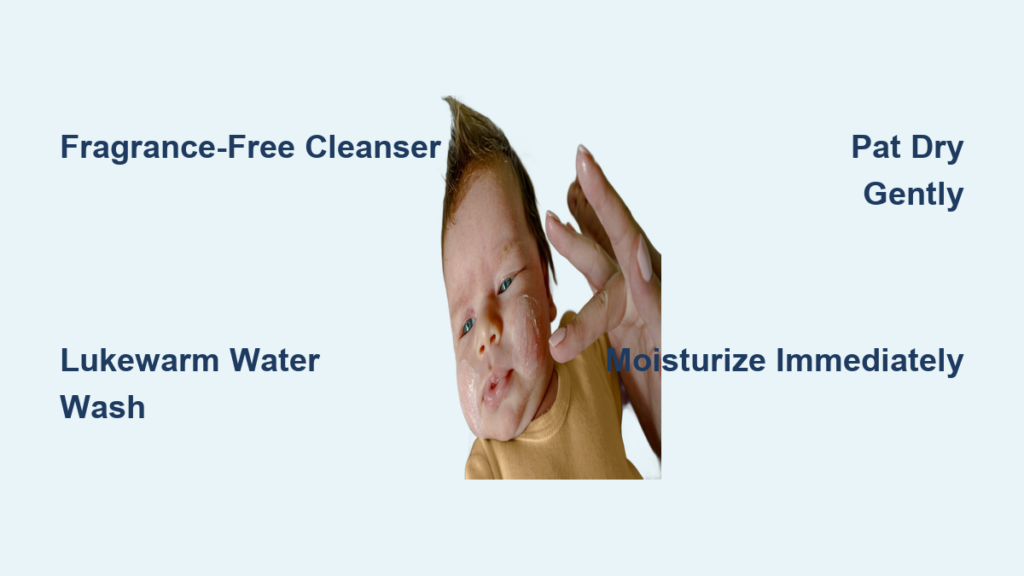
Babies with eczema often have delicate, sensitive skin that reacts strongly to irritants, weather changes, and improper cleansing routines. If your baby has eczema on their face, you’re likely searching for safe, effective ways to clean without causing redness, dryness, or flare-ups. The good news: with the right approach, gentle products, and consistent care, you can keep your baby’s face clean and comfortable. This guide walks you through evidence-based, dermatologist-recommended steps to safely cleanse a baby’s face affected by eczema—without worsening symptoms.
Cleaning a baby’s face with eczema isn’t just about removing dirt—it’s about protecting the skin barrier, preventing infection, and minimizing triggers. Many parents unknowingly use wipes or soaps that contain fragrances or alcohol, which can strip natural oils and worsen irritation. The key is using fragrance-free, hypoallergenic products and techniques that respect your baby’s compromised skin. By the end of this guide, you’ll know exactly how to wash your baby’s face, what to avoid, and how to lock in moisture for lasting relief.
Choose a Fragrance-Free, Eczema-Safe Cleanser

Pick a Hypoallergenic, Dye-Free Baby Wash
Select a facial cleanser labeled fragrance-free, dye-free, and hypoallergenic. Avoid products with terms like “natural” or “herbal,” as these may contain plant extracts that irritate sensitive skin. Look for simple formulas with skin-supporting ingredients like glycerin or ceramides. Trusted options include Cetaphil Baby Wash, Vanicream Gentle Facial Cleanser, and Aveeno Baby Eczema Therapy Cleanser—each formulated to minimize irritation.
Skip Harsh Wipes and Foaming Soaps
Never use regular baby wipes, adult facial cleansers, or foaming soaps on a baby’s eczema-prone face. These often contain alcohol, strong surfactants, or preservatives like methylisothiazolinone that damage the skin barrier. Even wipes marketed as “sensitive” can include hidden irritants. If you must use wipes, choose ones specifically certified for eczema, such as WaterWipes or Pampers Sensitive with Zero Fragrance—and rinse the face afterward with lukewarm water.
Wash the Face Gently with Lukewarm Water
Use a Soft Cloth or Fingertips Only
Wet a clean, soft washcloth or your fingertips with lukewarm water—never hot. Gently wipe the face to remove milk, drool, or light residue. Avoid scrubbing, as inflamed eczema patches are easily irritated. A light touch is enough to clean without causing redness or discomfort.
Limit Face Washing to Twice a Day
Clean your baby’s face only when necessary—typically once in the morning and once at night, or after feeding if soiled. Overwashing strips natural oils and worsens dryness. On days when the face is clean, a quick splash of water or a damp cloth is sufficient. Keep cleansing functional, not habitual.
Pat Dry with a Soft Towel—Never Rub

Use a Gentle, Dedicated Face Towel
After washing, pat the face dry with a 100% cotton or bamboo towel. Avoid rough terry cloth, which can irritate sensitive skin. Use a light, pressing motion—never rub. To reduce bacteria, use a separate towel just for your baby’s face and wash it daily.
Leave Skin Slightly Damp Before Moisturizing
Dermatologists recommend leaving the skin slightly damp after cleansing. This helps trap moisture when you apply moisturizer right away—a method known as “soak and seal.” Wait no longer than 3 minutes to lock in hydration and support skin barrier repair.
Apply a Thick Moisturizer Immediately After Washing
Use Ointments or Creams, Not Lotions
For facial eczema, ointments like petroleum jelly (Vaseline) or thick creams such as CeraVe Baby Moisturizing Cream and Eucerin Eczema Relief are best. Lotions contain more water and evaporate quickly, which can dry the skin. Ointments create a protective layer that seals in moisture and shields against irritants.
Follow the “Soak and Seal” Technique
Apply a generous layer of moisturizer within 3 minutes of washing. Use clean fingertips to press (not rub) the product over the entire face, especially on eczema patches. Reapply during the day if the skin looks dry, particularly in cold or dry weather. Consistent moisturizing reduces flare-ups and speeds healing.
Prevent Common Eczema Triggers on the Face
Clean Up Drool and Milk Residue Gently
Drool and milk contain enzymes and sugars that can irritate eczema-prone skin around the mouth and chin. After feeding, wipe the area with a damp cloth, then reapply moisturizer. Use a soft, absorbent bib to catch drool and reduce repeated wetting of the skin.
Avoid Overheating and Trapped Sweat
Heat and sweat worsen facial eczema. Dress your baby in lightweight, breathable cotton clothing and keep the room between 68–72°F. If your baby gets hot, gently wipe their face with a cool, damp cloth. Sweat left on the skin can cause itching and increase infection risk.
Recognize When to Seek Medical Help
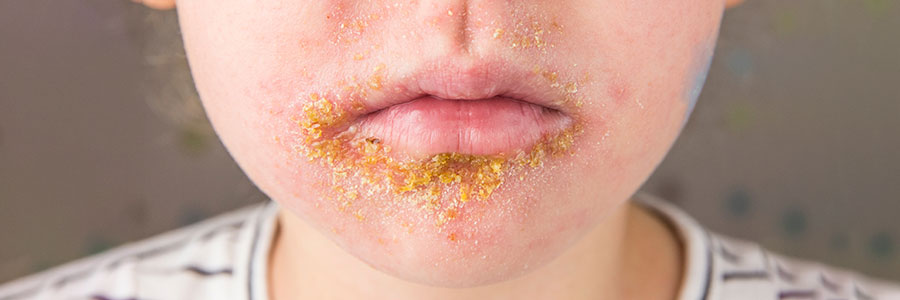
Watch for Signs of Skin Infection
Eczema can become infected, especially if scratched or cleaned with harsh products. Look for yellow crusting, oozing, swelling, or rapidly spreading redness—these may signal a bacterial infection like impetigo. Seek medical care promptly, as prescription antibiotics may be needed.
Get Professional Advice on Medications
If eczema doesn’t improve with gentle cleansing and moisturizing, talk to your pediatrician or dermatologist. They may recommend a short course of 1% hydrocortisone cream or a non-steroidal option like crisaborole. Never use steroid creams on a baby’s face without medical guidance—facial skin absorbs medication more deeply.
Stick to a Simple, Consistent Daily Routine
Follow a Minimalist Cleansing Schedule
Consistency helps manage flare-ups. A simple routine could include:
• Morning: Damp cloth wipe → moisturizer
• After feeding: Gentle clean if needed → moisturizer
• Night: Mild cleanser wash → moisturizer
Avoid introducing multiple new products at once. Test any new item on a small patch of skin (like the forearm) for 2–3 days before using it on the face.
Ensure All Face-Touching Products Are Eczema-Safe
Everything that touches your baby’s face matters. Use fragrance-free, dye-free detergent for burp cloths and baby clothes. Avoid wearing scented lotions or perfumes on your hands when holding your baby. Even shampoo runoff during baths can trigger flare-ups—rinse carefully and shield the face.
Frequently Asked Questions About Cleaning Baby Face with Eczema
Can I use baby wipes on my baby’s face if they have eczema?
Only use wipes labeled fragrance-free, dye-free, and safe for eczema, such as WaterWipes or Pampers Sensitive with Zero Fragrance. Avoid regular wipes, which often contain alcohol or preservatives. When possible, rinse the face with water after wiping to remove residue.
How often should I wash my baby’s face with eczema?
Wash no more than twice daily—morning and night—or after feeding if milk or drool is present. Overwashing dries the skin and worsens eczema. On clean days, a damp cloth wipe is enough.
What’s the best moisturizer for baby facial eczema?
Ointments like petroleum jelly and thick creams such as CeraVe Baby or Eucerin Eczema Relief are best. They lock in moisture better than lotions and create a protective barrier on sensitive skin.
Why does my baby’s eczema get worse after washing?
Harsh soaps, hot water, or rubbing can irritate eczema. Always use lukewarm water, a gentle cleanser, and pat—don’t rub—dry. Apply moisturizer within 3 minutes to prevent drying.
Can drool make baby facial eczema worse?
Yes. Drool contains enzymes that irritate sensitive skin, especially around the mouth and chin. Wipe gently with a damp cloth after drooling and reapply moisturizer. Use soft bibs to reduce constant wetness.
Is it safe to use hydrocortisone on a baby’s face?
Only under a doctor’s supervision. Low-potency hydrocortisone (1%) may be prescribed for short-term use, but facial skin absorbs medication more easily, increasing the risk of side effects.
Key Takeaways for Cleaning Baby Face with Eczema
• Always use fragrance-free, hypoallergenic cleansers and avoid harsh wipes or soaps
• Wash gently with lukewarm water no more than twice daily and pat dry—never rub
• Apply a thick ointment or cream within 3 minutes of washing using the soak and seal method
• Watch for infection signs and consult a doctor if eczema persists
• Maintain a simple, consistent routine and ensure all products touching the face are eczema-safe
Start today by reviewing your current products and replacing anything with fragrance or alcohol. Small changes in how you clean your baby’s face can lead to fewer flare-ups and more comfort for your little one.





