
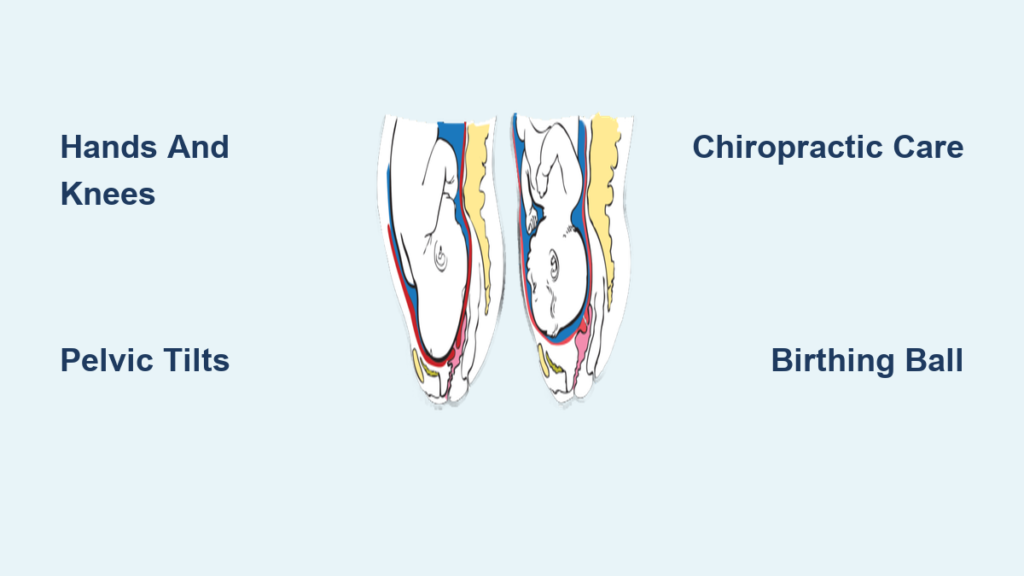
If your baby is in a posterior position—head down but facing your abdomen instead of your back—you’re not alone. This occiput posterior (OP) position can lead to longer, more intense labor and increase the chances of interventions like C-sections. But here’s the encouraging truth: most babies rotate to anterior during labor, even if they stay posterior late in pregnancy. The key is using safe, evidence-based techniques to encourage optimal positioning and give your baby the space to turn.
You don’t need to stress if your baby is posterior at 36 or 38 weeks—babies shift positions frequently before birth. Some flip during contractions, others during pushing. The good news? You can take proactive steps now to improve pelvic balance and increase the odds your baby turns before labor starts. This guide covers proven exercises, daily postures, professional support, and real-life insights from mothers who’ve successfully navigated this. You’ll learn what actually works, how to avoid common mistakes, and when to trust your body’s natural process.
Use Spinning Babies Techniques to Improve Pelvic Balance
Spinning Babies is a trusted resource that focuses on pelvic alignment and muscle balance to help your baby find the best position for birth. Tight ligaments or misalignment can restrict movement, making it harder for your baby to rotate. These techniques aim to release tension and open space in your pelvis.
Follow the Full Spinning Babies Routine Daily
The Spinning Babies program includes a series of daily exercises designed to relax tight tissues and encourage fetal rotation:
– Forward-leaning inversions: Shift the baby away from your spine and promote head engagement.
– Sidelying releases: Loosen ligaments that may be pulling the uterus out of alignment.
– Webster prep movements: Prepare your body for chiropractic care.
Many mothers report better fetal positioning and smoother labors after consistent use—even when previous babies were posterior.
Combine With the Miles Circuit for Maximum Effect
The Miles Circuit is a 1–2 hour routine that uses movement, gravity, and posture to guide your baby forward:
1. Walk briskly for 20–30 minutes.
2. Perform forward-leaning inversions 3 times.
3. Sit on a birthing ball with hips above knees.
4. Rock on hands and knees for 10–15 minutes.
One mother did this daily and noticed her baby turned within a week. It’s especially effective when paired with other Spinning Babies techniques.
Perform Daily Exercises That Open the Pelvis
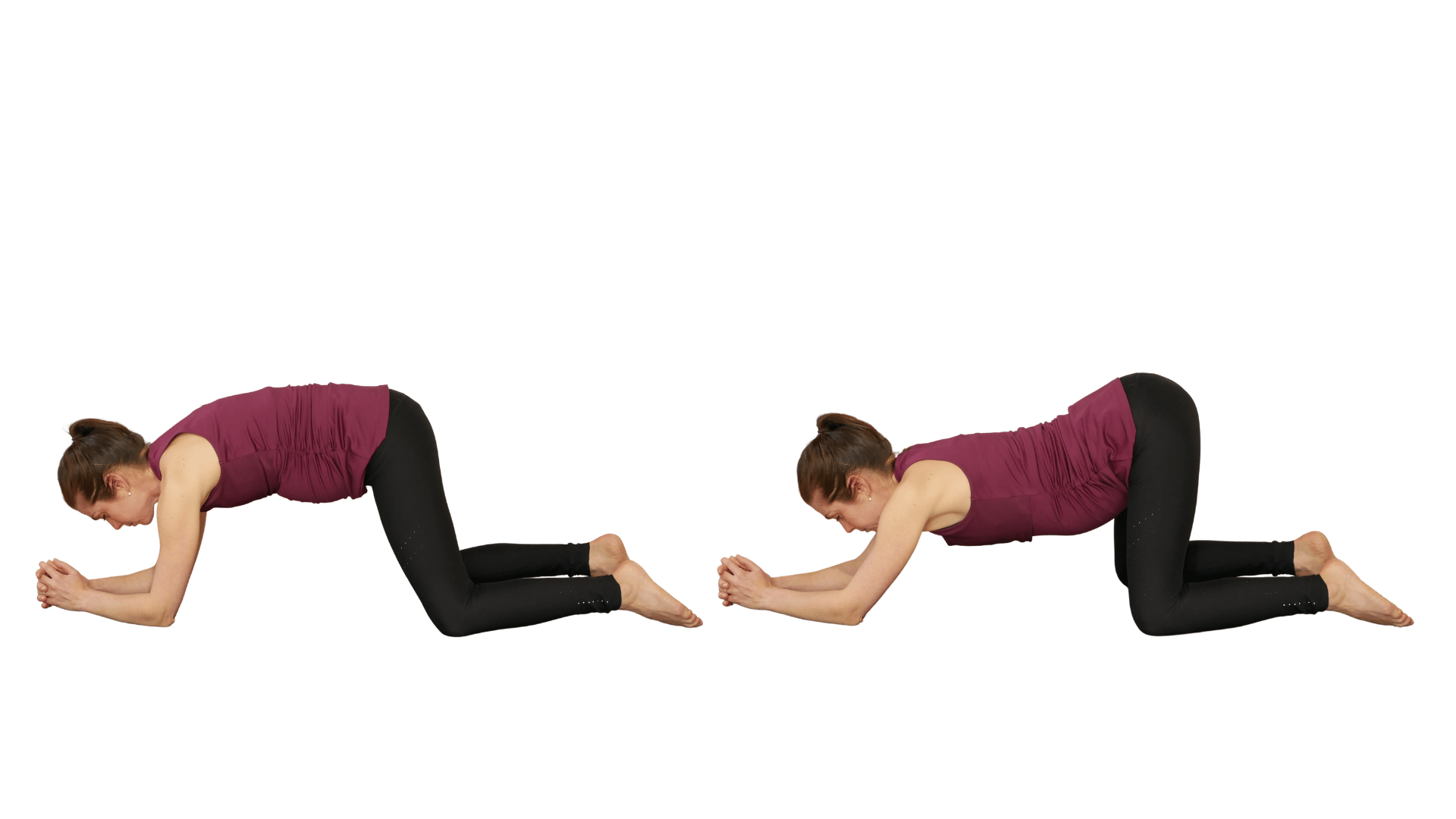
Specific movements can create more room in your pelvis and encourage your baby to rotate. Start around week 36–38, but always check with your provider—especially if you have pelvic girdle pain or instability.
Do Pelvic Tilts to Tilt the Uterus Forward
Pelvic tilts strengthen your core and shift the uterus forward, giving your baby space to rotate.
How to do it:
– Get on hands and knees.
– Exhale and tuck your tailbone, arching your back upward.
– Hold for 5 seconds, then return to neutral.
– Repeat 10–20 times, 2–3 times a day.
This gentle motion helps move the baby’s back away from your spine.
Practice Deep Squats to Widen the Pelvic Outlet
Deep squats can open your pelvic outlet by up to 30%, using gravity to guide the baby down and forward.
Tips:
– Hold onto a doorframe or birthing bar for support.
– Keep your heels flat if possible.
– Breathe deeply and relax into the stretch.
– Do 3 sets of 5 squats daily.
One mom started at 38 weeks and had all her babies turn naturally.
Use a Birthing Ball to Encourage Subtle Hip Movement
Sitting on a birthing ball promotes alignment and creates gentle motion that can nudge your baby into position.
Effective methods:
– Sit with hips higher than knees.
– Rock hips in circles or figure eights for 10–15 minutes.
– Lean forward while resting or during contractions.
Many moms bounce gently while watching TV or working.
Try Cat/Cow Stretches to Increase Spinal Flexibility
This yoga-inspired movement helps create space in the pelvis and improves spinal mobility.
How to do it:
– On hands and knees, alternate between arching your back (cat) and dipping your belly (cow).
– Move slowly with your breath—inhale for cow, exhale for cat.
– Do 5–10 reps, 2–3 times daily.
It works best when combined with other techniques.
Maintain Postures That Favor Anterior Positioning
Your daily posture influences where your baby settles. Small changes in how you sit, stand, and rest can make a big difference.
Avoid Reclining or Leaning Back
Sitting in recliners, slouching on the couch, or leaning back in the car can encourage your baby to face your abdomen.
Instead:
– Sit upright with hips slightly higher than knees.
– Use a small pillow for lower back support.
– Tilt your car seat slightly forward.
One mom made it her rule: “No reclining at all costs.”
Stay in Forward-Leaning Positions as Much as Possible
Forward-leaning postures use gravity to help your baby rotate:
– Lean over a countertop or birth ball while standing.
– Kneel and rest on a cushioned surface.
– Sleep with a pillow under your belly to maintain a forward tilt.
Even watching TV can become a positioning session—just lie on your side with your top knee raised.
Seek Prenatal Chiropractic Care With the Webster Technique

Chiropractic adjustments, especially the Webster Technique, are highly effective for correcting pelvic misalignment and improving fetal positioning.
Benefits of Prenatal Chiropractic Adjustments
- Balances pelvic muscles and ligaments.
- Reduces intrauterine constraint.
- Increases space for your baby to move.
One mother reported that all her babies turned naturally after regular chiropractic visits.
Find a Webster-Certified Chiropractor
Look for a practitioner certified by the International Chiropractic Pediatric Association (ICPA). Weekly visits in the third trimester are common, and many midwives refer patients specifically for posterior or breech concerns.
Try the Hands and Knees Position to Shift the Baby’s Back
Getting on all fours is one of the most recommended postures for turning a posterior baby.
How Hands and Knees Helps Rotation
- Lifts the baby’s back off your spine.
- Opens the pelvis diagonally.
- Encourages the baby to rotate toward the front.
Recommended routine:
– Get on hands and knees for 10–20 minutes, 2–3 times daily.
– Rock gently or sway hips side to side.
– Combine with pelvic tilts for added effect.
One mom did this for over a month—she wasn’t sure it worked, but she still recommends it as part of a broader strategy.
Encourage Rotation During Labor With Smart Positioning

Even if your baby stays posterior going into labor, many still rotate during contractions or pushing. Don’t lose hope.
Use Labor Positions That Promote Rotation
These positions help the baby pivot during active labor:
– Hands and knees: Opens the pelvis and eases back pain.
– Side-lying: Allows rest while encouraging slow rotation.
– Forward-leaning stance: Over a bed, ball, or partner’s shoulders.
Avoid lying flat on your back—it narrows the pelvic outlet and may stall progress.
Consider Manual Internal Rotation if Needed
If labor slows and the baby stays posterior, your provider may perform manual internal rotation.
What to expect:
– Done during dilation, before pushing.
– Involves gently turning the baby’s head with a hand.
– Can be uncomfortable—many recommend an epidural.
One mother’s sister had her baby turned twice during labor. She said the epidural made a huge difference.
Know When to Let Nature Take Its Course
Despite your best efforts, some babies stay posterior until the very end—and still deliver vaginally.
Babies Can Turn During Pushing
One mom shared: “Nothing worked to turn my baby. But during pushing, he rotated on his own and everything was fine.” This is more common than you think.
Most Babies Flip During Contractions
Midwives often reassure: “Don’t stress—most babies turn during labor.” Even if your baby was anterior at 36 weeks and flipped posterior later, labor contractions can trigger rotation.
They act like nature’s pelvic tilts—repeatedly shifting the baby and creating opportunities to rotate.
Combine Multiple Strategies for Best Results
Success usually comes from consistency and combining techniques, not relying on one single method.
Build a Daily Routine That Works
Here’s a sample plan based on real maternal success:
| Time | Activity |
|---|---|
| Morning | 10 min hands and knees + 5 pelvic tilts |
| Afternoon | 20 min walk + 10 min birthing ball circles |
| Evening | 3 deep squats + forward lean over couch |
| Before bed | Side-lying with top knee up + relaxation |
Add chiropractic care once or twice a week if possible.
Track Progress Without Obsessing
You won’t always know if the baby has turned. Focus on consistent effort instead. Signs of progress may include:
– Less back pain.
– Easier breathing.
– Kicks felt higher in front.
– A more rounded belly shape.
But remember: no signs don’t mean failure.
Avoid Common Mistakes That Reduce Effectiveness
Even well-meaning efforts can backfire if done incorrectly.
Don’t Overdo It With Physical Strain
If you have pelvic girdle pain (PGP), avoid deep squats or inversions without support. Try gentler options like side-lying pelvic tilts.
Don’t Rely on Just One Method
Using only squats or only hands and knees is less effective than a multi-pronged approach. Combine movement, posture, and professional care.
Don’t Panic If It Doesn’t Work
Many moms try everything and still have posterior babies—yet deliver safely. Trust your body and your care team.
Key Takeaways for Turning a Posterior Baby to Anterior
Most posterior babies turn anterior during labor, and many who don’t still have successful vaginal deliveries. The goal isn’t perfection—it’s preparation. By using Spinning Babies techniques, daily exercises, proper posture, and chiropractic support, you’re giving your baby the best chance to rotate. But if they wait until labor—or even pushing—to flip, that’s okay too.
Stay consistent, stay informed, and trust your body. Your pelvis is designed to adapt, and your baby has time to find the right position. Sometimes, all it needs is space, movement, and patience.
Frequently Asked Questions About Turning a Posterior Baby
Can a posterior baby turn to anterior on its own?
Yes. Most babies turn to anterior during labor, especially during contractions. Even if your baby stays posterior late in pregnancy, natural rotation is still very common.
When should I start trying to turn a posterior baby?
Start around 36–38 weeks. This is when the baby typically settles into position, but there’s still time to influence it with exercises and posture changes.
Does the hands and knees position really work?
It may help, especially when combined with other techniques. While results vary, it opens the pelvis and lifts the baby’s back off your spine, creating space to rotate.
Can chiropractic care help turn a posterior baby?
Yes. The Webster Technique is specifically designed to correct pelvic misalignment and improve fetal positioning. Many mothers report their babies turned after regular adjustments.
What happens if my baby stays posterior during labor?
Many babies still rotate during pushing. If not, your provider may suggest manual rotation or different labor positions. Some posterior babies result in longer labor, but vaginal birth is still possible.
Is it too late to turn a baby at 39 weeks?
No. Babies can change position up to the very start of labor. Even at 39 weeks, consistent movement, posture, and professional care can make a difference.





