
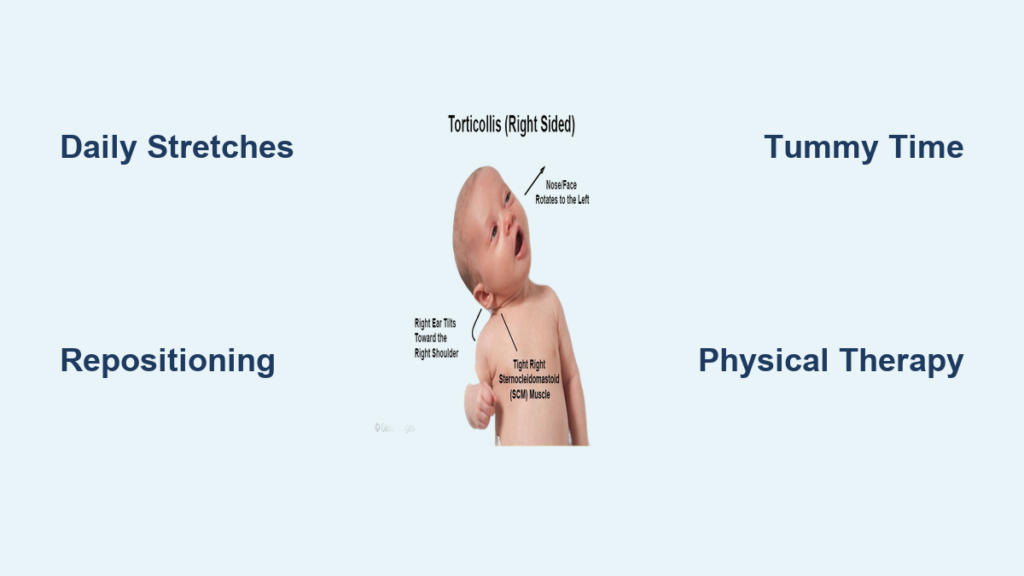
If your baby consistently tilts their head to one side or struggles to turn their neck fully, they may have torticollis—a common but treatable condition in infants. Known as congenital muscular torticollis (CMT), it occurs when the sternocleidomastoid muscle (SCM) becomes tight or shortened, causing the head to tilt toward the affected side and rotate away. While it can worry parents, early treatment with stretching, positioning, and physical therapy leads to full recovery in most cases. In fact, 98% of babies who begin physical therapy before one month of age regain full neck motion within just six weeks. This guide will show you how to recognize the signs, perform safe daily stretches, adjust carrying and sleeping positions, and know when to seek professional help—all based on evidence-based care.
You play a key role in your baby’s recovery. With consistent, gentle exercises and smart environmental changes, most infants overcome torticollis quickly and develop normally. This article walks you through every step, from diagnosis to prevention of complications like flat head syndrome, so you can support your baby’s healthy growth with confidence.
Spot Early Signs of Infant Torticollis

Catching torticollis early prevents long-term issues like facial asymmetry or developmental delays. Most signs appear within the first few weeks, though some babies don’t show clear symptoms until they gain head control at 2–3 months.
Head Tilt and Limited Neck Rotation
A consistent head tilt is the most obvious sign—your baby favors one side, with the ear close to the shoulder and the chin pointing the opposite way. They may resist turning their head fully, especially during feeding or tummy time. For example, a baby with right-side tightness will tilt the head to the right and struggle to look left. This restricted movement can affect visual tracking and motor development if not addressed.
Flattened Head or Uneven Facial Features
Because the baby rests in the same position, pressure on the soft skull can cause plagiocephaly—flattening on one side of the back of the head. Over time, facial asymmetry may develop, such as one eye or ear appearing higher. These changes are preventable with early intervention and proper repositioning techniques.
Neck Lump in Some Infants
About 10% of babies with CMT develop a small, firm lump in the middle of the tight SCM muscle. This results from fibrosis (scar tissue) due to in-utero muscle strain and typically resolves with treatment over several months. It’s not painful and should not be massaged aggressively.
Perform Daily Neck Stretches for Torticollis
Stretching is the foundation of treatment. When done gently and consistently, these exercises lengthen the tight SCM and restore normal neck motion.
Rotate Baby’s Head to the Restricted Side
This stretch targets rotational limitation—when your baby resists turning their head fully.
For right-side tightness (difficulty turning right):
– Lay baby flat on their back.
– Stabilize the left shoulder with one hand.
– Gently guide the baby’s head to rotate toward the right using your other hand on the jaw.
– Keep the chin slightly lifted to avoid twisting; aim for eyes forward.
– Hold for 10–20 seconds, repeat 5 times.
For left-side tightness (difficulty turning left):
– Stabilize the right shoulder.
– Gently rotate the head to the left.
– Use your voice or a toy to keep the baby engaged.
Tip: Do this at every diaper change—consistency speeds recovery.
Side-Bend Ear to Opposite Shoulder
This improves lateral flexibility—when your baby resists bringing the ear down to the shoulder.
For right-side tightness (difficulty bringing left ear to left shoulder):
– Baby lies on back.
– Stabilize the right shoulder with your left hand.
– Gently guide the left ear toward the left shoulder with your right hand.
– Stop at mild resistance—never force.
– Hold 10–20 seconds, repeat 5 times.
For left-side tightness (difficulty bringing right ear to right shoulder):
– Mirror the technique on the opposite side.
Key: Keep the head neutral—no rotation during the bend.
Maximize Stretching Success
• Be gentle: Stretch only to mild tension. Crying or resistance means stop.
• Use distraction: Sing, talk, or use colorful toys to keep focus.
• Track progress: Note improvements in head turning, symmetry, and tummy time.
• Stay consistent: Daily stretching yields faster results.
Use Therapeutic Carrying Techniques
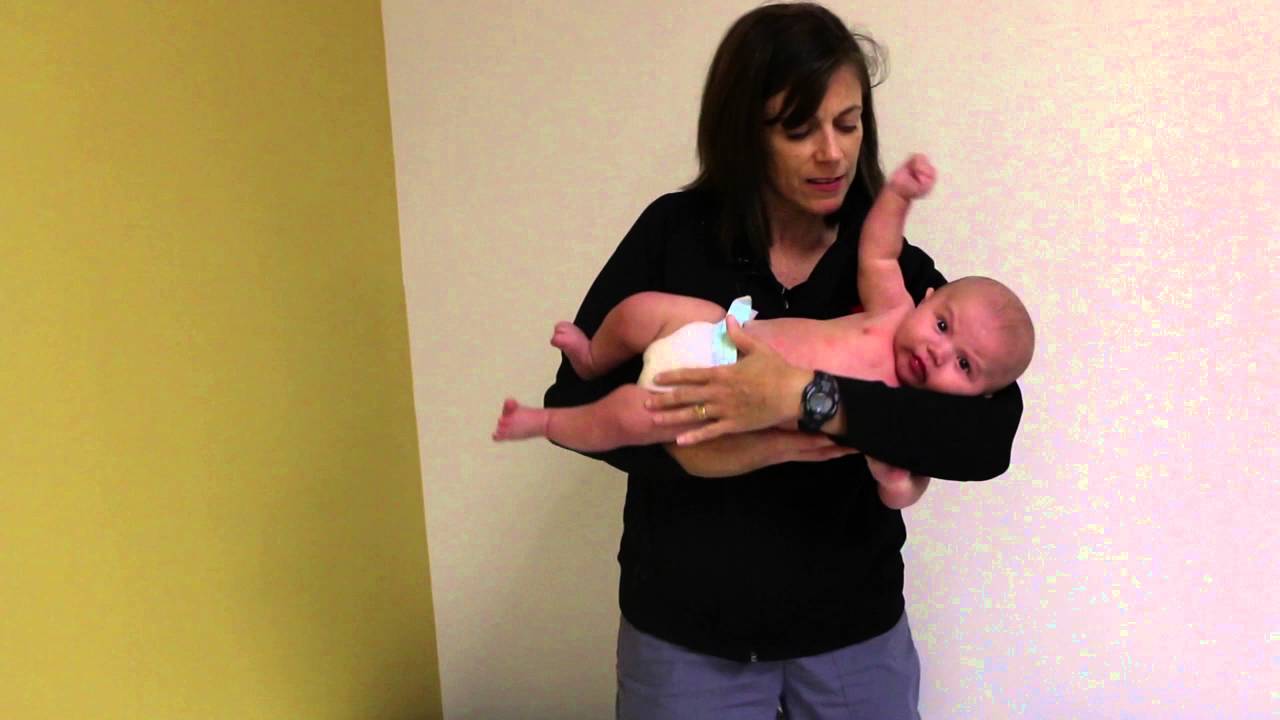
How you hold your baby can actively support treatment by stretching tight muscles and strengthening weaker ones.
Cradle Carry with Side Bends
Purpose: Build neck strength and balance.
How to do it:
– Hold baby upright, facing outward.
– Gently tilt baby sideways—more horizontal = more challenge.
– Hold for 3–5 seconds per side.
– Repeat 5 times daily.
Benefit: Encourages active head lifting and strengthens underused muscles.
Football Hold with Stretch (Left SCM Tightness)
For tight left neck muscle:
– Position baby facing out, supported along the front with your right arm between legs.
– Use left hand to gently side-bend the right ear toward the right shoulder.
– This stretches the tight left SCM.
– Hold 5–10 seconds, return to center.
Repeat several times a day, especially during play or feeding.
Football Hold with Stretch (Right SCM Tightness)
For tight right neck muscle:
– Support with left arm, use right hand to bend left ear to left shoulder.
– Stretches the right-side muscle while strengthening the left.
Ideal for: Incorporating therapy into daily routines without extra time.
Vertical Carry with Weight Shifts
Best during seated play:
– Sit with baby on your lap.
– Support sides with both hands.
– Gently lean baby to one side, encouraging head to stay upright.
– Shift to the other side.
– Repeat 5–10 times per side.
Outcome: Enhances core and neck coordination, preparing for crawling.
Optimize Sleep and Play Positioning

Strategic positioning helps correct torticollis and prevents flat head syndrome.
Adjust Crib Placement
Place the crib so that light, sounds, and interesting visuals (mobiles, windows, family activity) are on the side your baby struggles to turn toward. If your baby resists turning left, position the crib so the room’s action is on their left. This encourages active head rotation.
Alternate Feeding Sides
During bottle or breastfeeding, switch arms and positions. If nursing, start on the side your baby finds harder to turn to—this naturally promotes stretching.
Supervised Tummy Time Every Day
Tummy time strengthens neck, shoulder, and core muscles.
Tips for success:
• Start with 3–5 minutes, 2–3 times daily.
• Gradually increase to 60 minutes total by 4 months.
• Use mirrors, toys, or get down to eye level to keep interest.
• Place baby chest-up on your lap if floor time is challenging.
Goal: Build strength to lift and turn the head against gravity.
Start Pediatric Physical Therapy Early
Physical therapy is highly effective and often the key to fast recovery.
Why Early PT Leads to Faster Recovery
Infants who begin physical therapy before 1 month of age have a 98% success rate in achieving full neck motion within 1.5 months. Even older babies respond well, but earlier intervention prevents complications like plagiocephaly or motor delays.
What a Pediatric PT Will Do
• Evaluate range of motion and muscle strength
• Teach parents customized stretches and exercises
• Monitor progress and adjust treatment
• Address related issues like delayed milestones or head shape changes
How Often to Attend Sessions
Most babies attend weekly or biweekly sessions, with daily home exercises. Your therapist will guide frequency based on severity.
Prevent Flat Head and Facial Asymmetry
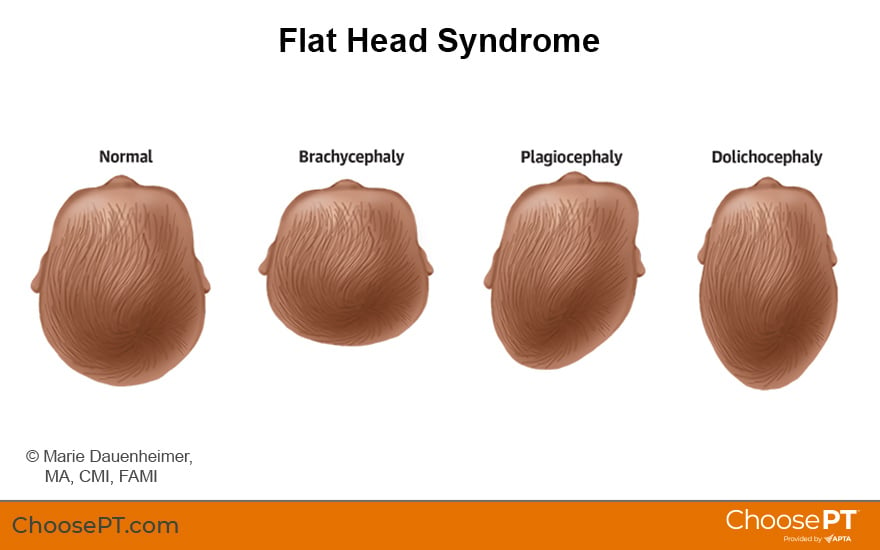
Untreated torticollis can lead to positional plagiocephaly and uneven facial development—both preventable with proactive care.
Limit Time in Car Seats and Swings
Avoid prolonged use of car seats, bouncers, and swings when not traveling. These restrict movement and increase pressure on one part of the head.
Reposition Head During Sleep
Alternate which way your baby faces in the crib each night. Change head position while keeping them on their back for safe sleep. Use rolled towels or positioning pillows only under professional guidance.
Monitor Head Shape Regularly
Check for flattening at the back or side of the skull. If you notice asymmetry, consult your pediatrician or physical therapist promptly.
Know When to See a Specialist
Most babies improve with home care and physical therapy. But if there’s no progress, further evaluation is needed.
Signs to Seek Specialist Care
• No improvement after 4–6 weeks of consistent stretching
• Head tilt persists beyond 3–4 months
• Facial or skull asymmetry develops
• Limited neck motion despite therapy
Possible Referrals
• Pediatric physical therapist: For advanced assessment and treatment
• Pediatric orthopedist or physiatrist: To evaluate need for bracing or surgery
• Pediatric neurologist: If neurological causes are suspected (rare)
Consider Surgery Only if Conservative Care Fails
Surgery is rare and reserved for severe, persistent cases.
When Surgery Is Considered
• After 12–18 months of age
• If range of motion remains severely limited
• If facial or head deformities progress
Surgical Procedure
The surgeon lengthens the tight SCM through a small incision. Recovery includes post-op physical therapy to maintain gains.
Note: Less than 10% of CMT cases require surgery—most resolve with non-invasive care.
Avoid Common Torticollis Treatment Mistakes
Even well-meaning parents can unintentionally slow progress. Avoid these pitfalls.
• Forcing stretches: Never push beyond mild resistance. Force causes pain and muscle guarding.
• Inconsistency: Skipping stretches delays recovery. Tie exercises to daily habits like diaper changes.
• Ignoring environmental cues: Leaving toys or caregivers on the “easy” side reinforces the preference.
• Delaying professional help: Waiting too long increases risk of long-term issues.
Track Progress and Adjust Treatment
Monitoring improvement keeps motivation high and ensures treatment is working.
Signs of Improvement
• Increased head turning in both directions
• Reduced head tilt during rest and play
• Symmetrical head shape over time
• Longer tummy time with better head control
• No feeding side preference
When to Reassess
If no change is seen in 4–6 weeks, revisit your pediatrician or physical therapist. They may adjust the plan or investigate other causes.
Prevent Long-Term Developmental Delays
With timely care, most babies develop normally. But untreated torticollis can lead to lasting issues.
• Motor skill delays: Affects rolling, sitting, and crawling due to limited visual exploration
• Asymmetrical development: Can lead to uneven shoulders, scoliosis, or gait issues
• Impact on hand use: Babies may favor one hand, affecting fine motor skills
Prevention: Early, consistent treatment eliminates these risks.
Key Takeaways for Parents Treating Baby Torticollis
You are your baby’s best therapist. With patience and daily effort, torticollis is highly treatable.
• Start early: Begin stretches within the first few months.
• Be consistent: Daily effort makes the biggest difference.
• Stay gentle: Progress comes with time, not force.
• Involve caregivers: Teach everyone the correct techniques.
• Celebrate small wins: Every extra degree of movement counts.
Torticollis is not your fault—and it’s not permanent. With the right care, your baby can achieve full neck function and develop without limitations. If in doubt, reach out to your pediatrician or a pediatric physical therapist. Early action today ensures a healthier, more balanced tomorrow.
Frequently Asked Questions About Treating Torticollis in Babies
Can torticollis go away on its own without treatment?
Some mild cases improve with time, but untreated torticollis increases the risk of flat head syndrome, facial asymmetry, and motor delays. Early stretching and positioning significantly improve outcomes and reduce complications.
How long does it take to fix torticollis in babies?
Most babies show improvement within a few weeks. Those who start physical therapy before one month of age typically achieve full range of motion within 1.5 months. Older infants may take several months with consistent home exercises.
What happens if torticollis is not treated?
Untreated torticollis can lead to permanent head shape changes (plagiocephaly), facial asymmetry, delayed motor skills, and posture issues. Early intervention prevents these long-term effects.
Can tummy time help with torticollis?
Yes. Tummy time strengthens neck, shoulder, and core muscles, helping babies lift and turn their heads. It’s a key part of treatment and should be done daily in short, supervised sessions.
When should I take my baby to physical therapy for torticollis?
See a pediatric physical therapist if your baby has a persistent head tilt, limited neck movement, or shows no improvement after 4–6 weeks of home stretches. Early referral improves recovery speed.
Is torticollis painful for babies?
Congenital muscular torticollis is usually painless. Babies may resist stretches due to discomfort or unfamiliarity, but they don’t typically experience pain. If your baby seems distressed, stop and consult your provider.





