
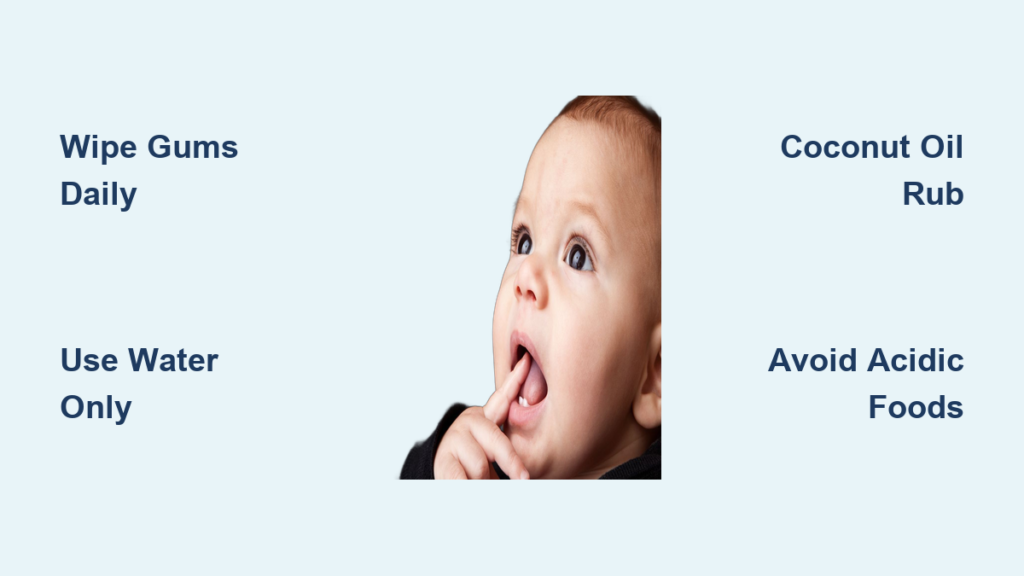
The arrival of your baby’s first tooth is a joyful milestone—but it also means it’s time to start thinking about oral care. Many parents prefer to avoid commercial toothpastes with artificial ingredients and fluoride, especially for infants. The good news is you can clean baby teeth naturally using safe, gentle methods that support healthy gums and strong tooth development. This guide will walk you through effective, pediatrician-supported ways to maintain your baby’s oral hygiene using only natural tools and ingredients.
From wiping gums with a soft cloth to using coconut oil and homemade pastes, these simple practices fit easily into your daily routine. You’ll learn which natural methods are truly safe, which to avoid despite their popularity, and how diet and feeding habits play a key role in preventing cavities. Whether your baby is teething or has a few teeth already, these strategies help build a foundation for lifelong dental health—naturally.
Wipe Gums Before Teeth Emerge
Clean Gums Daily with a Damp Cloth
Even before the first tooth appears, start cleaning your baby’s mouth once a day. Use a clean, soft washcloth dampened with lukewarm water. Gently wipe the gums in circular motions, focusing on the front and back areas where teeth will emerge. This removes bacteria from milk residue and helps soothe sore gums during teething.
Getting your baby used to this routine early makes it easier to transition to brushing later. Do this after the morning or evening feeding, and always use a fresh cloth to prevent bacterial buildup.
Start Brushing at First Tooth

Use a Soft Brush and Water Only
As soon as the first tooth breaks through—typically around 6 months—begin brushing it twice daily. Choose a baby toothbrush with extra-soft bristles or a silicone finger brush that fits over your fingertip. Use only water; no toothpaste is needed at this stage.
Brush in gentle circles along the gumline, covering the front, back, and chewing surface of the tooth. Keep sessions short and positive. If your baby resists, try brushing while they’re lying down or during a calm moment after a nap.
Safe Natural Cleaning Tools and Methods

Try Xylitol-Infused Oral Wipes
Xylitol is a plant-based sweetener that reduces harmful oral bacteria like Streptococcus mutans, which cause cavities. Some natural infant oral wipes contain safe levels of xylitol and are designed to clean teeth and gums after feedings.
After nursing or bottle-feeding, gently wipe your baby’s teeth and gums with one of these wipes. Choose alcohol-free, dye-free versions labeled safe for babies under 12 months. These wipes are convenient for on-the-go care but should not replace brushing.
Use Coconut Oil for Its Antibacterial Benefits
Virgin coconut oil contains lauric acid, which has natural antimicrobial properties. Dip a clean finger or soft cloth in a pea-sized amount and gently rub it over your baby’s teeth and gums. This helps reduce bacteria and can soothe inflamed gums during teething.
Coconut oil is safe if swallowed in small amounts, making it a low-risk option for babies who tend to gag or resist brushing. Use it once a day, either in place of or before water brushing.
Homemade Natural Toothpaste Recipes
Mashed Banana as a Gentle Cleaner
Ripe banana contains natural enzymes and minerals like potassium that may help clean teeth gently. Mash a small piece and rub it on your baby’s teeth with a clean finger or soft cloth. While not a replacement for brushing, it can be used occasionally as a mild cleaning aid.
Always follow with a water rinse or damp cloth wipe to remove sticky residue, which can attract bacteria if left behind. Avoid this method if your baby has a banana sensitivity.
Baking Soda Paste for Babies Over 1 Year
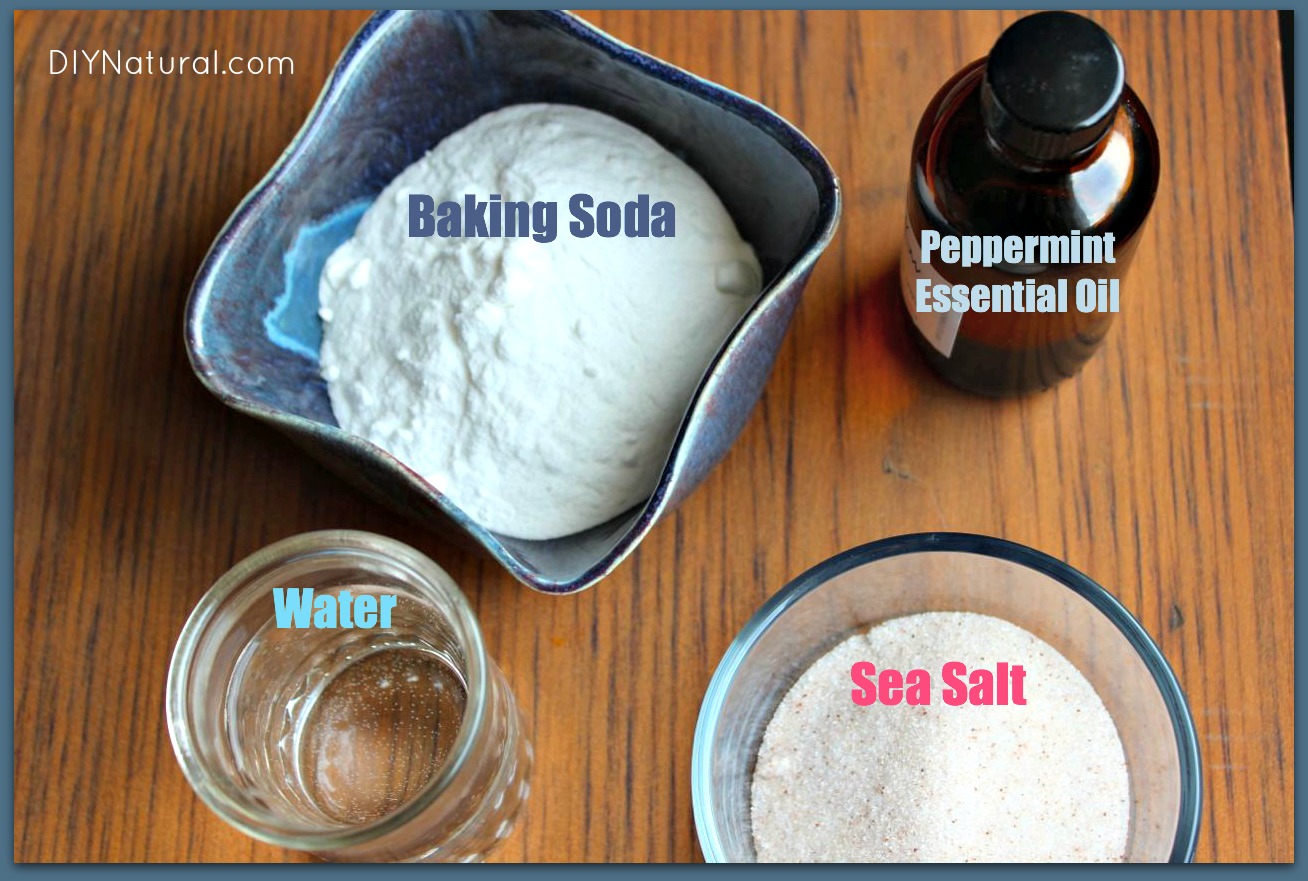
For toddlers over 12 months, a tiny amount of food-grade baking soda mixed with water can be used once or twice a week. Mix a pinch of baking soda with a few drops of water to create a smooth paste.
Apply with a soft toothbrush and brush gently, then rinse thoroughly. Do not use daily—baking soda is mildly abrasive and may wear down delicate enamel over time.
Natural Methods to Avoid

Never Use Lemon Juice or Vinegar
Though natural, lemon juice and vinegar are highly acidic and can erode baby tooth enamel, even after brief contact. This damage is irreversible and increases the risk of decay. Avoid DIY “whitening” or cleaning remedies that include citrus or acidic ingredients.
Even diluted, these substances are too harsh for developing teeth. Stick to neutral or slightly alkaline cleaning agents like water or coconut oil.
Don’t Use Honey Before Age 1
Honey is a common natural sweetener, but it can contain Clostridium botulinum spores that cause infant botulism—a serious condition in babies under one year. Never use honey in any oral care routine for infants, whether in a paste or wipe.
After 12 months, the digestive system is mature enough to handle these spores safely, but it’s still not recommended as a tooth cleaner.
Avoid Essential Oils in Babies
Essential oils like peppermint, tea tree, or eucalyptus are too strong for infants and can be toxic if swallowed, even in small amounts. Some oils can also cause irritation or allergic reactions in sensitive mouths.
Skip DIY toothpaste recipes that include essential oils. Stick to edible, food-grade ingredients only.
Prevent Cavities with Natural Habits

Limit Night Feeding After Teeth Appear
Frequent nighttime breastfeeding or bottle-feeding increases the risk of baby bottle tooth decay. Milk pools around the teeth during sleep, feeding cavity-causing bacteria. After the first tooth emerges, try to avoid nursing or bottle-feeding your baby to sleep.
If you do feed at night, gently wipe your baby’s teeth with a damp cloth afterward to remove milk residue.
Offer Water After Feeding
Giving your baby a small sip of water after meals helps rinse away food particles and balance mouth pH. For pre-solids babies, follow feeding with a damp cloth wipe. For older infants, use a training cup.
This simple habit reduces acid buildup and supports a healthier oral environment.
Transition to a Cup by 12 Months
Prolonged bottle use increases exposure to sugars in milk and formula. Introduce a sippy or straw cup around 6–9 months and aim to phase out the bottle by age 1. This supports jaw development and lowers cavity risk.
Choose cups without valves for better oral motor development.
Support Dental Health Through Diet
Feed Nutrient-Rich, Low-Sugar Foods
Once your baby starts solids, choose foods that support strong teeth. Offer mashed avocado, steamed sweet potatoes, plain yogurt, and soft-cooked carrots. These are rich in vitamins A, C, and calcium—key nutrients for healthy enamel.
Avoid processed baby snacks with added sugars or starches, which feed harmful bacteria.
Avoid Juice and Sugary Snacks
Even 100% fruit juice is high in natural sugars and acid, which can damage baby teeth. The American Academy of Pediatrics advises no juice before age 1. If offering fruit, serve it whole to reduce sugar concentration.
Limit dried fruits like raisins, which are sticky and cling to teeth.
Include Calcium and Vitamin D Sources
Calcium builds strong teeth, and vitamin D helps the body absorb it. Include calcium-rich foods like plain yogurt, pureed tofu, and fortified plant-based milks (after 12 months). Expose your baby to safe sunlight or use fortified foods to support vitamin D levels.
Pair these foods with healthy fats to boost nutrient absorption.
Schedule Early Dental Visits
First Dentist Visit by Age 1
The American Academy of Pediatric Dentistry recommends scheduling your baby’s first dental checkup by age 1 or within six months of the first tooth appearing. This visit helps identify early signs of decay and gives you personalized advice on natural and clinical care.
Dentists can also show you proper brushing techniques and assess your baby’s oral development.
Watch for Early Signs of Tooth Decay
Contact a pediatric dentist if you notice white spots near the gumline, brown or black stains, swollen gums, or your baby seems to be in pain while eating. These can be early signs of cavities—even in babies.
Early intervention prevents more serious issues and keeps treatment simple.
Build a Consistent Natural Routine
Morning and Night Cleaning Checklist
Morning:
• Wash hands and use a clean finger or soft brush
• Brush with water or coconut oil
• Wipe gums and tongue if needed
• Follow with a sip of water if age-appropriate
Night:
• Brush after the final feeding
• Use water, coconut oil, or a safe wipe
• Avoid feeding after cleaning
• Keep the routine calm and consistent
Key Takeaways for Natural Baby Tooth Care
Cleaning baby teeth naturally is safe and effective when you use the right methods. Focus on gentle daily habits like wiping gums, brushing with water, and using safe natural aids like coconut oil. Avoid harmful myths like lemon juice, honey before age 1, and essential oils.
Support oral health with a nutrient-rich diet, limited sugary liquids, and early dental visits. By starting early and staying consistent, you’re giving your baby the foundation for a lifetime of healthy smiles—without harsh chemicals.
Frequently Asked Questions About Cleaning Baby Teeth Naturally
Can I use coconut oil to clean my baby’s teeth?
Yes. Virgin coconut oil is safe and has natural antibacterial properties. Use a pea-sized amount on a clean finger or soft cloth to gently rub on teeth and gums. It’s especially helpful for reducing bacteria and soothing teething discomfort.
Is baking soda safe for baby teeth?
Only for babies over 12 months, and only occasionally. Mix a tiny pinch with water to make a paste. Baking soda is mildly abrasive, so use it no more than once or twice a week to avoid damaging delicate enamel.
When should I start cleaning my baby’s mouth?
Start cleaning your baby’s mouth at birth by wiping the gums with a damp cloth once a day. Begin brushing with a soft toothbrush as soon as the first tooth appears—usually around 6 months.
Can I make a natural toothpaste for my baby?
Yes, but only with safe ingredients. For babies under 1, use only water or coconut oil. For toddlers over 1, you can try a pinch of baking soda with water. Avoid honey, essential oils, or acidic ingredients.
Is xylitol safe for babies?
Yes, in small amounts. Xylitol is found in some infant oral wipes and helps reduce cavity-causing bacteria. Choose products labeled safe for infants and avoid giving xylitol gum or mints, which are choking hazards.
How can I prevent cavities in baby teeth naturally?
Limit night feedings after teeth emerge, avoid juice and sugary snacks, offer water after meals, and brush twice daily with water or safe natural agents. A healthy diet rich in calcium and vitamins also supports strong teeth.





