
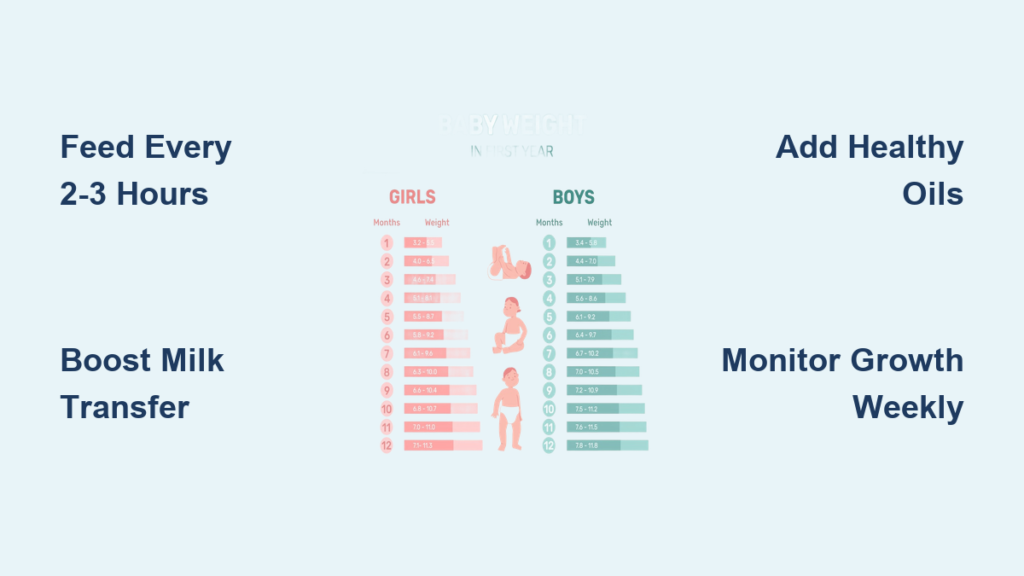
Many parents worry when their baby isn’t gaining weight as expected. Whether your baby was born early, is small for gestational age, or just seems to be a slow gainer, frequent feeding and high-calorie nutrition can make a real difference. Most infants catch up with the right support, and you’re not alone—many families face this challenge. The key is consistency, proper technique, and working closely with your pediatrician.
This guide gives you science-backed strategies to help your baby gain weight safely. You’ll learn how to increase feeding frequency, boost calorie intake, and recognize when to seek medical help. From breastfeeding tips to high-energy homemade recipes, every step is designed to support healthy growth.
Feed Every 2–3 Hours to Maximize Calorie Intake
Frequent feeding ensures your baby gets enough calories to grow. Newborns have tiny stomachs and need to eat often to meet their energy needs.
Track Feeding Frequency and Output
Offer a breastfeed or bottle every 2–3 hours, including overnight. Most babies need 8–12 feeds per day in the early weeks.
• Keep a feeding log with time, duration, and amount (for bottles) or side (for breastfeeding)
• Wake your baby if they sleep longer than 4 hours, especially in the first month
• Watch for early hunger cues like rooting, sucking on hands, or stirring
Pro tip: Use gentle alarms at night to stay on schedule without disrupting your rest too much.
Respond to Early Hunger Signs
Feeding before your baby cries helps them take in more milk with less effort. Late signs like crying mean your baby is already tired and may not feed well.
Look for:
• Mouth opening or turning head side to side
• Sucking motions or hand-to-mouth movements
• Fussiness or increased alertness
Addressing hunger early prevents fatigue and supports better weight gain.
Improve Breastfeeding Technique for Better Milk Transfer
Even with frequent feeds, poor latch or weak suction can limit how much milk your baby gets. Optimizing your technique helps them extract more with less effort.
Achieve a Deep, Effective Latch
A good latch means your baby takes in enough breast tissue to stimulate milk flow.
• Ensure your baby’s mouth is wide open before latching
• Their lips should flare outward, covering most of the areola
• Chin pressed into the breast, nose clear for breathing
Try different holds—cradle, cross-cradle, or football—to find what works best.
Use Breast Compression During Feeds
When your baby slows down, gently squeeze your breast to keep milk flowing.
• Place your hand behind the areola (not on the nipple)
• Squeeze firmly for 1–2 seconds, release, and repeat
• Continue until swallowing stops
This simple trick can double the amount of milk your baby gets in one session.
Pump After Nursing to Increase Supply
If your baby doesn’t fully empty your breasts, pumping afterward signals your body to make more milk.
• Use a hospital-grade pump for best results
• Pump for 10–15 minutes after each feed
• Store milk for later use or supplementation
Expert note: Work with a lactation consultant to create a personalized pumping plan.
Supplement Under Medical Guidance When Needed
Sometimes extra calories are necessary. Supplements should only be used with pediatrician approval to avoid health risks.
Choose the Right Type of Supplement
Your doctor may recommend:
• Expressed breast milk (first choice)
• Standard infant formula
• High-calorie fortified formula (for significant weight concerns)
Never add formula or fortifiers to breast milk at home without medical instruction—improper mixing can lead to dehydration or nutrient imbalances.
Follow Exact Fortification Instructions
If your provider prescribes fortified feeds:
• Use only the recommended amount of powder or additive
• Mix precisely as directed
• Monitor for constipation or digestive upset
Warning: Too much protein or minerals can strain a baby’s developing kidneys.
Introduce High-Calorie Solids at 6 Months
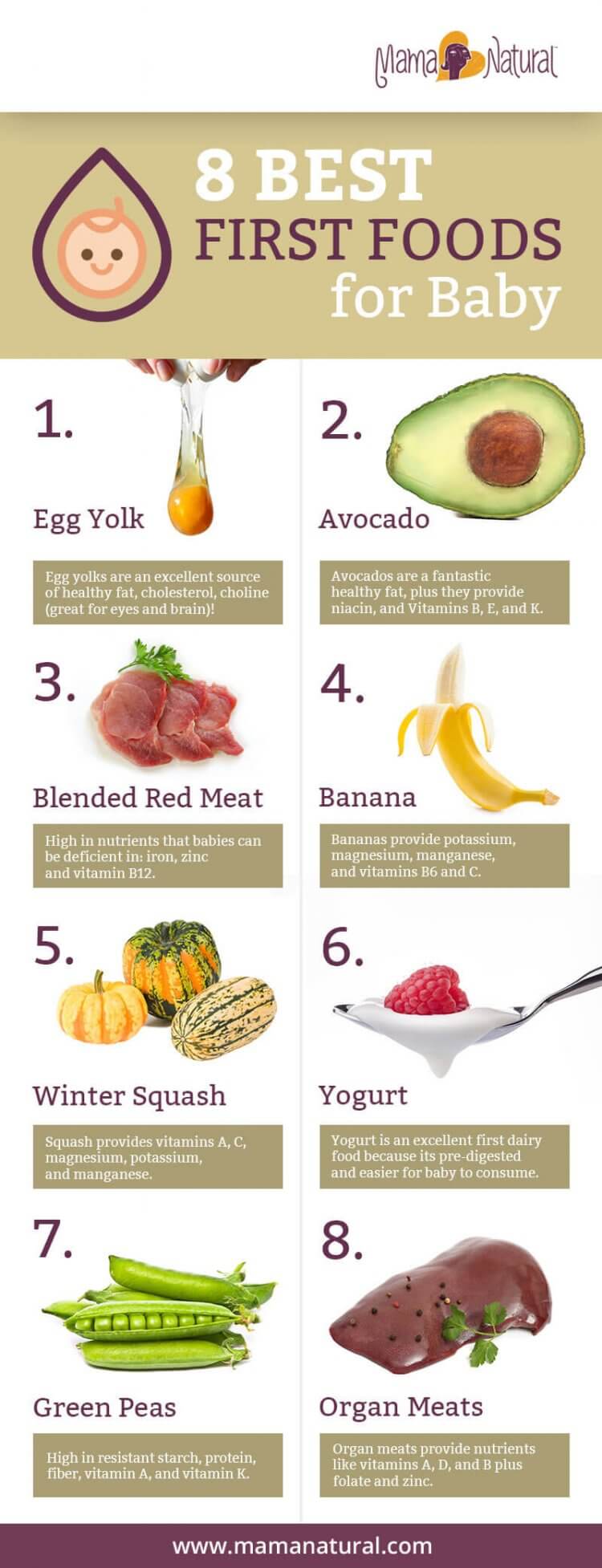
Once your baby shows readiness—sitting with support, showing interest in food—solid foods can boost calorie intake.
Start with Nutrient-Dense First Foods
Skip low-calorie rice cereal. Choose:
• Pureed meats (beef, chicken, turkey): rich in iron, zinc, and protein
• Avocado: full of healthy fats
• Full-fat yogurt: excellent source of fat and calcium
Thin with breast milk or formula to make swallowing easier and add extra calories.
Add One Food at a Time
• Introduce a single new food every 3 days
• Watch for allergy signs: rash, vomiting, diarrhea, swelling, or breathing trouble
• For low-risk babies, early introduction of peanut butter, eggs, and fish may reduce allergy risk
Delaying these foods may increase the chance of developing allergies.
Boost Calories with Healthy Additives
You can easily increase the energy in meals with simple kitchen ingredients.
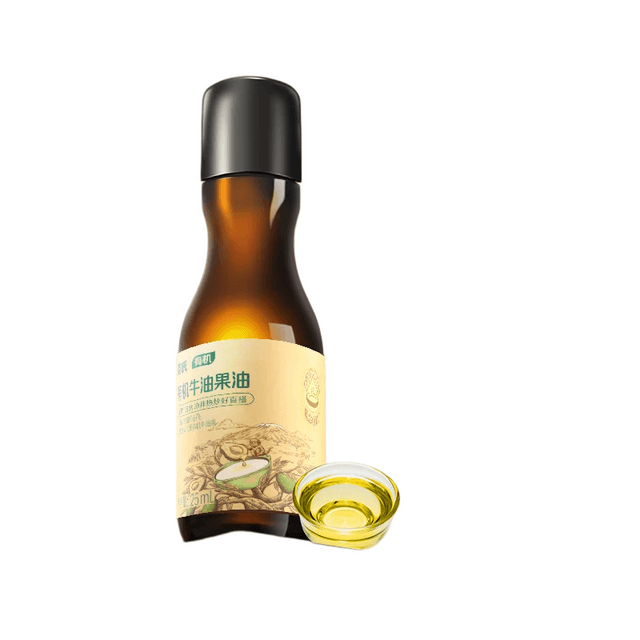
Add Healthy Oils to Purees
Start with ½ teaspoon per ¼ cup of food and gradually increase.
Best options:
• Canola oil
• Safflower oil
• Flaxseed oil
• Walnut oil
• Sunflower oil
These provide essential fatty acids for brain development and extra calories.
Tip: Stir into mashed sweet potatoes, oatmeal, or yogurt.
Use Full-Fat Dairy Products
After 6 months, include:
• Whole milk yogurt
• Soft cheeses like mozzarella balls or cheese curds
• Full-fat cottage cheese
Avoid cow’s milk as a drink before 12 months, but it’s safe when mixed into foods.
Make High-Calorie Homemade Baby Food
Homemade meals let you control ingredients and boost nutrition.
Batch Cook and Freeze for Convenience
• Cook large portions of meat, squash, or lentils
• Puree and portion into ice cube trays
• Freeze, then transfer to labeled bags
• Thaw one cube at a time
This saves time and ensures your baby gets high-quality, calorie-rich meals.
Share Feeding Goals with Daycare
If your baby eats outside the home:
• Bring your own fortified meals
• Ask caregivers to add oil or cheese to dishes
• Provide a written feeding plan approved by your pediatrician
Pro tip: Include reheating instructions and portion sizes.
Try These High-Calorie Baby-Friendly Recipes

Simple, nutrient-packed snacks support growth and motor skills.
Cheddar Cheese Puffs
Why it works: High in fat and protein, easy for babies to gum.
Ingredients:
– 1 cup flour
– 6 Tbsp chilled butter
– 2 tsp baking powder
– 1–3 Tbsp heavy cream
– 3 cups grated cheddar cheese
Steps:
1. Preheat oven to 350°F
2. Mix dry ingredients; cut in butter until crumbly
3. Add cream to form dough
4. Scoop into 1-teaspoon balls
5. Bake 15 minutes until golden
Serve: Cool completely. Store in airtight container for up to 5 days.
No-Bake Peanut Butter Balls
Why it works: Packed with calories, protein, and healthy fats.
Ingredients:
– ½ cup peanut butter
– ⅔ cup shredded coconut
– ⅓ cup maple syrup
– ½ cup flaxseed meal
– 1 tsp vanilla
– ⅓ cup mini chocolate chips
– 1 cup oats
Steps:
1. Mix all ingredients in a bowl
2. Chill 30 minutes
3. Roll into 1-inch balls
4. Store in fridge
Note: Only for babies 6+ months with no nut allergy concerns.
Sugar Plums
Why it works: Naturally sweet, high in fiber and energy.
Ingredients:
– ¾ cup toasted nuts or seeds
– ½ cup dried plums, apricots, cranberries, cherries
– ¼ cup maple syrup
– Zest of ½ orange
– ½ tsp cinnamon, ¼ tsp nutmeg
Steps:
1. Blend all in food processor until sticky
2. Roll into 1-inch balls (use gloves or cooking spray)
3. Chill and store in fridge
Great for: Self-feeding practice and calorie boost.
Prevent Choking and Allergies Safely
Introducing new textures requires caution.
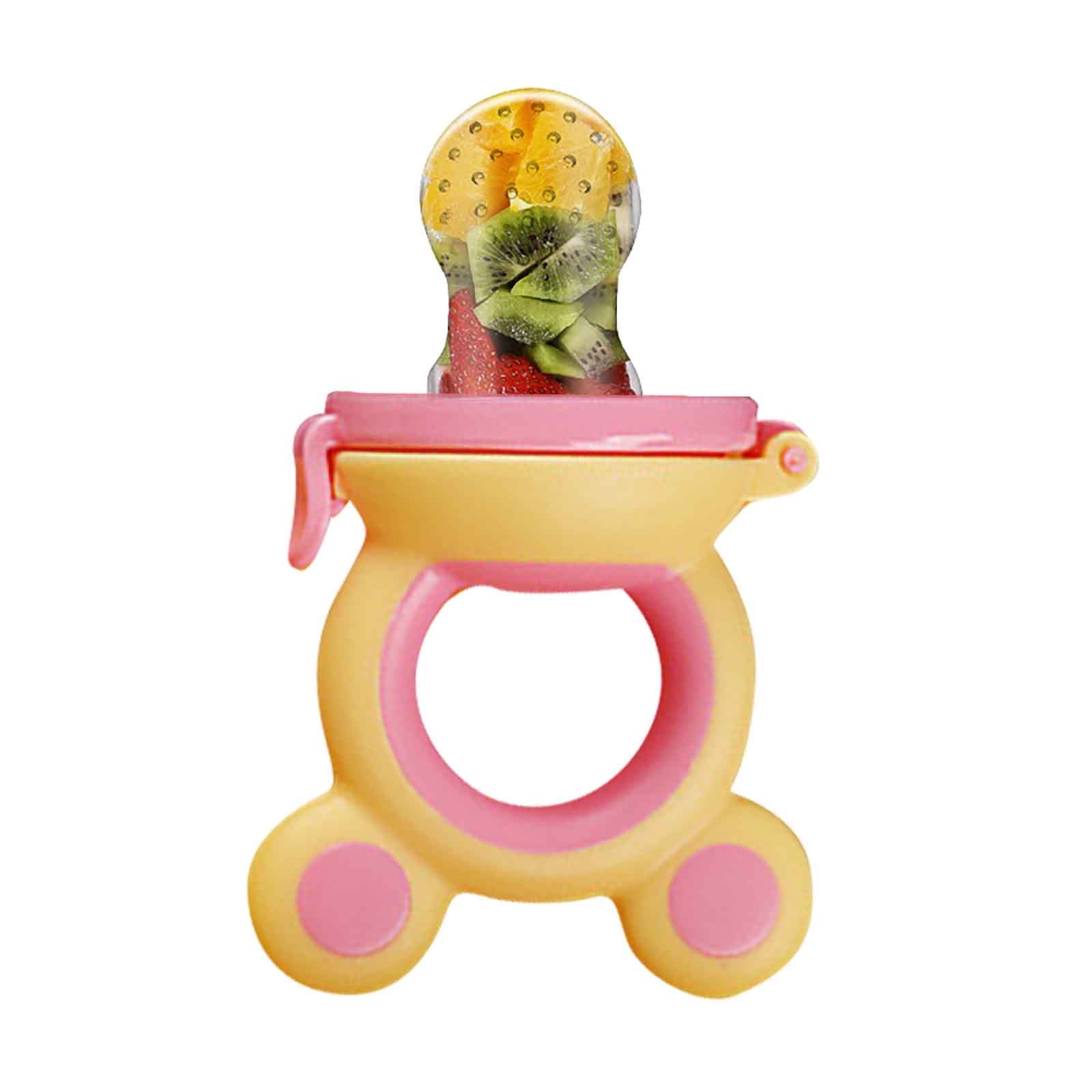
Use Mesh Feeders for Safe Exploration
Mesh bags let babies taste food without choking risk.
• Fill with soft fruit, avocado, or meat
• Supervise closely during use
• Wash and reuse
This supports oral development while keeping meals safe.
Limit Juice to 2 Ounces Per Day
Juice fills your baby up but offers little nutrition. Too much can cause:
• Poor appetite
• Diarrhea
• Tooth decay
Stick to breast milk, formula, or water as main drinks.
Monitor Growth and Know When to Seek Help
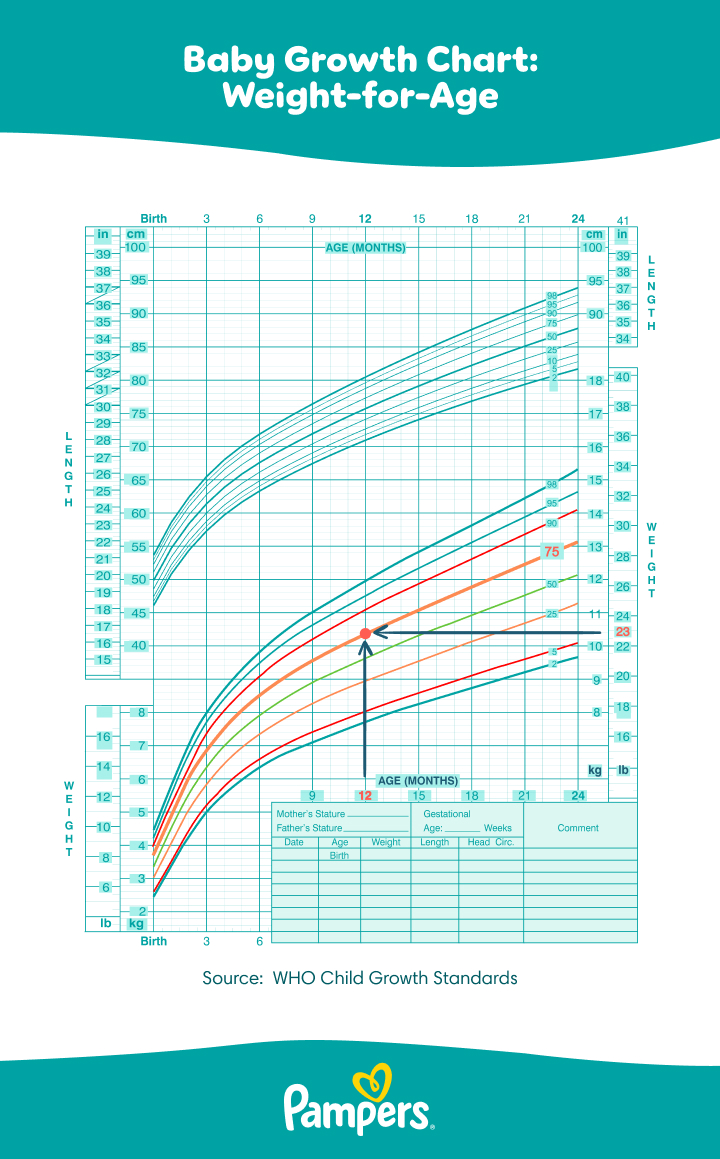
Tracking progress helps you stay on track and act early if needed.
Track Weight, Length, and Head Size Weekly
• Weigh your baby at home or clinic
• Plot on growth charts using corrected age for preemies
• Look for steady upward trend—even slow gain is progress
Red flag: No weight gain over 2 weeks.
Recognize Signs That Need Medical Attention
Contact your pediatrician if:
• Baby gains less than 0.5–1 oz per day after the first few weeks
• Feeding is painful or exhausting
• Frequent spitting up, arching, or crying during feeds (possible reflux)
• Weak suck or trouble swallowing (possible oral motor delay)
Rule Out Medical Causes Early
Conditions like GER, poor oral motor skills, or metabolic issues can affect weight gain. Early diagnosis leads to faster improvement.
Key Takeaways for Helping Your Baby Gain Weight
Most babies who start small catch up with consistent care. Focus on frequent feeds, high-calorie foods, and professional support. Track growth weekly, use proper feeding techniques, and don’t hesitate to ask for help. You’re doing an amazing job—every ounce gained is a victory.
Next step: Talk to your pediatrician or a lactation consultant to review your feeding plan and ensure your baby is on the right track.
Frequently Asked Questions About Helping Baby Gain Weight
How often should my baby eat to gain weight?
Feed every 2–3 hours, including overnight. Newborns typically need 8–12 feeds per day. Frequent feeding ensures your baby gets enough calories for steady growth.
What are the best high-calorie foods for babies?
Pureed meats, avocado, full-fat yogurt, cheese, and healthy oils like canola or flaxseed are excellent choices. These provide essential fats, protein, and nutrients for weight gain.
Can I add oil to my baby’s food?
Yes. Start with ½ teaspoon of canola, safflower, or walnut oil per ¼ cup of puree. These oils add calories and support brain development. Always introduce one new food at a time.
When should I worry about my baby’s weight gain?
If your baby gains less than 0.5–1 oz per day after the first few weeks, or shows no gain over two weeks, contact your pediatrician. Early intervention makes a big difference.
Is it safe to give my baby peanut butter?
Yes, for babies 6+ months with no eczema or family history of allergies. Thin peanut butter with water or puree to prevent choking. Early introduction may reduce allergy risk.
Can I make baby food ahead of time?
Yes. Cook and puree in batches, freeze in ice cube trays, and store in labeled bags. Thaw one portion at a time. Homemade food ensures quality and allows you to boost calories safely.





