
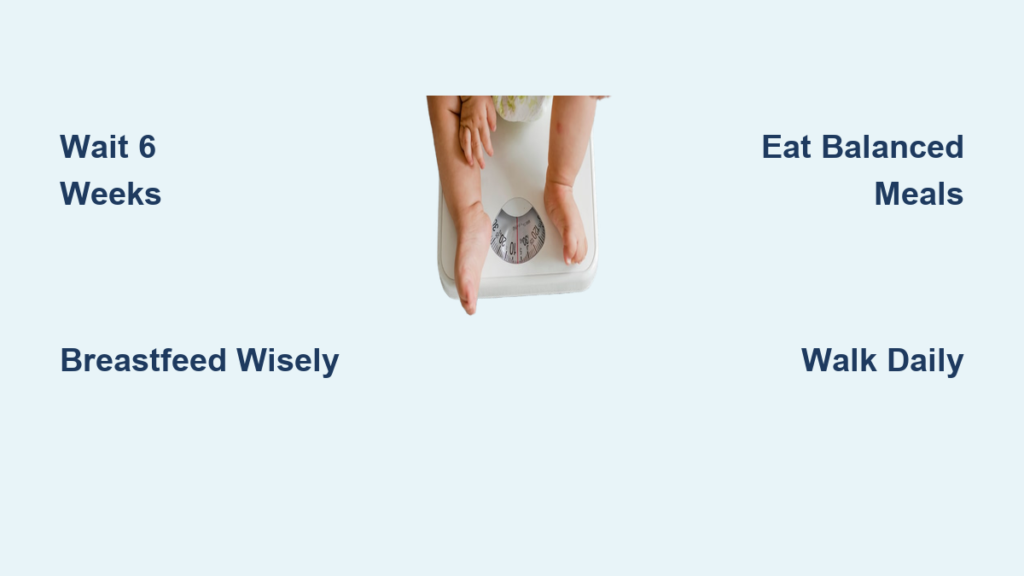
Losing baby weight is a top priority for many new moms, but doing it the right way matters more than speed. Most women naturally shed about half of their pregnancy weight within the first six weeks after delivery—thanks to the loss of the baby, placenta, and extra fluids. The rest, however, takes time, patience, and a balanced approach. Trying to rush the process can harm your recovery, especially if you’re breastfeeding. The good news? With smart eating, gentle movement, and realistic expectations, you can safely return to a healthy weight by 6 to 12 months postpartum.
Your body has just done something incredible—growing and delivering a baby—and it needs time to heal. Jumping into extreme diets or intense workouts too soon can delay recovery and affect your energy, mood, and milk supply. Instead, focus on nourishing your body, building strength gradually, and embracing the changes that come with motherhood. This guide walks you through science-backed steps to lose baby weight the healthy way, without sacrificing your well-being.
Wait Until Your Body Is Ready
Get Medical Clearance Before Starting
Do not begin any weight loss plan before your 6-week postpartum checkup. Whether you had a vaginal delivery or C-section, your body needs time to heal. Starting too early can lead to fatigue, injury, or complications. Always get approval from your healthcare provider before making changes to your diet or starting exercise.
Breastfeeding Moms: Delay Calorie Cutting
If you’re exclusively breastfeeding, avoid aggressive calorie reduction until your baby is at least 8 weeks old. This allows your milk supply to stabilize. Cutting calories too soon may reduce milk production and leave you feeling weak or irritable.
Set a Realistic Weight Loss Timeline
Aim to reach your pre-pregnancy weight between 6 and 12 months after giving birth. A safe and sustainable rate is 1.5 pounds per week once you’re cleared to begin. Rapid weight loss increases the risk of nutrient deficiencies and can interfere with breastfeeding.
Use Breastfeeding to Support Natural Weight Loss

How Nursing Burns Extra Calories
Breastfeeding burns 300–500 calories a day, helping you shed stored fat gradually. Your body uses energy from both food and fat reserves to produce milk, which often leads to noticeable weight loss—especially around the hips and thighs—over time.
Avoid Losing More Than 1.5 Pounds a Week
Fast weight loss while nursing can compromise your milk supply. Sticking to a slow, steady pace protects your baby’s nutrition and your own energy levels. Many women lose significant weight just by nursing consistently and eating balanced meals.
Eat Enough to Maintain Milk Production
Breastfeeding moms need about 500 extra calories daily. Focus on nutrient-dense foods such as:
• Whole grains like oats and brown rice
• Lean proteins including chicken, eggs, and legumes
• Fresh fruits and vegetables
• Healthy fats from avocados, nuts, and olive oil
Never drop below 1,800 calories a day to support both your health and your baby’s needs.
Fuel Your Body With Smart Nutrition

Never Skip Meals
With a newborn’s unpredictable schedule, it’s easy to miss meals. But skipping food slows your metabolism and drains your energy. Aim to eat every 3–4 hours to keep your blood sugar stable and support fat burning.
Choose Whole, Filling Foods
Prioritize foods that nourish you and help manage hunger:
• High-fiber foods like apples, broccoli, and whole grains—keep you full longer
• Lean protein such as fish, tofu, and turkey—preserves muscle during weight loss
• Hydrating foods including cucumbers, soups, and watermelon—help control appetite
Avoid sugary snacks and processed foods—they spike insulin and make fat loss harder.
Use Portion Control Instead of Strict Dieting
In the early postpartum months, focus on portion sizes rather than counting calories:
• Protein: size of your palm
• Carbohydrates: size of your fist
• Fats: size of your thumb
This method helps you eat enough without overdoing it, especially when sleep-deprived and stressed.
Avoid Crash Diets and Fad Plans
Why Extreme Diets Backfire
Crash diets or trendy eating plans may cause quick weight loss, but most of it is water weight. Once you resume normal eating, the pounds return—and often with extra. These diets also lack essential nutrients needed for recovery and breastfeeding.
Prevent Muscle Loss
Very low-calorie diets force your body to burn muscle instead of fat. Since muscle burns more calories at rest, losing it slows your metabolism. This makes future weight loss more difficult and increases the chance of regaining weight.
Break the Yo-Yo Cycle
Women who lose weight too quickly postpartum are more likely to regain it. Sustainable habits beat short-term fixes. Focus on building routines you can maintain long-term, not quick results that disappear.
Start Moving With Low-Impact Exercise
Begin With Daily Walks
You don’t need intense workouts to start. A 10- to 15-minute walk with your baby in the stroller is a perfect first step. Gradually build up to 30 minutes most days.
Walking improves circulation, supports recovery, and burns calories without straining your body.
Add Light Strength Training
Once cleared by your doctor, try light strength exercises 2–3 times a week:
• Bodyweight squats
• Wall push-ups
• Pelvic floor exercises (Kegels)
• Gentle core activation (abdominal bracing)
Building muscle boosts your resting metabolism, helping you burn more calories even when resting.
Pay Attention to Warning Signs
Stop and rest if you feel pain, dizziness, or extreme fatigue. Postpartum exercise should feel manageable, not exhausting. Focus on consistency, not intensity.
Set Kind and Achievable Body Goals
Accept Permanent Physical Changes
Pregnancy changes your body in lasting ways—your hips may be wider, your waist slightly larger, and your belly softer. These changes helped you carry and deliver your baby.
Instead of chasing your pre-pregnancy body, aim for strength, energy, and health.
Track Progress Beyond the Scale
Rather than fixating on numbers, notice:
• More energy during the day
• Clothes fitting better
• Easier movement
• Improved mood
These are real signs of progress.
Celebrate Non-Scale Victories
• Carrying your baby without getting winded
• Walking up stairs without stopping
• Feeling confident in your skin
These wins matter more than any number on the scale.
Build Habits That Last
Make Small, Consistent Changes
Big results come from small daily choices:
• Park farther from the store
• Take the stairs instead of the elevator
• Drink a glass of water before meals
• Prep healthy snacks in advance
Each choice adds up over time.
Prioritize Rest When You Can
Lack of sleep increases hunger hormones (ghrelin) and decreases fullness hormones (leptin). While newborns disrupt sleep, try to nap when your baby naps and ask for help at night if possible.
Find Support That Works for You
Talk to other moms, join a postpartum fitness group, or consult a registered dietitian. Emotional and practical support increases your chances of long-term success.
Track Progress the Right Way

Weigh Yourself Weekly
Weigh no more than once a week. Daily fluctuations are normal and can be discouraging. Use the same scale, at the same time of day, and in similar clothing for accurate comparisons.
Take Monthly Progress Photos
Sometimes the scale doesn’t move, but your body is changing. Take front and side photos every 4 weeks in the same lighting and outfit to see visual progress.
Measure With a Tape
Your waist, hips, and thighs may slim down even if weight stays the same. Measure every 3–4 weeks to track fat loss and celebrate inch loss.
Know When to Seek Professional Help
If Weight Loss Stops
If you’re eating well and active but not losing weight after 2–3 months, talk to your doctor. Hormonal issues like thyroid problems or PCOS can affect postpartum weight loss.
Watch for Emotional Warning Signs
Feeling sad, overwhelmed, or disconnected from your baby could signal postpartum depression. Weight struggles can worsen emotional health. Seek help early from your provider or a mental health professional.
Work With a Specialist
A registered dietitian or postpartum fitness coach can create a personalized plan that fits your lifestyle, health needs, and goals—especially if you’re breastfeeding or recovering from a C-section.
Frequently Asked Questions About Losing Baby Weight
How soon can I start losing baby weight?
Wait until your 6-week postpartum checkup before starting any weight loss plan. If you’re breastfeeding, delay aggressive calorie cutting until your baby is at least 8 weeks old to protect your milk supply.
Does breastfeeding help you lose weight?
Yes. Breastfeeding burns 300–500 extra calories a day and uses stored fat to produce milk. Many women lose weight naturally over time while nursing, especially when combined with healthy eating and light exercise.
How much weight should I lose each week?
Aim for about 1.5 pounds per week once you’re ready. This pace is safe, sustainable, and unlikely to affect your milk supply or energy levels.
Can I exercise right after giving birth?
Not immediately. Wait for your doctor’s approval, usually at your 6-week checkup. Start with gentle activities like walking, then slowly add strength training as your body heals.
Why am I not losing weight even though I’m breastfeeding?
Several factors can stall weight loss, including lack of sleep, high stress, calorie intake, or underlying conditions like thyroid issues. If progress stalls after 2–3 months, talk to your doctor.
Is it normal to keep some postpartum weight?
Yes. Many women retain a few extra pounds or notice lasting changes like a softer belly or wider hips. Focus on health and strength rather than returning to your exact pre-pregnancy shape.
Key Takeaways for Healthy Postpartum Weight Loss
Losing baby weight isn’t about bouncing back—it’s about moving forward with a stronger, healthier version of yourself. By eating nourishing foods, moving gently, breastfeeding if possible, and setting kind goals, you’ll not only shed pounds but also build lasting wellness.
Focus on progress, not perfection. Celebrate small wins, listen to your body, and give yourself the same patience and care you give your baby. With time and consistency, you’ll feel stronger, more energized, and confident in your postpartum body.





