
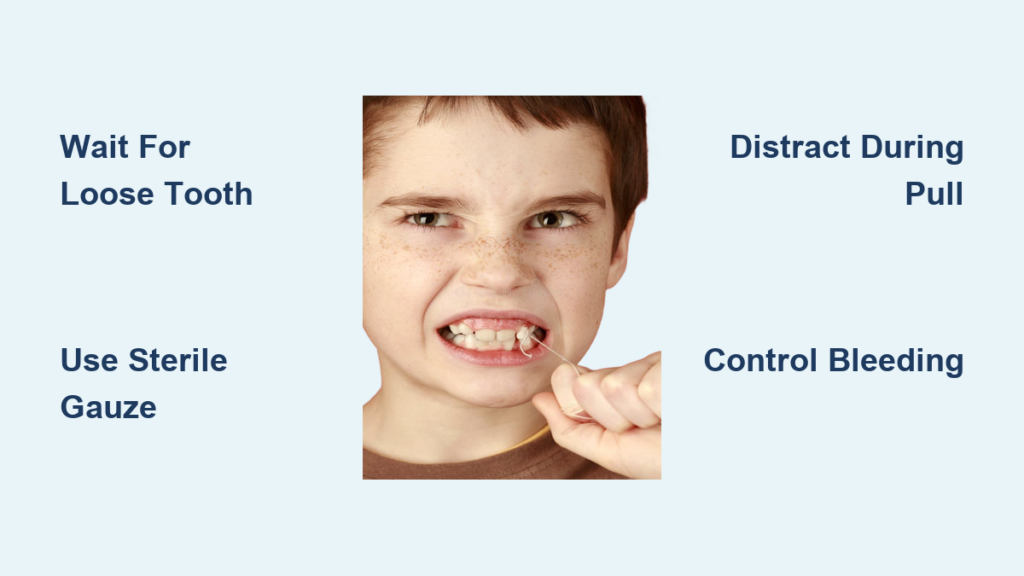
A wiggly baby tooth is a sign of growth, but when it refuses to fall out, it can cause discomfort and frustration. Many children experience mild pain or anxiety when a loose tooth lingers too long, making mealtime or speaking difficult. As a parent, knowing how to pull a baby tooth without pain gives you the tools to help your child safely and gently. With the right timing and technique, you can turn this milestone into a calm, even fun, experience—without tears or trauma.
This guide walks you through proven, dentist-approved methods to remove a loose baby tooth at home. You’ll learn how to tell when a tooth is ready, the safest tools to use, and how to minimize fear and bleeding. From emotional preparation to aftercare, every step is designed to keep your child comfortable and confident. Whether you’re dealing with a stubborn tooth or just want to be prepared, these strategies ensure a smooth, pain-free process.
Confirm the Tooth Is Ready to Come Out
Pulling a baby tooth too early can cause pain, bleeding, and tissue damage. Always check for readiness before attempting removal.
Perform a Gentle Wiggle Test
Have your child wiggle the tooth with their tongue or clean fingers. If it moves freely in all directions—side to side, front to back—it’s likely ready. Avoid forcing movement. If the tooth feels tight or causes pain when touched, wait a few more days.
Look for These Readiness Signs
• Moves easily with minimal pressure
• No pain or discomfort when touched
• Gums appear slightly pulled back from the tooth
• Permanent tooth is starting to emerge behind or beneath it
Nature usually takes care of the process. Let the tooth loosen fully before stepping in.
Calm Your Child’s Fears First
Anxiety can make a painless process feel scary. Helping your child stay relaxed is just as important as the physical removal.
Use Reassuring, Positive Language
Avoid words like “pull,” “rip,” or “hurt.” Instead, say:
• “Let’s help your tooth say goodbye”
• “We’re making room for your big kid tooth”
• “Your tooth is ready for its Tooth Fairy journey”
Positive framing reduces fear and builds excitement.
Let Your Child Choose the Method
Give them control by offering options:
• Use gauze for a quick pull
• Try the string-and-door trick
• Wiggle it out during playtime
When kids feel involved, they’re more cooperative and less likely to panic.
Use Safe, Effective Tools
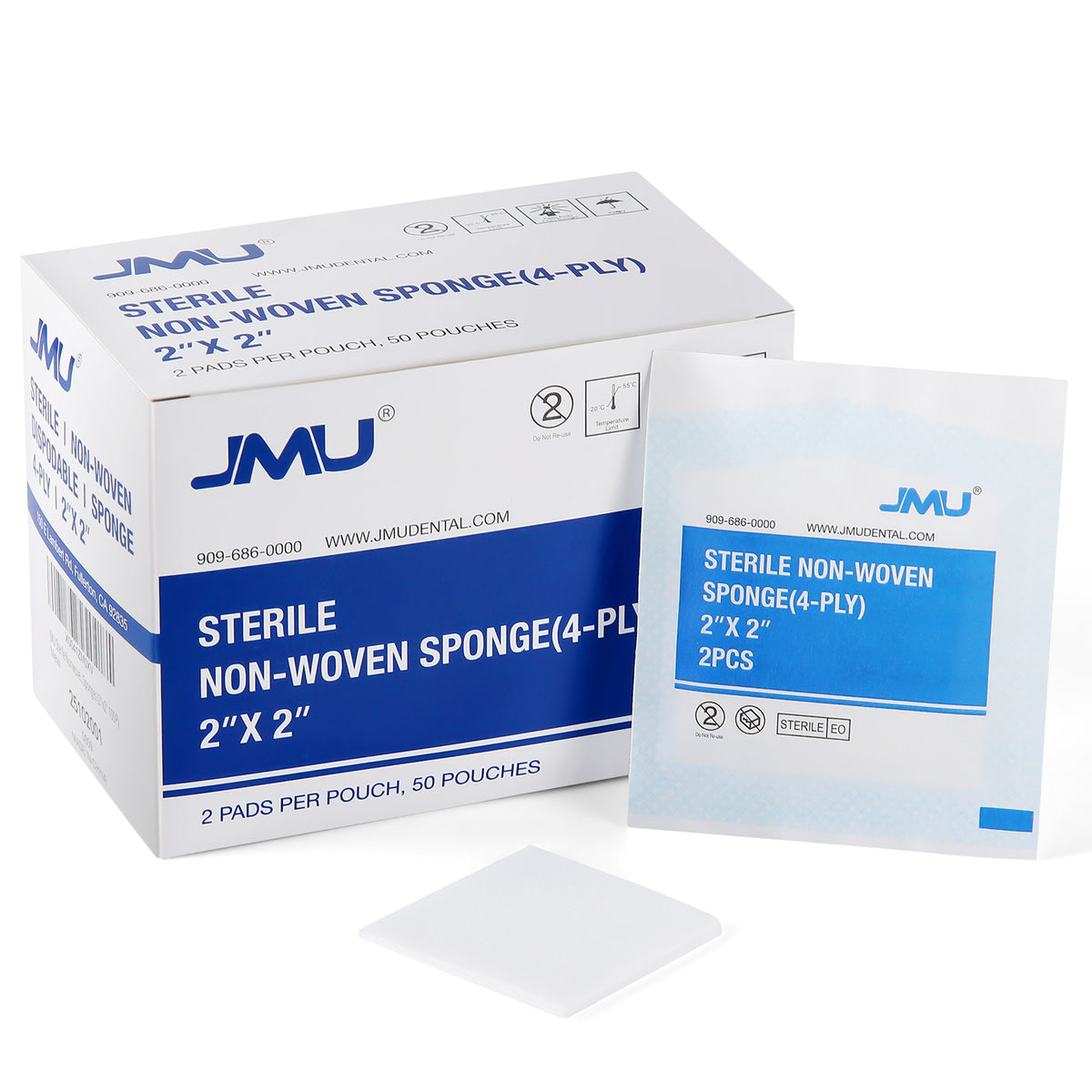
The right tools make removal quick and clean. Always use sterile materials to prevent infection.
Sterile Gauze Method (Most Reliable)
This is the go-to method for parents and dentists alike.
Step-by-Step:
- Fold a piece of sterile gauze into a small pad
- Wrap it around the loose tooth for a firm grip
- Apply a quick, steady tug—no jerking
- Place fresh gauze on the socket and have your child bite down
Gauze provides better control than fingers and reduces slipping.
Dental Floss Technique (For Nearly Detached Teeth)
Only use this if the tooth is barely hanging on.
How to Do It:
- Tie a small knot in the center of a piece of floss
- Loop the knot around the tooth
- Hold both ends and pull upward in one swift motion
This method works best when the tooth has almost no resistance.
Try the String-and-Door Trick
A fun, time-tested method that distracts your child and uses consistent force.
How to Do the Door Pull Safely
- Tie one end of a cotton string around the tooth
- Tie the other end to a sturdy doorknob
- Have your child stand back and close the door quickly
- The tooth should release instantly
The surprise element prevents bracing, which reduces perceived pain.
Important Safety Tips
• Use soft cotton string—never wire or fishing line
• Ensure the door closes smoothly, not with a slam
• Supervise closely to prevent tripping or falls
Many kids love this method because it feels like a magic trick.
Distract During the Pull
Distraction reduces pain perception and keeps your child calm.
Combine Removal With Fun Activities
Have your child:
• Sing a favorite song
• Watch a short video on a tablet
• Blow bubbles—this increases mouth pressure and can help dislodge the tooth
The act of blowing can naturally push the tooth out.
Use a Misdirection Pull
If using gauze, count “One, two…”—and pull on “two.” This prevents tensing up and makes the process feel painless.
Handle Bleeding the Right Way

Some bleeding is normal, but it should stop within minutes.
Stop Bleeding With Proper Pressure
- Fold a clean gauze pad into a small square
- Place it directly over the socket
- Ask your child to bite down gently for 10–15 minutes
Do not use tissues or paper towels—they can stick and restart bleeding.
Avoid These Aftercare Mistakes
• Drinking hot liquids for 1–2 hours
• Spitting or rinsing hard
• Touching the area with fingers or tongue
These actions can dislodge the blood clot and delay healing.
Soothe Soreness After Removal
Even a painless pull may leave mild discomfort.
Use a Cold Compress
Wrap an ice pack in a thin cloth and apply it to the outside of the cheek for 10 minutes at a time. This reduces swelling and numbs any ache.
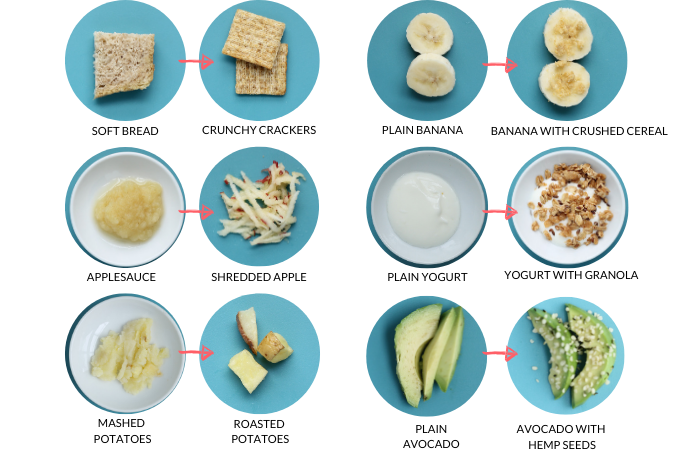
Stick to Soft Foods
Offer gentle options like:
• Yogurt
• Applesauce
• Smoothies
• Mashed potatoes
Avoid crunchy, spicy, or acidic foods for at least 24 hours.
Use Pain Relief Only If Needed
For mild pain:
• Give age-appropriate acetaminophen (Tylenol)
• Never use aspirin—it can cause serious complications in children
Most soreness fades within a few hours.
Keep the Area Clean to Prevent Infection
Good oral hygiene supports fast healing.
Resume Brushing Carefully
Wait 24 hours before brushing near the socket. After that, use a soft-bristled toothbrush and clean gently around the area.
Use Salt Water Rinse (For Ages 6+)
Help reduce bacteria and soothe gums:
1. Mix ½ teaspoon of salt in 8 oz of warm water
2. Swish gently for 30 seconds after meals
3. Repeat 2–3 times daily for two days
This natural rinse speeds recovery.
Know When to See a Dentist
Some situations require professional care instead of home removal.
Watch for These Warning Signs
• Tooth is loose but painful to touch
• Swollen, red, or pus-filled gums
• Permanent tooth coming in behind the baby tooth
• Baby tooth not loosening by age 7–8
• Bleeding lasts longer than 30 minutes
These could indicate infection or impaction.
When to Choose a Dentist Over Home Removal
If your child is anxious, the tooth resists pulling, or you’re unsure about timing, see a pediatric dentist. They use numbing gel and sterile tools to make extraction completely painless.
Make It a Joyful Memory
Turn tooth loss into a celebration your child will remember.
Start a Tooth Fairy Tradition
• Place the tooth under the pillow
• Leave a small note or gift from the Tooth Fairy
• Offer a book, sticker, or toy as a reward
Positive reinforcement reduces fear of future tooth loss.
Take a Before-and-After Photo
Capture your child’s smile with and without the tooth. It’s a keepsake they’ll love looking back on.
Key Takeaways for Pulling a Baby Tooth Without Pain
Removing a baby tooth at home can be quick and painless when done right. Wait until the tooth is very loose, use sterile tools like gauze or floss, and distract your child during the pull. After removal, control bleeding with pressure, avoid irritating foods, and keep the area clean. Most importantly, make the experience positive—celebrate the milestone to build confidence.
If you’re ever unsure or notice signs of infection, consult a pediatric dentist. For most cases, though, with patience and the right approach, you can help your child lose a tooth safely, comfortably, and even joyfully.
Frequently Asked Questions About Pulling a Baby Tooth
Is it safe to pull a baby tooth at home?
Yes, if the tooth is very loose and moves easily in all directions. Wait until it’s ready—pulling too early can cause pain and bleeding. When in doubt, consult a dentist.
How do I know if my child’s tooth is ready to come out?
The tooth should wiggle freely with no pain. Other signs include visible permanent tooth growth, receding gums, and no resistance when touched.
What is the least painful way to pull a baby tooth?
Use the gauze method with a quick, steady tug while distracting your child. The string-and-door trick also works well because the surprise reduces anticipation of pain.
How long does bleeding last after pulling a baby tooth?
Light bleeding is normal and should stop within 15–30 minutes. Apply gauze and have your child bite down gently. If bleeding continues beyond 30 minutes, contact a dentist.
Can I use pliers to pull my child’s tooth?
No. Never use pliers or unsterilized tools. They can damage gums, cause infection, or break the tooth. Use clean gauze, floss, or visit a dentist for safe removal.
What should my child eat after losing a tooth?
Stick to soft, cool foods like yogurt, applesauce, and smoothies for the first 24 hours. Avoid hot, spicy, or crunchy foods to protect the healing socket.





