
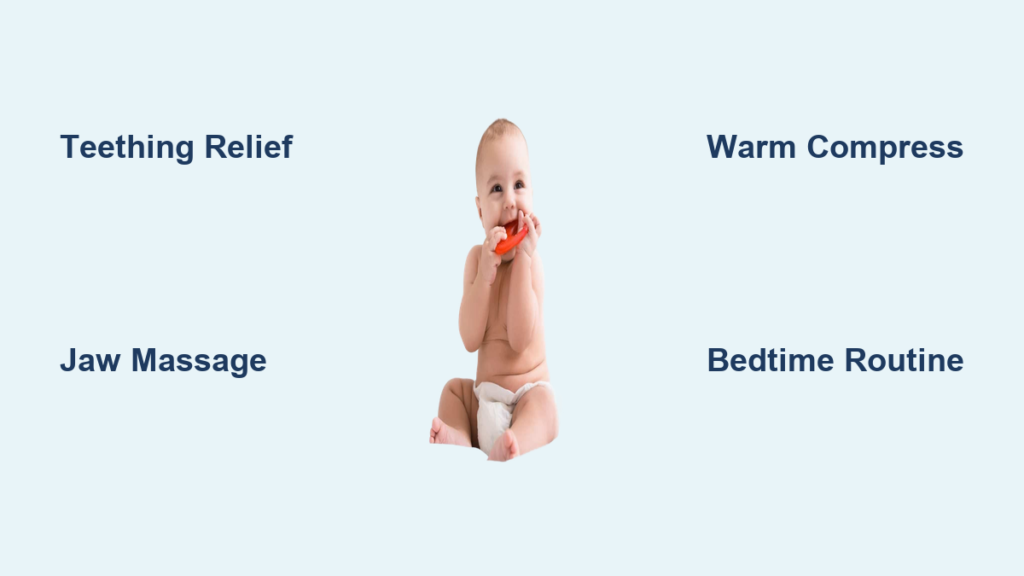
If you’ve ever heard your baby grinding their teeth during sleep or while playing, you’re not alone. Teeth grinding in babies, also known as bruxism, is surprisingly common—especially between 8 and 18 months of age. While it can be alarming to hear that grating sound, most infants outgrow it naturally as they develop better jaw control. For many, it’s simply a response to teething or sensory exploration. But if your baby grinds loudly, frequently, or shows signs of discomfort, it’s worth understanding the root causes and knowing when to take action.
This guide gives you practical, parent-tested strategies to help reduce baby teeth grinding, ease pain, and protect your child’s developing smile. Whether your baby is grinding due to teething, muscle tension, or a neurodevelopmental condition like Cerebral Palsy, you’ll learn how to identify triggers, apply safe relief methods, and know when to involve a pediatric dentist or therapist. With the right approach, you can support your baby’s comfort and oral health—without unnecessary stress.
Identify the Real Reason Behind the Grinding
Before trying solutions, figure out why your baby is grinding. The cause determines the best response. While occasional grinding is normal, persistent or forceful clenching may signal discomfort or an underlying issue.
Is Your Baby Teething?
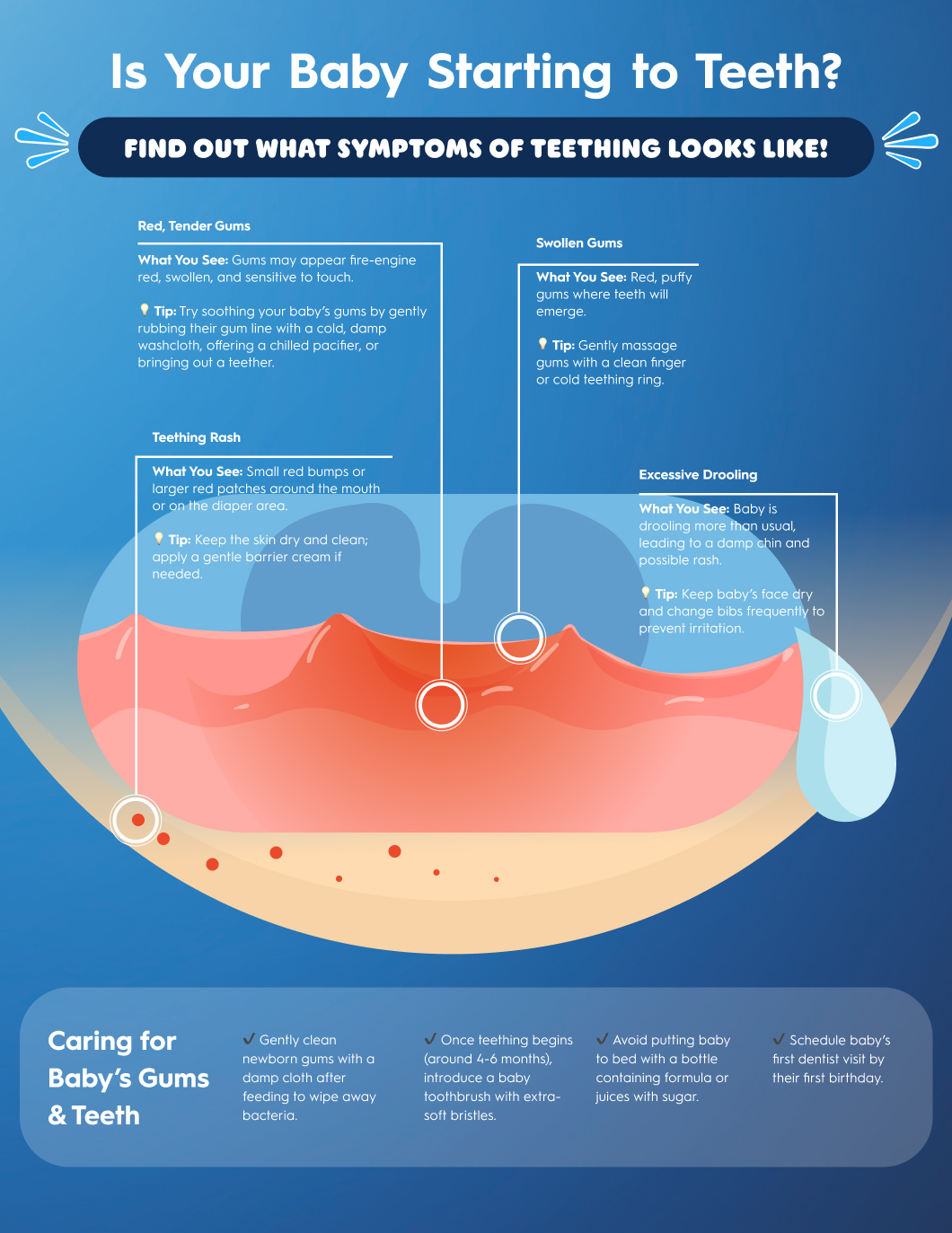
Teething is the most common reason for grinding in babies around 8–12 months old. As new teeth push through the gums, babies may grind to relieve pressure. Look for these signs:
– Excessive drooling
– Chewing on fingers or toys
– Swollen, red gums
– Fussiness, especially at night
Teething-related grinding is usually rhythmic and happens more when awake. It tends to fade once the tooth erupts. If this matches your baby’s behavior, it’s likely temporary and not harmful.
Could Jaw or Muscle Tension Be the Cause?
Some babies grind due to tight jaw muscles, especially those with conditions like Cerebral Palsy. This type of grinding is often stronger and occurs during sleep. Watch for:
– Clenched jaw during the day
– Stiffness in facial muscles
– Limited mouth opening
In children with spastic diplegia or athetoid CP, increased muscle tone can cause involuntary grinding. It may not hurt, but over time, it can wear down tooth enamel.
Are Medical or Environmental Factors Involved?
Even in infants, certain triggers can contribute:
– Sleep disruptions: Inconsistent routines or screen exposure before bed may increase grinding.
– Acid reflux (GERD): Stomach acid can irritate the throat and gums, leading to jaw clenching.
– Misaligned teeth or bite: Even in toddlers, crooked teeth can cause grinding.
If grinding started suddenly or worsens, talk to your pediatrician to rule out reflux, allergies, or neurological concerns.
Use Immediate Relief Techniques for Discomfort
When your baby is grinding due to teething or jaw tension, fast-acting comfort methods can reduce the urge to clench. These safe, proven strategies soothe gums and calm the jaw.
Offer Safe, Chilled Teething Tools
Give your baby something cool and safe to chew on:
– Chilled (not frozen) teething rings
– BPA-free textured teething toys
– Cold washcloth: Fold, chill for 15–20 minutes, and let baby gnaw gently
⚠️ Never use frozen items—they can harm delicate gum tissue. Avoid small or hard objects that could be a choking hazard.
Massage Gums to Relieve Pressure
Use a clean finger to apply light pressure on sore gums. This:
– Soothes teething pain
– Distracts from grinding
– Encourages jaw relaxation
Massage for 30–60 seconds, especially before naps or bedtime.
Apply Warm Compresses for Muscle Tension
If grinding seems linked to tight muscles, a warm compress on the jaw can help:
– Soak a soft cloth in warm (not hot) water
– Wring it out and hold against the jaw for 2–3 minutes
– Repeat once or twice daily, especially before bed
This relaxes tense muscles and may reduce nighttime grinding, especially in children with CP.
Practice Daily Jaw Relaxation Exercises
For babies with ongoing grinding—particularly those with developmental conditions—gentle jaw exercises can improve muscle control and reduce clenching over time.
Try Gentle Jaw Stretches
Recommended by occupational therapists, these slow movements improve jaw mobility:
1. Support your baby’s head and neck.
2. Gently guide their mouth open (like a yawn) using your thumb and finger.
3. Hold for 2–3 seconds, then release slowly.
4. Repeat 3–5 times, once or twice a day.
Do this during calm moments, not when your baby is upset. One parent of a 2-year-old with hemiplegic CP saw improvement after consistent use.
Massage Jaw Muscles for Tension Relief
Focus on the jaw joints (just in front of the ears) and the muscles under the chin:
– Use light, circular motions
– Apply gentle pressure for 1–2 minutes
– Pair with soothing words or lullabies
This helps release tension and may reduce grinding, especially when done before sleep.
Teach the Resting Jaw Position
Ask your pediatric dentist or therapist to show you the “resting jaw position”:
– Teeth slightly apart
– Tongue on the roof of the mouth
– Lips closed, jaw relaxed
Practice this during the day. For older babies, gently guide their jaw into this position before bed to build muscle memory.
Create a Calm Sleep and Sensory Routine
Grinding often gets worse at night. A predictable, low-stimulation bedtime routine can help your baby relax their jaw and sleep more peacefully.
Stick to a Soothing Bedtime Routine
Consistency signals it’s time to wind down. Include:
– Warm bath
– Quiet time with books or soft music
– Dim lights 30 minutes before bed
One parent reported their 18-month-old’s grinding dropped significantly after starting this routine.
Cut Screen Time Before Bed
Blue light from screens can overstimulate the brain and trigger grinding. Avoid all screens (TV, tablets, phones) at least 1 hour before bedtime.
Design a Sensory-Friendly Sleep Space
For babies with sensory sensitivities—especially those with CP—overstimulation can lead to grinding. Try:
– Soft, breathable bedding
– White noise machine to block sudden sounds
– Weighted sleep sack (if approved by a therapist)
A “sensory diet” with chewy toys during the day may also help regulate oral input and reduce nighttime grinding.
Know When to See a Pediatric Dentist or Therapist
Most babies stop grinding by age 2–3. But if it’s loud, painful, or causing tooth damage, professional help is important.
Watch for These Warning Signs
See a pediatrician or dentist if your baby:
– Grinds loudly and frequently
– Shows signs of tooth wear (flattened edges, shiny spots)
– Has jaw pain, popping, or trouble eating
– Complains of earaches or headaches (in older toddlers)
– Grinds beyond age 5
Persistent grinding after age 5 may indicate stress, sleep disorders, or bite issues.
Schedule a Dental Check-Up
A pediatric dentist can:
– Check for enamel damage
– Assess bite alignment
– Rule out reflux or oral health problems
– Recommend a soft night guard if needed
Some dentists say nothing can be done at 8 months, while others prescribe guards for toddlers as young as 18 months—depending on severity.
Consult a Therapist for Ongoing Issues
For children with Cerebral Palsy or developmental delays:
– Occupational therapists can teach jaw relaxation techniques
– Oral motor therapists address muscle coordination
– Sensory integration therapy helps regulate oral input
One parent of a 3-year-old with athetoid CP found that warm compresses, chewy toys, and therapy reduced grinding over time.
Consider Protective Dental Devices
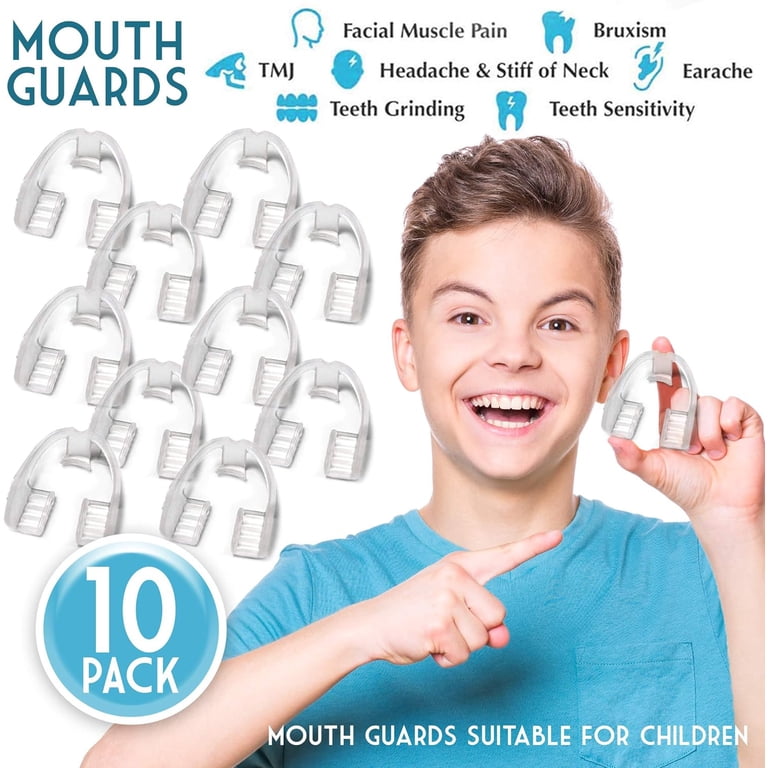
If grinding is causing tooth wear or sleep disruption, protective options may be recommended—especially for high-risk children.
Use a Soft Night Guard (If Approved)
A soft night guard acts as a cushion between upper and lower teeth, preventing enamel damage. It’s not common for infants, but may be advised for:
– Toddlers with severe grinding
– Children with CP or high muscle tone
– Cases with visible tooth wear
Ensure the guard is:
– Custom-fitted by a pediatric dentist
– Made of safe, BPA-free materials
– Cleaned daily and checked for wear
⚠️ Never use adult mouthguards—they don’t fit properly and can be a choking hazard.
Explore Custom Splints for Special Needs
For children with neurodevelopmental conditions, a custom splint may work better than over-the-counter guards. These are molded to the child’s mouth for better comfort and protection.
Work with a pediatric dentist experienced in special needs care to decide if this is right.
Support Long-Term Progress and Comfort
Most babies outgrow grinding. But you can help speed up the process and prevent complications with gentle, consistent care.
Combine Multiple Strategies
Parents see the best results when using a mix of techniques, such as:
– Gum massage + cold teething toys
– Jaw stretches + calming bedtime routine
– Warm compress + sensory chew toys
One mother of a 2-year-old with CP found that gentle jaw massage and less screen time made the biggest difference.
Track What Works
Keep a simple log for a few weeks:
– Time and frequency of grinding
– Signs of pain or tooth changes
– Which strategies you used
This helps you see patterns and gives useful info to doctors or dentists.
Stay Patient and Consistent
Improvement may be slow. Even in children with CP, grinding often lessens over time, though it may return during growth spurts or illness. Focus on comfort, protection, and routine—not perfection.
Key Takeaways for Managing Baby Teeth Grinding
Teeth grinding in babies is usually a temporary, self-limiting behavior that fades as they grow. For most, it’s linked to teething or developmental exploration and doesn’t need treatment. But if grinding is frequent, forceful, or causing discomfort, proactive care can help. Use safe teething relief, practice jaw relaxation, and create a calming sleep environment. For children with Cerebral Palsy or other conditions, work with therapists and dentists to manage symptoms effectively.
The key is knowing when to act and when to wait. With patience and the right support, your baby will likely outgrow grinding—while keeping their smile healthy and pain-free.
Frequently Asked Questions About Baby Teeth Grinding
Does baby teeth grinding go away on its own?
Yes, in most cases. Many babies grind teeth between 8 and 18 months due to teething or jaw development. The behavior usually decreases after 12–18 months and resolves by age 2–3 as jaw control improves.
Can grinding damage my baby’s teeth?
If grinding is frequent and forceful, it can wear down enamel, flatten teeth, or cause jaw pain over time. Occasional grinding is unlikely to cause harm, but monitor for shiny or flattened tooth edges and consult a dentist if you notice changes.
Is teeth grinding linked to Cerebral Palsy?
Yes, bruxism is common in children with Cerebral Palsy due to increased muscle tone, oral motor challenges, and sensory regulation issues. It’s often managed with jaw exercises, warm compresses, and protective dental devices.
What can I do if my baby grinds teeth at night?
Try a calming bedtime routine, reduce screen time before bed, use a warm compress on the jaw, and consider gentle jaw massage. If grinding is severe, talk to your pediatric dentist about a soft night guard.
When should I take my baby to the dentist for teeth grinding?
See a dentist if grinding is loud and frequent, your baby shows signs of tooth wear or jaw pain, or it’s disrupting sleep or eating. Early evaluation helps prevent long-term damage.
Are mouth guards safe for toddlers?
Yes, soft night guards prescribed by a pediatric dentist are safe for toddlers as young as 18 months if grinding is causing tooth wear. Always use a custom-fitted, BPA-free guard—never an adult mouthguard.





