
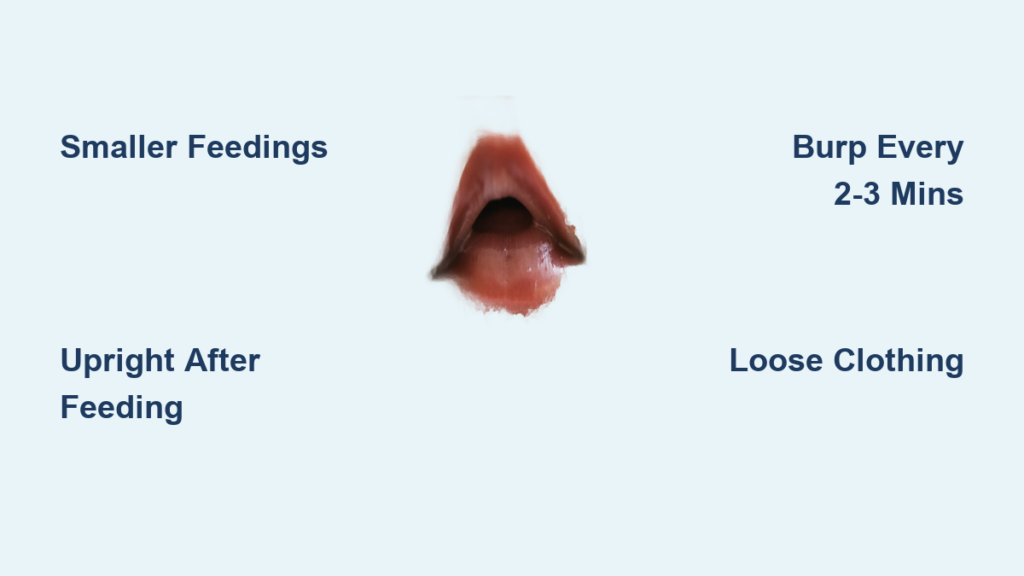
If your baby frequently spits up after feedings, you’re not alone—about half of all infants do it. Spitting up, also known as reflux, is a normal part of infancy for most babies. It happens when small amounts of milk flow back from the stomach into the esophagus or out the mouth. While it can be messy and worrying, most babies are “happy spitters”—they gain weight well, stay content, and outgrow it by 12 months.
The good news? You can significantly reduce spit up with simple, science-backed changes to feeding and positioning. Overfeeding is the top trigger, but adjusting meal size, burping smartly, and keeping your baby upright after feeds make a big difference. This guide walks you through proven strategies to prevent baby spit up, when to worry, and how to tell normal reflux from something more serious.
Feed Smaller, More Frequent Meals
Reduce Feeding Amounts
Smaller feedings are the most effective way to cut down on spit up. A full stomach increases pressure, making it easier for milk to flow back up. For bottle-fed babies, try giving 1 ounce (30 mL) less than usual per feeding. This simple step reduces the risk of overflow without affecting nutrition.
Breastfed babies benefit too. If your milk supply is strong, nurse on one breast per feeding and pump the other to maintain supply. Alternate sides at each feed to keep balance. This prevents overfilling the baby’s stomach while supporting milk production.
Space Feedings Properly
Let your baby’s stomach empty fully between meals. Wait at least 2 hours for breastfed infants and 2½ hours for formula-fed babies before the next feeding. The stomach takes about 1.5 to 2 hours to empty—adding more milk too soon overfills it, increasing spit up risk.
Avoid feeding on a strict schedule if your baby isn’t showing hunger cues. Watch for signs like rooting, sucking on hands, or fussing. Feed when your baby shows interest, not because it’s “time.”
Stop Overfeeding Your Baby
Recognize Fullness Cues
Overfeeding is a leading cause of spit up. Babies don’t always know when to stop, especially with bottles where milk flows faster. Watch for natural pauses during feeding—turning the head away, closing the mouth, or falling asleep. These are signs your baby may be full.
Never force your baby to finish a bottle. If they pull off or lose interest, it’s okay to stop. Breastfed babies self-regulate better, but even they can take in too much if oversupply is an issue.
Avoid Top-Off Feeding
Adding extra milk after a feeding (“topping off”) fills an already full stomach. This common habit worsens reflux. Trust your baby’s hunger signals and resist the urge to push more milk.
Burp Baby the Right Way
Burp Every 2–3 Minutes
Burping helps release trapped air that can push milk back up. For both bottle and breastfed babies, burp every 2–3 minutes during feeding. Do this when your baby naturally pauses—don’t interrupt active sucking.
Hold your baby upright and gently pat or rub their back. Try different positions: over your shoulder, sitting on your lap, or leaning forward slightly. Some babies burp quickly; others take longer. If no burp comes after 60 seconds, move on.
Post-Feeding Upright Hold
After feeding, keep your baby upright for 20–30 minutes minimum, up to 60 minutes if spit up is frequent. This uses gravity to keep milk down and allows air bubbles to rise and escape.
Use a front carrier, baby backpack, or swing to maintain the upright position without straining your arms. Avoid placing your baby in car seats or infant seats right after eating—these reclined positions increase reflux.
Keep Baby Upright During Feeding

Elevate Head During Feeds
Hold your baby at a slight angle during feeding—head higher than the stomach. This reduces the chance of milk flowing back. Whether breastfeeding or bottle-feeding, support your baby’s head and neck to maintain a gentle incline.
Avoid feeding while lying flat. If nursing in bed, prop yourself up with pillows so your baby feeds at a slight upward angle.
Use Proper Bottle Angle
For bottle-fed babies, keep the bottle tilted so milk fills the nipple completely. This prevents your baby from swallowing air, which can lead to gas and increased spit up. Air bubbles in the nipple mean your baby is gulping air instead of milk.
Choose the Right Bottle and Nipple

Use Slow-Flow Nipples
Fast milk flow from a wide nipple hole can cause your baby to gulp and swallow air. Use slow-flow nipples designed for newborns and young infants. Test the flow by turning the bottle upside down—milk should drip at about 1 drop per second.
If flow is too slow, clean the nipple thoroughly. If it’s still clogged, replace it. Never enlarge the hole with a pin unless advised by a pediatrician—too large a hole increases choking and spit up risk.
Limit Pacifier Use
Frequent pacifier sucking can pump air into the stomach, increasing pressure and spit up. While pacifiers are helpful for soothing and sleep, limit use during the day, especially right after feeding.
If your baby uses a pacifier, choose one with an orthodontic design and avoid overuse during awake hours.
Dress Baby in Loose Clothing
Avoid Tight Diapers and Clothes
Tight diapers, waistbands, or snug onesies put pressure on the stomach, pushing milk upward. Use loose-fitting clothes and ensure diapers fasten comfortably without digging in.
Never swaddle tightly around the abdomen. A snug swaddle is fine for arms and legs, but the belly should have room to expand.
Minimize Stomach Pressure After Feeding
Avoid active play, bouncing, or laying your baby on their tummy right after eating. Wait at least 30 minutes before tummy time or energetic activities. Gentle rocking or walking is fine, but avoid anything that compresses the stomach.
Try Thickened Feedings (If Needed)
Add Rice Cereal to Formula
If your baby still spits up large amounts despite other changes, ask your pediatrician about thickening formula with rice cereal. Start with 1 level teaspoon of rice cereal per ounce of formula.
Thickened milk stays in the stomach longer and is less likely to come back up. Always mix well and use a nipple with a slightly larger hole if needed. Do not thicken breastmilk without medical guidance—some babies may need alternative thickeners.
Know the Limits
Thickening is not for every baby. It’s typically recommended only when spit up is frequent and large-volume despite lifestyle changes. Never thicken feedings without discussing it with your doctor, especially for babies under 1 month or those with feeding difficulties.
Know What Doesn’t Help
Acid Blockers Don’t Prevent Normal Spit Up
Medications that reduce stomach acid (like ranitidine or omeprazole) do not help normal reflux. They are only useful if your baby has GERD (gastro-esophageal reflux disease) with true heartburn symptoms.
These drugs don’t reduce crying or colic and can have side effects like increased infection risk or poor nutrient absorption. Never give acid-blocking medicine without a doctor’s diagnosis.
Spitting Up Isn’t Causing Colic
Many parents assume spit up causes crying, but normal reflux does not lead to colic. Babies with colic cry for hours but usually feed well and gain weight. If your baby is crying a lot but spitting up is mild and they’re gaining weight, reflux isn’t the cause.
Watch for Red Flags

Seek Immediate Care for These Signs
While most spit up is harmless, some symptoms need urgent attention:
• Projectile (forceful) vomiting—especially in babies 2 weeks to 2 months old (possible pyloric stenosis)
• Blood in spit up (bright red or coffee-ground appearance)
• Green or yellow vomit (could indicate bowel blockage)
• Choking with blue lips or going limp
• Baby looks sick, dehydrated, or lethargic
Call your doctor or go to the ER right away if any of these occur.
Contact Doctor Within 24 Hours If:
• Baby chokes often on milk
• Not gaining weight as expected
• Cries excessively or seems in pain during/after feeds
• Spit up is getting worse despite changes
• Symptoms persist past 12 months
Understand the Timeline
Most Babies Outgrow Spit Up
Reflux improves as your baby grows. The lower esophageal sphincter—the valve between the esophagus and stomach—matures over time. Most babies show major improvement by 7 months, especially after they learn to sit up.
By 12 months, the vast majority of babies have stopped spitting up. As long as your baby is happy, feeding well, and gaining weight, there’s no need to worry.
Monitor Growth and Comfort
Track Weight Gain Regularly
A happy spitter gains weight steadily and appears content. At well-baby visits, your pediatrician will track growth on a chart. Consistent upward movement means your baby is getting enough nutrition, even with spit up.
If weight gain slows or stops, further evaluation is needed to rule out GERD or other issues.
Keep a Spit Up Diary (Optional)
If you’re concerned, track:
• Time and amount of spit up
• Feeding size and duration
• Position after feeding
• Any signs of discomfort
This helps your doctor determine if it’s normal reflux or something more.
Frequently Asked Questions About How to Prevent Baby Spit Up
Why does my baby spit up so much after feeding?
Spitting up is common because a baby’s digestive system is still developing. The valve between the stomach and esophagus is weak at first, allowing milk to flow back. Overfeeding and swallowed air are the most common triggers. Most babies outgrow this by 12 months.
Does burping really help prevent spit up?
Yes, burping helps release trapped air that can push milk back up. Burp every 2–3 minutes during feeding and keep your baby upright afterward. However, feeding smaller amounts is more effective than burping alone.
Can I thicken my baby’s formula to reduce spit up?
You can try thickening formula with 1 teaspoon of rice cereal per ounce, but only after consulting your pediatrician. This can help keep milk down, but it’s not recommended for all babies—especially those under 1 month or with feeding issues.
Should I change my baby’s formula if they spit up a lot?
Not necessarily. Spitting up is usually due to feeding habits, not formula type. Only consider a formula change if your baby shows signs of allergy or poor weight gain—and always discuss it with your doctor first.
Is spit up the same as vomiting?
No. Spitting up is a gentle regurgitation of milk, often with a burp. Vomiting is forceful and projectile, and may signal a serious condition like pyloric stenosis. If your baby vomits forcefully, especially in the first few months, seek medical help.
When should I worry about my baby’s spit up?
Worry if your baby isn’t gaining weight, chokes frequently, cries in pain, or spits up blood or green fluid. Also seek help if spit up becomes more frequent after improving, or continues past 12 months.
Key Takeaways for Preventing Baby Spit Up
• Focus on smaller, more frequent feedings and avoid overfeeding—this is the most effective way to reduce spit up.
• Keep your baby upright for 20–60 minutes after feeding to use gravity to your advantage.
• Use slow-flow nipples, burp regularly, and dress your baby in loose clothing to minimize pressure.
If your baby is content, gaining weight, and not in pain, frequent spitting up is almost always normal. Stick to these proven strategies, watch for red flags, and trust that this phase will pass—usually by the first birthday. When in doubt, talk to your pediatrician for personalized guidance.





