
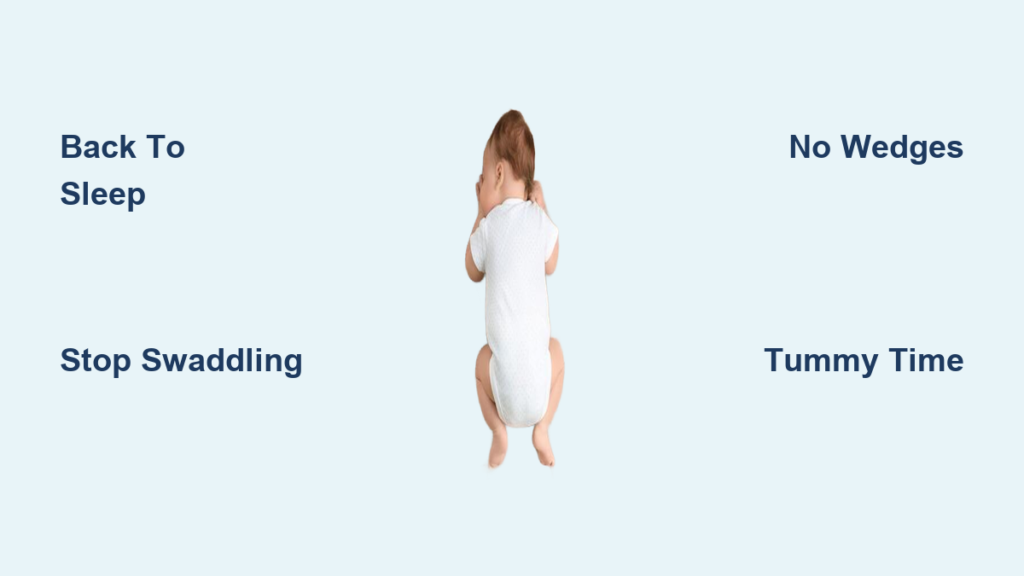
If your baby screams every time you lay them down on their back but sleeps soundly on their tummy, you’re not alone. Many parents face this exhausting battle—watching their baby nap peacefully on their back during the day but fight bedtime like a war. Some report surviving on just 2 hours of sleep a night, torn between safety and sanity. The struggle is real, but the solution starts with one non-negotiable truth: back sleeping is the safest position for babies under 1 year old, dramatically reducing the risk of Sudden Infant Death Syndrome (SIDS).
This guide gives you proven strategies, medical facts, and real parent-tested tips to help your baby accept back sleeping—without compromising safety or your well-being. You’ll learn when rolling changes the rules, how to adjust the sleep environment, and what to do if your baby has reflux. Most babies adapt quickly, especially with consistency and the right techniques. Let’s break down exactly how to make back sleeping work—for naps, nighttime, and every caregiver.
Why Back Sleeping Is the Only Safe Option
SIDS Risk Is 45x Higher When Babies Sleep on Stomach or Side
Placing your baby on their back for every sleep—naps included—is the single most effective way to prevent SIDS. Research shows that babies who usually sleep on their back but are placed on their stomach or side even once face up to 45 times higher risk of SIDS. That’s why every caregiver must follow the rule: back to sleep, every time.
Back sleeping prevents dangerous rebreathing of carbon dioxide, reduces overheating, and supports stable breathing and heart function. Side sleeping is not safe either—it’s unstable, and babies often roll onto their stomachs. The American Academy of Pediatrics (AAP) is clear: back is best until age 1.
Babies with Reflux Should Still Sleep on Their Backs
Many parents worry back sleeping worsens reflux, but medical evidence confirms: even babies with gastroesophageal reflux should sleep on their backs. Elevating the crib or using wedges is not recommended—it’s ineffective and increases the risk of sliding or suffocation. A flat, firm mattress is safest.
Anatomically, babies are less likely to choke on their back. When lying on their back, the windpipe sits above the esophagus, so spit-up must fight gravity to enter the lungs. On the tummy, fluids pool near the airway, increasing choking risk. If reflux is severe, talk to your pediatrician about medication or feeding adjustments—not changing sleep position.
When Rolling Changes the Rules
Stop Swaddling the Moment Baby Rolls
Once your baby starts rolling—sometimes as early as 2 months—you must stop swaddling immediately. A swaddled baby who rolls onto their tummy can’t use their arms to lift or reposition, increasing suffocation risk. Switch to a sleep sack with arms out to keep baby warm and safe.
If your baby rolls from back to tummy but can’t roll back yet, you can gently return them to their back. But once they can roll both ways (back to tummy and tummy to back), you can let them sleep in the position they choose. Most pediatricians agree: independent rolling means baby has the strength to protect their airway.
Rolling Is Normal—and SIDS Risk Drops After 4 Months
SIDS risk declines sharply after 4 months. Only 10% of SIDS cases occur after 6 months, so once your baby has good head and arm control, tummy sleeping is considered safe. One parent shared: “My 5-month-old rolled to his tummy the second I put him down. I called the nurse, and she said as long as he can move his head freely, it’s safe. I’ve slept better ever since.”
Optimize the Sleep Environment for Back Sleeping
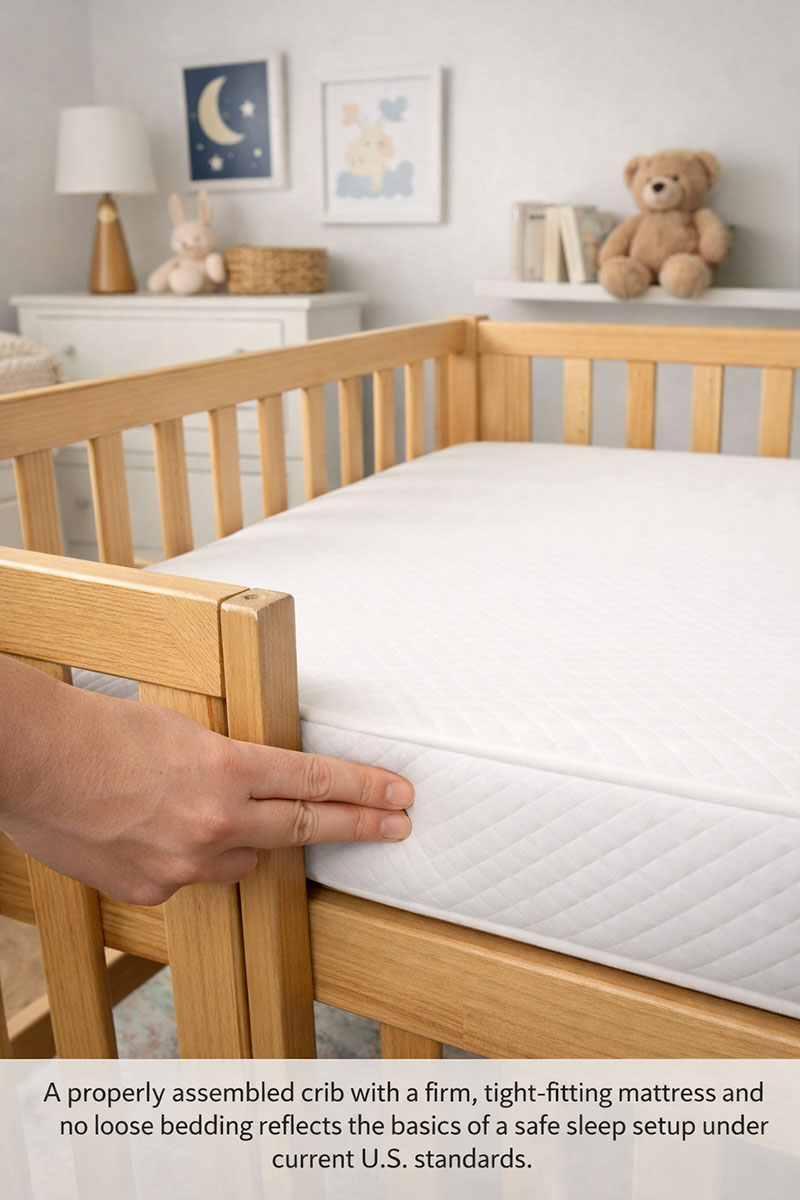
Use a Firm, Flat, Bare Crib
A safe sleep space is essential. Your baby’s crib should have:
– A firm, flat mattress
– A tight-fitting sheet
– No pillows, blankets, toys, or bumpers
Loose items increase suffocation risk. Even a small pillow placed in front of a side-sleeper goes against AAP guidelines. If you’re concerned about safety, consider a Newton mattress, designed to reduce CO2 rebreathing and suffocation risk—especially helpful if baby ends up on their side or tummy.
Keep the room dark, quiet, and cool (68–72°F). White noise can help mask disturbances and promote longer sleep.
Train Baby to Accept Back Sleeping
Start Early and Stay Consistent
The earlier you begin back sleeping, the faster your baby adapts. Newborns placed on their back from day one usually accept it without protest. If your baby is older and resists, consistency is key.
Even if baby sleeps more lightly or fusses at first, stick with back sleeping. Most babies adjust within days. One parent reported zero improvement after a week of cry-it-out, but many others found success with gentler methods and time.
Try the Drowsy-But-Awake Method
Lay baby down drowsy but awake so they learn to self-soothe in the back position. If they only fall asleep on their tummy, break the association by:
1. Completing your full routine (bath, feeding, reading)
2. Keeping baby upright for 15–20 minutes after feeding (to reduce reflux)
3. Placing them on their back when sleepy but not fully asleep
It may take several nights, but this helps baby connect the back position with sleep onset.
Calm Resistance Without Risking Safety

Use AAP-Recommended Soothing Techniques
If baby cries when placed on their back, try these proven calming methods:
– Swaddle (only if not rolling): Arms in or arms up, but stop once rolling begins
– Rock or sway: Gentle motion mimics the womb
– Shush-pat: Whisper “shh” loudly while patting baby’s back
– White noise: Use a sound machine at fan-level volume
– Pacifier: Offer at nap and bedtime (reduces SIDS risk)
One parent found success using a sleep sack with arms out and white noise—baby still preferred tummy but eventually accepted back sleeping with help.
Never Use Sleep Positioners or Wedges
Avoid sleep positioners, wedges, or rolled towels. These are not safe and can cause entrapment or suffocation. The FDA and CPSC have issued warnings against these products. Stick to proven methods: back sleeping, a bare crib, and consistent routines.
Handle the Nap vs. Night Confusion
Same Rules Apply—Even If Nighttime Is Harder
Some babies nap on their back for 2 hours but refuse at night. This is common—nighttime sleep involves deeper cycles and more transitions, so resistance may be stronger.
Stick to the same routine and environment for naps and nighttime. If baby sleeps well on their back during the day, that’s a sign they can do it at night—it just takes patience and consistency.
Support for Exhausted Parents
Night Wakings Are Normal and Protective
Babies wake frequently at night—it’s developmentally normal and protective. Being able to wake helps prevent SIDS. Don’t view frequent wakings as a failure. Over time, as baby grows, sleep will consolidate.
If you’re surviving on 2 hours of sleep, know this: you’re not failing. You’re doing the hard, important work of keeping your baby safe. Reach out to your pediatrician, a lactation consultant, or a sleep coach if you need help.
Talk to Grandparents and Caregivers Early
Make sure everyone who cares for your baby knows: back to sleep, every time. Share the science: stomach sleeping increases SIDS risk up to 45x. But do it kindly—older generations did their best with the knowledge they had. Compare it to seat belts: we didn’t use them decades ago, but now we know better.
Use resources like the AAP’s “Safe Infant Sleep for Trusted Caregivers” DVD to help explain.
Prevent and Treat Flat Head Syndrome
Tummy Time Prevents Flat Spots
Spending too much time on their back can lead to flat spots (positional plagiocephaly). But this is usually not dangerous and improves once baby starts sitting up.
Prevent flat spots with:
– Tummy time while awake: 3–5 sessions a day, 3–5 minutes each
– Holding baby upright after feeds
– Changing head position in the crib each night (alternate head-to-foot direction)
Avoid prolonged time in car seats, swings, or bouncers—these press the head into one spot.
When to Talk to Your Pediatrician
Get Help If You’re Struggling
Consult your doctor if:
– Baby has severe reflux despite medication
– You’re concerned about rolling or breathing
– You’re struggling with sleep deprivation
– You’re unsure when to stop swaddling or allow tummy sleeping
One parent called their pediatrician’s nurse after seeing their baby sleep face-down in the mattress. The nurse reassured them: some babies do this, and it’s not dangerous if they can move their head.
Frequently Asked Questions About Back Sleeping
Why does my baby hate sleeping on their back?
Many babies prefer tummy sleeping because it feels more secure or helps with reflux. But back sleeping is the safest choice. With consistency and soothing techniques, most babies adjust within days.
Can I let my baby sleep on their tummy if they roll over?
Yes—if your baby can roll both ways (back to tummy and tummy to back) on their own. Always start them on their back, but once they roll independently, it’s safe to let them stay in the position they choose.
Is it safe for a baby with reflux to sleep on their back?
Yes. Medical evidence confirms that babies with reflux should still sleep on their backs. Elevating the crib is not effective and increases risk. Talk to your pediatrician about medication or feeding changes instead.
What should I do if my baby rolls onto their side?
Side sleeping is unstable and not recommended. Gently return your baby to their back if they’re not yet rolling independently. Once they can roll both ways, they can choose their position after starting on their back.
Can I use a wedge or pillow to keep my baby on their back?
No. Wedges, positioners, and pillows are not safe and can cause suffocation. The FDA and CPSC warn against these products. Stick to a firm, flat, bare crib.
How long does it take for a baby to adjust to back sleeping?
Most babies adjust within a few days, especially if started early. Some may take longer—especially if they’ve developed a strong preference for tummy sleeping. Consistency and soothing routines help speed the transition.
Key Takeaways for Getting Baby to Sleep on Back
- Always start sleep on the back until age 1
- Stop swaddling once baby rolls
- Let baby choose position once they can roll both ways
- Never use pillows, wedges, or positioners
- Night wakings are normal and protective
- You’re not alone—and you’re doing great
Back sleeping isn’t always easy, but it’s the safest choice. With time, consistency, and support, your baby will adapt—and so will you. Hang in there.





