
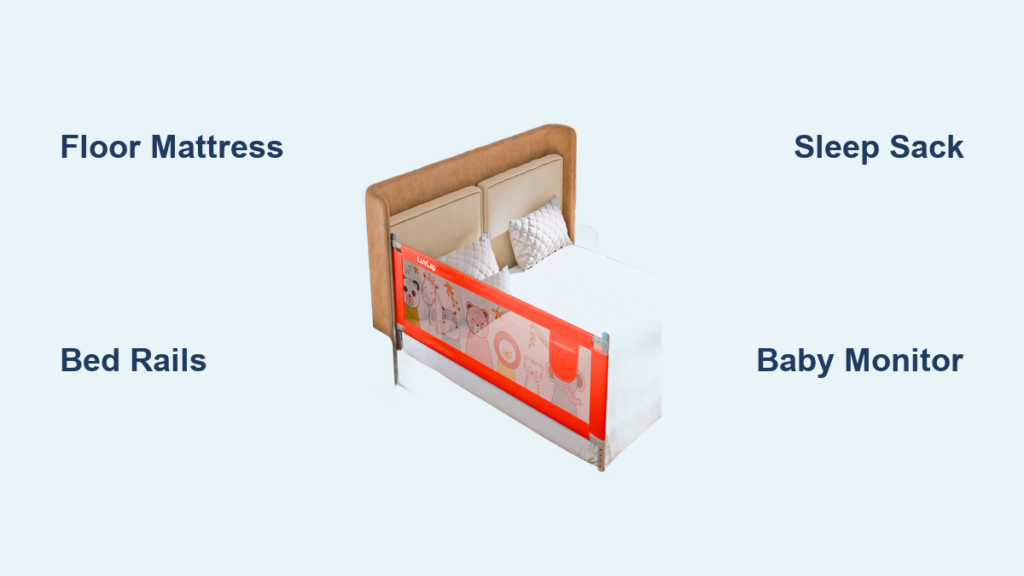
Every parent dreads the moment they find their baby teetering on the edge of the bed—or worse, on the floor. As infants grow more mobile, rolling, scooting, and crawling during sleep, the risk of falling off bed increases significantly. Preventing baby from falling off bed is a top safety concern, especially during the transition from crib to bed. While no method offers 100% protection, combining smart sleep setups, physical barriers, and vigilant monitoring can drastically reduce the danger. This guide delivers practical, proven strategies—like floor beds, bed rails, and safe sleep habits—so you can protect your child without sacrificing rest or routine.
You’ll learn how to choose the right safety tools for your baby’s age, modify your sleeping space for maximum protection, and know when to consult a pediatrician. Whether you co-sleep, use a side-car crib, or rely on monitoring tech, these actionable steps will help you create a safer sleep environment.
Use a Floor Mattress to Eliminate Fall Risk
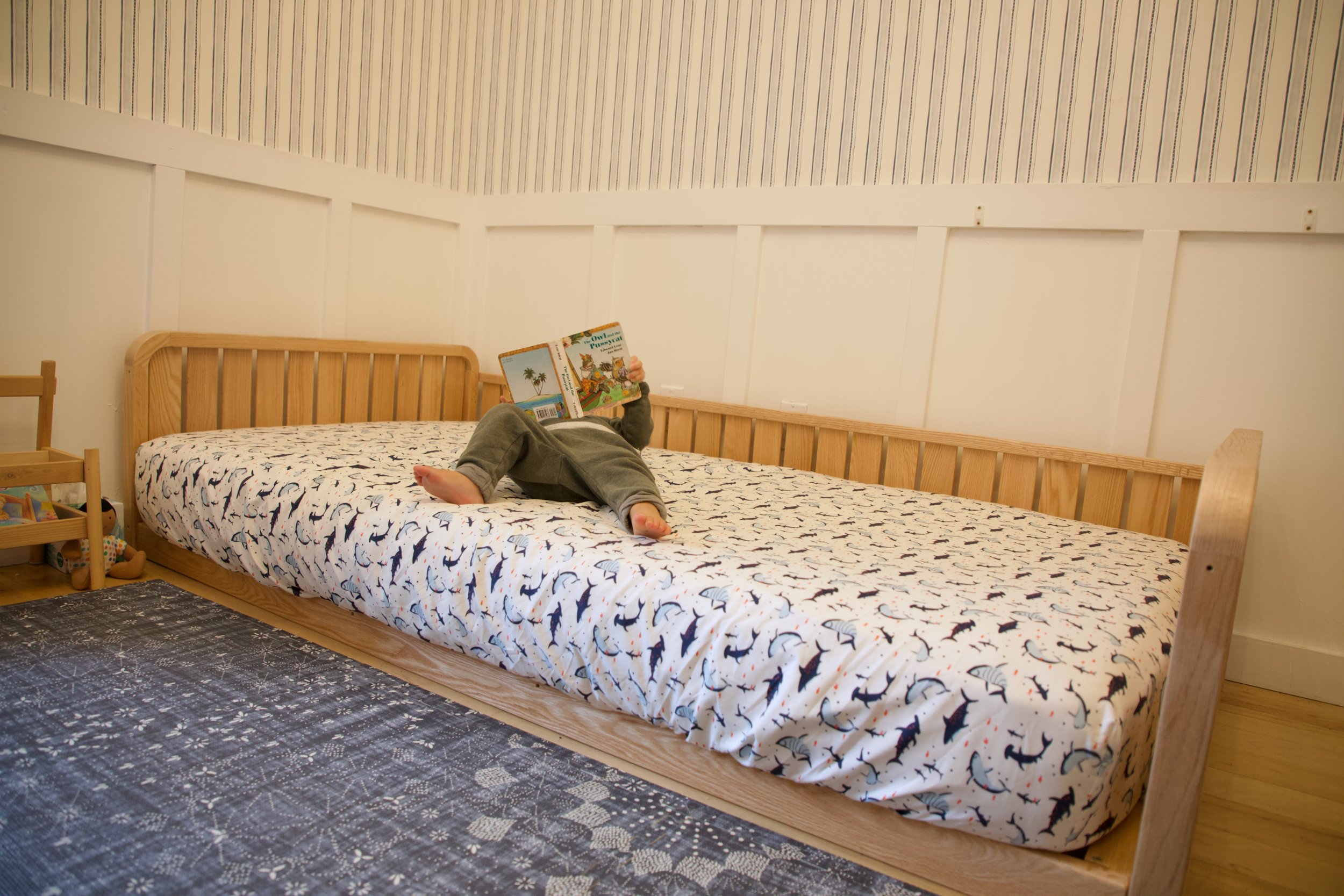
Placing the mattress directly on the floor is the most effective way to prevent serious injury. Even if your baby rolls off, the short drop—typically 6–8 inches—means minimal risk of harm.
Eliminate Fall Height Completely
A floor mattress removes the danger of height, making it the top-recommended solution by parents and safety experts. It’s ideal for active sleepers who roll or crawl during the night. One parent reported their baby fell once but landed safely on carpet with no injury. This setup works whether you use a full-sized mattress or pair it with a crib pushed alongside for easy access. For families with storage beds, consider temporary floor sleeping during high-risk stages like early rolling or crawling.
Add Soft Landing Protection
Even on the floor, padding around the bed boosts safety. Place foam floor tiles, thick rugs, or pillows on the side where your baby sleeps. This cushioning helps if they roll off during deep sleep. For hard surfaces like tile or hardwood, this step is essential. Combine with a rolled-up blanket tucked under the fitted sheet to create a subtle barrier that guides baby away from the edge.
Overcome Space Limitations
Some beds have built-in storage, making removal impractical. In these cases, use a floor play mat for naps until bedtime, or position the bed away from walls to allow space for floor padding. If possible, switch to a frame-free setup during key developmental stages.
Install Bed Rails the Right Way
Bed rails are a popular choice for older infants and toddlers who are mobile but not yet ready for an open bed. When used correctly, they offer reliable protection.
Choose the Right Type
Opt for low-profile, child-specific bed rails with soft edges and non-slip bases. Look for models that fit snugly against the mattress with no gaps—this prevents entrapment, a serious hazard. Fold-down rails offer flexibility, allowing parents easy access while keeping the child contained.
Avoid Common Installation Mistakes
A poorly installed rail is worse than none at all. Always:
• Check that the rail is tightly secured
• Confirm there’s zero space between the rail and mattress
• Inspect regularly for wear or loosening
• Replace if the mattress sags or shifts over time
Warning: Never use adult bed rails or makeshift barriers—they aren’t designed for children and can create dangerous gaps.
Use at the Right Age
Bed rails are best for babies over 12 months who understand not to climb over or lean heavily on them. They’re not safe for younger infants who may roll into the rail or become trapped. Use them as a transition tool when moving from a crib to a toddler bed.
Build a Crib Side-Car Setup for Safe Co-Sleeping

For families who want baby close without sharing the full bed, a side-car crib configuration offers a safe, connected sleeping space.
Connect Crib to Parent Bed
Remove one side of a convertible crib and push it flush against your bed, creating a continuous surface. This lets baby roll safely between spaces while staying contained. Many parents use this when their child outgrows a bassinet but still prefers the parent’s mattress.
Monitor Movement Patterns
Babies often migrate toward the parent’s side during the night. While this setup allows freedom of movement, it requires supervision—especially at first. Watch for signs your child is consistently rolling off or attempting to climb out, and adjust barriers as needed.
Ensure Stability and Gap-Free Fit
The crib must be level with your mattress and securely positioned. Any height difference or gap increases fall risk. Use a fitted sheet that extends across both surfaces if possible, and avoid loose bedding that could trip or entangle.
Use Pillow Barriers Only with Caution
Some parents build pillow forts around the bed to block edges. While easy to set up, this method has serious limitations.
Double-Wall Design Slows Rolling
Stacking two layers of pillows creates a temporary barrier that delays rolling. It’s not foolproof—many babies “break through” during sleep—but it can buy time for a parent to intervene, especially when combined with monitoring.
Combine with Video Monitoring
Use a baby camera to watch for movement. If your baby starts pushing through the pillows, you can respond before a fall occurs. This setup works best for short naps or when parents are nearby but not in bed.
Never Rely on Pillows Alone
Pillows can shift, compress, or be moved by an active baby. They’re not a standalone solution. Use only as a temporary measure and always supervise or monitor closely.
Use Sleep Sacks to Reduce Nighttime Rolling
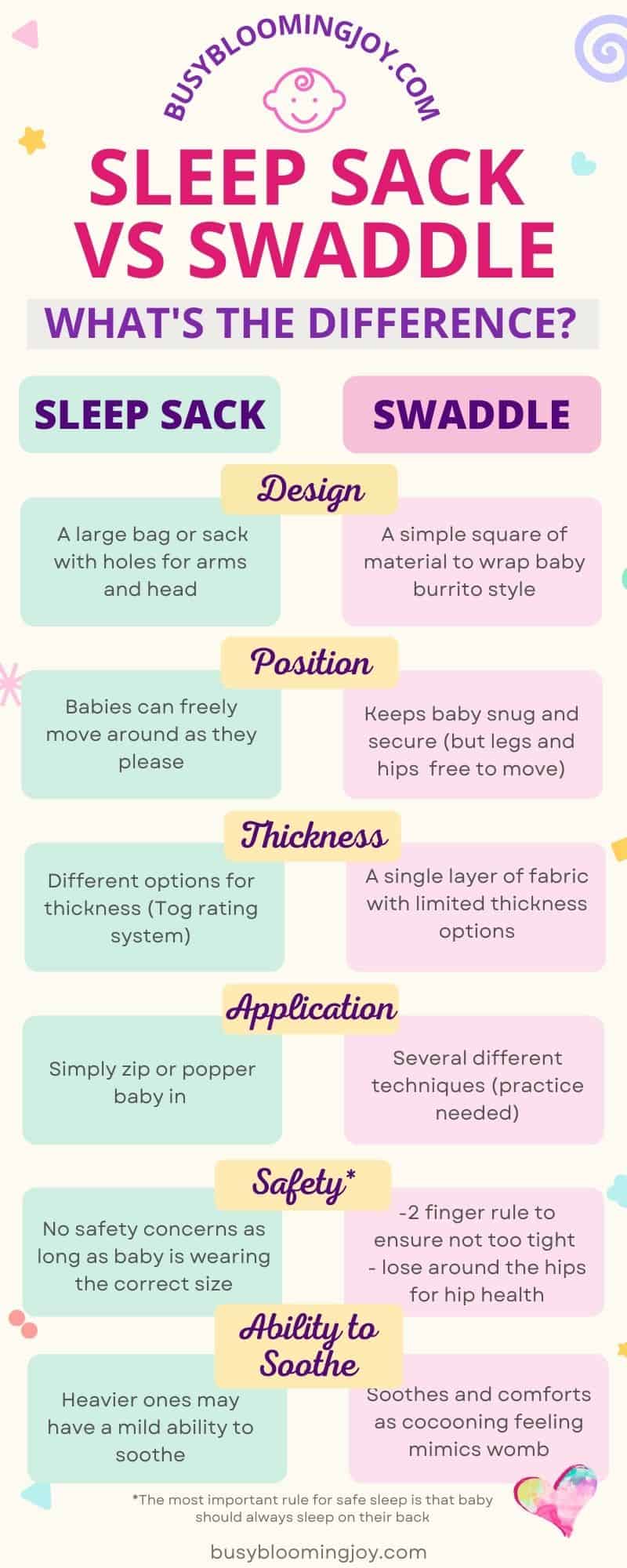
Reducing excessive motion during sleep helps keep babies centered on the mattress.
Choose Wearable Blankets
Sleep sacks (also called wearable blankets) keep arms secure while allowing leg movement. They mimic swaddling for younger infants and provide comfort that reduces restless rolling. Unlike loose blankets, they won’t slip over the face or create tripping hazards.
Match to Developmental Stage
• Newborns to 3 months: Swaddles (arms-in) for maximum containment
• 3–12 months: Transition to sleep sacks with arms free
• Toddlers: Use lightweight sleep sacks for warmth without bulk
Avoid heavy fabrics that cause overheating. Stick to breathable cotton or bamboo materials.
Monitor with a Baby Camera for Real-Time Alerts
When you can’t be in the room, a video monitor helps you stay alert to potential dangers.
Detect Early Warning Signs
Watch for rolling, scooting, or attempts to climb. If your baby starts moving toward the edge, you can intervene quickly—especially if using a pillow barrier or side-car setup.
Reduce Parent Anxiety
Cameras allow less frequent physical check-ins, helping parents relax. One parent noted that monitoring gave peace of mind during 3.5 hours of unsupervised sleep time (baby bedtime at 7:30 PM, parents at 11 PM).
Choose Features Wisely
Look for:
• Clear night vision
• Wide-angle view
• Two-way audio
• Motion/sound alerts
Place the camera to capture the entire bed and floor perimeter.
Teach Safe Descent When Your Child Is Ready
Once your child is walking and understands instructions, teach them to climb down feet-first.
Start at 18–24 Months
This skill works best for toddlers who are mobile and responsive to guidance. Demonstrate how to sit on the edge and lower themselves slowly, feet first. Practice during the day before expecting it at night.
Reinforce with Consistency
Use simple phrases like “Feet first!” and praise successful attempts. This builds confidence and reduces risky jumps or rolls.
Pair with Bed Rails
Even with training, use rails or a floor bed at night. Teaching safe descent is a long-term strategy, not a replacement for physical safety measures.
Modify Room Layout to Prevent Injuries
The space around the bed matters as much as the bed itself.
Keep Bed Away from Walls and Furniture
Position the bed so there’s at least 12–18 inches of clearance on the side where baby sleeps. This prevents head injuries if they roll off and ensures they won’t get trapped between the bed and wall.
Clear the Landing Zone
Remove sharp-edged furniture, lamps, or toys from the area. A clean, open space with soft flooring (rugs, foam tiles) minimizes injury risk.
Follow Age-Based Safety Guidelines

Your baby’s age and mobility level should guide your safety strategy.
Birth to Rolling (0–4 Months)
• Use a sleep sack or swaddle
• Co-sleep with supervision or use a side-car crib
• Keep baby snug next to you if sharing the bed
Rolling to Crawling (4–12 Months)
• Transition to a floor mattress
• Use bed rails only if baby is older and understands boundaries
• Avoid loose pillows or blankets
Crawling to Walking (12–24 Months)
• Use a toddler bed with built-in rails
• Continue floor bed setup if preferred
• Begin teaching safe descent
Walking and Beyond (2+ Years)
• Use bed rails or low toddler beds
• Focus on education and routine
• Gradually phase out barriers as spatial awareness improves
Maintain Safety Equipment Weekly
Even the best setup fails if equipment isn’t maintained.
Inspect Weekly
• Check bed rails for loose fittings
• Ensure no gaps have formed between rail and mattress
• Confirm foam tiles or rugs haven’t shifted
• Test stability of side-car crib attachment
Replace Worn Items Immediately
Discard rails that wobble, pillows that flatten, or sleep sacks with broken zippers. Safety gear must be in top condition to work.
Know When to Consult a Pediatrician
Frequent falls may signal an underlying issue.
Seek Medical Advice If:
• Baby falls repeatedly despite precautions
• Shows signs of pain, bruising, or unusual sleep behaviors
• Rolls excessively or seems disoriented after waking
• Has developmental delays affecting motor control
Your pediatrician can rule out sleep disorders or neurological concerns and offer personalized guidance.
Frequently Asked Questions About Preventing Baby from Falling Off Bed
Can a baby be safe sleeping in a parent’s bed?
Yes, but only with strict safety measures. Use a floor mattress, keep the bed away from walls, and avoid loose bedding. Supervision or video monitoring is essential. Never co-sleep if you’re under the influence of medication, alcohol, or extreme fatigue.
Are bed rails safe for a 6-month-old?
No. Bed rails are not recommended for infants under 12 months. Younger babies can roll into the rail or become trapped. Use a floor mattress or side-car crib instead.
How can I keep my baby from rolling off the bed at night?
Use a floor mattress, sleep sack, or bed rail (if age-appropriate). Combine with a baby monitor to catch early movement. Avoid relying on pillows alone.
Is a floor bed safe for a 1-year-old?
Yes. A floor bed is one of the safest options for toddlers. It eliminates fall height and allows freedom of movement while reducing injury risk. Add foam tiles or rugs for extra cushioning.
What should I do if my baby keeps falling off the bed?
First, reduce fall height with a floor mattress. Add soft landing zones and monitor sleep patterns. If falls continue, consult your pediatrician to rule out developmental or sleep issues.
Can I use a regular pillow as a bed barrier?
No. Regular pillows compress and shift easily, making them unreliable. Use a properly fitted bed rail or a floor mattress instead. If using pillows temporarily, combine with active monitoring.
Key Takeaways for Keeping Your Baby Safe from Bed Falls
The best way to prevent baby from falling off bed is to eliminate fall height with a floor mattress. This simple change reduces injury risk and is the top recommendation from parents and safety experts. Combine it with age-appropriate tools like bed rails, sleep sacks, and video monitors for layered protection. Always match your strategy to your baby’s developmental stage—what works for a newborn won’t suit a crawler.
Never rely on a single method. Use multiple safeguards: physical barriers, soft landing zones, and active monitoring. Regularly inspect equipment and adjust as your child grows. If falls persist, talk to your pediatrician. With the right precautions, you can protect your baby and rest easier knowing their sleep space is as safe as possible.





