
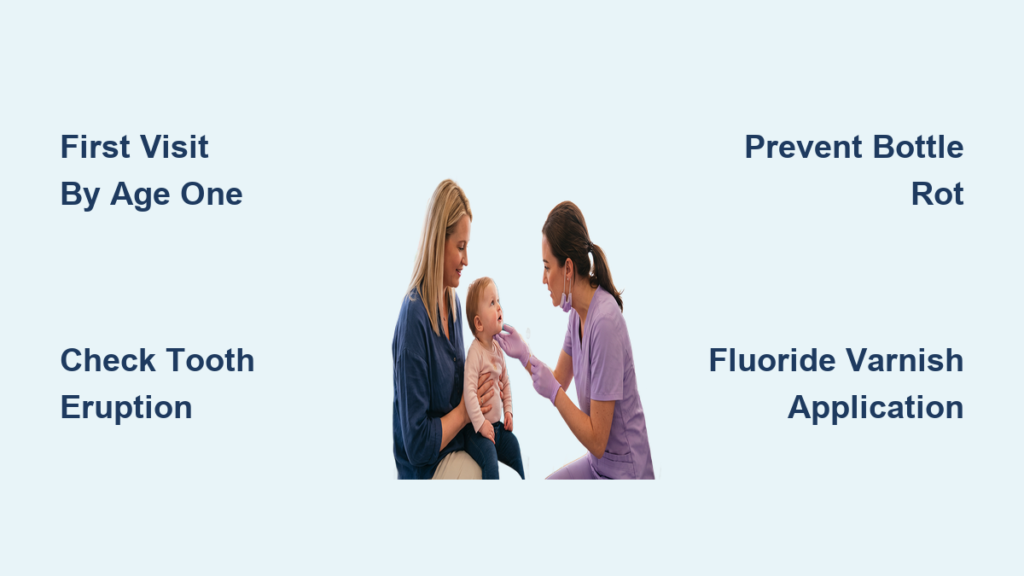
The arrival of your baby’s first tooth is a milestone worth celebrating—but it’s also a signal to schedule their first dental visit. Many parents assume dental care begins with older kids, but the truth is, oral health starts long before school age. The American Academy of Pediatric Dentistry advises that you take your baby to the dentist by age one or within six months after the first tooth appears. That’s often between 6 and 12 months old.
This early visit isn’t just a formality. It helps prevent cavities, monitors oral development, and gives you the tools to care for your baby’s teeth properly. Tooth decay is one of the most preventable yet common childhood diseases. By learning when to take baby to dentist and what to expect, you can protect your child’s smile from day one.
First Tooth or First Birthday: Two Key Milestones
First Tooth Appears—Start Oral Care Immediately
Once you spot that first tiny tooth—usually a bottom front incisor—your baby’s oral health journey begins. Even a single tooth can develop decay if exposed to sugary liquids like formula, milk, or juice, especially during bottle-feeding at bedtime. This condition, known as “bottle rot,” can damage enamel quickly due to thinner baby tooth structure.
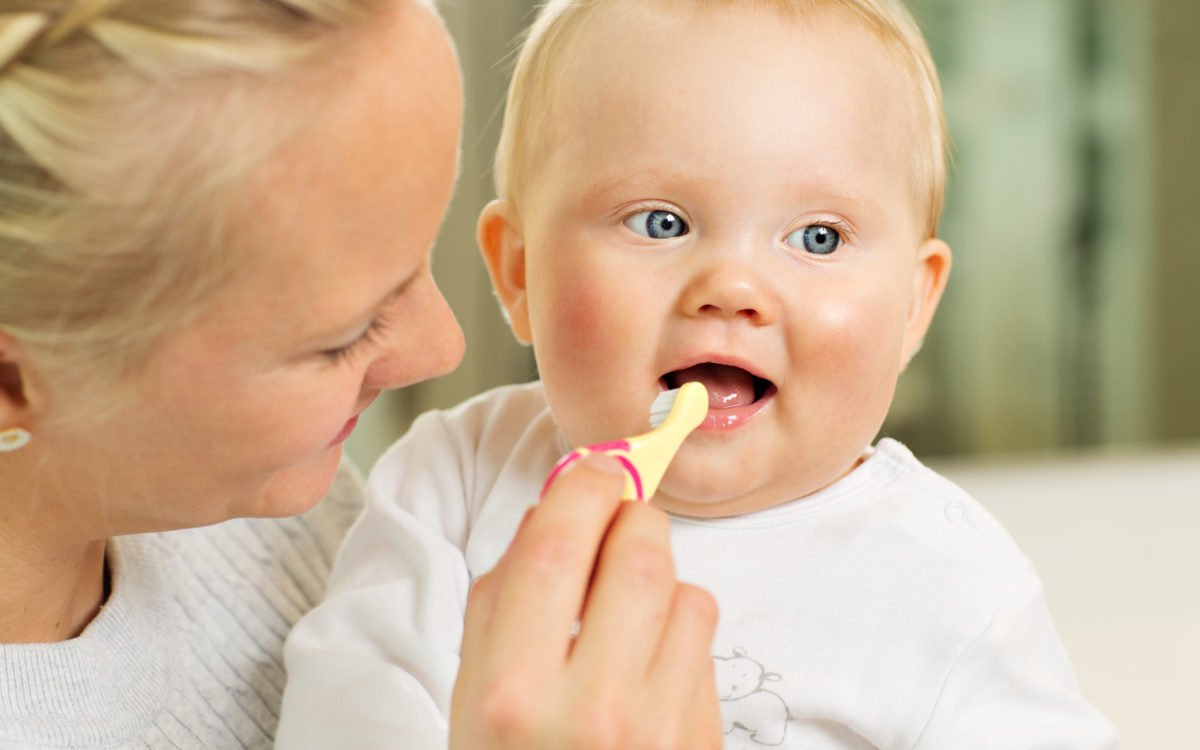
Begin cleaning the tooth daily with a soft, damp cloth or infant toothbrush. Use a rice-sized smear of fluoride toothpaste once the tooth emerges. Avoid letting your baby fall asleep with a bottle to reduce decay risk.
First Birthday Rule—Visit the Dentist by 12 Months
No matter how many teeth have come in, every baby should see a dentist by their first birthday. This early checkup establishes a “dental home” and focuses on prevention, not treatment. A pediatric dentist will assess cavity risk, check jaw development, and guide you on proper brushing, diet, and habits like pacifier use.
Delaying the visit until problems appear increases the chance of preventable decay, pain, and costly treatments. Children who see a dentist early have fewer cavities and better long-term oral health outcomes.
Signs It’s Time to Schedule a Dental Visit Now

Early Teething Symptoms Beyond Drooling
While drooling, fussiness, and chewing on hands are normal during teething, they also mean oral hygiene should start. Wipe your baby’s gums with a clean, soft cloth after feeding to remove bacteria and get them used to mouth care.
If your baby has a high fever, diarrhea, or rash, these are not typical teething symptoms. Contact your pediatrician—these could signal an infection or illness.
Tooth Discoloration—White Spots or Brown Stains
White patches, brown spots, or chalky areas on baby teeth are early warning signs of enamel erosion or decay. These often result from frequent exposure to sugary drinks, especially at night. Even one discolored tooth warrants an immediate dental visit.
Baby teeth have thinner enamel than adult teeth, so decay can spread fast. Early detection allows for preventive treatments like fluoride varnish instead of fillings.
Prolonged Bottle or Nighttime Breastfeeding
Letting your baby sleep with a bottle of milk, formula, or juice bathes their teeth in sugar all night, leading to rapid decay. Similarly, frequent nighttime breastfeeding after teeth emerge can contribute to cavities if no cleaning follows.
If your baby relies on nursing or a bottle to fall asleep, talk to your dentist about safe weaning strategies. The first dental visit is the perfect time to get personalized advice.
What Happens at the First Dental Visit
Quick Chairside Exam—Gentle and Fast
Most first visits last 15 to 20 minutes and are designed to be low-stress. Your baby will likely sit on your lap while the dentist performs a gentle exam. They’ll check for:
• Tooth eruption pattern
• Signs of decay or staining
• Gum health
• Jaw alignment
• Oral habits like tongue thrusting or lip biting
No drilling or painful procedures occur. The goal is to assess health and make the experience positive.
Parent Education—Your Guide to Daily Care
One of the most valuable parts of the visit is the guidance you receive. The dentist or hygienist will teach you how to:
• Brush with the right amount of fluoride toothpaste
• Choose a soft-bristled, small-headed toothbrush
• Use safe fluoride levels in water and toothpaste
• Adjust diet to protect teeth
• Manage pacifier or thumb-sucking habits
You’ll leave with clear, practical steps to keep your baby’s mouth healthy.
Fluoride Varnish—Fast Cavity Protection
If your baby has teeth and is at risk for decay, the dentist may apply fluoride varnish. This thin, yellow coating is painted on the teeth, hardens quickly, and helps prevent cavities by up to 40%. It’s safe, painless, and recommended for infants with emerging teeth.
The treatment takes seconds and doesn’t require fasting or numbing.
How to Prepare Your Baby for the First Visit
Choose a Pediatric Dentist
Not all dentists treat babies. Look for a pediatric dentist—a specialist trained in infant oral development and child behavior. These offices are child-friendly, with toys, colorful decor, and staff who know how to calm nervous little ones.
Find a qualified pediatric dentist through the American Academy of Pediatric Dentistry website or ask your pediatrician for a referral.
Practice at Home
Help your baby get used to mouth handling by gently wiping their gums and teeth with a damp cloth. Play “dentist” using a mirror and toy tools. Reading books like Show Me Your Smile! or Just Going to the Dentist can also reduce anxiety.
The more familiar the routine, the calmer the visit.
Pick the Right Time
Schedule the appointment when your baby is usually alert and happy—morning visits often work best. Avoid times right after naps or feedings when they might be fussy.
Bring a favorite toy, blanket, or pacifier to help soothe them in the waiting room.
Common Parent Concerns—Answered
“Isn’t It Too Early for a Dental Visit?”
No. Early visits are preventive, not reactive. Research shows children who see a dentist by age one have fewer cavities, lower treatment costs, and better oral health habits. Starting early builds comfort and trust with the dental team.
It’s not about fixing problems—it’s about stopping them before they start.
“What If My Baby Cries During the Visit?”
Crying is completely normal. Babies often cry when meeting new people or having their mouths touched. The dental team expects this and will work gently to complete a quick exam.
Even if your baby fusses, the visit still counts. Progress matters more than perfection.
“Do Baby Teeth Really Matter?”
Absolutely. Baby teeth help your child chew, speak clearly, and guide permanent teeth into place. Losing a baby tooth too early can lead to crowding or misalignment.
Untreated infections in baby teeth can also harm the developing adult teeth underneath.
Building Healthy Oral Habits from the Start
Start Brushing as Soon as the First Tooth Appears
Use a soft infant toothbrush and a rice-sized smear of fluoride toothpaste. Brush gently twice a day—morning and night. By age 3, switch to a pea-sized amount.
Supervise brushing until your child can spit reliably—usually around age 6.
Limit Sugary Drinks and Bottles
Avoid juice for babies under 1 year. After that, limit to 4 ounces per day in a cup—not a bottle. Never let your baby walk around with a bottle or sleep with one.
Water is the best drink between meals and at bedtime.
Stick to Regular Checkups Every 6 Months
After the first visit, most dentists recommend checkups every six months. These visits track development, catch early decay, and reinforce good habits.
Even if your child seems healthy, regular visits prevent small issues from becoming big problems.
When to See a Dentist Sooner Than Age One
Mouth Injury or Fall

If your baby falls and hits their mouth—even if no tooth is visibly damaged—call the dentist. A tooth may be internally injured or displaced. For chipped or knocked-out baby teeth, seek care immediately.
While baby teeth aren’t reimplanted, the dentist must check for infection or damage to the permanent tooth beneath.
Swelling, Puffiness, or Unexplained Fever
Facial swelling, gum abscesses, or fever without cold symptoms may indicate a dental infection. These require urgent care. Left untreated, infections can spread and become serious.
Don’t wait—call your pediatric dentist right away.
No Teeth by 15 Months
Most babies have at least one tooth by 12 months. If your child has none by 15 months, mention it to your pediatrician or dentist. Delayed eruption is often genetic, but it’s wise to rule out underlying conditions.
Key Takeaways for When to Take Baby to Dentist
The answer to when to take baby to dentist is clear: by age one or within six months of the first tooth. Early visits prevent decay, support healthy development, and give you the confidence to care for your baby’s smile. You don’t need a problem to justify a checkup—prevention is the goal.
Start brushing early, avoid sugary bottles at bedtime, and choose a pediatric dentist who makes visits positive. That first appointment sets the tone for a lifetime of healthy dental habits.
Schedule your baby’s first dental visit today—it’s one of the most important wellness checks they’ll ever have.
Frequently Asked Questions About When to Take Baby to Dentist
When should I start cleaning my baby’s mouth?
Begin cleaning your baby’s mouth even before teeth appear. Wipe the gums with a soft, damp cloth after feedings to remove bacteria. Once the first tooth emerges, switch to a soft-bristled infant toothbrush and a rice-sized smear of fluoride toothpaste.
Can babies get cavities in their first year?
Yes. Baby bottle tooth decay—often caused by falling asleep with a bottle of milk or juice—can start as soon as teeth appear. Frequent sugar exposure leads to rapid decay due to thin enamel. Early dental visits help prevent this.
What’s the difference between a pediatric dentist and a regular dentist?
A pediatric dentist has 2–3 years of extra training in child development, behavior management, and infant oral health. Their offices are designed for kids, and they specialize in treating babies and young children.
Do I need to fix cavities in baby teeth?
Yes. Untreated cavities can cause pain, infection, and problems with eating and speech. They may also affect the development of permanent teeth. Early treatment prevents complications.
How can I make the first dental visit less scary?
Prepare by reading books about dentists, playing pretend “dentist” at home, and choosing a pediatric office. Schedule the visit when your baby is well-rested and bring comfort items like a favorite toy or blanket.
What if my baby has no teeth by their first birthday?
While most babies have at least one tooth by 12 months, some are later. If no teeth appear by 15 months, discuss it with your pediatrician or dentist. Delayed eruption is often normal but worth checking.





