
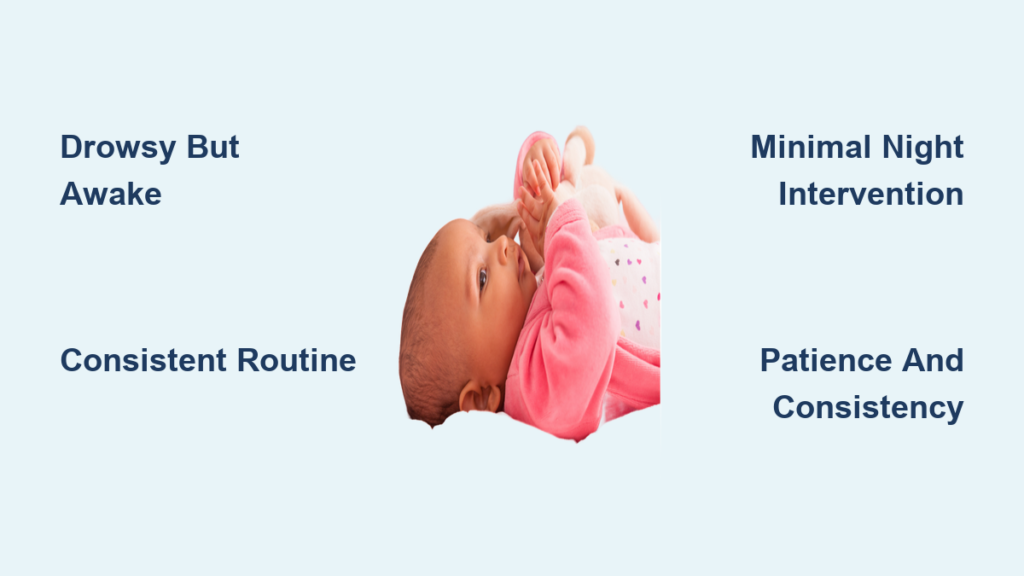
If you’re up multiple times each night soothing your baby back to sleep, you’re not alone. Many parents wonder when their little one will finally learn how to fall asleep without rocking, feeding, or being held. The good news is that teaching your baby to self soothe is a skill they can learn—typically between 3 to 6 months of age. With the right approach, you can help your baby develop the ability to calm themselves and return to sleep independently, leading to more restful nights for everyone.
This guide walks you through science-backed, pediatrician-approved strategies to encourage self soothing. You’ll learn how to recognize readiness signs, build a calming bedtime routine, respond effectively to night wakings, and stay consistent through setbacks—all with gentle, practical steps that support your baby’s development and emotional security.
Recognize When Baby Is Ready to Self Soothe
Before introducing self soothing techniques, confirm your baby is developmentally prepared. Starting too early can lead to frustration and setbacks. Look for these clear signs that your baby may be ready to begin the process.
Key Signs Your Baby Can Start Self Soothing
• Sucks on hands or pacifier when fussy – This natural reflex shows early self regulation and comfort-seeking behavior.
• Shows tired cues like yawning or eye rubbing – Indicates growing awareness of their own sleep needs.
• Falls asleep occasionally without feeding or rocking – A strong signal they’re capable of independent sleep.
• Wakes briefly but settles alone – Some babies already self soothe without you realizing it.
If your baby is under 3 months, focus on responsive care. Newborns need external soothing—it’s not the time to push independence. Wait until they’re closer to 4–6 months and hitting developmental milestones before starting structured techniques.
Build a Calming and Consistent Bedtime Routine
A predictable routine is the foundation of self soothing. It helps your baby transition from wakefulness to sleep by signaling that it’s time to wind down—reducing anxiety and reliance on last-minute interventions.
Steps for an Effective Sleep Routine
Start 20–30 minutes before bedtime. Keep it quiet, calm, and consistent every night:
- Dim the lights – Low lighting triggers melatonin, the hormone that promotes sleep.
- Give a warm bath – Soothes muscles and creates a sensory shift from active to restful.
- Offer a gentle massage – Encourages relaxation and strengthens bonding.
- Change into pajamas and a fresh diaper – Part of the “winding down” ritual.
- Read a book or sing a lullaby – Use soft voices and avoid screens.
- Provide a final feeding – Ensures your baby isn’t waking from hunger.
Pro Tip: Keep the routine under 30 minutes. Long routines can overstimulate. The goal is calm, not entertainment.
Why Routine Consistency Matters
Babies thrive on predictability. When the same steps happen each night, your baby learns what comes next and feels safe enough to let go and sleep. Skipping steps or varying timing confuses the signal and delays progress in self soothing.
Optimize the Sleep Environment for Independent Sleep

Even the best routine fails if the sleep space isn’t supportive. A safe, calming environment minimizes disruptions and reinforces the crib as a place for sleep.
Ideal Crib Setup for Self Soothing
• Keep the room dark – Use blackout curtains to signal nighttime and support melatonin production.
• Use a white noise machine – Masks household sounds and prevents startling from sudden noises.
• Maintain a comfortable temperature – Aim for 68–72°F (20–22°C). Overheating disrupts sleep.
• Use a firm mattress with no loose items – Follow AAP guidelines: no pillows, bumpers, or stuffed animals until 12 months.
Switch to a Sleep Sack at the Right Time
Swaddles work well for newborns, but once your baby starts rolling (usually around 3–4 months), switch to a wearable sleep sack. It provides warmth and comfort without suffocation risk.
Visual Cue: If your baby kicks blankets off or gets tangled, it’s time for a safer alternative.
Master the Drowsy but Awake Method
This is the cornerstone of self soothing. If your baby always falls asleep in your arms, they won’t know how to return to sleep when they wake at night.
How to Put Baby Down Drowsy but Awake
- Begin your bedtime routine.
- Watch for sleep cues—drooping eyelids, slowing movements, quietness.
- Stop feeding or rocking before your baby is fully asleep.
- Gently place them in the crib while still awake but very sleepy.
They may fuss or cry at first—that’s normal. The goal is to let them practice falling asleep in the place where they’ll wake up.
Common Mistakes to Avoid
• Waiting until baby is fully asleep – They miss the chance to learn the skill.
• Overstimulating during final steps – Loud voices or playfulness counteract drowsiness.
• Inconsistency – Sometimes letting them fall asleep in your arms, sometimes not, confuses the process.
Difficulty Level: Moderate. Expect a learning curve of 3–7 days with mild protest.
Introduce a Lovey After 6 Months for Comfort

A comfort object can become a powerful self soothing tool—but only when used safely and at the right age.
How and When to Add a Lovey
Wait until your baby is at least 6 months old and can roll, sit, and push up independently. Choose a small, breathable item:
• Soft, washable lovey – No loose parts or long strings.
• Lightweight blanket – No larger than the size of their chest.
• No stuffed animals – Until 12 months, due to suffocation risk.
Place it in the crib during naps and bedtime. Some babies ignore it; others clutch it tightly. Don’t force it—let them choose.
Expert Note: A lovey works best when paired with routine. It becomes a sleep cue: “This object = time to rest.”
Respond to Night Wakings with Minimal Intervention
Babies wake 4–6 times per night—it’s normal. The difference between good and poor sleepers? The ability to return to sleep independently.
How to Respond Without Full Intervention
When your baby cries at night:
- Wait 2–3 minutes – Give them a chance to settle on their own.
- Check for real needs – Hunger, wet diaper, illness.
- Offer minimal reassurance – Use a soft voice: “It’s okay, I’m here. Time to sleep.”
- Pat gently or stroke their back – Keep contact brief and calm.
- Leave before they fall asleep – So they finish the job themselves.
Avoid:
– Picking up unless necessary
– Feeding unless advised by your pediatrician
– Turning on lights or playing
Gradually Increase Wait Time
If using a timed check-in method (like the Ferber method), slowly extend the time between visits. For example:
• Night 1: Check at 2, 4, 6 minutes
• Night 2: Check at 4, 6, 8 minutes
• Continue increasing
This teaches your baby you’re nearby but encourages self reliance.
Phase Out Night Feedings Safely After 6 Months
By 6 months, most babies no longer need nighttime calories if they’re eating well during the day.
Signs Baby Is Ready to Reduce Night Feeds
• Gaining weight appropriately
• Eating solids regularly
• Sleeping longer stretches
• Comfort nursing (feeds last <10 minutes or baby falls asleep instantly)
Action Steps:
1. Talk to your pediatrician.
2. Gradually shorten feeding time by 1–2 minutes every few nights.
3. Delay the feed by a few minutes each time they wake.
4. Replace with comfort: patting, shushing, or reassurance.
Important: Never cut feeds abruptly. Do it slowly to avoid hunger stress.
Handle Setbacks with Patience and Consistency
Progress isn’t linear. Sleep regressions, illness, travel, or teething can cause temporary backslides.
Manage Common Challenges
Sleep Regression at 4, 8, or 12 Months
- Cause: Developmental leaps like crawling, talking, or separation anxiety.
- Solution: Stick to your routine. Offer extra comfort during the day, but maintain night boundaries.
Teething Discomfort
- Signs: Drooling, chewing, mild fever.
- Fix: Use teething toys, gentle gum massage, or infant pain relief as directed. Resume self soothing once pain passes.
Travel or Schedule Changes
- Tip: Keep core routine elements (bath, book, sleep sack) even on the go. Familiar cues help reset faster.
Pro Tip: It’s okay to offer extra comfort during illness or big changes—but return to your plan as soon as possible.
Choose a Gentle Sleep Training Method That Fits Your Family
Not all parents are comfortable with “cry it out.” That’s okay. Several gentler alternatives support self soothing with less stress.
Pick-Up, Put-Down Method
- Put baby down drowsy but awake.
- When they cry, pick them up to calm.
- Once quiet, immediately place them back in the crib.
- Repeat until they fall asleep.
Best for: Sensitive babies or parents who want close contact.
Fading Technique
Gradually reduce your involvement:
– Night 1: Rock until drowsy, then place in crib.
– Night 2: Rock less, let them do more.
– Continue fading until they fall asleep independently.
Best for: Babies used to heavy soothing.
Chair Method
- Sit in a chair next to the crib.
- Soothe verbally or with a hand on the crib.
- Each night, move the chair farther away.
- Continue until you’re out of the room.
Best for: Parents wanting a slow transition.
When to Talk to Your Pediatrician About Sleep Issues
Most sleep challenges resolve with time and consistency. But some signs warrant professional input.
Red Flags to Discuss with Your Pediatrician
• Frequent waking beyond 9 months without clear cause
• Difficulty falling asleep even with routine
• Snoring, gasping, or breathing pauses – Possible sleep apnea
• Refusing the crib or extreme distress – Could indicate reflux or sensory issues
• Parental burnout or anxiety – Your well-being matters too
Your doctor can rule out medical causes and offer tailored guidance.
Key Takeaways for Teaching Baby to Self Soothe
Teaching your baby to self soothe is about empowerment, not neglect. You’re giving them the tools to feel safe, calm, and confident when they wake at night.
What You Need to Know
• Start at 4–6 months when babies are developmentally ready.
• Use a consistent bedtime routine to signal sleep.
• Put baby down drowsy but awake to practice falling asleep independently.
• Respond calmly to night wakings with minimal intervention.
• Be patient and consistent—progress takes days to weeks.
• Adjust for setbacks without abandoning the plan.
What to Expect Over Time
• Days 1–3: Increased fussiness or crying—normal adjustment.
• Days 4–7: Noticeable improvement in settling.
• Week 2–4: Longer stretches of sleep, fewer interventions.
Remember: Every baby is different. Some adapt in days; others take weeks. Trust your instincts. If a method feels wrong, try a gentler approach. The goal is healthy sleep—not perfection.
Frequently Asked Questions About Teaching Baby to Self Soothe
Can newborns self soothe?
No, newborns under 3 months are not developmentally ready to self soothe. They rely on caregivers for comfort, feeding, and sleep regulation. Focus on responsive care during this stage.
How long does it take for a baby to learn to self soothe?
Most babies show improvement within 3–7 days, with significant progress by 2–4 weeks. Consistency is key—results vary based on age, temperament, and method used.
Is it okay to let my baby cry a little during self soothing training?
Brief periods of crying are normal when teaching self soothing, especially during adjustment. If using a gentle method, check-ins provide reassurance while encouraging independence.
Should I stop feeding my baby at night to encourage self soothing?
Only reduce night feeds if your pediatrician confirms your baby is ready. Most babies can drop nighttime feedings between 6–9 months if growing well and eating enough during the day.
What if my baby hates the crib or screams when I put them down?
First, rule out discomfort—teething, gas, or reflux. Then ensure the sleep environment is calm and consistent. Try gentler methods like pick-up-put-down or fading to build trust.
Can I teach self soothing while co-sleeping?
It’s more challenging because co-sleeping makes it harder for babies to learn to fall asleep independently. For best results, consider transitioning to independent sleep in a crib or bassinet.
Final Thoughts on Helping Your Baby Learn to Self Soothe
Teaching your baby to self soothe is one of the most impactful things you can do for their long-term sleep health. With patience, consistency, and the right tools, you’ll both enjoy more restful nights and greater confidence. Start small, stay calm, and celebrate every step forward.





