
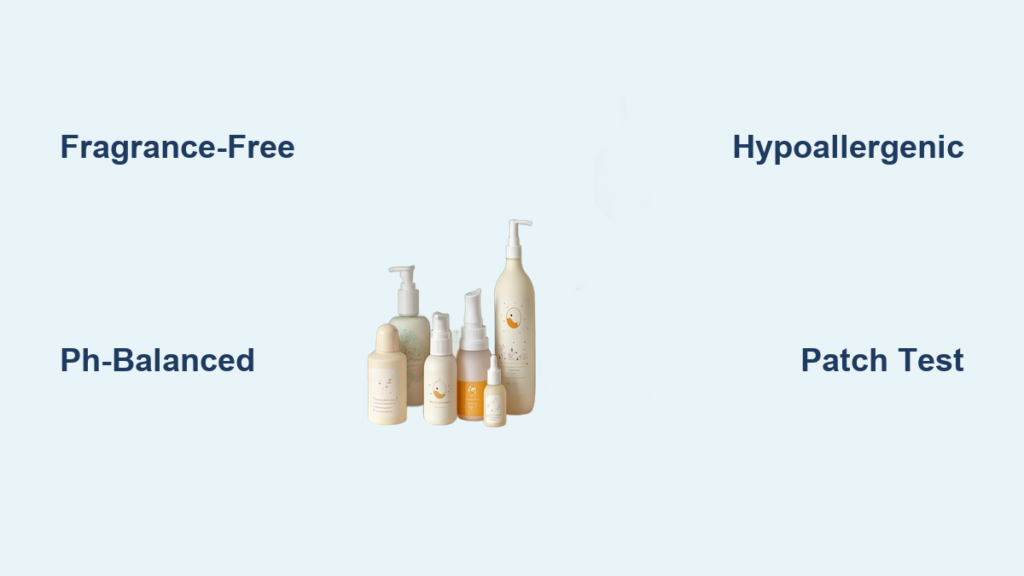
Choosing safe, effective baby skincare products is more than just picking the prettiest bottle off the shelf. Baby skin is ultra-thin, highly absorbent, and still developing, making it far more vulnerable than adult skin. The wrong cleanser or lotion can lead to dryness, rashes, or even disrupt the skin’s natural protective barrier. With so many options labeled “gentle” or “natural,” it’s easy to feel overwhelmed—especially when your baby’s comfort and health are on the line.
This guide gives you a clear, step-by-step method to confidently select baby skincare products that are truly safe and effective. You’ll learn how to decode labels, avoid hidden irritants, match products to your baby’s skin type, and build a simple routine backed by dermatologists. From pH balance to patch testing, every decision you make can support your baby’s skin health—starting today.
Know the Unique Needs of Baby Skin
Why Baby Skin Requires Special Formulas
Baby skin isn’t just smaller—it’s structurally different. The outer layer is thinner, the moisture barrier is underdeveloped, and it absorbs substances up to five times faster than adult skin. This means chemicals, fragrances, and allergens can penetrate more deeply, increasing the risk of irritation or systemic exposure. Additionally, baby skin has a less stable pH, making it harder to fight off bacteria and environmental stressors.
Because of this, babies are prone to dryness, diaper rash, cradle cap, and eczema. Using adult products—even those labeled “mild”—can strip natural oils and damage the delicate acid mantle. The right baby skincare supports healthy development by reinforcing the skin’s natural defenses from the start.
Common Skin Risks to Prevent
• Chemical irritation: Fragrances, dyes, and preservatives can cause redness, rashes, or stinging
• Over-drying: Harsh soaps remove essential lipids, leading to flaky, cracked skin
• Infections: Compromised skin allows bacteria or yeast to thrive, especially in skin folds
• Allergic reactions: Immature immune systems may overreact to common ingredients
The best way to protect against these risks is by choosing products specifically designed for infant skin biology—not just marketed as “for babies.”
Choose Hypoallergenic and Fragrance-Free Products
Why Fragrance Is a Top Irritant
Fragrance is one of the most common causes of skin reactions in infants—even in products labeled “natural” or “unscented.” The term “fragrance” can hide dozens of undisclosed chemicals, including allergens and hormone disruptors. Always choose fragrance-free (not “unscented,” which may contain masking scents) and hypoallergenic formulas to reduce the risk of irritation.
Look for trusted certifications like the National Eczema Association (NEA) seal, which verifies that a product meets strict standards for sensitivity. Brands like Cetaphil Baby and Aveeno Baby are consistently recommended for their minimal, non-irritating ingredients.
How to Read Ingredient Labels Like a Pro
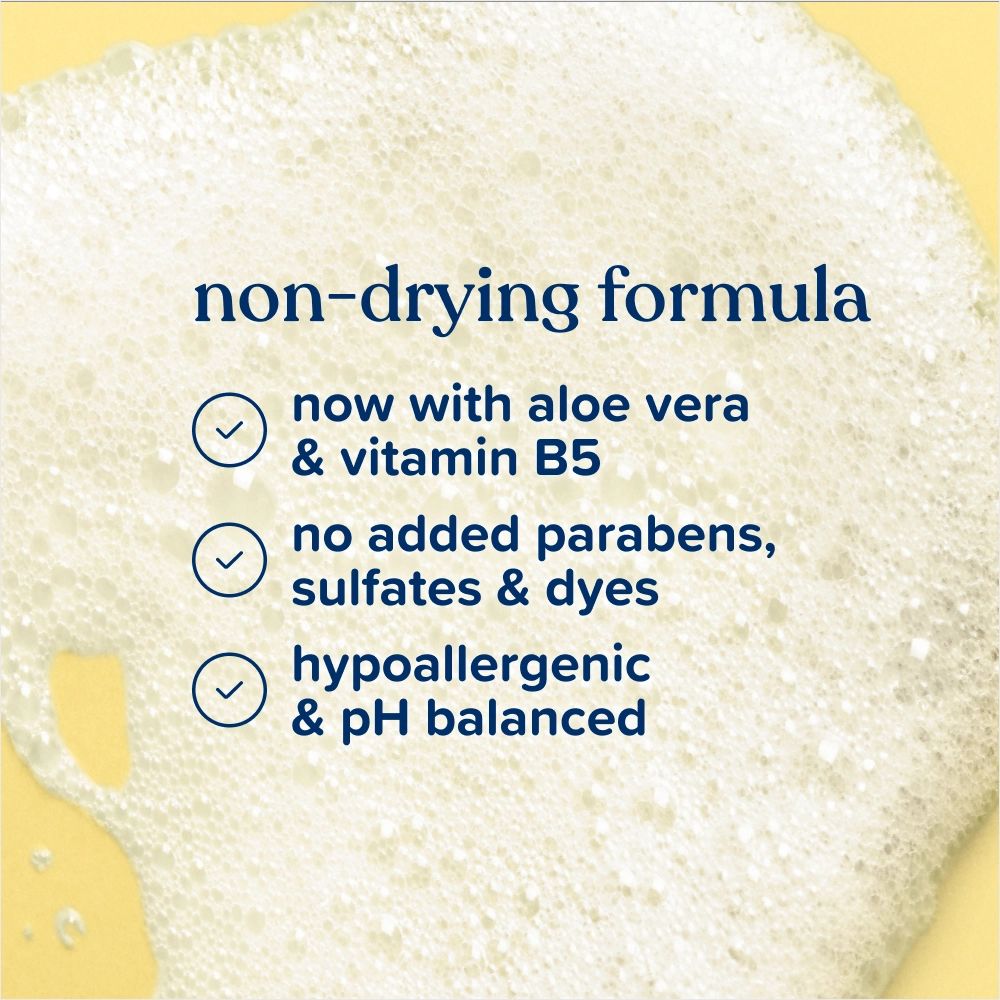
Scan the ingredient list for known irritants:
• Parabens (e.g., methylparaben): Preservatives linked to hormone disruption
• Sulfates (e.g., SLS): Harsh cleansers that strip natural oils
• Phthalates: Often hidden in “fragrance,” associated with developmental concerns
• Alcohol (ethanol, isopropyl): Drying and irritating, especially on broken skin
Aim for products with shorter ingredient lists—fewer components mean fewer chances for adverse reactions.
Prioritize pH-Balanced Formulas for Skin Protection
Match Your Baby’s Natural Skin pH
Healthy baby skin has a slightly acidic pH of around 5.5, which helps maintain the acid mantle—a protective layer that locks in moisture and blocks pathogens. Many adult soaps are alkaline (pH 9–10), which can disrupt this balance, leaving skin vulnerable to dryness and infection.
Always choose pH-balanced baby products, ideally labeled as such. These help preserve the skin’s microbiome and prevent harmful bacteria from taking hold. Top picks include Mustela Gentle Cleansing Gel and The Honest Company Shampoo & Body Wash, both formulated near pH 5.5.
Signs Your Baby’s Skin pH Is Off
• Skin feels tight or rough after washing
• Increased redness or irritation
• Frequent rashes or dry patches
• Recurring diaper rash
If you notice these, switch to a gentler, pH-appropriate cleanser immediately.
Pick Non-Comedogenic Moisturizers to Prevent Acne
Avoid Clogged Pores and Baby Breakouts
“Non-comedogenic” means the product won’t clog pores, which is essential for baby lotions and oils. Newborns often develop milia or baby acne due to blocked follicles—especially on the face. Heavy, greasy formulas can worsen this.
Opt for lightweight, fast-absorbing moisturizers like Aveeno Baby Soothing Relief Moisture Cream (with colloidal oatmeal) or Noodle & Boo Super Soft Lotion. These hydrate without leaving a greasy residue that traps dirt or oil.
Best Time to Apply Baby Moisturizer
Apply moisturizer within 3 minutes of bathing, while skin is still damp. This locks in water and boosts hydration. Use gentle patting motions—never rub—especially on delicate areas like cheeks and neck.
Trust Dermatologist-Tested and Pediatrician-Approved Brands
Why Medical Testing Matters
“Dermatologist-tested” and “pediatrician-approved” aren’t just marketing terms—they mean the product has been clinically evaluated for safety and effectiveness. These endorsements are especially valuable for babies with sensitive or reactive skin.
Top dermatologist-recommended brands include:
• Mustela – especially for eczema-prone skin
• Cetaphil Baby – ideal for daily cleansing
• Aveeno Baby – backed by clinical studies for dry, irritated skin
• Coterie – developed with dermatologists, high safety standards
These brands often publish their testing protocols and ingredient sourcing, offering real transparency.
Skip Trendy Ingredients Without Evidence
Just because an ingredient is “natural” doesn’t mean it’s safe. Essential oils, for example, can be highly irritating—even in small amounts. Stick to clinically proven ingredients like:
• Oat extract – soothes and repairs the skin barrier
• Ceramides – restore natural lipids
• Zinc oxide – protects and heals in diaper creams
• Prebiotics – support healthy skin flora (e.g., in Mustela Stelatopia)
Avoid buzzwords like “organic” or “clean” unless backed by real data.
Match Products to Your Baby’s Skin Type and Needs

Customize Skincare Based on Skin Condition
Not all babies have the same skin. Tailor your choices to your baby’s specific needs:
For Dry or Flaky Skin
Use a rich, fragrance-free cream like Aveeno Baby Soothing Relief Moisture Cream. Apply twice daily, especially after baths.
For Eczema-Prone Skin
Choose Mustela Stelatopia Emollient Cream, which contains prebiotic ingredients and nourishing lipids. It’s clinically proven to reduce flare-ups and repair the skin barrier.
For Sensitive Skin
Go for Cetaphil Baby Gentle Wash and Boudreaux’s Butt Paste for Sensitive Skin. Both are free from common irritants and highly rated for gentle care.
For Cradle Cap
Try Earth Mama Cradle Cap Cream (rated 5.0). Gently massage into the scalp, let sit for a few minutes, then brush with a soft baby brush. Follow with a mild shampoo.
Build a Simple, Effective Skincare Routine
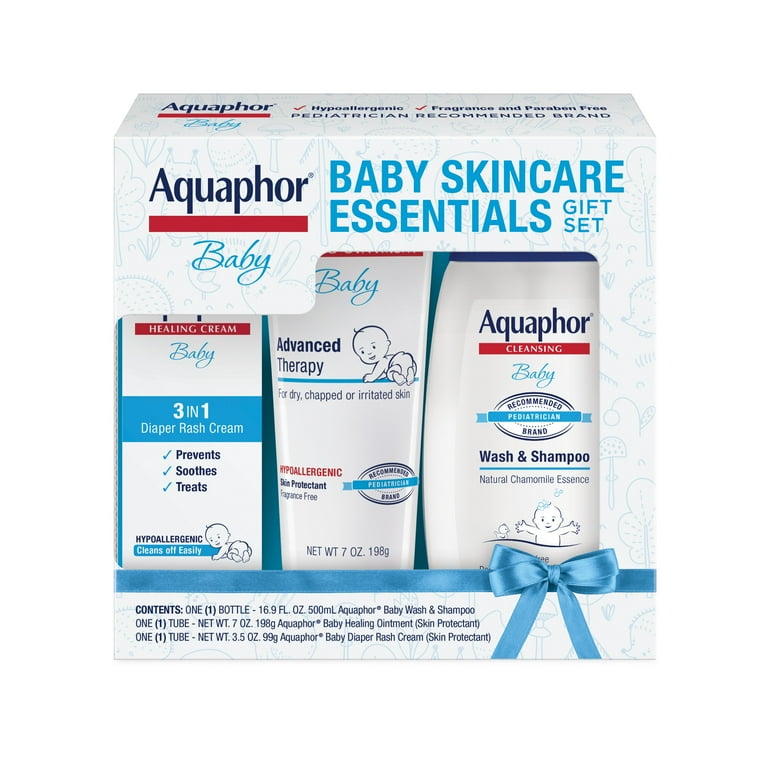
Stick to the Three Core Steps
A minimal routine is safest. Overloading with too many products increases the risk of irritation. Focus on just three essentials:
- Cleanse 2–3 times per week with a gentle, no-tears wash
- Moisturize daily, especially after baths
- Protect the diaper area with a barrier cream at every change
Avoid multi-step regimens or “luxury” treatments unless medically needed.
Sample Daily Skincare Schedule
• Morning: Wipe face and hands with a soft cloth; apply face lotion if dry
• Diaper Changes: Cleanse gently, pat dry, apply zinc-based cream
• Bath Time (2–3x/week): Use lukewarm water, mild cleanser, pat dry, moisturize immediately
• Bedtime: Reapply moisturizer if needed, especially in winter
Always Patch Test New Products
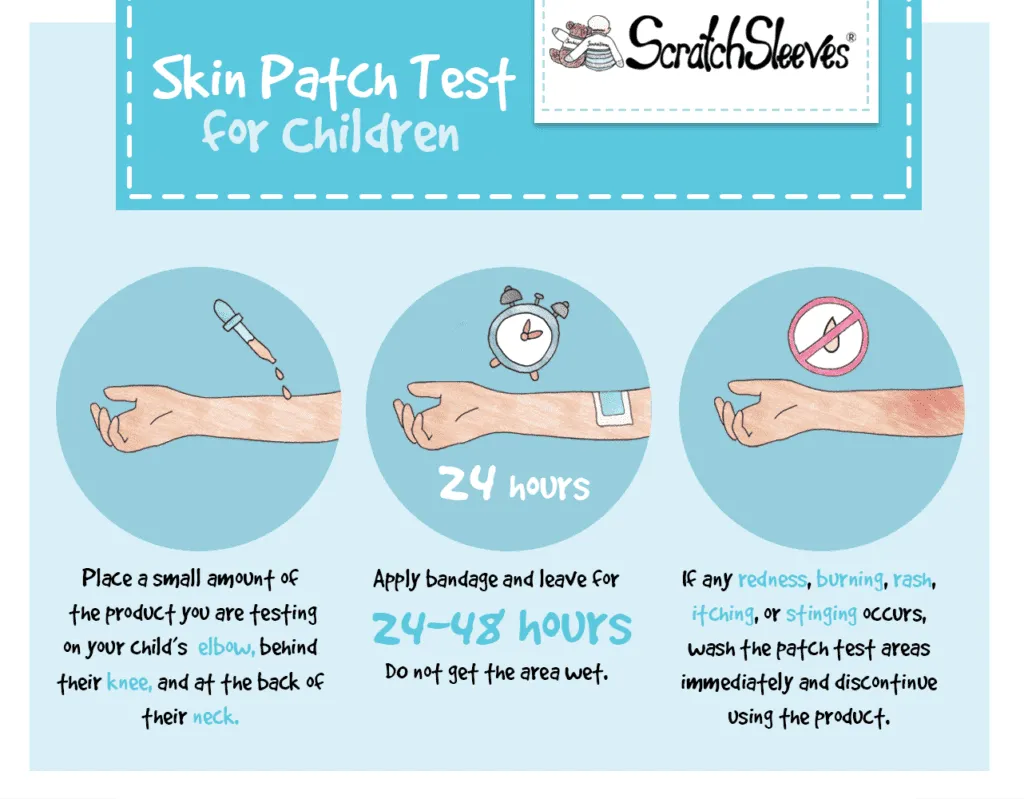
How to Safely Introduce a New Product
Never apply a new product all over without testing first. Here’s the correct method:
1. Apply a pea-sized amount to the inner forearm
2. Wait 24 hours
3. Check for redness, swelling, or rash
If there’s no reaction, it’s safe to use. Introduce only one new product at a time so you can identify the culprit if irritation occurs.
Watch for Delayed Reactions
Some sensitivities appear after repeated use. Monitor your baby’s skin for:
• Persistent redness
• Dry, flaky patches
• Increased fussiness during application
Discontinue any product that causes discomfort—even if the first use seemed fine.
Top-Rated Baby Skincare Products by Category

Best Cleansers for Babies
Cetaphil Baby Gentle Wash
• Fragrance-free, non-irritating
• Safe for daily use, even on newborns
Burt’s Bees Baby Shampoo & Wash
• Natural ingredients (honey, aloe)
• No-tears formula
Mustela Gentle Cleansing Gel
• pH 5.5, dermatologist-recommended
• Ideal for sensitive skin
Best Moisturizers
Aveeno Baby Soothing Relief Cream
• Colloidal oatmeal for calming
• Free from parabens, phthalates, fragrance
Noodle & Boo Super Soft Lotion
• 4.9-star rating, lightweight
• Unscented option available
Best Diaper Rash Creams
Boudreaux’s Butt Paste Maximum Strength
• 5.0-star rating, fast-acting
• FSA/HSA eligible
Mustela Diaper Rash Cream 123
• Three-step protection system
• pH-balanced, gentle for daily use
Earth Mama Organic Diaper Balm
• 100% organic, plant-based
• Soothes with calendula and chamomile
Best for Eczema & Special Needs
Mustela Stelatopia Emollient Cream
• Dermatologist-recommended for atopic dermatitis
• Restores skin barrier with prebiotics
Earth Mama Cradle Cap Cream
• 5.0-star rated, gentle exfoliation
• Safe for newborns
Avoid These Common Baby Skincare Mistakes
Never Use Adult Skincare Products
Adult lotions and soaps are too harsh for baby skin. They often contain alcohol, fragrance, and higher pH levels that can cause dryness and irritation. Always use baby-specific formulations.
Don’t Over-Bathe Your Baby
Bathing daily strips natural oils. Limit full baths to 2–3 times per week. Use sponge baths in between. Keep water lukewarm and baths under 10 minutes.
Never Skip the Patch Test
Even high-rated products can cause reactions. Always test first—no exceptions.
Check Expiration Dates Regularly
Old or degraded products can harbor bacteria or lose effectiveness. Discard anything that smells off or has changed texture.
When to See a Pediatric Dermatologist
Recognize These Warning Signs
See a doctor if your baby has:
• Rashes that don’t improve in 3–5 days
• Signs of infection (oozing, warmth, swelling)
• Severe eczema or widespread dryness
• Reactions to multiple products
A pediatric dermatologist can diagnose allergies, recommend prescription treatments, or confirm skin conditions.
Get Advice Early for High-Risk Babies
If your baby has a family history of eczema or allergies, talk to your pediatrician before choosing products. They may suggest a specific brand or routine to prevent flare-ups.
Frequently Asked Questions About Baby Skincare Products
How long should I use baby-specific skincare products?
Continue using baby-specific products throughout infancy and early childhood. Transition to adult products only when skin is mature and tolerant, usually around age 3 or older. Always monitor for reactions during the switch.
Can I use regular lotion on my baby?
No. Regular lotions often contain fragrances, alcohol, and higher pH levels that can irritate or dry out baby skin. Always use products specifically formulated for babies.
How often should I bathe my baby?
Bath your baby 2–3 times per week. More frequent bathing can dry out delicate skin. Use sponge baths between full baths to keep your baby clean.
What causes cradle cap and how do I treat it?
Cradle cap is a common condition causing scaly patches on the scalp. Treat it with a gentle product like Earth Mama Cradle Cap Cream, massage in, let sit, then brush with a soft baby brush. Wash with a mild shampoo.
Are organic baby skincare products safer?
Not always. “Organic” doesn’t mean hypoallergenic. Some plant-based ingredients (like essential oils) can be irritating. Focus on fragrance-free, dermatologist-tested products instead of marketing labels.
Should I add baby skincare products to my baby registry?
Yes. Skincare essentials like gentle cleansers, moisturizers, and diaper creams are practical, frequently used items. Consider gift sets from Coterie, Tubby Todd, or Earth Mama for a complete starter collection.
Key Takeaways for Choosing Safe Baby Skincare
Choosing the right baby skincare products comes down to safety, simplicity, and science. Focus on hypoallergenic, fragrance-free, pH-balanced formulas from dermatologist-tested brands. Keep routines minimal—just cleanse, moisturize, and protect. Always patch test new products and tailor choices to your baby’s skin type.
Start with trusted, top-rated options like Cetaphil, Aveeno, or Mustela, and adjust as your baby grows. When in doubt, consult your pediatrician. With the right approach, you can keep your baby’s skin healthy, soft, and protected—naturally and confidently.





