
Choosing the right baby stroller is one of the most important decisions new parents make. With so many models, features, and price points, it’s easy to feel overwhelmed. But the best stroller isn’t the most expensive or the trendiest—it’s the one that fits your lifestyle, space, and family needs. Whether you live in a city apartment, hike on rural trails, or plan to have more than one child, the right stroller can make daily life easier and more enjoyable. This guide breaks down exactly what to look for—so you can make a confident, informed choice.
You’ll learn how to match stroller types to your family size, ensure it fits in your car and home, pick the right wheels for your terrain, and avoid common mistakes like ignoring car seat compatibility. We’ll cover weight limits, folding mechanisms, seat comfort, basket capacity, weather protection, fabric quality, and essential accessories—all based on real-world needs and expert insights.
Match Your Stroller to Family Size and Plans
Your current and future family plans should shape your stroller choice more than any marketing claim.
One Child Now, Maybe More Later?
If you’re starting with one baby and unsure about expanding, a lightweight single stroller like the Nuna Mixx is ideal. It’s compact, easy to fold, and perfect for urban living, travel, or quick errands. You won’t regret starting simple—especially if you can upgrade later.
These models are easier to store and maneuver, making them great for first-time parents who want flexibility without overcommitting.
Planning Two Kids Within 2–3 Years?
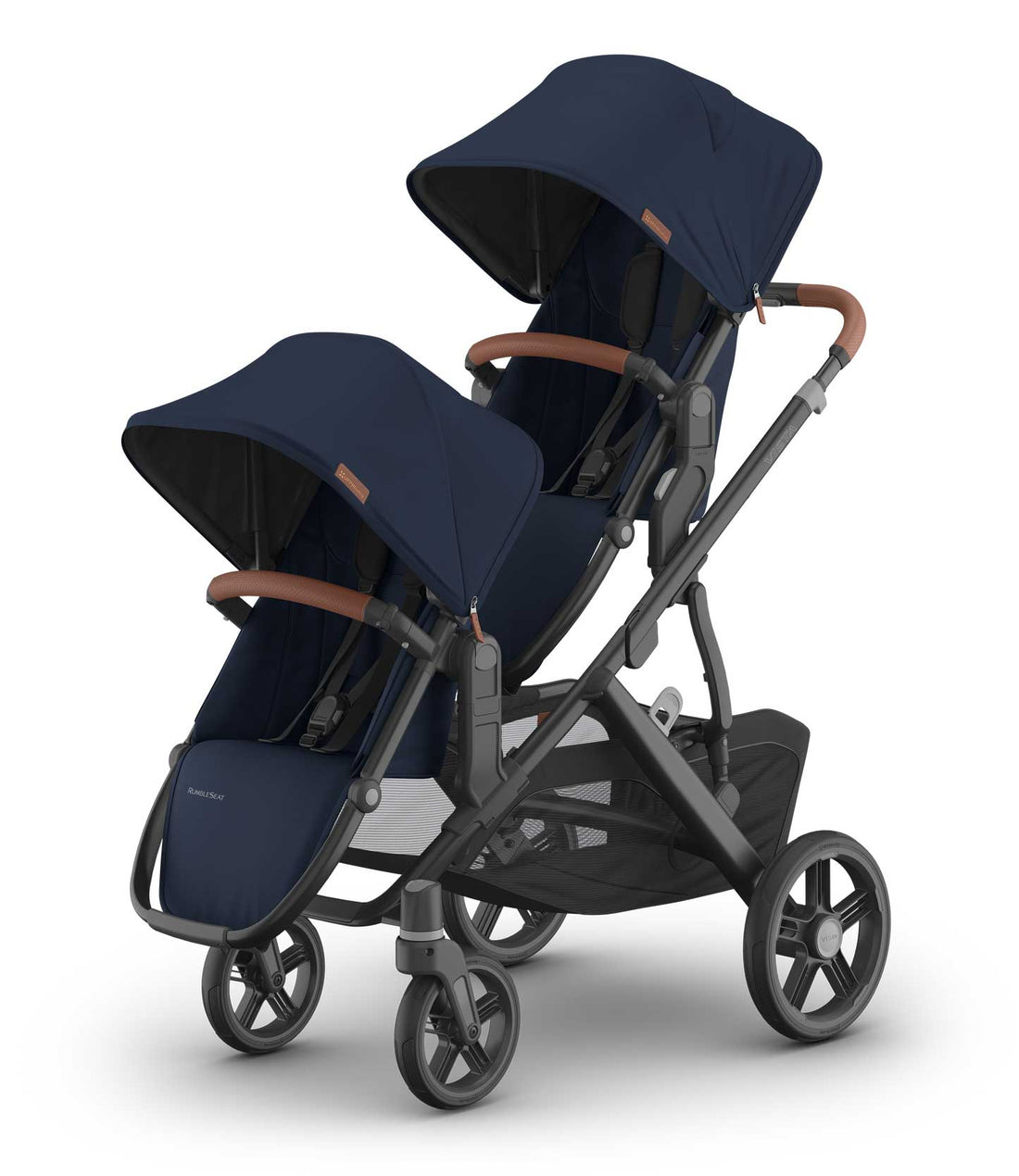
Consider a single-to-double convertible stroller. These let you begin with one seat and add a second when your family grows. They’re cost-effective and save storage space in the early months.
Brands like UPPAbaby Vista and Nuna Demi Grow offer seamless expansion with minimal hassle. You can often use the same frame for years, adding seats, bassinets, or even a ride-along board as your kids grow.
Having Kids Close Together?
If your children will be under three years apart, go straight for a full-size side-by-side double stroller. Models like the Cybex Gazelle or UPPAbaby Vista V2 provide balanced weight distribution, independent reclines, and the ability to face babies toward or away from you.
This setup offers long-term value and avoids the need for a second stroller. Look for models with modular designs so you can customize seating configurations as your kids age.
Pro tip: You don’t need to buy a double stroller upfront. A single can be resold or repurposed—just ensure your long-term model is compatible with your current gear.
Fit the Stroller Into Your Car and Home
Storage space is often overlooked—but it’s critical.
Will It Fit in Your Trunk and Hallway?
Not all strollers fold the same. Ask yourself:
– Does it fit in your car trunk?
– Can it stand upright in a small closet?
– Will you need to lift it into an SUV or sedan?
Test folding it in your actual space. A stroller that won’t fit in your car is useless, no matter how fancy it is.
Know the Different Fold Types
• Lay-flat folds: Take up more width. Best for garages or large storage areas.
• Self-standing folds: Stay upright when folded—great for tight hallways or apartment elevators.
• Compact folds: Ideal for small cars or city living. Often found on umbrella strollers or travel models.
• Top-loading flat folds: Let you stack groceries or bags on top—perfect for hands-free shopping.
Visual cue: Look for strollers with a “one-hand fold” and automatic lock. These save time and effort during busy days.
Pick the Right Wheels for Your Daily Terrain

Your walking environment determines the best wheel setup.
Need Off-Road Capability?
If you walk on trails, grass, gravel, or cobblestone streets, jogging strollers with large pneumatic tires (like the BOB Revolution) offer superior shock absorption and stability. They’re heavier but worth it for off-road comfort.
These models often have a front-wheel lock for straight-line pushing and are ideal for active families who enjoy outdoor adventures.
Walk on Mixed Surfaces?
For parents who navigate sidewalks, parks, and uneven pavement, all-terrain strollers with larger wheels (e.g., Baby Jogger City Select) handle bumps and curbs smoothly. They strike a balance between durability and maneuverability.
All-terrain models are versatile enough for city and suburban use, with swivel front wheels for tight turns and suspension for comfort.
Mostly on Smooth Pavement?
If you’re mostly indoors—malls, airports, or smooth city streets—compact strollers with small wheels are lighter and easier to steer. They’re ideal for travel systems or backup strollers.
Rule of thumb: If 70% of your walks are on pavement, small wheels are fine. If you hit rough terrain often, go big.
Can You Lift and Use It Every Day?
Weight matters more than you think.
Test It Before You Buy
Visit a store and try:
1. Lifting it into your car
2. Folding it with one hand
3. Carrying it up a flight of stairs
A stroller that feels light in the store may feel heavy after six months of daily use.
Heavy vs. Lightweight: What’s the Trade-Off?
• Heavier strollers (30+ lbs): More durable, stable, and feature-rich. Common in full-size doubles.
• Lightweight models (10–20 lbs): Easy to carry but may lack recline, storage, or all-terrain capability.
Consider E-Assist for Hills and Long Walks
Models like the UPPAbaby Vista with e-assist use a motorized wheel to reduce pushing effort—ideal for hilly areas, long commutes, or parents with back issues. It’s a game-changer for active families.
Warning: Don’t choose a stroller you can’t lift comfortably. Daily strain leads to back pain and frustration.
Check Car Seat Compatibility First
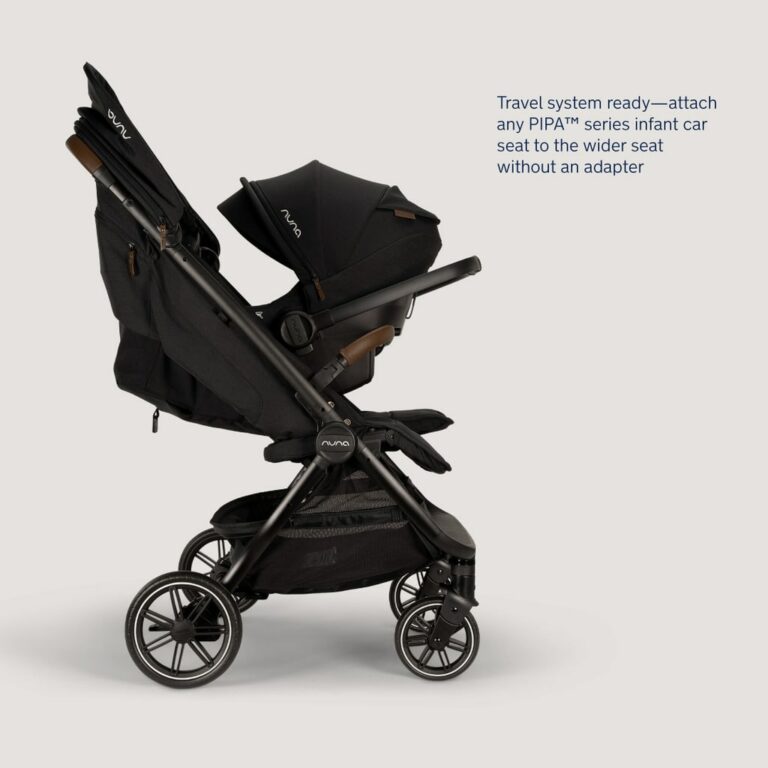
Never buy a stroller before checking car seat fit.
Brand-Specific Systems: Simpler but Less Flexible
Some brands only work with their own car seats:
– Nuna strollers → Nuna PIPA car seat
– Chicco strollers → Chicco KeyFit
This can simplify setup but limits flexibility if you want to switch brands later.
Universal Adapters Offer More Freedom
Brands like UPPAbaby, Britax, and Graco offer adapters for third-party car seats. You can mix and match brands—great if you already own a car seat.
Always Verify Compatibility
Check:
• Is your car seat on the stroller’s compatibility list?
• Do you need an adapter (and how much does it cost)?
• Can the car seat attach securely without wobbling?
Pro tip: If you already have a car seat, start your search there. Avoid buying a stroller that doesn’t support it.
Choose a Folding Mechanism You’ll Actually Use
How you fold the stroller affects daily convenience.
Seat-On Fold: Fast but Bulky
The seat stays on during folding. Found on many premium models.
Pros: One-handed fold, fast for quick trips
Cons: May not stand upright, bulkier when folded
Seat-Off Fold: Compact but Slower
Remove the seat first, then fold the frame. Often seen in travel strollers.
Pros: Smaller folded size, easier to carry
Cons: Two-step process, less convenient with a baby in arms
Collapsible Seat Fold: Best of Both Worlds
Seat collapses into the frame, then folds down. Offers compact storage and self-standing stability. Found on models like the Cybex Gazelle S.
Ask yourself: How many times a day will you fold it? Choose speed and compactness based on your routine.
Prioritize Seat Comfort and Recline Options
Your baby’s comfort starts with the seat.
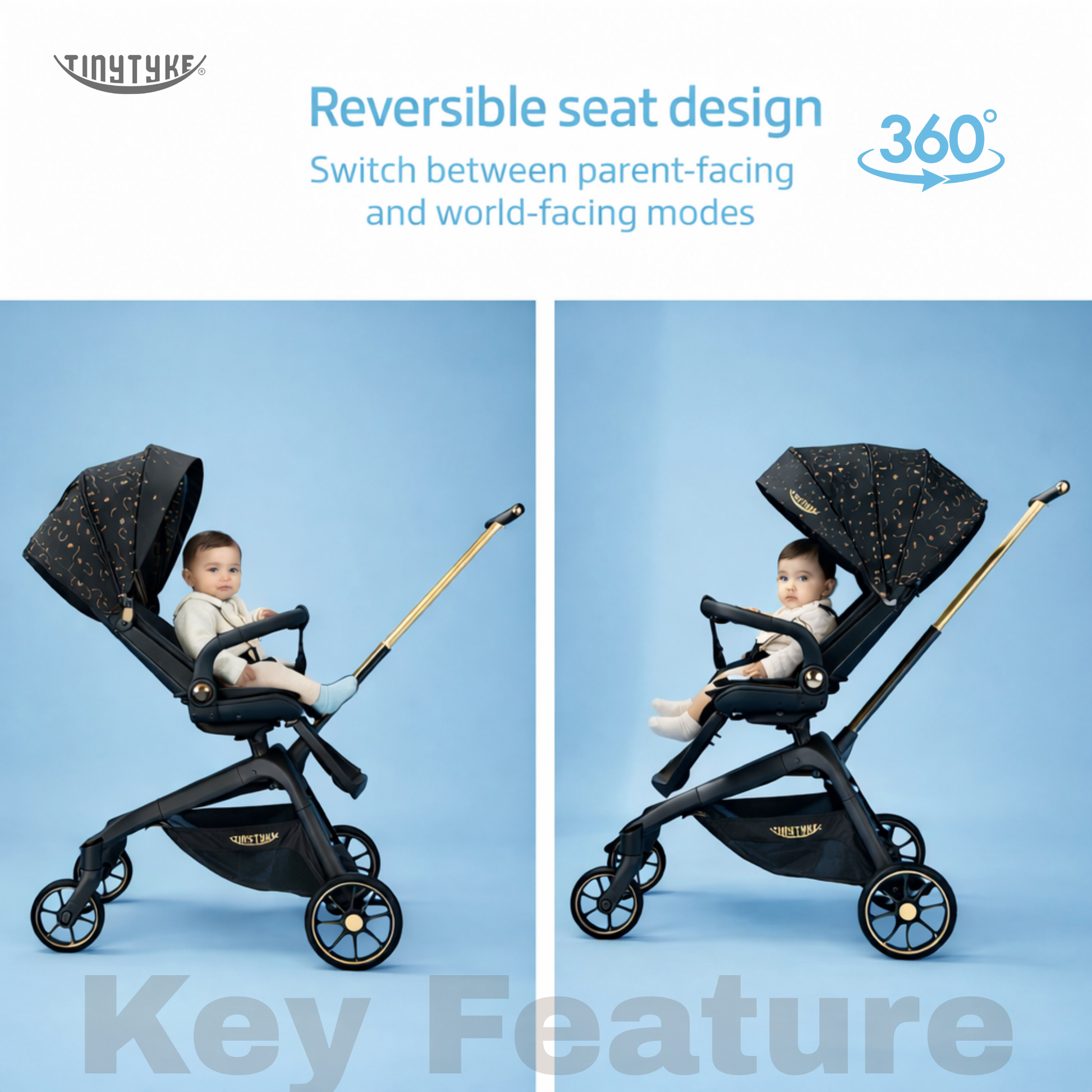
Reversible Seats for Bonding and Exploration
Higher-end strollers (e.g., UPPAbaby Vista, Nuna Demi Grow) let you switch the seat to face you or the world.
• Face-to-parent: Calms newborns, strengthens bonding
• Face-to-world: Engages older babies with surroundings
Full-Flat Recline Is Essential for Newborns
Not all reclines are equal:
• Partial recline: Suitable for older infants
• Full-flat recline: Essential for newborns who can’t sit up
Look for a stroller that lies completely flat—no gap between back and leg rest. This supports healthy spine development and safe napping.
Note: If you’re not using a bassinet or pram, a full-flat recline is non-negotiable for newborns.
Size the Basket Capacity for Real-World Use
The undercarriage basket is your mobile command center.
Double Strollers = Bigger Baskets
They typically offer 20–30 lbs of storage—enough for groceries, diaper bags, and toys.
Single Strollers Can Still Haul
Some lightweight models surprise with spacious baskets. Test by loading:
• A full diaper bag
• Two grocery bags
• A water bottle and jacket
Can you still close the stroller? Does the basket sag?
Avoid: Strollers with tiny, flimsy baskets that hold little more than a pacifier.
Protect Baby From Weather and Sun Exposure
Your local climate should guide canopy choices.
High UPF 50+ Canopies Are Essential
Especially in sunny regions (e.g., Florida, Arizona, Southern Europe). Look for:
• Extended coverage over feet and legs
• Adjustable peaks to block low-angle sun
• Ventilation panels to prevent overheating
Weather-Ready Features to Look For
• Rain covers: Keep baby dry during sudden downpours
• Insect nets: Crucial for camping, lakes, or forested areas
• Insulated foot muffs: For cold climates—some attach magnetically
• Peekaboo windows: Let you check on baby without exposing them
Pro tip: A good canopy should block 98% of UV rays—don’t skip this protection.
Choose Fabrics That Last and Clean Easily
What your baby touches matters—especially for sensitive skin.
No-Re-Thread Harnesses Save Time
Adjust shoulder straps without pulling fabric through buckles. Found on premium models—makes dressing easier during wiggly moments.
Magnetic Buckles for One-Handed Use
Fasten the chest clip with a snap. Reduces struggle during diaper changes or grocery runs.
Ventilated and Weather-Resistant Fabrics
• Mesh panels: Promote airflow in summer
• Water-resistant exteriors: Shed rain and spills
• Stain-resistant coatings: Wipe clean with a damp cloth
Sustainable Materials Are a Plus
Look for:
• Recycled polyester fabrics
• Flame-retardant-free padding
• OEKO-TEX certified textiles (free from harmful chemicals)
Test it: Rub the fabric with a wet wipe. Does it clean easily? Is it soft against your skin?
Plan for Growth With Accessories
Think beyond day one—what will you need in 12 months?
Must-Have Upgrades
• Snack trays and cup holders: Keep snacks and drinks within reach
• Parent console: Built-in storage for phone, keys, and wallet
• Ride-along board: Lets older siblings (3–5 years) hop on the back
• Infant car seat adapters: If not included
• Rain cover and insect net: Seasonal essentials
Check Accessory Compatibility
Not all brands offer the same add-ons. Verify:
• Does your stroller support a bassinet?
• Can you attach a second seat later?
• Are accessories sold separately (and how much do they cost)?
Pro tip: List your top 3 future needs and confirm they’re available for your shortlisted models.
Frequently Asked Questions About Choosing a Baby Stroller
What is the most important feature when choosing a baby stroller?
Car seat compatibility is the most critical feature. Never buy a stroller without confirming it works with your car seat. A mismatch means extra costs, adapters, or buying new gear.
Can I use a single stroller for two kids?
Yes, if you choose a single-to-double convertible stroller like the UPPAbaby Vista or Nuna Demi Grow. These let you add a second seat later, saving money and storage space.
How do I know if a stroller will fit in my car?
Fold the stroller and test it in your trunk. Measure the folded dimensions and compare them to your car’s cargo space. Compact folds fit best in sedans; lay-flat folds need more room.
Are expensive strollers worth it?
They can be—if you need the features. Premium strollers offer better durability, smoother rides, full-flat reclines, and long-term accessories. But if you only walk on smooth surfaces, a mid-range model may suffice.
What stroller is best for city living?
A lightweight, compact stroller with a one-hand fold and small wheels—like the Nuna Mixx or Babyzen YOYO+—is ideal for city living. Look for self-standing folds and airline-approved travel ratings.
When should I buy a double stroller?
Buy a double stroller if you’re having two kids under three years apart or using it for twins. If not, start with a single and upgrade later with a convertible model.
Key Takeaways for Choosing the Right Baby Stroller
The best stroller is the one that fits your life—not someone else’s. Start by ranking your must-have features: car seat compatibility, folding ease, storage fit. Then add nice-to-have perks like reversible seats or e-assist.
Test models in person, involve your partner, and trust your instincts. A stroller that works for your routine will make parenting easier—one push at a time.





