

Choosing the right pediatrician for your baby sets the foundation for a lifetime of healthy development. This doctor will guide you through everything from newborn care and vaccinations to growth milestones and illness management. A strong partnership with a trusted pediatrician gives you confidence in your parenting decisions and ensures your child receives consistent, high-quality medical care from day one.
Starting your search early—ideally in the second or third trimester—gives you time to research options, meet providers, and make a calm, informed decision. The ideal pediatrician combines medical expertise with compassion, clear communication, and convenient access. This guide walks you through every step of how to choose a pediatrician for baby, so you can find a provider who aligns with your family’s needs and values.
Begin Your Pediatrician Search in the Second Trimester
Timing is key when selecting a pediatrician. Starting your search between 28 and 32 weeks of pregnancy allows enough time to evaluate options without last-minute stress after delivery.
Get Referrals from Trusted Parents and Providers
Ask friends, family members, or coworkers with young children for recommendations. Real-world experiences reveal important details like how responsive a doctor is during illness or whether the office runs on time.
Your OB-GYN or midwife can also suggest pediatricians who accept newborns and are affiliated with your delivery hospital. These referrals often come from established professional relationships and shared patient care protocols.
Confirm Insurance Coverage and Office Location
Only consider pediatricians in your health insurance network to avoid unexpected costs. Use your insurer’s online directory or call customer service to verify coverage.
Choose a clinic within 15–20 minutes of your home. Quick access matters during fevers, breathing issues, or other urgent situations. Consider traffic patterns, parking availability, and public transit options when evaluating location.
Check Pediatrician Credentials and Training

Medical qualifications should be your first filter. A well-trained pediatrician ensures your baby receives evidence-based, safe care from birth onward.
Verify Board Certification Through ABP
Ensure the pediatrician is certified by the American Board of Pediatrics (ABP). Certification means they completed an accredited residency and passed comprehensive exams in child health.
You can confirm their status at abp.org. The site also shows any disciplinary history or gaps in licensure, helping you make a fully informed choice.
Compare Practice Types and Medical Philosophies
Decide whether you prefer a solo practice, group clinic, or pediatric center. Group practices often offer better weekend and holiday coverage, while solo providers may give more personalized attention.
Discuss their approach to common topics like breastfeeding, vaccine schedules, sleep training, and antibiotic use. A pediatrician whose philosophy matches yours reduces stress and supports consistent care.
Schedule a Prenatal Meet-and-Greet Appointment
Most pediatric offices offer free prenatal visits so you can meet the doctor, tour the clinic, and ask questions. Treat this like an interview—your comfort matters as much as their credentials.
Tour the Office for Cleanliness and Safety
Look for a clean, organized space with a separate waiting area for sick children to reduce infection risk. Infant-safe toys and books should be available but cleaned regularly.
Check if exam rooms are private and equipped for newborns. A welcoming environment helps both baby and parent feel at ease during future visits.
Ask These Key Questions During the Visit
Bring a list of essential questions, including:
- What is your vaccination policy?
- How do you handle after-hours emergencies?
- Who covers for you when you’re unavailable?
- Do you offer same-day sick visits?
- How are lab tests and specialist referrals handled?
Pay attention to how the pediatrician responds. Do they listen without rushing? Do they explain things clearly? Communication style is just as important as medical knowledge.
Review Office Logistics and Patient Policies

Even the best pediatrician can be hard to work with if the office systems are outdated or inconvenient. Evaluate practical factors that affect your long-term experience.
Evaluate Appointment Availability and Wait Times
Ask how quickly you can get a well-baby visit in the first month. Newborns need checkups at 1 week, 1 month, and 2 months—timely access is critical.
Find out if the office offers extended hours, weekend clinics, or same-day appointments for urgent concerns. Long wait times during illness can increase stress for both baby and parent.
Understand Communication Methods and Response Times
Ask if the office uses a patient portal for secure messaging, appointment requests, or prescription refills. Telehealth visits can also save time for minor concerns.
Inquire how long it typically takes to receive a callback from a nurse. Fast, reliable communication is essential when your baby has a fever or feeding issue.
Clarify Billing, Paperwork, and Cancellation Policies
Ask what forms you need to complete before the first visit. Submit insurance details and emergency contacts early to streamline the process.
Find out if the office charges for missed appointments or phone consultations. Clear billing practices prevent surprises and build trust.
Match the Pediatrician to Your Family’s Unique Needs
Every family has different priorities. Consider cultural, linguistic, or medical factors that influence your care preferences.
Prioritize Language and Cultural Compatibility
If English isn’t your first language, look for a pediatrician who speaks your native language or has bilingual staff. Clear communication improves understanding and trust.
Some practices specialize in serving specific cultural communities and may be more familiar with traditional parenting practices or dietary habits.
Confirm Hospital Affiliation and Newborn Care Plans
Choose a pediatrician affiliated with your delivery hospital. This ensures they can examine your baby shortly after birth and coordinate care if needed.
Ask whether the pediatrician makes hospital rounds personally or if a hospitalist team handles newborn evaluations. Knowing this helps set expectations for early care.
Trust Your Gut When Making the Final Decision
After gathering facts, listen to your instincts. You know your family best—choose a pediatrician who makes you feel respected, supported, and confident.
Assess Your Comfort Level with the Doctor
Did the pediatrician listen to your concerns? Did they speak clearly and make eye contact? A strong relationship is built on mutual respect and open communication.
You’ll be sharing intimate details about your baby’s health—make sure you feel safe and heard.
Include Your Partner in the Decision
If applicable, bring your co-parent to the meet-and-greet. Both of you should feel comfortable with the pediatrician, since you’ll rely on them for years.
Discuss your impressions afterward. Do you share the same level of trust? Alignment between caregivers strengthens your parenting team.
Prepare for Your Baby’s First Pediatric Visit
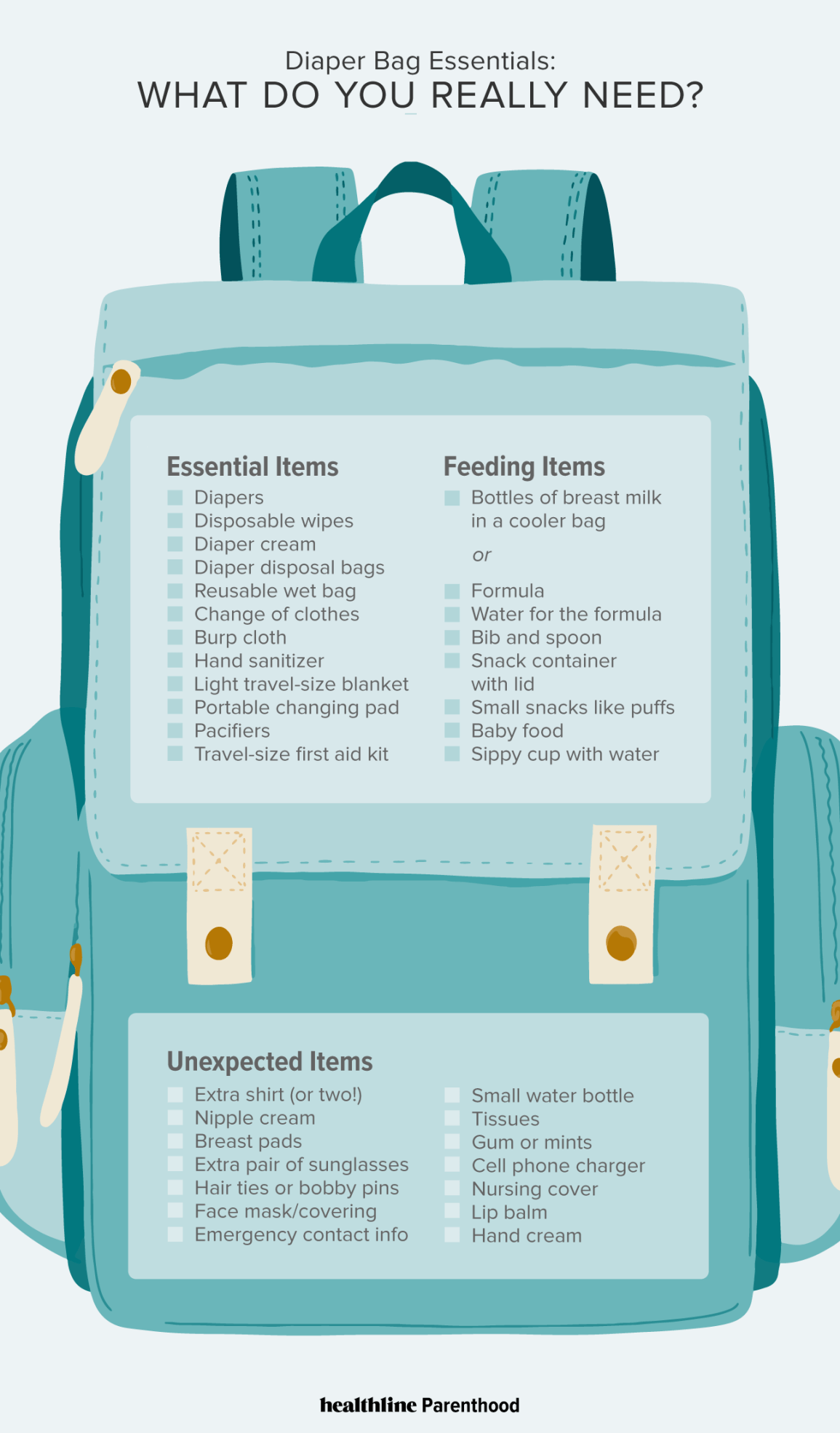
Once you’ve chosen a pediatrician, complete enrollment steps and get ready for the first appointment.
Submit New Patient Paperwork in Advance
Fill out medical history forms, insurance verification, and emergency contact details before the visit. Many offices offer online portals to simplify this process.
Ask if they require a newborn packet or hospital discharge summary to be sent directly from your delivery facility.
Pack These Essentials for the First Appointment
Bring the following to your baby’s first visit:
- Hospital discharge summary
- Birth certificate or insurance card
- Feeding and sleep log
- List of questions or concerns
Dress your baby in easy-to-remove clothing and pack a well-stocked diaper bag with extras.
Key Takeaways for Choosing the Right Pediatrician for Your Baby
Selecting a pediatrician is one of the most important early decisions you’ll make as a parent. Start your search in the second or third trimester to allow time for research and interviews. Focus on board-certified providers who are in-network, conveniently located, and aligned with your parenting values.
Use meet-and-greet visits to assess communication style, office environment, and policies. Ask about after-hours care, appointment access, and how they handle common issues like vaccines and illness. Trust your instincts—your comfort and confidence in the pediatrician matter just as much as their credentials.
Once you’ve made your choice, complete paperwork early and prepare for the first visit. The best pediatrician for your baby is one who supports your family with expertise, empathy, and reliability from day one.
Frequently Asked Questions About Choosing a Pediatrician for Baby
When should I choose a pediatrician for my baby?
Ideally, select a pediatrician between 28 and 32 weeks of pregnancy. This gives you time to research, interview providers, and enroll before delivery, ensuring smooth care after birth.
Do I need a pediatrician before the baby is born?
Yes. Most hospitals require you to designate a pediatrician before delivery so they can notify the provider to see your baby shortly after birth.
What questions should I ask during a pediatrician meet-and-greet?
Ask about vaccination policies, after-hours care, coverage when the doctor is unavailable, same-day sick visits, and communication methods. Also, inquire about hospital affiliation and newborn checkup procedures.
How do I know if a pediatrician is a good fit?
A good fit listens to your concerns, explains clearly, respects your parenting choices, and makes you feel comfortable. The office should be clean, organized, and responsive to patient needs.
Can I switch pediatricians after choosing one?
Yes. If the pediatrician doesn’t meet your expectations or your family’s needs change, you can switch. Update your insurance and transfer medical records to the new provider.
What if my preferred pediatrician isn’t in my insurance network?
Out-of-network care can lead to higher costs. Check if exceptions or special approvals are possible, but consider in-network alternatives to avoid unexpected bills.





