
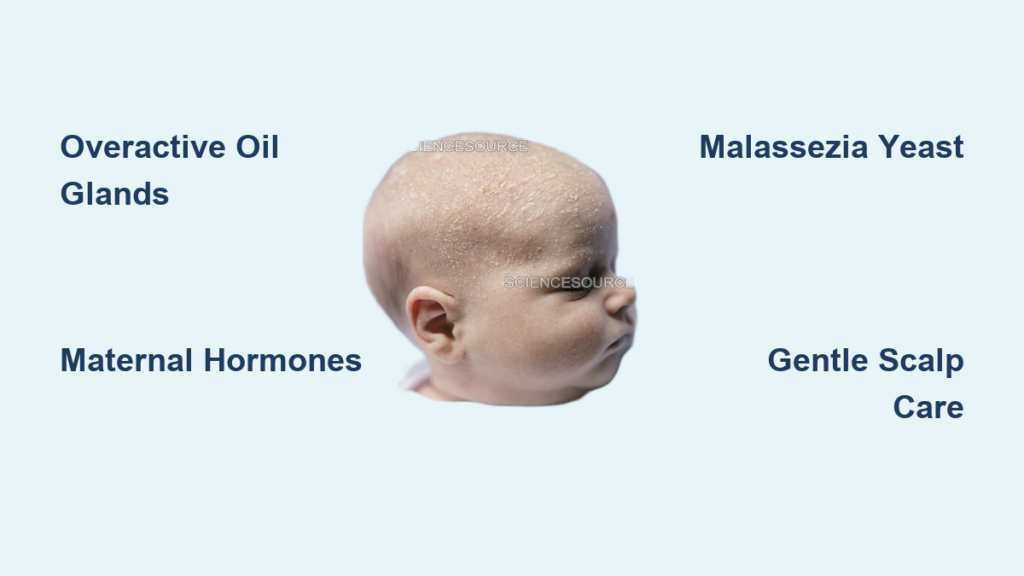
You’ve just noticed yellow, scaly patches on your baby’s scalp. They’re greasy, stubborn, and maybe spreading. Your first thought: Did I do something wrong? Reassuringly, cradle cap—a common skin condition in infants—is not caused by poor hygiene, allergies, or anything you did or didn’t do. Nearly 70% of babies experience it, usually within the first 3 weeks to 12 months of life. While it looks concerning, cradle cap is harmless, not itchy, and typically clears up on its own. But how do babies get cradle cap in the first place? The answer lies in a mix of maternal hormones, overactive oil glands, and a harmless skin fungus. This guide explains the science behind cradle cap, how to manage it safely, and when to seek medical help—so you can care for your baby’s delicate skin with confidence.
Cradle cap, medically known as infantile seborrheic dermatitis, is a temporary phase in skin development. You’ll learn what causes it, how it appears on different skin tones, and the safest ways to treat it at home. We’ll also cover warning signs that require a doctor’s visit and how to avoid common care mistakes. With gentle routines and accurate knowledge, you can support your baby’s skin health without stress.
Why Babies Develop Cradle Cap
Overactive Oil Glands Trigger Scale Buildup
Newborns have overactive sebaceous glands, especially on the scalp. These glands produce sebum, a natural oil that protects skin but can accumulate in excess. When too much sebum is present, dead skin cells stick together instead of shedding. This creates the thick, greasy scales seen in cradle cap. Because infant skin is still maturing, it’s more prone to this temporary imbalance than adult skin.
Maternal Hormones Stimulate Oil Production
One key reason for excess sebum is hormones passed from mother to baby during pregnancy. Estrogen and other hormones cross the placenta late in gestation, stimulating the baby’s oil glands before birth. These hormones remain active in the baby’s system for weeks after delivery, keeping oil production high. As hormone levels naturally decline over the first year, sebum production slows—and cradle cap typically fades with it.
Malassezia Yeast Feeds on Oil and Worsens Scaling
A naturally occurring fungus called Malassezia lives on everyone’s skin, including babies. It thrives in oily environments and feeds on sebum. In some infants, this yeast multiplies more than usual, irritating the skin and increasing scaling. While not an infection, this overgrowth is believed to play a role in cradle cap. The fact that antifungal treatments like ketoconazole often improve symptoms supports this theory.
What Does Not Cause Cradle Cap
Cradle Cap Is Not Linked to Poor Hygiene
Many parents worry that cradle cap means they’re not cleaning their baby’s scalp enough. This is not true. The condition occurs regardless of bathing frequency. In fact, over-washing or scrubbing too hard can irritate the skin and make scaling worse. Cradle cap is a physiological response to hormones and oil, not a sign of uncleanliness.
It’s Not an Allergy or Contagious Infection
Cradle cap is not an allergic reaction to food, detergent, or skincare products. It also does not spread from baby to baby or within families. You don’t need to isolate your child or avoid daycare. While it’s not a bacterial or viral infection, broken skin from scratching can lead to secondary infections—so gentle care is essential.
How to Identify Cradle Cap
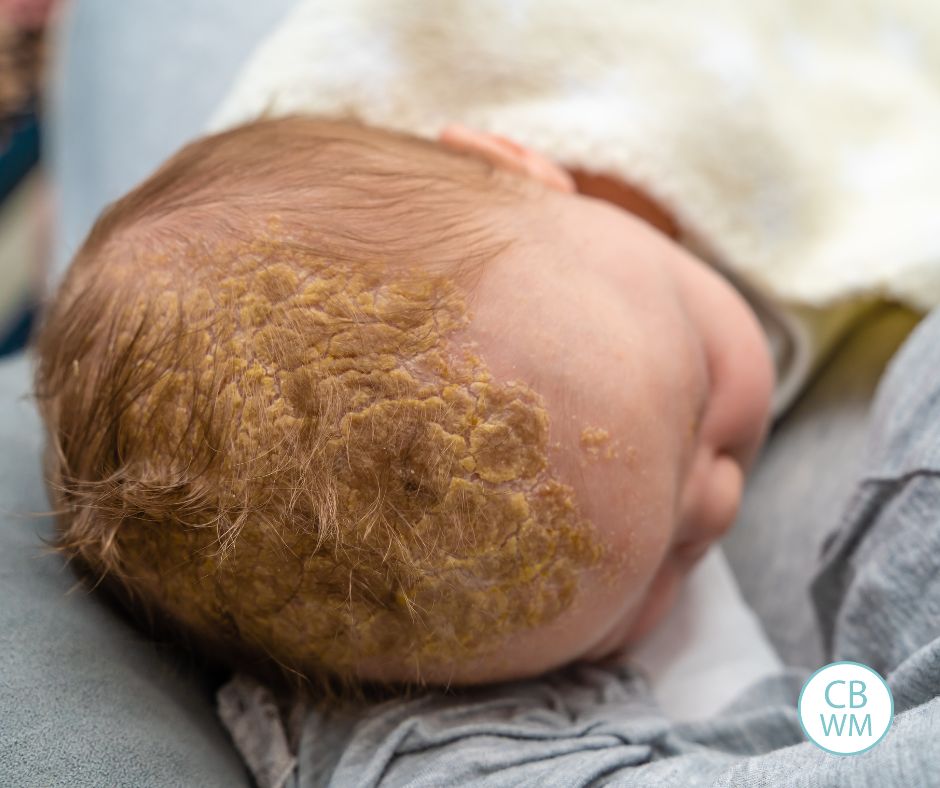
Recognizing Scalp Symptoms
Cradle cap usually appears as:
• Yellow or white scaly patches on the scalp
• Greasy or waxy texture
• Flakes that cling tightly to the skin
• Mild redness underneath (more visible on lighter skin)
• Layered, crusted scales resembling fish scales
These patches are typically not painful or itchy, so your baby may show no discomfort.
Appearance Across Skin Tones
On lighter skin, cradle cap often shows as yellow, crusty patches with slight redness. On darker skin tones, the scales may appear white or grayish, with less visible redness but the same greasy feel. The condition affects all skin types equally, though it may be harder to spot in tightly curled or textured hair.
Other Areas Where Scaling Can Occur
While the scalp is the main site, similar scaling can appear on:
• Eyebrows
• Behind the ears
• Nose folds
• Eyelids
• Groin
• Nappy area
When it spreads beyond the scalp, it’s still considered infantile seborrheic dermatitis, not a different condition.
How Long Does Cradle Cap Last?
Typical Timeline for Resolution
Most cases of cradle cap resolve within weeks to months. The condition usually:
• Starts between 3 weeks and 3 months of age
• Peaks around 6 weeks
• Clears up by 6 to 12 months
• Rarely lasts past the first birthday
Even without treatment, cradle cap is self-limiting—meaning it goes away on its own as maternal hormones fade and oil glands calm down.
When It Might Persist Beyond Infancy
In rare cases, cradle cap can last beyond 12 months or reappear around age 1–2. If scaling persists or worsens after several months of home care, consult your pediatrician. Long-lasting cases may need medicated treatment or evaluation for other skin conditions.
Safe and Effective Home Treatments
Soften Scales with Petroleum Jelly or Baby Oil
To loosen flakes:
1. Apply a small amount of petroleum jelly or fragrance-free baby oil to the scalp
2. Gently massage for 1–2 minutes
3. Let it sit for 15–20 minutes before washing
This softens the scales, making them easier to remove. Avoid olive oil or peanut oil, as they can irritate sensitive skin or trigger allergies.
Wash with a Mild, Unscented Baby Shampoo
Use a gentle, unscented baby shampoo 2–3 times per week:
• Lather gently with warm water
• Use a soft washcloth or cotton ball to wipe away flakes
• Rinse thoroughly
Regular shampooing helps prevent sebum buildup. Never use adult or dandruff shampoos—they’re too harsh for infant skin.
Gently Brush the Scalp After Bathing
After washing, use a soft-bristled baby brush or fine-toothed comb to:
• Loosen remaining flakes
• Stimulate the scalp
• Remove debris without scratching
Some hair may come off with the scales—this is normal and will regrow.
What to Avoid When Treating Cradle Cap
Never Pick or Scratch the Scales
Picking at cradle cap can:
• Break the skin
• Cause bleeding
• Lead to infection
Even if the flakes look thick, never use fingernails or sharp tools. Let gentle care loosen them over time.
Avoid Harsh or Scented Skincare Products
Stay away from:
• Scented lotions or oils
• Adult skincare products
• Strong medicated creams (without medical advice)
• Dandruff shampoos
These can irritate your baby’s delicate skin and worsen the condition.
When to Consult a Pediatrician
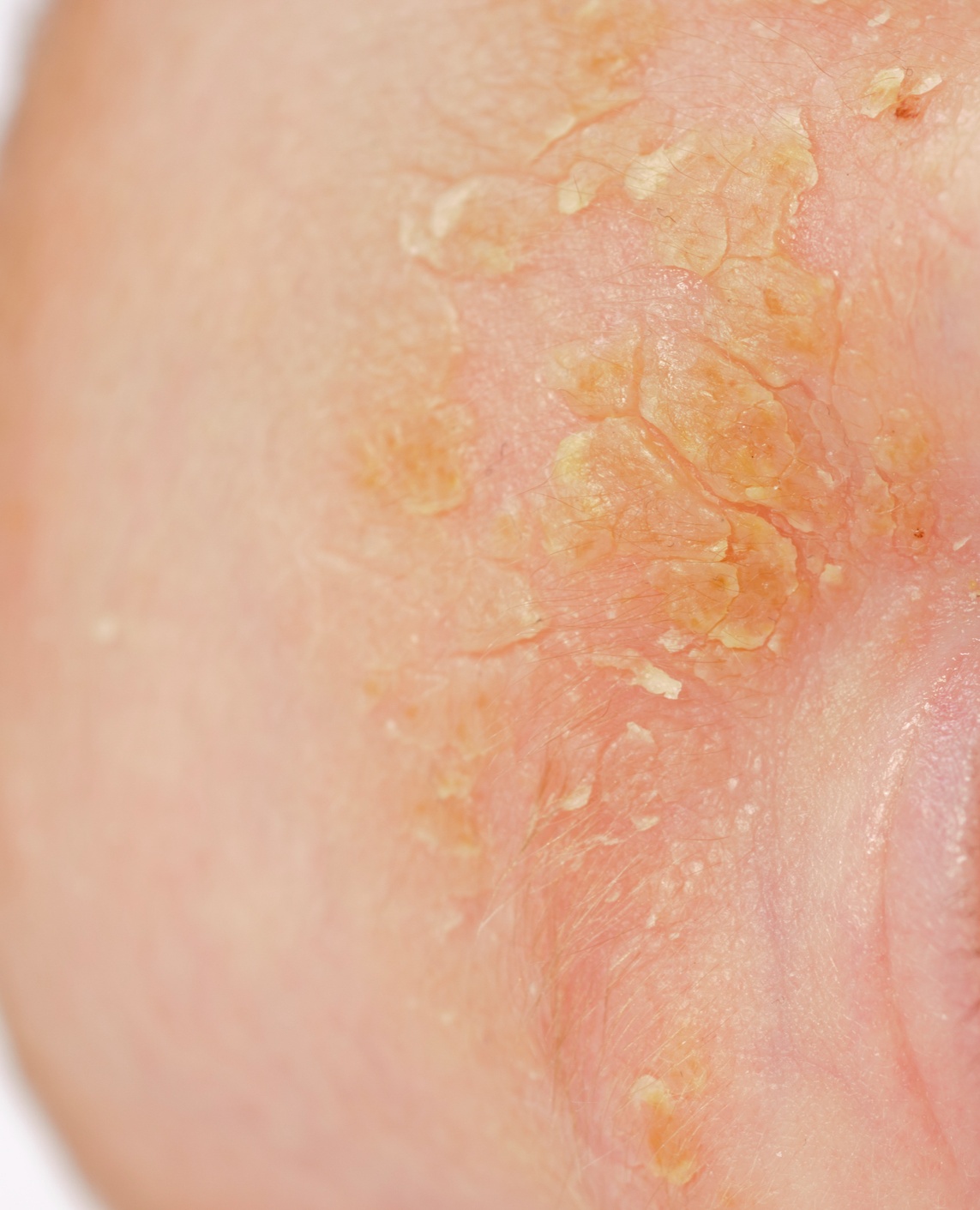
Signs of Skin Infection
Seek medical help if you notice:
• Bleeding or oozing
• Pus or yellow crusting
• Swelling or warmth
• Fever
• Increased redness
These could indicate a bacterial infection requiring treatment.
No Improvement After 2–3 Weeks of Home Care
If cradle cap doesn’t improve despite daily gentle care, talk to your pediatrician. They may recommend:
• Antifungal shampoo (e.g., ketoconazole)
• Low-strength steroid cream for inflammation
• Medicated lotions if seborrheic dermatitis spreads
Rash Spreads to Face or Body
If scaling appears on the face, body, or nappy area and seems itchy or uncomfortable, your baby may have:
• Atopic dermatitis (eczema) – usually itchy and red
• Psoriasis – thicker, well-defined plaques
• Scabies – intensely itchy, spreads rapidly
A healthcare provider can diagnose the condition by visual examination only—no lab tests or biopsies are needed.
Ongoing Care and Prevention Tips
Can You Prevent Cradle Cap?
There’s no guaranteed way to prevent cradle cap because the exact cause isn’t fully understood. However, regular scalp care may reduce severity:
• Wash hair every few days with mild baby shampoo
• Gently brush the scalp during bath time
• Keep the scalp clean and dry
This routine helps prevent sebum buildup and supports healthy skin turnover.
Maintaining a Gentle Skincare Routine
Even after cradle cap clears:
• Continue using fragrance-free, gentle products
• Avoid over-washing (2–3 times per week is sufficient)
• Monitor for recurrence
Most babies outgrow cradle cap completely, with no long-term effects on hair growth or skin health.
Frequently Asked Questions About Cradle Cap
What causes cradle cap in newborns?
Cradle cap is caused by a combination of overactive oil glands, maternal hormones passed during pregnancy, and the presence of Malassezia yeast on the skin. These factors lead to excess sebum production, which traps dead skin cells and forms greasy, scaly patches on the scalp.
Is cradle cap a sign of poor hygiene?
No. Cradle cap is not caused by dirty hair or infrequent washing. It occurs due to hormonal and biological factors, not cleanliness. Over-washing or scrubbing can actually irritate the skin and make it worse.
Can cradle cap spread to other parts of the body?
Yes. While it starts on the scalp, cradle cap can also appear on the eyebrows, behind the ears, nose folds, eyelids, groin, and nappy area. When it spreads, it’s still considered infantile seborrheic dermatitis.
How long does it take for cradle cap to go away?
Most cases clear up within 6 to 12 months. It usually begins between 3 weeks and 3 months of age and resolves on its own as the baby’s oil glands mature and maternal hormones decrease.
Should I use olive oil to treat cradle cap?
No. Avoid olive oil and peanut oil. They can irritate sensitive infant skin or trigger allergic reactions. Use fragrance-free baby oil or petroleum jelly instead.
When should I take my baby to the doctor for cradle cap?
See a doctor if the rash doesn’t improve after 2–3 weeks of home care, spreads to large areas, shows signs of infection (pus, bleeding, fever), or seems painful or itchy. A healthcare provider can rule out other conditions like eczema or psoriasis.
Key Takeaways for Parents Managing Cradle Cap
Cradle cap is a normal, temporary phase in infant development—caused by hormones, oil glands, and yeast, not poor care. With gentle washing, softening, and brushing, most cases resolve within months. Avoid harsh products and never pick at the scales. If the rash spreads, shows signs of infection, or doesn’t improve in 2–3 weeks, consult your pediatrician. With the right care, your baby’s skin will be smooth and healthy in no time.





