
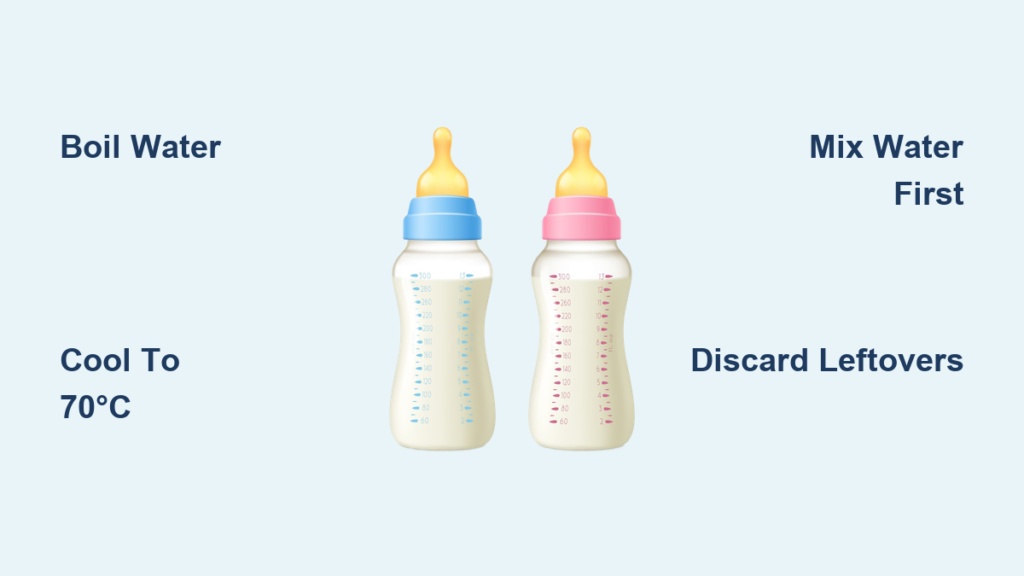
Knowing how to make a baby bottle correctly is essential for protecting your infant from harmful bacteria like Cronobacter, which can cause serious illness. Powdered formula is not sterile, and even small mistakes in preparation can lead to contamination, improper nutrition, or burns. This guide follows evidence-based recommendations from the NHS, CDC, and medical experts to help you prepare safe, nutritious bottles every time—whether you’re feeding at home or during an emergency.
You’ll learn the exact steps for sterilizing equipment, boiling and cooling water to the right temperature, measuring formula accurately, and storing leftovers safely. We’ll also cover special precautions for premature or high-risk babies and what to do when tap water isn’t safe. By the end, you’ll have a clear, reliable routine that keeps your baby healthy and feeding confidently.
Wash Hands and Sanitize Your Workspace
Before touching any bottle parts, start with strict hygiene. Babies’ immune systems are still developing, making them vulnerable to infections from everyday germs.
Clean Hands Thoroughly
- Use soap and warm water
- Scrub all areas, including under nails and between fingers, for at least 20 seconds
- Dry with a clean towel—never a shared or damp cloth
Disinfect Your Prep Area
- Wipe countertops with a household disinfectant
- Use a dedicated space away from pets, food prep zones, or high-traffic areas
- Lay out a clean towel to place sterilized items
Gather Sterilized Equipment
- Bottles, teats, caps, and rings must be clean and sterilized
- Sterilize using steam (electric or microwave sterilizer), boiling water for 10 minutes, or a cold-water sterilizing solution
- Use sterilized tongs to remove items—never touch the inside of the bottle or teat
Pro Tip: Sterilize all feeding equipment once daily. Between feeds, wash with hot soapy water and rinse well before reuse.
Boil Tap Water and Cool to 70°C
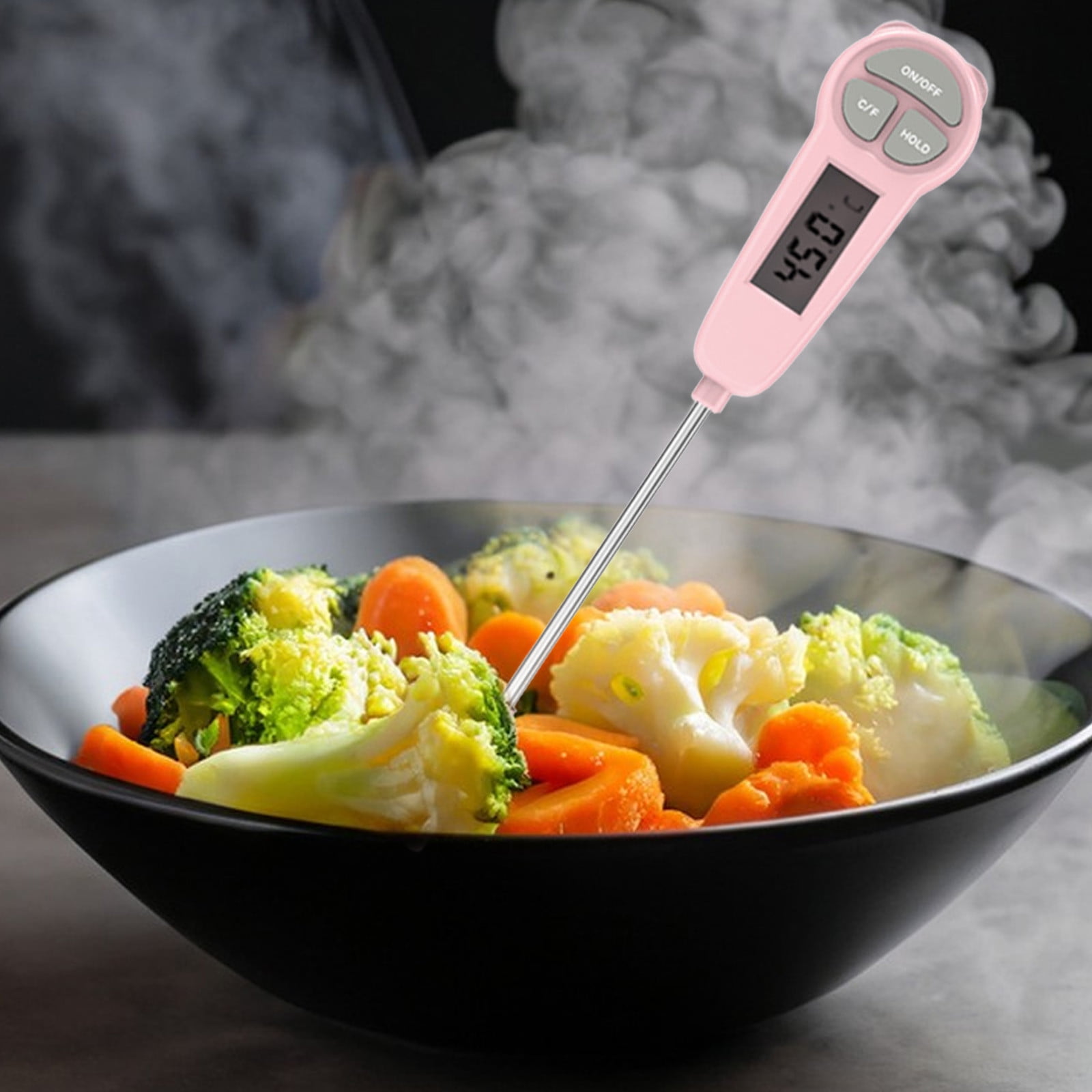
Using safe water is the first defense against bacterial contamination. Even clean tap water must be boiled because powdered formula is not sterile.
Use Fresh Tap Water Only
- Fill the kettle with at least 1 litre of fresh tap water
- Never reuse previously boiled water—it concentrates minerals and reduces germ-killing effectiveness
- Avoid bottled water for routine use unless advised (NHS recommends tap water when safe)
Boil and Cool to Kill Bacteria
- Bring water to a rolling boil
- Turn off heat and let cool for 15–20 minutes (up to 30 minutes max)
- This brings water to ~70°C (158°F)—hot enough to kill Cronobacter, safe enough to preserve nutrients
Why 70°C? This temperature destroys harmful bacteria in powdered formula without damaging vitamins or scalding your baby.
Special Rule for High-Risk Infants
If your baby is:
– Under 2 months old
– Premature
– Immunocompromised
Follow CDC’s stricter method:
– Boil water, wait 5 minutes, then mix with powder
– Cool under running water before feeding
– Always test temperature on your wrist
Add Water First, Then Formula Powder
Getting the ratio right ensures your baby gets proper nutrition and avoids kidney strain. Always follow the “water first” rule to prevent over-concentration.
Pour Cooled Boiled Water into the Bottle
- Use the measurement lines on the bottle—never estimate
- Add only the amount specified on the formula label per scoop
- Use cooled boiled water that has been stored safely (within 30 minutes of boiling)
Use Level Scoops of Formula
- Use only the scoop provided in the formula container
- Fill to the top edge—never heaped or packed
- Level off with a clean knife or the container’s built-in scraper
- Add only the number of scoops listed for the water volume
❌ Never:
– Use kitchen spoons or other scoops
– Compress or tap the powder
– Adjust ratios without medical advice
Shake Until Fully Mixed
- Secure the cap and teat without touching inner surfaces
- Shake vigorously for 10–15 seconds
- Check for clumps—if powder remains, shake longer or stir gently with a sterilized spoon
Warning: Incorrect mixing can cause dehydration, malnutrition, or kidney damage.
Cool and Test Formula Temperature Before Feeding

Even properly mixed formula is too hot to feed. Always cool and test to prevent mouth burns.
Cool Safely Without a Microwave
- Hold the bottle under cold running water for 10–15 seconds
- Or place in a bowl of cold water
- Do not add ice—it may over-chill or leak into the bottle
🔥 Never microwave a baby bottle:
– Microwaves create hot spots that can burn your baby’s mouth
– The bottle may feel cool outside but scalding inside
Test on Your Inner Wrist
- Shake a few drops of formula onto the inside of your wrist
- It should feel warm or cool—not hot
- If in doubt, wait longer and retest
Note: Formula doesn’t need to be warmed. Many babies accept room-temperature bottles.
Use Immediately or Store Within Strict Time Limits

Prepared formula spoils quickly. Follow time-based rules to avoid bacterial growth.
Feed Within 2 Hours of Preparation
- Use the bottle within 2 hours if kept at room temperature
- Do not refrigerate after cooling for feeding
Once Feeding Starts, Finish Within 1 Hour
- Discard any formula left after 1 hour of feeding
- Your baby’s saliva introduces bacteria that multiply rapidly
Refrigerate Unused Formula Promptly
- If not used within 2 hours, refrigerate immediately
- Store at or below 4°C (40°F)
- Use within 24 hours
- Label with time and date
Always Discard Leftovers
- Throw out any formula remaining after a feed
- Do not save, reheat, or top off a used bottle
- Clean and sterilize the bottle before next use
Why? Leftover formula can harbor dangerous bacteria—even if it looks or smells fine.
Store Formula Containers Properly to Prevent Spoilage
How you store powdered formula affects its safety and shelf life.
Unopened Containers
- Keep in a cool, dry, indoor place
- Avoid garages, cars, or humid areas
- Check the “Use By” date—never use expired formula
Opened Containers
- Seal tightly after each use
- Store in a dry cupboard—not in the fridge (moisture causes clumping and spoilage)
- Use within 1 month of opening
- Write the opening date on the lid
✅ Best Practice: Buy smaller containers if your baby drinks slowly—reduces waste and risk.
Handle Water Emergencies with Safe Alternatives
When tap water is unsafe due to floods, contamination, or outages, adjust your method.
Use Bottled Water When Possible
- Choose unflavored, non-carbonated bottled water
- Check expiration dates
- Use as a direct substitute for tap water
If Only Tap Water Is Available
- Boil for 1 minute (or 3 minutes at high altitudes)
- Let cool to room temperature before mixing
- Do not use if water is chemically contaminated (e.g., lead, pesticides)
🚫 In chemical contamination:
– Use ready-to-feed (RTF) formula
– Or bottled water confirmed safe by local authorities
Take Extra Precautions for Premature or High-Risk Babies
Babies under 2 months, premature infants, or those with weak immune systems need stricter safety steps.
Follow High-Temperature Mixing Protocol
- Boil water
- Wait 5 minutes (to reach ~70°C)
- Mix with formula
- Cool under running water
- Test on wrist—should feel warm, not hot
This kills Cronobacter, which can cause life-threatening infections in fragile infants.
During Emergencies + High Risk?
Combine both protocols: use bottled or boiled water, then follow high-temp mixing.
Choose the Right Formula Type for Your Baby
Not all formulas are safe for all infants. Always choose based on age and health needs.
Use First Infant Formula Only
- This is the only type recommended for babies under 12 months
- Based on cow’s milk and fortified with iron and nutrients
- All brands meet strict safety standards
Avoid These Formula Types
- ❌ Follow-on formula (for babies 6+ months only)
- ❌ Hungry baby formula (no proven benefit)
- ❌ Thickened or comfort formulas—unless prescribed by a doctor
Consider Ready-to-Feed (RTF) for Maximum Safety
- RTF formula is sterile and requires no mixing
- Ideal for:
- Premature babies
- Water contamination risks
- Parents seeking zero-prep safety
💡 Trade-off: RTF is more expensive and less eco-friendly, but eliminates preparation errors.
Follow the Complete Safety Checklist Every Time
Use this checklist to ensure every bottle is safe and correctly prepared.
✅ Before Prep
- Wash hands
- Clean and sanitize workspace
- Sterilize bottle and teat
- Use fresh tap water
✅ During Prep
- Boil water, cool to 70°C (15–20 min)
- Add water to bottle first
- Add level scoops—no heaping
- Shake 10–15 seconds
✅ Before Feeding
- Cool under cold water
- Test on wrist—warm, not hot
- Never microwave
✅ After Feeding
- Discard leftovers within 1 hour
- Refrigerate unused formula within 2 hours (use in 24h)
- Clean and sterilize bottle
Key Takeaways for Safely Making a Baby Bottle
Knowing how to make a baby bottle safely is one of the most important skills for new parents. Every step—from boiling water to discarding leftovers—plays a role in protecting your baby from infection and ensuring proper nutrition. The core rules are simple but critical: always use boiled and cooled water, measure accurately, sterilize equipment, and never save leftover formula.
For high-risk babies, follow stricter guidelines using water cooled for only 5 minutes after boiling. In emergencies, use bottled water or ready-to-feed formula to avoid contamination. By following this evidence-based routine, you can feed your baby with confidence, knowing each bottle is safe, nutritious, and prepared with care.
Frequently Asked Questions About Making a Baby Bottle
Can I use bottled water to make baby formula?
Yes, you can use bottled water if tap water is unsafe due to contamination or emergencies. Choose unflavored, non-carbonated bottled water and check the expiration date. However, for routine use, fresh boiled tap water is recommended by the NHS.
How long can I keep a prepared baby bottle?
Use a prepared bottle within 2 hours at room temperature. If not used, refrigerate immediately and use within 24 hours. Once feeding starts, discard any leftover formula after 1 hour.
Why do I have to use 70°C water when making formula?
Water at 70°C (158°F) is hot enough to kill harmful bacteria like Cronobacter found in powdered formula, while still preserving nutrients. This is especially important for babies under 2 months or with weakened immune systems.
Can I microwave a baby bottle to warm it?
No. Never microwave a baby bottle. Microwaves heat unevenly, creating hot spots that can burn your baby’s mouth—even if the bottle feels cool outside.
What happens if I add too much formula powder?
Adding too much powder can cause kidney strain, dehydration, or digestive issues. Always follow the manufacturer’s instructions and use level scoops—never heaped or packed.
Should I warm the formula before feeding?
No, warming is not required. Many babies accept formula at room temperature or even cool. If you choose to warm it, use warm running water—never a microwave.





