
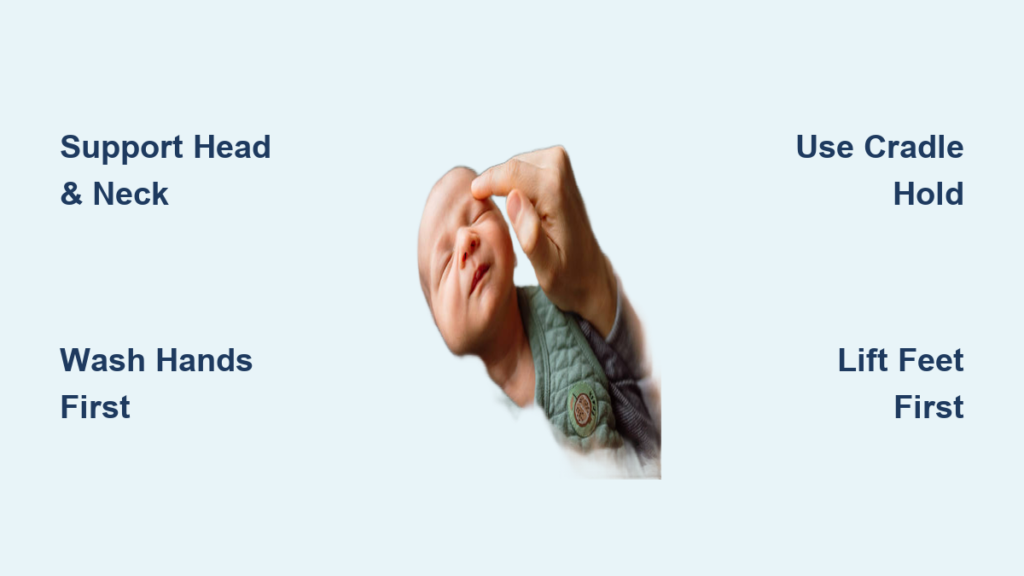
Holding a baby for the first time can feel overwhelming. Their tiny body, floppy head, and delicate features make many new parents, caregivers, or family members nervous. But with the right technique, holding a newborn becomes a safe, soothing, and bonding experience. Knowing how to hold a baby properly is essential—not just for comfort, but for safety, especially in the first few months when their neck muscles are still developing.
Newborns can’t support their own heads, so your hands must do the work. Whether you’re picking them up from a crib, feeding, burping, or simply cuddling, proper head and neck support is non-negotiable. The good news? With a few key techniques and a little practice, you’ll gain confidence quickly. This guide walks you through every step—from hand hygiene to safe transfer—and covers the most common holding positions used during feeding, bonding, and daily care.
Wash Hands Before Holding
Always clean your hands before touching a newborn. Babies have immature immune systems, making them highly susceptible to germs. Even if your hands look clean, invisible bacteria can pose serious risks.
Best Hand-Cleaning Practices
• Use soap and water: Wash for at least 20 seconds, scrubbing under nails and between fingers.
• Use alcohol-based hand sanitizer: Choose one with at least 60% alcohol when soap and water aren’t available.
• Avoid strong scents: Skip heavily perfumed soaps or lotions that might irritate your baby’s skin.
Pro Tip: Make handwashing part of your routine before approaching the baby—especially after using the bathroom, handling food, or coming indoors.
Lift Baby with Head and Neck Support
The way you pick up a newborn matters. A sudden or unsupported lift can strain their fragile neck. Follow these steps every time:
Step-by-Step Lifting Technique
-
Slide one hand under the head and neck
Position your hand so the baby’s head rests securely in your palm, with your thumb on one side and fingers on the other. -
Place your other hand under the bottom
This stabilizes the lower body and prevents slipping. -
Lift slowly and close to your body
Bring the baby upward in a smooth motion, keeping them snug against your chest. -
Keep the head slightly elevated
This helps the baby breathe more easily and prevents the head from flopping backward.
Critical Reminder: Never lift a baby by the arms or under the armpits. Always support the head and neck—every single time.
Understand Head and Neck Development
Knowing when babies gain head control helps you adjust your holding technique as they grow.
When Do Babies Hold Their Heads Up?
Most infants begin holding their heads up steadily between 3 to 4 months. Before then, their neck muscles are too weak to support the weight of their head.
• 0–6 weeks: No head control. Full support required.
• 6–8 weeks: May lift head briefly during tummy time.
• 3–4 months: Can hold head upright during feeding and play.
Don’t panic if progress varies—some babies develop faster, others take more time. Premature babies may reach milestones later.
The Soft Spot: Safe to Touch
Many caregivers avoid touching the top of a baby’s head, fearing harm to the “soft spot.” But this area—called the anterior fontanelle—is protected by a tough membrane.
What You Need to Know
• It’s safe to touch: Gently supporting or washing the head won’t damage the soft spot.
• It pulses: A gentle pulse is normal and reflects brain growth.
• It closes over time: The soft spot typically closes by 12–18 months.
Myth Busted: You won’t hurt your baby by supporting their head properly—even if your fingers rest on the fontanelle.
Use Safe Holding Positions

Different situations call for different holds. Each position serves a purpose—feeding, bonding, burping, or calming. Here are the most effective and widely used methods.
Cradle Hold: Classic and Comforting
Ideal for feeding, soothing, or general holding.
How to Do It
• Rest the baby’s head in the crook of your elbow.
• Use your forearm to support the neck and back.
• Cradle their bottom with your other hand or let it rest on your arm.
• Keep the baby close to your chest, head slightly above the heart.
Best For: Breastfeeding, bottle-feeding, and quiet cuddles.
Pro Tip: Use a nursing pillow to reduce arm strain during long feeds.
Shoulder Hold: Perfect for Burping
Also known as the “upright” or “over-the-shoulder” hold, this position helps release gas after feeding.
How to Do It
• Place the baby’s chin on your shoulder (never cover their nose or mouth).
• Support the head and neck with one hand.
• Use your other hand to support the lower back and bottom.
• Gently pat or rub the back in an upward motion.
Warning: Keep the baby’s airway clear. Their face should be visible at all times.
Time Estimate: Burping usually takes 1–3 minutes.
Lap Hold: Face-to-Face Bonding
Great for eye contact, interaction, and calming a fussy baby.
How to Do It
• Sit in a chair with back support.
• Lay the baby across your forearms, face-up.
• Support the head with your hands, keeping it slightly elevated.
• Keep your thumbs near the baby’s ears and fingers along the sides of the head.
Why It Works: This position mimics being held belly-to-belly, which feels familiar and secure.
Safety Note: Only use this hold when seated—never while standing or walking.
Feeding Positions for Comfort and Safety
Feeding is one of the most frequent times you’ll hold your baby. The right position prevents strain and supports proper latching.
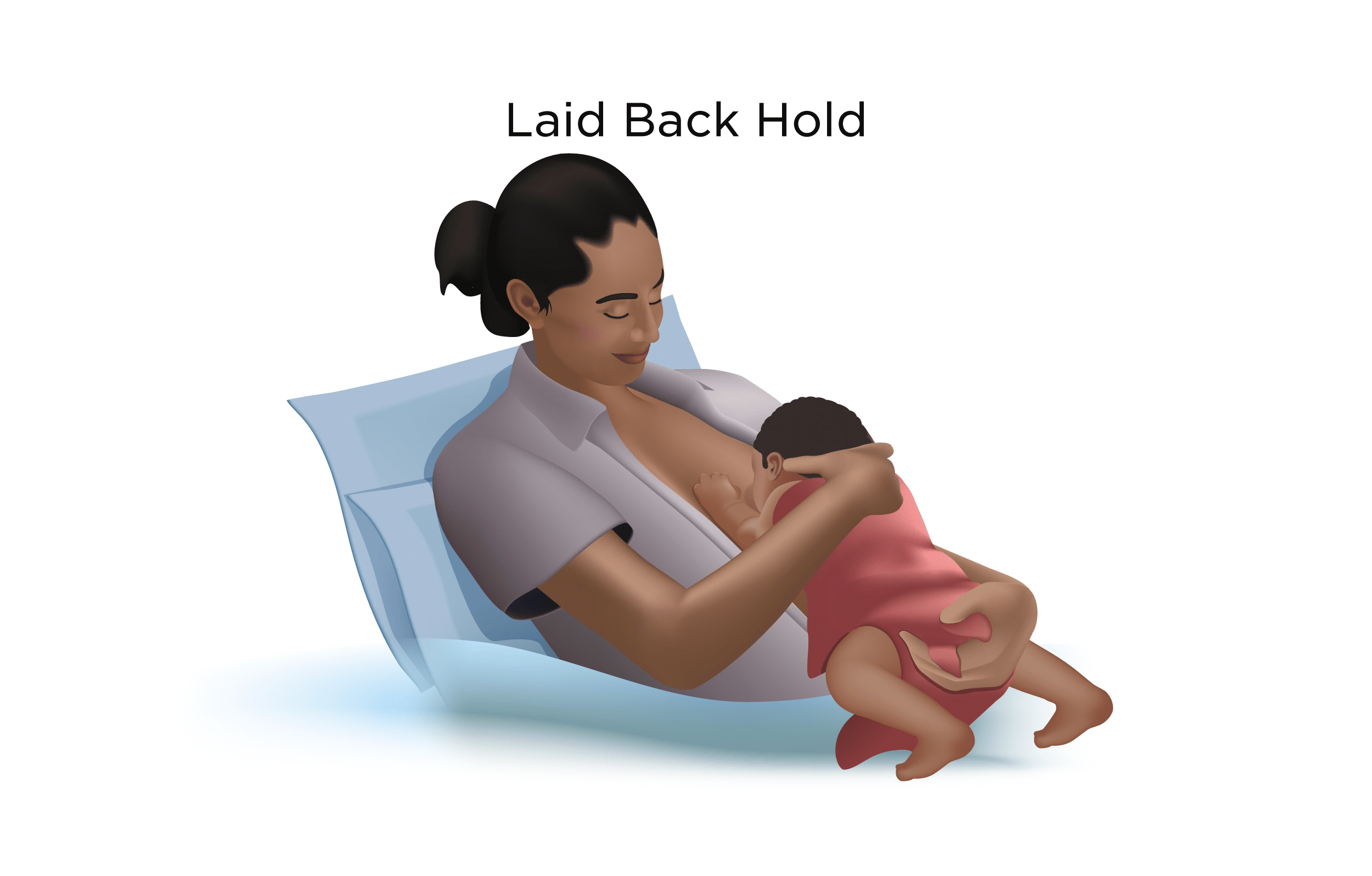
Laid-Back Feeding: Natural and Relaxing
Also called “biological nurturing,” this position uses gravity and instinct.
How to Do It
• Recline on a bed or couch at a 45-degree angle.
• Use pillows to support your head, shoulders, and arms.
• Place the baby on your chest, belly-down, facing your breast.
• Let the baby find the nipple naturally—no force needed.
Benefits:
• Reduces back and neck strain for mom.
• Encourages natural latching.
• Allows both hands to guide the baby.
Ideal For: Newborns and early breastfeeding sessions.
Football Hold: Great for C-Sections
Holds the baby along your side, like a football—ideal if you’ve had abdominal surgery.
How to Do It
• Tuck the baby under your arm, along your side.
• Use your hand to support the baby’s head and neck.
• Guide the baby toward the breast, keeping their body straight (not twisted).
Best For: Twin feeding, cesarean recovery, or mothers with large breasts.
Koala Hold: For Older Babies
Also known as the “upright” or “jungle” hold, this works best once the baby has better head control (around 3–6 months).
How to Do It
• Sit upright and hold the baby in a seated position on your lap.
• Support their back and head with one hand.
• Bring the breast or bottle to them.
Best For: Babies who prefer sitting up or have reflux.
Transfer Baby Safely

Knowing when and how to pass the baby to someone else—or lay them down—prevents accidents.
When to Avoid Holding
Never hold a baby when:
• You’re cooking with hot pans or liquids.
• Drinking hot beverages.
• Feeling dizzy, sleepy, or emotionally overwhelmed.
Risk: A sudden loss of balance can lead to drops or burns.
How to Lay Baby Down
Follow this sequence to prevent jerking or strain:
- Feet first – Gently place the baby’s feet on the surface.
- Lower the bottom – Bring the hips and back down next.
- Guide the head last – Slowly lower the head and neck.
Always place the baby on their back to sleep—this reduces the risk of SIDS (Sudden Infant Death Syndrome).
How to Hand Baby to Another Person
• Both people should be seated – Reduces fall risk.
• Communicate clearly – Say “I’m passing the baby now.”
• Ensure full head support – The receiver should already have hands under head and bottom before taking weight.
Pro Tip: Practice the handoff slowly the first few times.
Support Head in Carriers and Car Seats
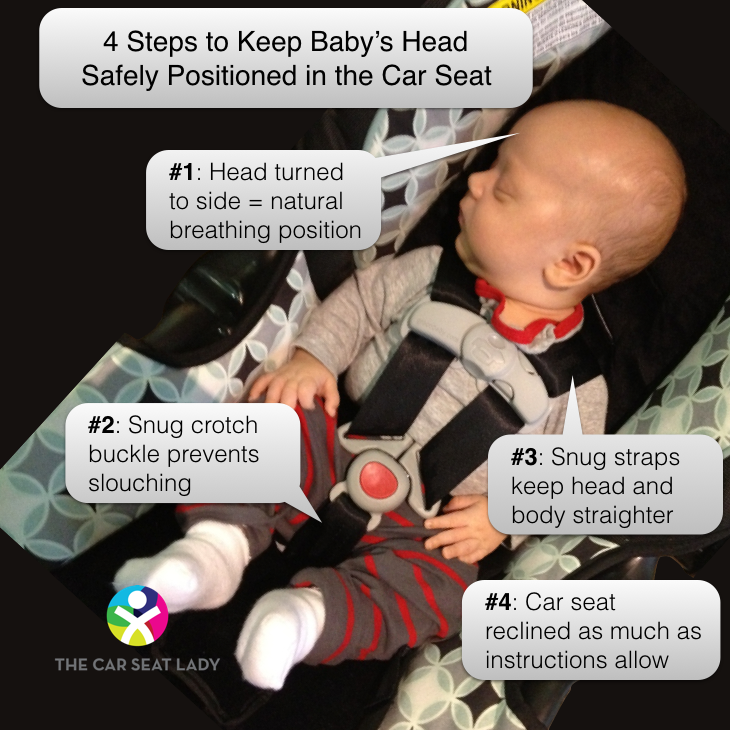
Even short trips require head support. In motion, a baby’s head can flop forward or to the side, blocking their airway.
In Car Seats
• Use the infant insert that came with the seat.
• Ensure the harness is snug and the chest clip is at armpit level.
• Check the head position after buckling—tilt should be natural, not chin-to-chest.
In Strollers and Carriers
• Choose carriers with head support for newborns.
• Avoid forward-facing carriers until the baby has full head control.
• Never leave a baby unattended in a carrier.
Warning: Carriers that don’t support the head can lead to positional asphyxia—where the airway is compressed by poor neck alignment.
Bonding Through Holding
Holding your baby isn’t just about physical safety—it strengthens emotional bonds and supports brain development.
Why Holding Matters
• Regulates heart rate and breathing
• Reduces crying and stress
• Boosts oxytocin (the “love hormone”) in both parent and baby
• Promotes healthy weight gain and sleep
Science Note: Skin-to-skin contact (kangaroo care) has been shown to improve immune function and temperature regulation in newborns.
Expert Tip: Even 10–15 minutes of daily holding can make a big difference in early development.
Frequently Asked Questions About How to Hold a Baby
When can I stop supporting a baby’s head?
You can gradually reduce head support once your baby shows strong neck control, usually around 3 to 4 months. Watch for signs like holding their head steady during tummy time or while sitting.
Is it safe to hold a baby upright?
Yes, as long as you fully support the head and neck. The shoulder hold is safe and effective for burping and calming, but never let the baby’s head droop.
Can holding a baby too much spoil them?
No. Newborns cannot be spoiled by holding. Frequent holding builds trust, reduces stress, and supports healthy development.
What should I do if my baby’s head flops backward?
Gently guide the head forward and support it immediately. Always keep one hand on the head and neck when lifting or moving your baby.
How long should I hold my baby each day?
There’s no limit. Aim for consistent, responsive holding—especially during feeding, crying, or bonding time. Even short, frequent holds add up.
Is it okay to hold a baby while lying down?
Yes, but only if you’re fully awake and alert. Never fall asleep holding a baby on a couch or armchair, as this increases the risk of accidental suffocation or dropping.
Key Takeaways for Holding Your Baby Safely
• Always support the head and neck—newborns can’t do it themselves.
• Wash hands before holding to protect against infections.
• Use the cradle, shoulder, or lap hold depending on the situation.
• Try laid-back, football, or koala holds during feeding for comfort and latching success.
• Lay baby down feet-first, head-last, and always on their back for sleep.
• Support the head in car seats, strollers, and carriers—even for short trips.
• Bond through touch—holding builds trust, soothes stress, and supports development.
Final Note: There’s no single “right” way to hold a baby—as long as you’re supporting the head, keeping them close, and moving gently. With time, you’ll develop your own rhythm. Trust your instincts, stay calm, and remember: every time you hold your baby, you’re helping them feel safe, loved, and secure.





