
Chia seeds are a nutritional powerhouse, rich in omega-3 fatty acids, fiber, protein, calcium, and phosphorus—making them a smart choice when expanding your baby’s diet beyond 6 months. But because chia seeds absorb up to 12 times their weight in liquid, knowing how to prepare chia seeds for baby safely is essential to prevent choking and support digestion. When served dry or improperly soaked, they can expand in the throat or digestive tract, posing serious risks.
This guide gives you step-by-step instructions for preparing chia seeds safely at every stage from 6 to 12 months. You’ll learn the right soaking ratios, age-appropriate serving sizes, easy baby-friendly recipes, and critical safety tips. From creamy chia pudding to smoothie boosts and cereal mix-ins, you’ll discover simple, nutritious ways to include this superfood in your baby’s meals—without the guesswork.
Choose Organic Whole Chia Seeds
Stick to Plain Black or White Varieties
Always use organic whole chia seeds, either black or white, to avoid pesticides and additives. Both types offer nearly identical nutrition, so choose based on availability. Whole seeds stay fresh longer than pre-ground versions and let you control texture when preparing for your baby.
Avoid flavored, sweetened, or processed chia products. These often contain added sugars, artificial ingredients, or preservatives that aren’t safe for infants. Check the expiration date and store your chia seeds in a cool, dry place—or refrigerate after opening—to protect their delicate omega-3 fats.
Soak Chia Seeds Before Serving
Use a 1:10 Ratio for Babies Under 12 Months
Chia seeds must never be served dry to babies. They absorb liquid rapidly and can swell in the esophagus, creating a choking hazard. Always soak them fully before feeding.
For babies 6–12 months old, use a 1:10 seed-to-liquid ratio—1 teaspoon chia seeds to 10 teaspoons (about 1/2 cup) of liquid. This ensures a soft, loose gel that’s easy to swallow. Use breast milk, formula, or water for younger babies. Older infants (9+ months) can handle unsweetened plant milks like almond or oat milk.
Wait 20 Minutes and Stir Well
After mixing, let the chia seeds sit for at least 20 minutes, stirring once or twice to prevent clumping. The mixture should become a smooth, pudding-like gel with no crunchy centers.
For faster hydration, blend the seeds and liquid for 30 seconds before resting. This breaks them down and speeds up gel formation. Always test the texture with your finger—ensure there are no hard or dry bits before serving.
Serve the Right Amount by Age
Start with 1 Teaspoon at 6–8 Months
Begin with just 1 teaspoon of soaked chia seeds for babies aged 6–8 months. Mix it into smooth purees, mashed banana, applesauce, or rice cereal to help your baby adjust to the new texture.
Introduce chia as a single new food and watch for signs of allergy or digestive upset—like rash, vomiting, gas, or bloating—over the next 2–3 days. Though rare, food sensitivities can occur.
Increase to 1 Tablespoon by 9–12 Months
If your baby tolerates chia well, you can gradually increase to 1 tablespoon of soaked seeds per day for those 9–12 months old. Serve it in yogurt, smoothies, pancakes, or as chia pudding sweetened with mashed fruit.
Do not exceed 1 tablespoon daily for children under 2 years. Too much fiber can interfere with nutrient absorption or cause stomach discomfort.
Try These Baby-Safe Chia Recipes
Make Easy Chia Pudding
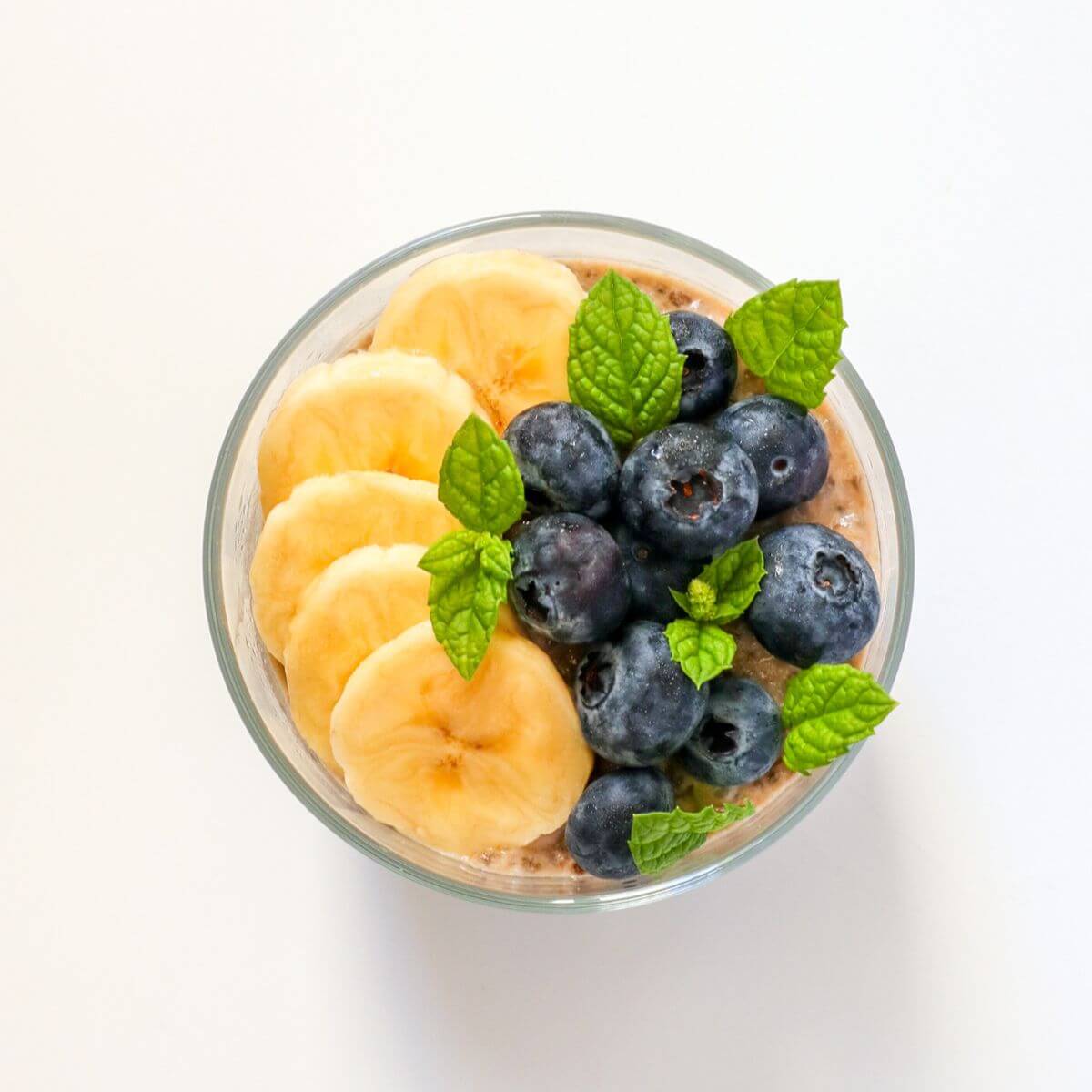
One of the safest and most popular ways to serve chia is homemade chia pudding. Combine 1 tablespoon chia seeds with 1/2 cup breast milk, formula, or unsweetened plant milk. Stir well and refrigerate for 20–30 minutes.
Add natural sweetness with 1–2 teaspoons of mashed banana, pureed mango, or cooked apple. Never use honey before age 1 due to the risk of botulism. Serve with a soft-tipped spoon at room temperature or chilled.
Pro Tip: Prepare individual servings in small jars the night before for a quick, nutritious breakfast or snack.
Blend Into Fruit Smoothies
For babies who love smooth textures, blend soaked chia seeds into homemade smoothies. Combine 1 teaspoon soaked chia with 1/4 cup steamed and cooled sweet potato, 2 tablespoons blueberries, and 1/4 cup breast milk or water.
Blend until completely smooth. This hides the gel texture while boosting nutrition. Serve in a sippy cup or straw cup for babies 9+ months.
Mix Into Warm Oatmeal or Cereal
Stir soaked chia into warm (not boiling) baby oatmeal or rice cereal. It adds thickness and nutrients without changing the taste. Use 1 teaspoon for younger babies and up to 1 tablespoon for older infants.
Warning: Never add dry chia seeds to hot cereal. They absorb liquid too fast, forming a thick, sticky clump that’s hard to swallow and a choking risk.
Avoid These Common Mistakes
Never Serve Dry Chia Seeds
Dry chia seeds expand dramatically when wet. If swallowed dry, they can absorb fluids in the throat and cause choking or blockages. Always pre-soak before serving.
Even toddlers should not eat dry chia seeds unless they’re already hydrated in baked goods like muffins or pancakes.
Don’t Give Too Much Fiber Too Soon
Chia seeds pack about 5 grams of fiber per tablespoon. While fiber supports digestion, too much too fast can cause gas, bloating, or constipation in babies.
Start small, go slow, and ensure your baby drinks plenty of fluids (breast milk, formula, or water). If your baby has a sensitive digestive system, talk to your pediatrician before introducing chia.
Skip Sugars and Artificial Flavors
Avoid store-bought chia puddings or flavored chia products. These often contain added sugars, artificial sweeteners, or preservatives not suitable for babies.
Stick to natural flavoring like mashed fruit, a pinch of cinnamon, or alcohol-free vanilla extract. Keep ingredients simple and safe.
Store Soaked Chia Properly

Keep in Fridge for Up to 5 Days
Soaked chia seeds can be stored in an airtight container in the refrigerator for up to 5 days. This makes batch prep easy.
Stir well before serving, as separation is normal. Discard if the mixture smells sour, looks slimy, or shows signs of mold.
Freeze in Portion-Sized Cubes
For longer storage, freeze soaked chia in silicone ice cube trays—use 1 teaspoon per cube. Once frozen, transfer to a labeled freezer bag and store for up to 3 months.
Thaw a cube in the fridge or at room temperature before mixing into food. This method is perfect for portion control and quick meals.
Watch for Allergic Reactions
Recognize Signs of Sensitivity
Chia allergies are rare but possible. Watch for symptoms such as:
• Hives or skin rash
• Swelling of lips, face, or tongue
• Vomiting or diarrhea
• Trouble breathing
Stop feeding chia and contact your pediatrician immediately if any of these occur. Babies with allergies to sesame or mustard seeds may be more likely to react.
Also monitor for digestive discomfort like excessive gas, hard stools, or feeding refusal. Adjust the amount or pause chia if needed.
Talk to Your Pediatrician First
Especially for Babies with Health Concerns
Before introducing chia seeds, consult your pediatrician, especially if your baby has:
• Digestive issues
• Premature birth or low birth weight
• Known food allergies
• Trouble swallowing or frequent gagging
Your doctor can help determine the right timing and portion based on your baby’s needs.
Even though chia seeds are natural, they are potent. Professional guidance ensures safe and appropriate use in your baby’s diet.
Key Takeaways for Preparing Chia Seeds Safely
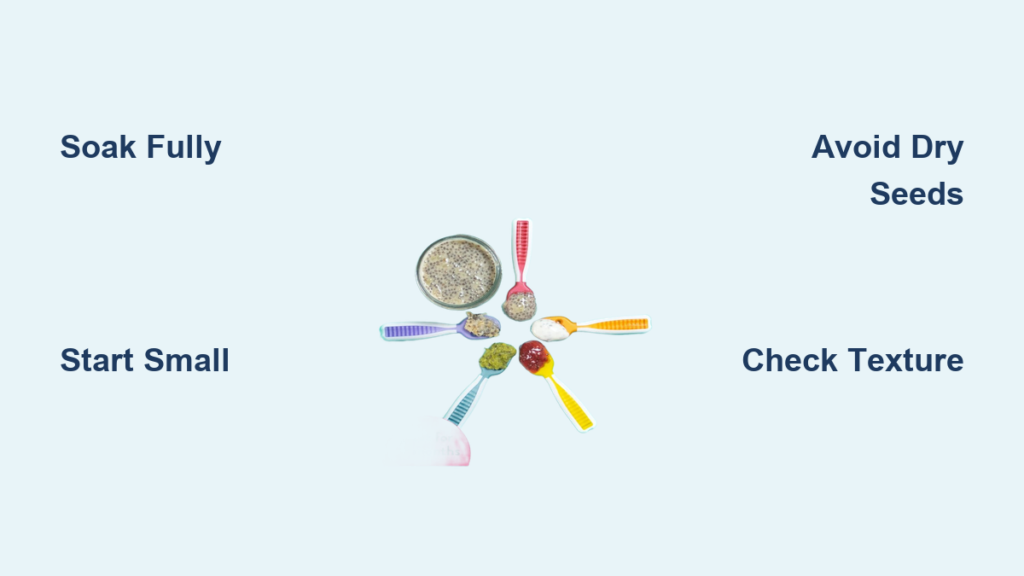
Preparing chia seeds for your baby is simple and highly beneficial when done correctly. Always soak the seeds using a 1:10 ratio, start with small amounts, and avoid dry seeds or added sugars. With proper preparation, chia can support your baby’s brain development, digestion, and overall growth.
Try a simple chia pudding today—your little one might just love this tiny but mighty superfood.
Frequently Asked Questions About Preparing Chia Seeds for Baby
Can I give chia seeds to my 6-month-old baby?
Yes, you can introduce chia seeds to babies at 6 months as long as they are fully soaked. Start with 1 teaspoon of soaked chia mixed into purees or cereal. Always consult your pediatrician first, especially if your baby has digestive sensitivities.
How long should chia seeds soak before giving to baby?
Soak chia seeds for at least 20 minutes in a 1:10 ratio of seeds to liquid. Stir once or twice to prevent clumping. The mixture should form a soft, gel-like consistency with no hard centers before serving.
Can I use chia seeds in baby formula?
Yes, you can mix soaked chia seeds into prepared baby formula. Use a 1:10 ratio and let the seeds fully hydrate before mixing. Stir well and check the texture to ensure it’s smooth and easy to swallow.
Are chia seeds a choking hazard for babies?
Yes, dry chia seeds are a choking hazard because they absorb liquid and expand. Always soak them completely before serving. Never give dry chia seeds to babies or toddlers unless they’re already hydrated in cooked foods.
How much chia should I give my 8-month-old?
For an 8-month-old, start with 1 teaspoon of soaked chia seeds per day. Mix it into purees, oatmeal, or fruit. If well tolerated, you can gradually increase to 1 tablespoon per day by 9–12 months.
Can I freeze soaked chia seeds for later use?
Yes, you can freeze soaked chia seeds in ice cube trays (1 teaspoon per cube) for up to 3 months. Thaw in the fridge or at room temperature before mixing into baby food. Stir well before serving.





