
Introducing solid foods is a big step in your baby’s development—and learning how to prepare banana for baby the right way makes it safe, enjoyable, and nutritious. Bananas are a top choice for first foods because they’re naturally soft, easy to digest, and full of potassium, vitamin B6, and fiber. With no cooking required, they’re also one of the simplest options for busy parents. Whether your baby is just starting solids at 6 months or ready to self-feed, this guide covers age-appropriate methods to serve banana safely and effectively.
You’ll discover how to make smooth purees, create easy-to-hold finger food shapes, and avoid common feeding mistakes. We’ll also cover safety tips, ripeness cues, and smart mix-ins to boost nutrition—all based on expert advice and real parent experience. Let’s get started on making banana time a success at every stage.
Mashed Banana for 6-Month-Olds
Make Smooth Mashed Banana in Seconds
For babies just beginning solids, a simple mashed banana is a perfect first food. At around 6 months, when your baby can sit with support and shows interest in meals, try this no-cook method:
- Choose a ripe banana (yellow with small brown speckles).
- Peel and mash with a fork until completely smooth.
- Serve immediately using a soft-tipped spoon.
No steaming or blending is needed—mashing preserves nutrients and creates a gentle texture. If the banana is too thick, mix in a little breast milk or formula to thin it out.
Pro Tip: Serve in a suction bowl to keep it steady during messy first bites.
Why Mashed Banana Is Ideal for Beginners
• No cooking required – keeps natural vitamins intact
• Easy to digest – low risk of tummy upset
• Naturally sweet – most babies accept it quickly
• Low allergy risk – bananas are rarely allergenic
Avoid adding sugar, salt, or flavorings. Keep it plain to help your baby develop a healthy palate.
Safe Finger Food Techniques for Self-Feeding

Once your baby reaches 7–9 months and starts reaching for food, it’s time to encourage self-feeding. These proven methods turn bananas into safe, fun finger foods that support motor development.
Use the Lollipop Method for Controlled Chewing
This method gives you control while letting baby explore:
- Cut a 2–3 inch piece from the top of a peeled banana.
- Hold one end firmly while offering the other for baby to chew.
- Gently pull back as baby bites to prevent large chunks from slipping in.
Why it works: Reduces choking risk and builds hand-eye coordination.
Visual cue: If your baby brings food to their mouth and bites down, they’re ready for this method.
Try the Double-Edged Banana for Better Grip
Perfect for babies still using their whole hand (palmar grasp):
- Cut the banana in half lengthwise.
- Press the cut sides together so they stick slightly.
- Offer it vertically so baby can grasp both sides.
The thicker shape stays intact longer and is easier to hold than a single slice.
Expert Note: This method supports fine motor development and builds confidence in self-feeding.
Let Baby Explore with the Split Method
Encourage sensory play with this mess-friendly technique:
- Cut a banana in half crosswise.
- Gently pull the two halves apart to expose the soft interior.
- Let baby touch, squish, and taste with their fingers.
This isn’t about eating large amounts—it’s about learning through touch and taste.
Pro Tip: Place a silicone placemat underneath to make cleanup easier.
Age-Based Banana Feeding Guide
When to Introduce Banana
Most babies are ready for banana at 6 months, if they:
• Can sit upright with minimal support
• Show interest in food
• Have lost the tongue-thrust reflex
Always consult your pediatrician before starting solids to confirm readiness.
Best Banana Methods by Age
| Age | Recommended Method | Key Skills Being Developed |
|---|---|---|
| 6–7 months | Mashed or pureed | Spoon acceptance, swallowing |
| 7–9 months | Lollipop or double-edged | Self-feeding, hand control |
| 9–12 months | Small soft pieces or split banana | Pincer grasp, chewing |
Avoid whole banana slices—they can conform to the airway and pose a choking hazard. Always adapt the shape and size to your baby’s skill level.
Critical Safety Tips for Feeding Banana
Follow the One-Food-at-a-Time Rule
When introducing banana:
• Offer only banana for 3–5 days
• Watch for rashes, vomiting, or diarrhea
• Wait to introduce another new food until the window passes
This helps identify any adverse reactions quickly.
Watch for Signs of Allergic Reaction
Though rare, monitor for:
• Hives or facial swelling
• Vomiting or diarrhea
• Difficulty breathing (seek emergency care immediately)
If symptoms occur, stop feeding and contact your pediatrician.
Good news: Bananas are low-allergy-risk, but caution is still important.
Never Leave Baby Unsupervised
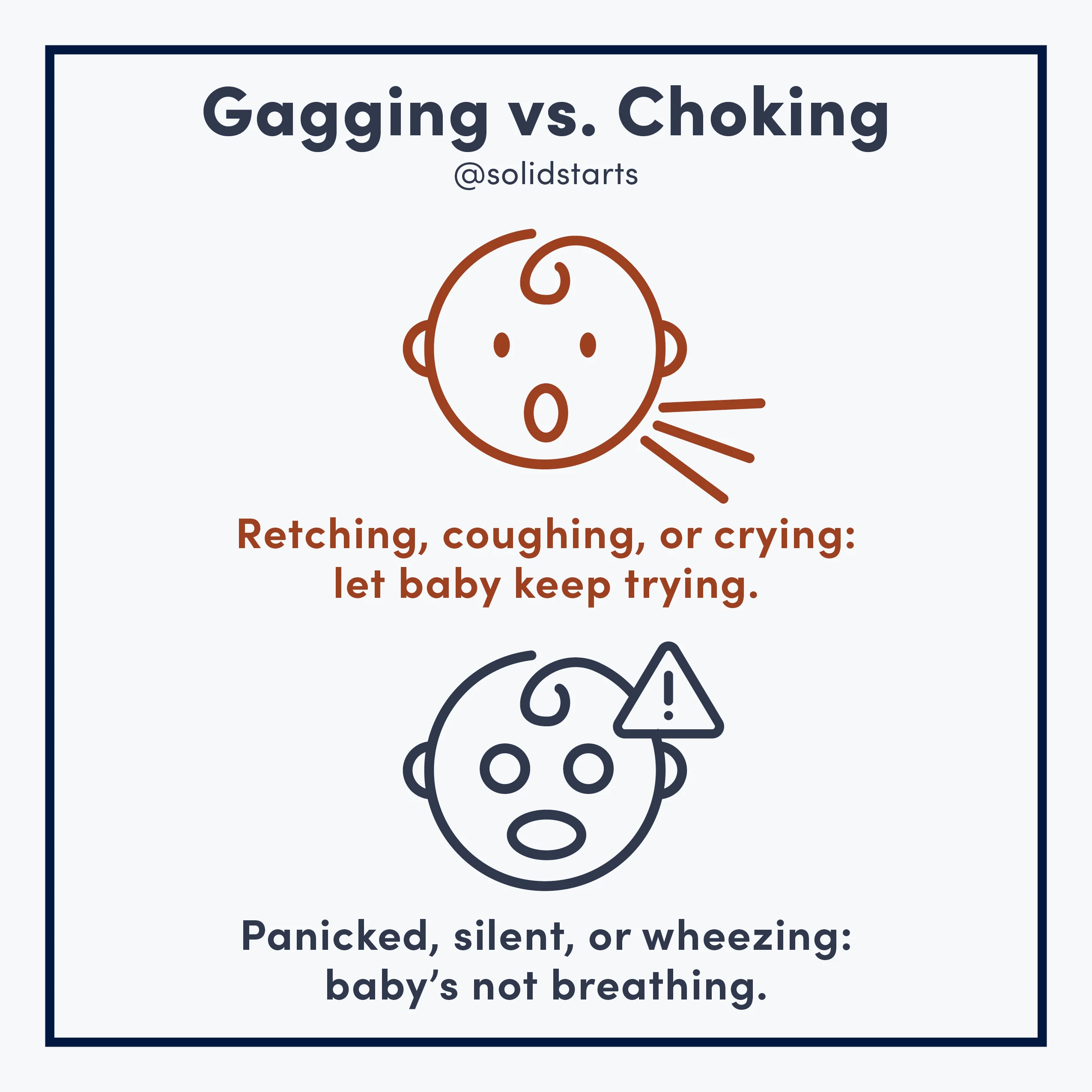
Always stay within arm’s reach during meals. Even safe foods can cause gagging or choking.
Gagging vs. Choking: Gagging is normal—it pushes food forward. Choking means the airway is blocked. Learn infant CPR for peace of mind.
How to Pick and Prep the Best Banana

Choose the Right Ripeness
• Best choice: Yellow banana with small brown spots (“sugar spots”)
• Avoid: Green tips (hard to digest) or all-black skin (overripe)
Ripe bananas are softer, sweeter, and less likely to cause constipation.
Safe Prep and Storage
• Wash the peel before cutting to avoid transferring bacteria
• Use stainless steel or BPA-free bowls
• Freeze mashed banana in ice cube trays for up to 3 months
Warning: Never microwave banana pieces—hot spots can burn baby’s mouth.
Boost Nutrition with Healthy Banana Mix-Ins
After your baby tolerates plain banana for a few days, try these nutritious blends:
• Avocado – adds healthy fats and creaminess
• Oatmeal – increases fiber and fullness
• Plain yogurt (after 6 months) – adds protein and probiotics
• Unsweetened applesauce – enhances flavor and digestion
Important: Do not add honey until after 12 months—risk of botulism.
Start with one mix-in at a time and watch for reactions.
Common Mistakes Parents Make
❌ Serving Whole Banana Slices
Round slices can block the airway. Always modify the shape using lollipop, double-edged, or split methods.
❌ Skipping the Pediatrician Visit
Even if your older child had no issues, every baby is different. Get medical approval before starting solids.
❌ Forcing Baby to Eat
Let your baby decide how much to eat. Signs they’re full include:
• Turning head away
• Closing mouth
• Pushing food out
Respecting fullness cues builds healthy eating habits.
❌ Using Underripe Bananas
Green bananas are high in starch and may cause constipation. Stick to ripe, speckled ones.
Helpful Tools for Easier Banana Feeding
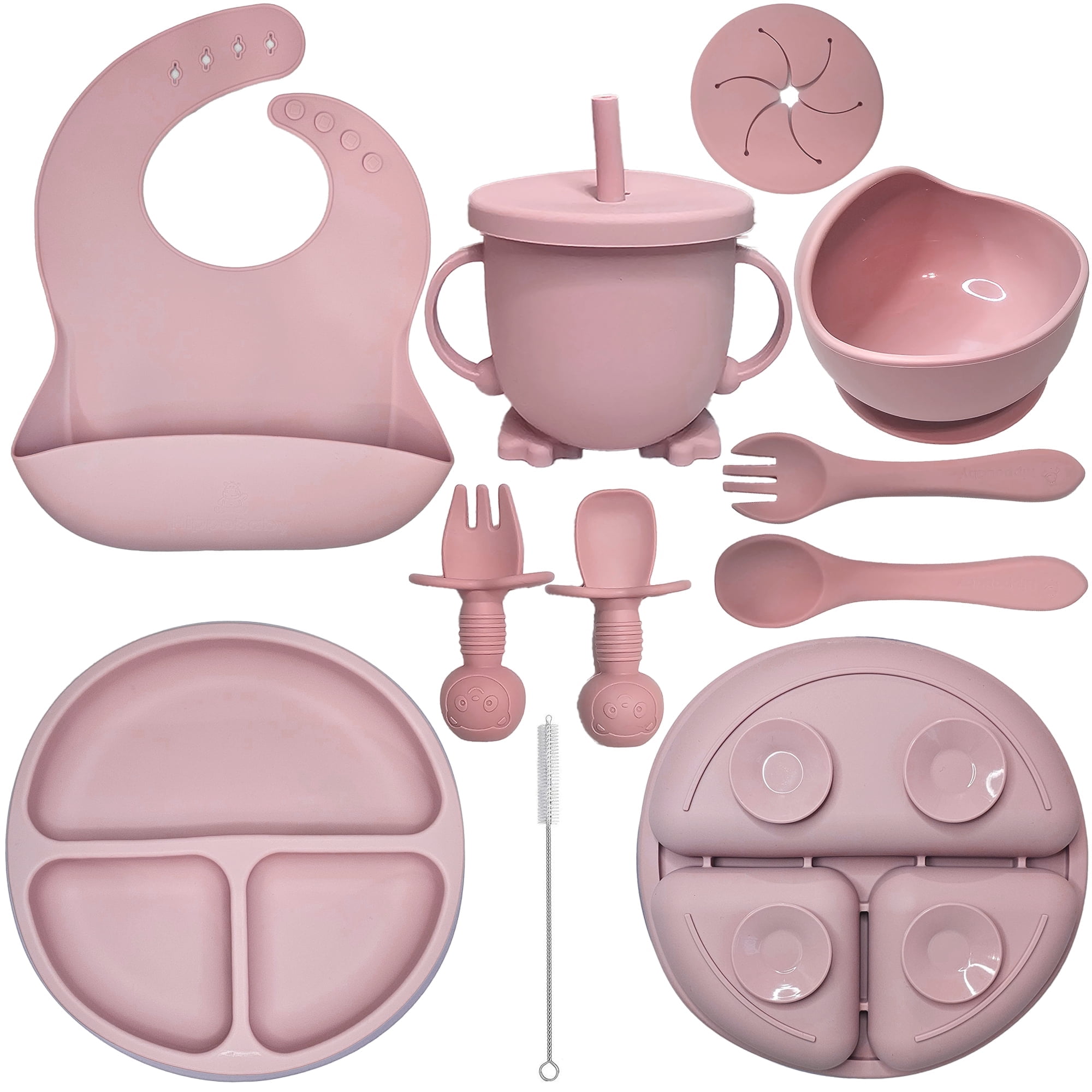
Must-Have Feeding Supplies
• Soft-tipped spoons – gentle on gums
• Suction bowl – stays put on highchair tray
• Bib with catch pocket – catches drips and crumbs
• Silicone placemat – easy to wipe clean
These small tools reduce mess and make mealtimes smoother.
Use a Baby Food App for Guidance
Many parents use apps that offer:
• Age-specific recipes
• Allergy tracking logs
• Choking prevention tips
• Meal planning calendars
Choose pediatrician-reviewed, evidence-based options for reliable support.
Frequently Asked Questions About How to Prepare Banana for Baby
Can I give my 5-month-old banana?
Most babies are ready at 6 months. If your 5-month-old shows strong interest and can sit well, talk to your pediatrician first. Early introduction should only happen with medical approval.
Is banana a choking hazard for babies?
Yes, if served improperly. Whole slices or large chunks can block the airway. Always modify the shape using safe methods like lollipop or double-edged to reduce risk.
How do I stop mashed banana from turning brown?
Oxidation causes browning—it’s safe but less appealing. Serve immediately or mix in a few drops of lemon juice (after 8 months) to slow the process. Store in an airtight container for up to 24 hours.
Can I freeze mashed banana for baby?
Yes. Freeze in ice cube trays, then transfer to a sealed bag. Use within 3 months. Thaw in the fridge or warm slightly—never microwave.
Do I need to cook banana for baby?
No. Ripe banana is soft enough to mash or serve raw. Cooking isn’t necessary and may reduce nutrient content.
Can I mix banana with formula or breast milk?
Yes. Mixing mashed banana with breast milk or formula helps create a familiar taste and smoother texture, making the transition to solids easier.
Key Takeaways for Preparing Banana Safely
• Start at 6 months with mashed banana if your baby is developmentally ready
• Use safe shapes like lollipop or double-edged for self-feeding to prevent choking
• Always supervise meals and learn the difference between gagging and choking
• Pick ripe bananas with speckles for best texture and digestion
• Introduce one food at a time and watch for reactions
By following these steps, you’re not just feeding your baby—you’re helping them build confidence, motor skills, and a positive relationship with food. Start simple, stay safe, and enjoy this sweet milestone together.





