
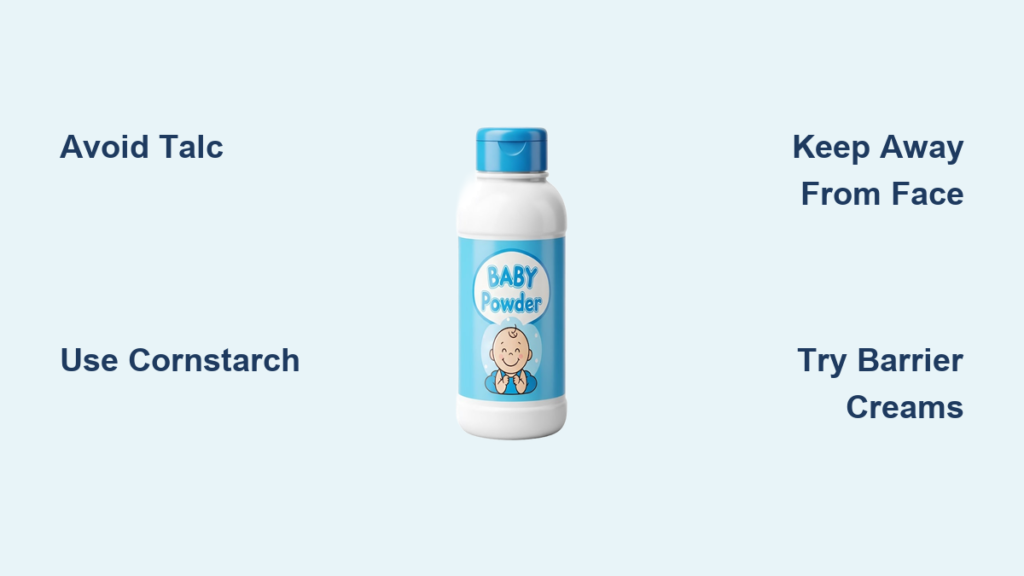
Baby powder has long been a staple in diaper bags and nurseries, but how to use baby powder safely is now a top concern for modern parents. As of 2026, pediatric guidelines and health research have reshaped best practices—talc-based powders are falling out of favor, and safer alternatives are taking center stage. With growing awareness of respiratory risks and long-term health concerns, parents are rethinking whether to use powder at all. This guide cuts through the confusion with up-to-date, pediatrician-backed methods for using baby powder safely—or skipping it entirely. You’ll learn which powders are still considered safe, how to apply them without risk, and why many parents are switching to barrier creams and air-drying instead.
Whether you’re a first-time parent or updating your routine, this is everything you need to know to keep your baby comfortable and protected. From choosing the right formula to avoiding common mistakes, we’ll walk you through safe application techniques and the most effective alternatives gaining popularity in 2026.
Choose the Right Type of Powder
Avoid Talc-Based Products
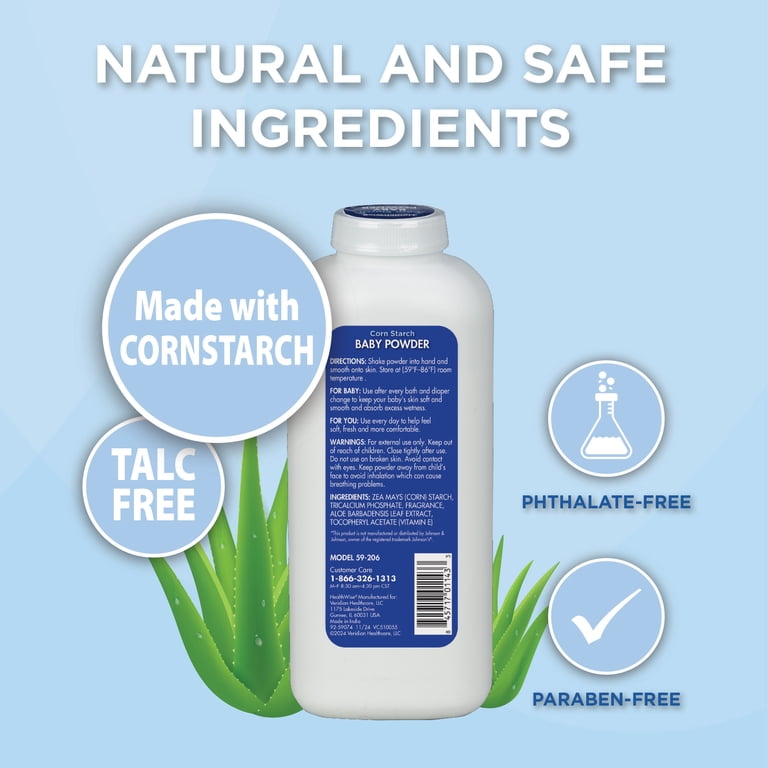
Talc-based baby powders are no longer recommended for infants. The FDA and leading pediatric organizations advise against their use due to potential health risks. Inhalation of talc particles can irritate a baby’s delicate lungs, and some studies have linked talc use near the genital area to rare cases of ovarian cancer later in life. Because babies breathe rapidly and have underdeveloped respiratory systems, even small amounts of airborne powder can be harmful. For these reasons, talc-based powders should be avoided entirely, especially around the face and diaper area.
Use Cornstarch-Based Alternatives
Cornstarch-based powders are the safest powder option if you choose to use one. Unlike talc, cornstarch particles are larger and less likely to be inhaled deeply into the lungs. These powders effectively absorb moisture and reduce friction, helping prevent chafing during diaper changes. Look for products labeled fragrance-free and hypoallergenic to minimize the risk of skin irritation. While cornstarch is safer than talc, it should still be used sparingly and with caution—especially around sensitive areas.
Check for Hypoallergenic Formulations
Babies have extremely sensitive skin, so choosing a powder that’s free from fragrances, dyes, and additives is essential. Opt for hypoallergenic, dermatologist-tested formulas that are specifically designed for infants. These products are less likely to trigger allergic reactions or rashes. Always read ingredient labels carefully and avoid any powder containing parabens, phthalates, or synthetic perfumes. If your baby has eczema or known skin sensitivities, consult your pediatrician before introducing any new product.
Apply Powder Safely (If Used)
Keep Powder Away from the Face
Never shake baby powder directly onto your baby, especially near the head or face. The fine particles can become airborne and easily inhaled, potentially causing breathing difficulties or lung irritation. Instead, practice safe application by pouring a small amount into your hand away from the baby, then gently patting it onto the skin. This method minimizes dust dispersion and keeps your baby’s airway clear. Always apply powder in a well-ventilated area and avoid using it when the baby is crying or breathing heavily.
Apply Only to Outer Diaper Areas
If you use powder, apply it only to the outer folds of the diaper area—never directly on or near the genitals. For baby girls, this is especially important. Their anatomy makes them more vulnerable to irritation and infection, as powder can migrate into the urethra or vaginal area. Focus on areas where skin rubs against skin, like the thigh creases, and skip the middle zone entirely. Better yet, consider skipping powder altogether in favor of gentler, non-powder solutions.
Use Minimal Amounts
Less is more when it comes to baby powder. Using too much increases the risk of inhalation and can cake on the skin, trapping moisture instead of absorbing it. A light dusting is all that’s needed to reduce friction. Overuse may also lead to clogged pores or skin irritation. If you notice any redness or rash after using powder, discontinue use immediately. Remember: the goal is comfort and dryness, not a visible coating.
Best Alternatives to Baby Powder
Use Barrier Creams Instead
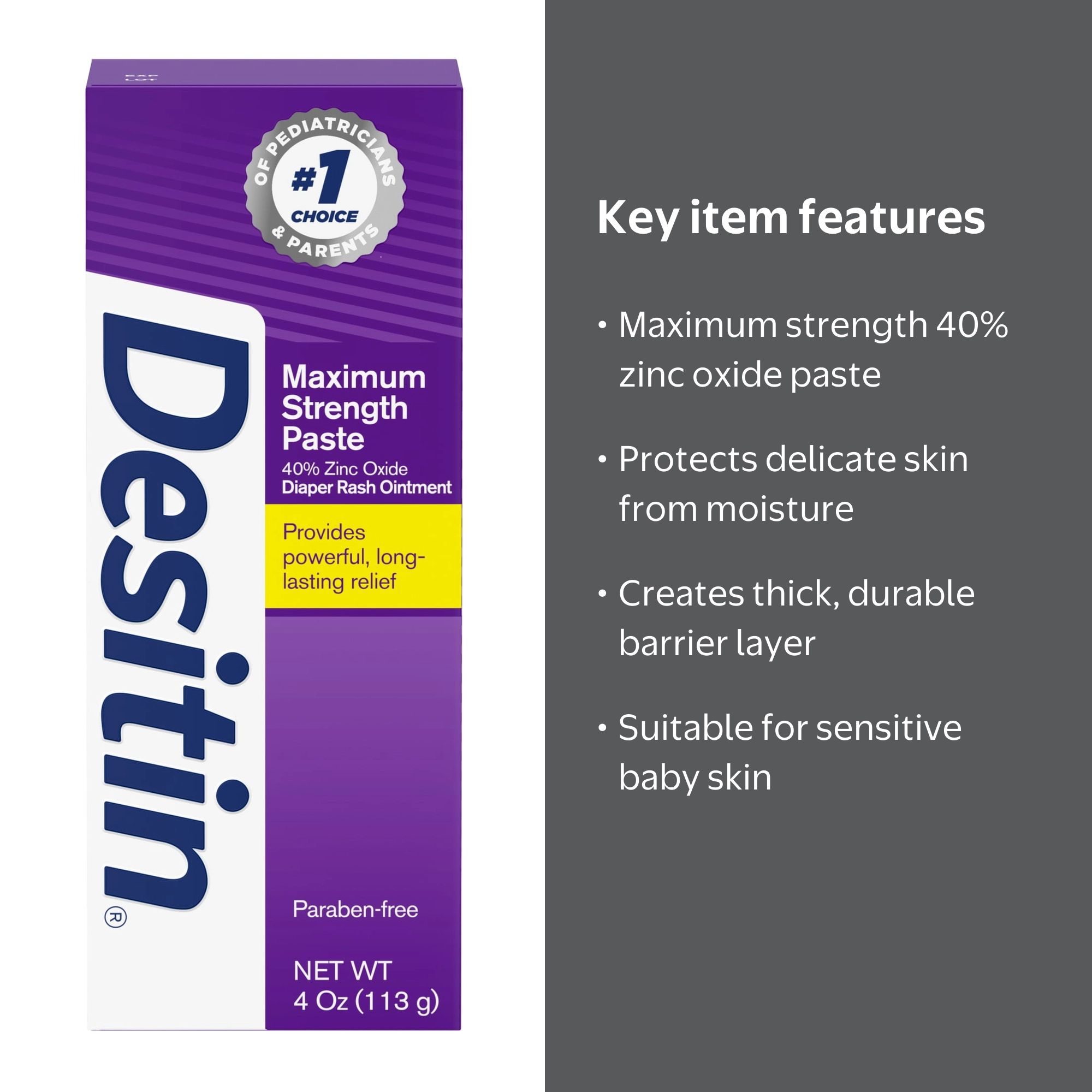
Zinc oxide-based barrier creams like Desitin, A&D Ointment, or Triple Paste have become the go-to alternative to baby powder. These products form a protective layer between the skin and wetness, preventing diaper rash more effectively than powder. They’re especially useful for babies prone to irritation or with sensitive skin. Apply a thick layer during every diaper change, focusing on high-risk areas. Unlike powder, barrier creams don’t pose an inhalation risk and stay in place even when the baby moves.
Try the Air-Dry Method
One of the most effective—and simplest—alternatives is letting your baby’s skin breathe. After cleaning during a diaper change, lay your baby on a clean towel and allow the diaper area to air-dry for 2–3 minutes. This natural drying process prevents moisture buildup, reduces the need for powders, and helps heal minor irritation. Many parents report zero rashes using this method alone. It’s especially helpful during daytime changes when time allows.
Change Diapers Frequently
The best defense against diaper rash is reducing moisture exposure. Change your baby’s diaper as soon as it’s wet or soiled. Prolonged contact with urine and stool breaks down the skin’s natural barrier, leading to irritation. Frequent changes—every 2 to 3 hours during the day—keep the skin dry and healthy. Combine this with gentle cleansing and air-drying, and you may find that no additional products are needed at all.
Special Care for Baby Girls

Avoid Genital Area Application
For baby girls, applying powder near the genital region is strongly discouraged. The close proximity of the urethra and vaginal opening increases the risk of particles entering sensitive tissues, potentially causing irritation or infection. Even cornstarch-based powders should never be dusted directly onto the vulva or inner folds. The safest approach is to skip powder in this area entirely and rely on barrier creams or air-drying instead.
Focus on Gentle Cleansing
Clean baby girls from front to back using fragrance-free wipes or a soft cloth with warm water. This prevents bacteria from the anal area from spreading to the urethra, reducing the risk of urinary tract infections. Pat the area dry gently—never rub—and allow it to air out before putting on a new diaper. Avoid wipes with alcohol or strong scents, which can disrupt the skin’s pH balance and lead to discomfort.
When to Skip Powder Altogether
For Newborns and Sensitive Skin
Newborns have extremely delicate skin that’s more prone to irritation and absorption of chemicals. Many pediatricians recommend avoiding all powders during the first few months. Instead, focus on frequent diaper changes, gentle cleaning, and air-drying. Babies with eczema, allergies, or pre-existing skin conditions should never use powder unless approved by a doctor. In most cases, simple hygiene practices are all that’s needed to prevent rashes.
If Diaper Rash Is Present
Never apply baby powder to broken, red, or irritated skin. Doing so can trap moisture and worsen the condition. If your baby has a diaper rash, switch to a zinc oxide barrier cream and increase air-drying time. Keep the area as clean and dry as possible, and consult your pediatrician if the rash persists beyond a few days. Powder is not a treatment for rash—it’s a preventive tool, and even then, it’s becoming obsolete.
Store and Handle Safely
Keep Containers Out of Reach
Baby powder containers should be stored securely out of reach and sight of children. Toddlers may be tempted to play with the bottle, leading to accidental spills or inhalation. Always close the lid tightly after use to prevent powder from escaping into the air. Consider using a shaker with a fine mesh top to control dispersion, or transfer cornstarch powder to a smaller, controlled applicator to minimize overuse.
Prevent Accidental Inhalation
Even safe powders can be dangerous if inhaled in large amounts. Never use baby powder near an open crib, car seat, or stroller where your baby is present. Avoid using it in enclosed spaces with poor ventilation. If you see your baby coughing or breathing heavily during a change, stop immediately and move to a fresh-air area. Long-term exposure to airborne particles—even cornstarch—can lead to respiratory issues.
Modern Parenting Trends in 2026
Shift Toward Non-Powder Solutions
More parents are ditching baby powder completely. Real-world experiences show a clear trend: talc → cornstarch → no powder at all. Many report better results with barrier creams and air-drying, with fewer rashes and no inhalation worries. Online parenting communities highlight success stories from families who’ve gone powder-free, reinforcing confidence in simpler, safer routines.
Rise of Natural and Organic Products
Demand for natural, organic, and transparently labeled baby care products is growing. Parents want to know exactly what’s on their baby’s skin. Brands are responding with plant-based barrier creams, chemical-free wipes, and cornstarch powders made from non-GMO sources. Look for certifications like “pediatrician-approved” or “dermatologist-tested” to ensure safety and effectiveness.
Frequently Asked Questions About How to Use Baby Powder
Is it safe to use baby powder on newborns?
No, it is not recommended to use baby powder on newborns. Their skin is highly sensitive, and their respiratory system is still developing. Pediatricians advise skipping powder altogether in the first few months and focusing on air-drying, frequent changes, and gentle cleansing instead.
Can I use cornstarch baby powder instead of talc?
Yes, cornstarch-based powders are considered safer than talc because the particles are larger and less likely to be inhaled. However, they should still be used sparingly, kept away from the face and genitals, and never applied to irritated skin.
How do I apply baby powder without risking inhalation?
To avoid inhalation, never shake powder directly onto the baby. Pour a small amount into your hand away from the baby, then gently pat it onto the outer diaper area. Always apply in a well-ventilated space and avoid use when the baby is crying or breathing heavily.
Should I use powder for my baby girl?
It is best to avoid using powder on baby girls, especially near the genital area. The anatomy increases the risk of irritation and infection. Instead, use a barrier cream and allow the area to air-dry during diaper changes.
What are the best alternatives to baby powder?
The top alternatives include zinc oxide barrier creams (like Desitin), air-drying the diaper area for 2–3 minutes, and changing diapers frequently. These methods are safer, more effective, and eliminate inhalation risks.
Can baby powder cause breathing problems?
Yes, inhaling baby powder—especially talc—can cause breathing problems in infants. Even cornstarch particles can irritate the lungs if inhaled in large amounts. Always use powder with extreme caution or skip it entirely to protect your baby’s respiratory health.
Key Takeaways for Using Baby Powder in 2026
The safest way to use baby powder in 2026 is often not to use it at all. With strong medical guidance against talc, rising concerns about inhalation, and effective alternatives available, many parents are choosing simpler, healthier routines. If you do use powder, stick to cornstarch-based, fragrance-free formulas and apply them with extreme care—away from the face and genitals.
For most families, the future of baby care is powder-free: relying on frequent changes, gentle cleansing, air-drying, and protective barrier creams. These methods are proven to prevent rashes without the risks associated with powders. Always consult your pediatrician for personalized advice, especially if your baby has sensitive skin or health concerns.





