
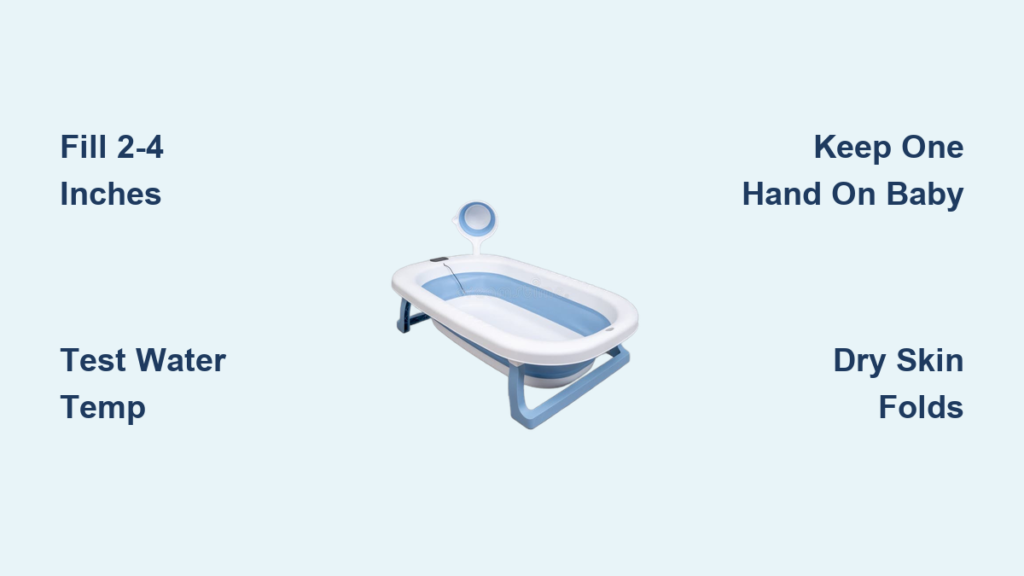
Bath time is a special bonding moment between parent and baby — but if you’re new to infant care, the idea of bathing a slippery newborn in a baby bath basin can feel overwhelming. Knowing how to use a baby bath basin correctly ensures your baby stays warm, clean, and secure while minimizing risks like chilling or slips. The key is preparation, proper technique, and constant supervision.
Most experts recommend waiting until the umbilical stump has fallen off and any circumcision site is healed before starting full tub baths. Until then, stick to sponge baths. Once ready, limit baths to 1–2 times per week to protect your baby’s delicate skin. Over-bathing is a common mistake — babies don’t get dirty like adults, so frequent washing isn’t needed and can cause dryness or irritation. This guide walks you through every step of how to use a baby bath basin safely, from setup to drying, so you can turn bath time into a calm, confident routine.
Gather All Bath Supplies Before Starting
Having everything ready prevents dangerous distractions and keeps your focus on your baby.
Essential Items to Prepare
• Baby bath basin or support – Use an infant-specific tub or a supportive model like Angelcare
• Soft washcloths (2+) – One for the face, another for the body and diaper area
• Gentle baby soap and shampoo – Fragrance-free, mild formulas reduce irritation
• Cup or small pitcher – For controlled rinsing, especially on the scalp
• Warm towel – Quick-drying materials help prevent chilling
• Clean diaper and clothes – Dress baby immediately after drying
• Muslin swaddle (optional) – Ideal for the swaddle bath technique
Why Setup Is Critical
Reaching for a forgotten item puts your baby at risk. Drowning can happen in just inches of water and in seconds. Never leave your baby unattended — not even to grab a towel. Prepare your space completely before filling the tub.
Choose a Warm, Stable Bathing Location
The right environment keeps your baby comfortable and reduces hazards.
Pick a Draft-Free, Warm Spot
Place the baby bath basin on a stable, non-slip surface like a bathroom counter, shower floor, or sturdy table. Avoid cold tiles or drafty areas. Keep hot water taps out of reach to prevent accidental scalding.
Keep Supplies Within Arm’s Reach
Arrange everything nearby:
• Towel
• Washcloths
• Soap
• Diaper
• Clothes
This eliminates the need to step away. One hand should always remain on your baby during the bath.
Fill the Basin With Safe Water Depth
Getting the water level right protects your baby from submersion and chilling.
Ideal Water Level
Fill the basin with 2 to 4 inches of warm water, enough to reach your baby’s hips when seated. For newborns, 2–3 inches is ideal. As your baby grows, you can increase slightly, but never submerge more than the lower torso.
Why Water Depth Matters
Too much water increases drowning risk. Too little offers no support. The goal is to provide enough warmth and buoyancy while keeping the head and chest safely above water.
Set Water Temperature to 98–100°F
Correct temperature prevents burns and discomfort.
Best Ways to Test Water
• Elbow or inner wrist test – These areas are more heat-sensitive than hands
• Baby-safe thermometer – Most accurate method; aim for 98–100°F (37–38°C)
Never rely on your hand alone — it’s less sensitive and may misjudge hot water.
Signs Water Is Too Hot
• Skin turns red after contact
• Baby cries immediately upon entering
• Steam rises from the surface
If any occur, drain and refill with cooler water.
Lower Baby Into Basin Feet First

The entry method ensures safety and comfort.
Proper Positioning
• Hold baby securely with one hand under the head and neck, the other under the bottom
• Gently lower them feet first into the water
• Keep the head above water at all times
This mimics natural movement and prevents splashing or submersion.
Maintain Constant Contact
Always keep one hand on your baby during the entire bath. Even a few seconds of distraction can lead to slipping or rolling. Never assume a bath support makes the baby “safe enough” to leave.
Clean Face and Eyes With No Soap
Start with the cleanest area to avoid spreading bacteria.
Safe Face Washing Steps
• Use a damp, clean washcloth with no soap
• Wipe from the inner corner of each eye outward
• Gently clean cheeks, forehead, and under the chin
• Avoid getting water in ears or nose
This prevents irritation and reduces infection risk.
Focus on Skin Folds
Pay extra attention to:
• Behind the ears
• Under the chin
• Neck creases
Milk residue and moisture collect here and can cause rashes if not cleaned.
Wash Scalp With a Pea-Sized Amount of Shampoo
Gentle washing helps manage cradle cap and buildup.
How to Apply Shampoo Safely
• Use a pea-sized amount of mild baby shampoo
• Massage gently with fingertips or soapy washcloth
• Focus only on the scalp, not the face
Rinse Without Getting Suds in Eyes
• Tilt head back slightly to prevent suds from running into eyes
• Use a damp washcloth or cup to pour water over the head
• Wipe away any soap immediately if it reaches the eyes
For stubborn cradle cap, wash daily and use a soft brush after shampooing.
Wash Body From Clean to Dirty Areas
Follow a logical order to maintain hygiene.
Step-by-Step Body Washing
- Neck and chest
- Arms and hands
- Back and bottom
- Diaper area last
This prevents transferring bacteria from dirtier zones to cleaner ones.
Use Minimal Soap
Only apply soap where needed — underarms, groin, skin folds. Overuse dries out sensitive skin. Rinse thoroughly to avoid residue.
Try the Swaddle Bath for Newborns
This technique keeps babies calm and warm.
Why It Works
Wrapping your baby in a damp muslin cloth provides gentle pressure that mimics the womb, reducing startle reflexes and helping regulate body temperature.
How to Do a Swaddle Bath
- Soak the muslin in warm water and wring out excess
- Place baby in the basin or support
- Wrap snugly in the damp swaddle
- Uncover one area at a time to clean
- Re-cover immediately after washing
This method ensures baby stays warm and secure while allowing full access for cleaning.
Keep Baby Warm During the Bath
Babies lose heat quickly — maintaining warmth is essential.
Prevent Chilling
• Continuously pour warm water over baby’s body during the bath
• Keep sessions short: 5–7 minutes max for newborns
• Monitor skin color — pale or blotchy skin means baby is cold
Use a Pre-Warmed Towel
Have a warm towel ready. Some parents place it near a heater (safely) or run warm water through it and dry before use.
Lift Baby Out With Head and Back Supported
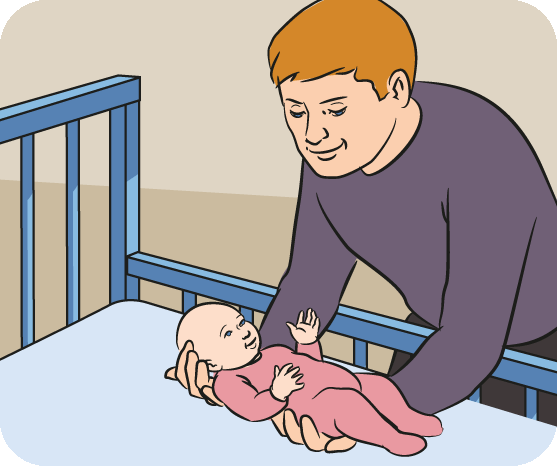
Exiting the tub is a high-slip moment — extra caution is needed.
Safe Removal Technique
• Slide both hands under baby: one supporting head and neck, the other under back and bottom
• Lift slowly and securely
• Move directly to the towel
Wet skin is extremely slippery — never let go, even for a second.
Watch for Sudden Movements
Newborns may flail or arch their back. Be ready to adjust your grip without panicking.
Dry Gently and Thoroughly
Proper drying prevents chills and skin issues.
Wrap and Pat Dry Immediately
• Pat dry with a soft, warm towel
• Cover the head — babies lose heat quickly through the scalp
• Focus on skin folds: under arms, behind ears, between fingers and toes
Moisture trapped in creases can cause irritation or fungal growth.
Avoid Rubbing
Gently pat, don’t rub. Baby skin is delicate and easily irritated.
Dress Baby and Apply Diaper Cream
Finish the routine with comfort and protection.
Post-Bath Skin Care
• Apply diaper cream if redness or irritation is present
• Use fragrance-free moisturizer only if baby has dry skin
• Dress in clean, soft clothing
Avoid overdressing — one extra layer over what you’re wearing is usually sufficient.
Adjust Bathing Routine After 6 Months
As babies grow, bath time becomes more interactive.
Transition to Play Time
Around 6 months, babies become curious and active. Bath time shifts from hygiene to fun.
Add Safe Bath Toys
• Choose self-draining toys (no water traps to prevent mold)
• Use non-slip mats to prevent slipping
• Keep sessions short: 5–10 minutes
Always supervise — even older infants can drown in shallow water.
Prevent Common Bath Problems
Anticipate and solve typical challenges.
Baby Feels Cold
• Warm the room before starting
• Pour warm water continuously over baby
• Shorten bath time
Baby Is Slippery
• Maintain firm grip with both hands
• Use a non-slip mat or bath support
• Never leave unattended
Suds in Eyes
• Tilt head back when rinsing
• Use damp cloth instead of pouring
• Flush with clean water if irritation occurs
Dry Skin
• Reduce bath frequency
• Use minimal soap
• Moisturize after drying if needed
Follow Non-Negotiable Safety Rules
Safety is the top priority during infant bathing.
Never Leave Baby Unattended
Drowning can happen in under a minute in just a few inches of water. Even answering a phone call is too long. One hand must always be on your baby.
Keep Hot Water Out of Reach
Turn handles away or use a tap cover. Scalds are a real risk — water above 120°F can burn in seconds.
Check Basin Stability
Ensure the bath basin is on a level, non-slip surface. Avoid wobbly counters or wet floors.
Frequently Asked Questions About Baby Bath Basin
When can I start using a baby bath basin?
Wait until the umbilical stump has fallen off and any circumcision site is healed. Until then, use sponge baths. Most babies are ready for tub baths at 1–2 weeks old.
How often should I bathe my newborn?
Limit baths to 1–2 times per week. Newborns don’t get dirty like adults, and over-bathing can dry out their skin. Focus on cleaning the diaper area daily.
Do I need a bath support like Angelcare?
Not required, but helpful for newborns. A bath support keeps your baby secure and allows better control during washing. Always keep one hand on your baby, even with a support.
Can I use regular soap on my baby?
No. Use gentle, fragrance-free baby soap only where needed — underarms, groin, and skin folds. Avoid soap on the face and limit use to prevent dryness.
How do I prevent cradle cap?
Wash the scalp gently with mild baby shampoo every few days. Use a soft brush after washing to loosen flakes. Regular cleaning helps prevent buildup.
What if my baby hates bath time?
Try the swaddle bath technique to provide comfort. Keep water warm, room draft-free, and movements gentle. Some babies prefer shorter baths or being bathed at a different time of day.
Key Takeaways for Using a Baby Bath Basin Safely
Mastering how to use a baby bath basin safely builds confidence and turns bath time into a soothing ritual. Always prepare supplies ahead, test water temperature, and keep one hand on your baby. Limit baths to 1–2 times per week, wash in clean-to-dirty order, and dry thoroughly — especially in skin folds.
As your baby grows, adapt the routine: introduce toys at 6 months, but never relax supervision. Remember: drowning can happen in seconds, so never leave your baby alone — not even to answer the door. With these steps, you’ll create a safe, warm, and loving experience that strengthens your bond and supports your baby’s well-being.





