

Dark, garland-like stains along the gumline of your child’s teeth can be alarming. If you’ve noticed stubborn black marks that won’t come off with regular brushing, you’re not alone. These are likely signs of black stain on baby teeth—a common condition affecting children and adolescents. The good news? Despite how they look, black stains are harmless and do not damage tooth enamel. In fact, research suggests they may even offer some protection against cavities. Still, their appearance can cause embarrassment or concern for both kids and parents.
The key challenge lies in distinguishing black stain from tooth decay and knowing how to safely remove it. Unlike plaque or cavities, black stain isn’t caused by poor hygiene. It’s linked to specific bacteria in the mouth that react with saliva, forming dark pigments along the base of the teeth. While it can’t always be prevented, it can be managed effectively. This guide will walk you through proven removal methods, what to expect at the dentist, and how to support your child emotionally through the process—all based on clinical insights and expert recommendations.
What Causes Black Stains on Baby Teeth?
Black stain appears as dark, often ring-like discoloration near the gumline of baby teeth. It’s most common in children under 10 but can also affect teens. Contrary to what many assume, it’s not a sign of bad oral hygiene. In fact, children with excellent brushing habits can still develop these stains.
Bacterial Pigmentation Explained
The root cause is pigmented bacteria—especially strains of Actinomyces—that naturally live in some children’s mouths. These microbes interact with iron compounds in saliva, forming insoluble iron sulfide deposits that stick tightly to tooth surfaces. This reaction leads to the characteristic black or dark brown lines.
Interestingly, only a small percentage of kids have the right oral environment for this to happen. Factors that may increase risk include:
• Higher iron content in saliva or diet
• Use of iron supplements
• Certain genetic predispositions
• Specific oral microbiome composition
Despite their appearance, black stains are non-cariogenic, meaning they don’t lead to decay. Some studies even show children with black stain have fewer cavities than those without.
Spotting Black Stain vs. Cavities

One of the biggest concerns for parents is telling the difference between harmless black stain and actual tooth decay.
Key Visual Differences
| Feature | Black Stain | Tooth Decay (Caries) |
|---|---|---|
| Location | Along gumline, often on multiple teeth | On chewing surfaces or between teeth |
| Shape | Garland-like, continuous line | Irregular spot or hole |
| Texture | Smooth, hard, firmly attached | Rough, soft, or sticky area |
| Brushability | Cannot be brushed away | May be partially removable if early stage |
| Pain | Never causes pain | Can cause sensitivity or pain |
If the stain runs like a thin black line hugging the edge of several teeth near the gums, it’s likely melanodontia. Cavities usually appear as isolated spots and may progress into holes or cause discomfort.
Still, when in doubt, see a dentist. A professional can confirm the diagnosis quickly—often just by visual inspection.
Can You Remove Black Stains at Home?
While black stain won’t disappear with routine brushing, there are safe home strategies that may help reduce its appearance—especially when used alongside professional care.
Try These Gentle Methods
1. Brush with Baking Soda Paste
Mix a small amount of baking soda with water to form a paste. Brush gently once a week. Baking soda has mild abrasive and alkaline properties that may help lift surface stains.
⚠️ Caution: Don’t overuse—baking soda can wear down enamel if used daily, especially on thin baby tooth enamel.
2. Use a Soft Toothbrush + Circular Motions
Even though the stain resists brushing, consistent cleaning helps prevent plaque buildup around the stained areas. Use a soft-bristled brush and teach your child to use small circular motions, focusing on the gumline.
3. Rinse After Iron Supplements
If your child takes iron supplements, rinse their mouth with water after use. Iron can fuel the chemical reaction behind staining.
4. Limit Iron-Rich Foods Around Teeth Eruption Time
While iron is essential, excessive intake during early tooth development might contribute to staining in predisposed children. Talk to your pediatrician before making dietary changes.
✅ Pro Tip: Pair brushing with fun—use timers, songs, or apps to encourage thorough cleaning without pressure.
These methods won’t eliminate black stain completely but can support overall oral health and minimize visibility.
Professional Removal Options
For noticeable or widespread black stain, professional treatment is the most effective solution.
1. Professional Teeth Cleaning (PTC)
This is the gold standard for removing black stain.
What Happens During PTC?
• The hygienist uses specialized tools like ultrasonic scalers and polishing brushes
• Stains are gently scraped or polished off without damaging enamel
• The process is painless and typically takes 30–45 minutes
Most children see immediate improvement after one session. Since black stain can return, dentists often recommend repeat cleanings every 6 months.
💡 Note: Even kids can get PTC! Many pediatric dental offices offer child-friendly cleanings to make the experience comfortable.
2. Air Polishing (Air-Flow Therapy)
Some clinics use air-polishing devices that blast a mixture of air, water, and fine powder (like glycine) onto teeth. This method is highly effective for stubborn pigmentation and gentler than traditional scaling.
Benefits:
• Removes stains quickly
• Less abrasive than mechanical scraping
• Comfortable for children
Availability varies by practice, so ask your dentist if this option is offered.
3. Why Whitening Isn’t Recommended for Kids
You might wonder about teeth whitening treatments. However:
• Bleaching gels (like hydrogen peroxide) are not approved for children
• Baby teeth have larger pulp chambers, making them more sensitive
• There’s no medical need—black stain isn’t harmful
Save whitening for adulthood. Focus instead on safe, enamel-friendly removal now.
Preventing Recurrence of Black Stains
While you can’t fully prevent black stain due to biological factors, you can reduce its severity and frequency.
Daily Oral Care Routine
Start early—even before the first tooth appears.
From 0–6 Months:
• Wipe gums with a clean, damp cloth after feeding
• Prevents bacterial buildup from milk residue
First Tooth to Age 3:
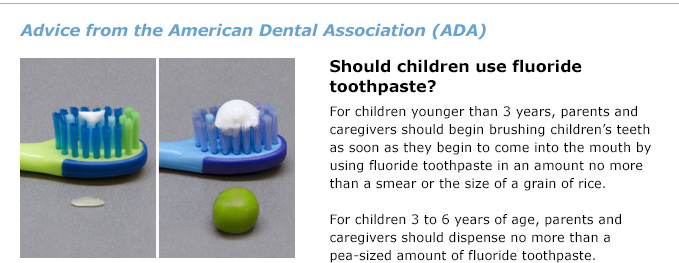
• Use a rice-sized smear of fluoride toothpaste
• Brush twice daily with a soft baby toothbrush
Ages 3–6:
• Use a pea-sized amount of fluoride toothpaste
• Supervise brushing to ensure full coverage
🌟 Fun Hack: Let your child pick their toothbrush (with fun characters or colors) to boost engagement.
Regular Dental Visits
Schedule check-ups every 6 months, starting by age 1 or within 6 months of the first tooth erupting. Early visits help:
• Detect black stain early
• Rule out cavities
• Establish a positive relationship with the dentist
Your dentist may also apply fluoride varnish during visits, which strengthens enamel and supports overall dental health.
Emotional Support for Your Child
Appearance matters—even to young kids. A child with visible black stains might feel self-conscious, teased, or ashamed, especially in school or social settings.
How to Help
1. Normalize the Condition
Explain: “Some kids’ mouths have special bacteria that make dark lines on teeth. It doesn’t mean you didn’t brush well. In fact, your teeth are strong!”
Avoid blame or frustration—even indirectly.
2. Involve Them in the Solution
Take your child to the dentist together. Let them ask questions. Seeing the stains removed professionally can be empowering.
3. Celebrate Progress
After a cleaning, praise the result: “Look how shiny your teeth are now! Great job taking care of them.”
Building confidence around oral health sets the stage for lifelong habits.
When to See a Dentist
Even if you suspect black stain, a dental visit is essential for confirmation and safe treatment.
Schedule an Appointment If:
• Stains appear suddenly or spread rapidly
• You’re unsure if it’s stain or decay
• Your child feels pain or sensitivity
• Home care isn’t improving appearance
• You want professional removal
The dentist will:
• Examine the teeth visually
• Possibly use UV light or magnification
• Rule out other conditions (e.g., enamel hypoplasia, trauma)
• Recommend appropriate cleaning
No X-rays are usually needed unless decay is suspected.
Long-Term Outlook: Will It Go Away?
Yes—black stain often resolves on its own by adolescence or early adulthood. As the oral microbiome changes and permanent teeth come in, the conditions that support pigmented bacteria tend to diminish.
Until then:
• It’s harmless
• It doesn’t hurt
• It doesn’t spread disease
• It may protect against cavities
So while it’s understandable to want whiter teeth, remember: this is a cosmetic issue, not a health threat.
Frequently Asked Questions About Black Stains on Baby Teeth
What does black stain on baby teeth look like?
Black stain appears as dark, garland-like lines along the gumline of multiple teeth. The discoloration is smooth, firmly attached, and cannot be brushed off. It’s most common in children under 10 and often mistaken for decay.
Is black stain harmful to my child’s teeth?
No. Black stain is non-cariogenic and does not damage enamel. In fact, some studies suggest children with black stain have fewer cavities. It’s purely a cosmetic concern, not a dental health risk.
Can regular brushing remove black stains?
No. Unlike plaque, black stain cannot be removed with normal brushing. It requires professional cleaning with special tools. However, consistent brushing helps maintain oral health and prevents plaque buildup around stained areas.
Does iron cause black stains on baby teeth?
High iron levels—either in saliva or from supplements—can contribute to black stain formation. Iron reacts with bacteria in the mouth to form dark iron sulfide deposits. Rinsing after iron supplements may help reduce staining.
Will black stains go away on their own?
Yes. Most children outgrow black stain by adolescence. As the oral microbiome shifts and permanent teeth erupt, the conditions that support pigmented bacteria fade. Regular dental cleanings can manage appearance until then.
Can my child get professional cleaning for black stains?
Yes. Pediatric dentists offer professional teeth cleanings for children as young as one year old. Using gentle tools like ultrasonic scalers or air polishing, they safely remove stains without harming enamel.
Key Takeaways for Managing Black Stain on Baby Teeth
Black stains on baby teeth are more common than you think—and completely manageable. They are caused by natural bacteria interacting with iron in saliva, not poor hygiene. While they can’t be brushed away, professional cleanings are highly effective and safe for children.
Focus on regular dental visits every six months, gentle home care, and emotional support. Teach your child that their smile is still healthy and beautiful, stains and all. With the right approach, you can maintain both their dental health and confidence—until the stains naturally fade with age.





