
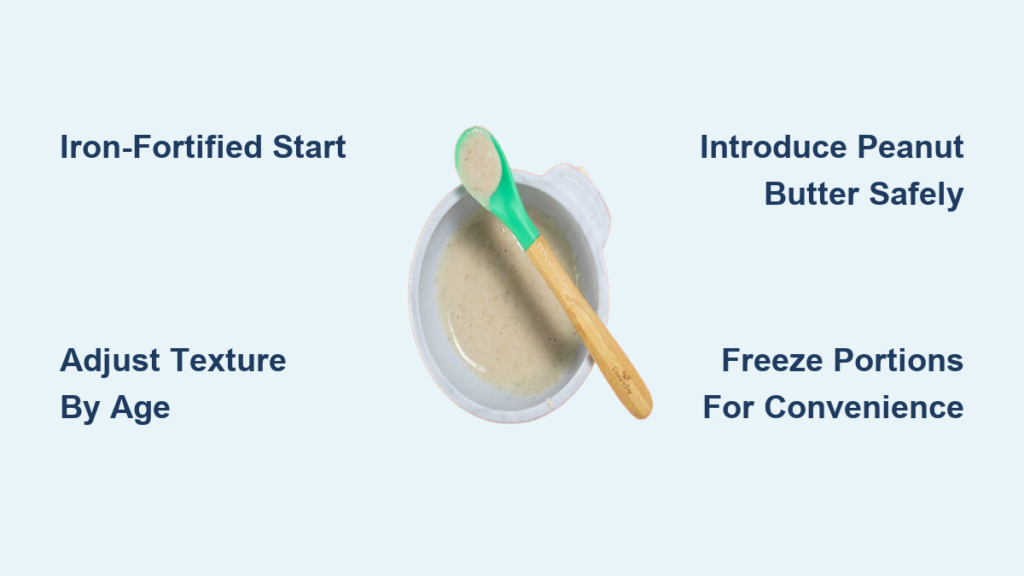
Introducing solid foods is a major milestone, and knowing how to prepare oatmeal for baby safely and nutritiously is key for parents starting this journey. Around 6 months, babies need more iron and nutrients than breast milk or formula alone can provide. Oatmeal is a gentle, fiber-rich first food that supports healthy growth. However, with concerns about texture, iron content, allergies, and preparation methods, getting it right matters. This guide gives you clear, age-specific steps to make oatmeal that’s safe, nutritious, and easy to digest—whether you choose store-bought cereal or homemade oats.
You’ll learn how to match oatmeal consistency to your baby’s development, add flavor with banana or peanut butter safely, and store portions without waste. We’ll cover iron needs, choking prevention, and how to balance convenience with nutrition—so you can feel confident every time you serve a spoonful.
Choose the Right Oat Type by Age
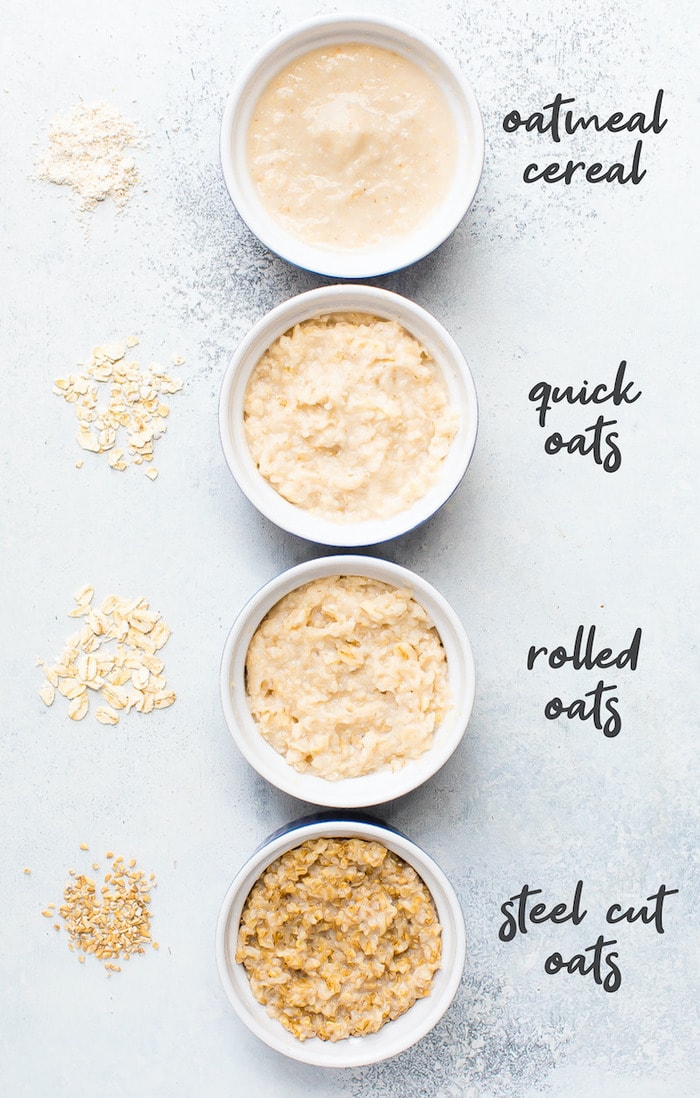
Start with Iron-Fortified Cereal at 6 Months
For babies just beginning solids, iron-fortified single-grain oatmeal cereal is the safest and most recommended option. Around 6 months, your baby’s iron stores from birth begin to deplete, increasing the risk of anemia. Commercial baby oatmeal is fortified with iron, making it a critical part of early nutrition—even if you prefer homemade meals for other foods.
Mix 1 tablespoon of dry cereal with 4 tablespoons (¼ cup) of breast milk, formula, or water. Stir well until smooth and lump-free. Begin with a thin, runny consistency to help your baby adjust to swallowing solids. Serve with a soft-tipped spoon—never in a bottle unless advised by your pediatrician.
Pro Tip: Introduce only one ingredient at a time. Wait 3–5 days before adding mix-ins like fruit to monitor for allergic reactions.
Switch to Steel Cut Oats at 8+ Months
Once your baby has adapted to basic cereals and shows interest in thicker textures, steel cut oats are a nutritious next step. Less processed than instant oats, they retain more fiber and nutrients. However, they require longer cooking—about 20–30 minutes of simmering after boiling.
Use a ratio of ¼ cup steel cut oats to 1 cup liquid (water, breast milk, or formula). Cook until soft and tender. For younger eaters, blend or mash for a smoother texture. These oats are ideal for babies developing chewing motions and ready for lumpier foods.
Warning: Never serve uncooked or undercooked oats. Always ensure the texture is soft and easy to swallow to prevent choking.
Make Peanut Butter Banana Oatmeal Safely
Introduce Peanut Butter After Allergy Clearance
Peanut butter adds protein, healthy fats, and flavor to baby oatmeal—but it must be introduced carefully. The American Academy of Pediatrics recommends early exposure to allergenic foods like peanuts to reduce allergy risk, but only after your baby has tolerated other solids and with your pediatrician’s approval.
Use natural peanut butter with no added sugar, salt, or xylitol (a sweetener toxic to babies). Stir 1 tablespoon into fully cooked oatmeal along with ½ mashed ripe banana for natural sweetness and creaminess.
Safety First: Test a small amount on your baby’s lip or skin first. Watch closely for signs of allergy: hives, swelling, vomiting, or difficulty breathing.
Optimize Texture and Nutrition
For babies 8–12 months, this combo supports brain development and sustained energy. The banana helps mask the earthy taste of oats while adding potassium and fiber.
Add a pinch of ground cinnamon for extra flavor (safe in small amounts) and serve warm or at room temperature. Always cool freshly cooked oatmeal before feeding—test on your wrist like you would with a bottle.
Expert Note: Some parents blend the entire mixture to a smoother purée for younger eaters. Use a high-speed blender for best results.
Prepare Homemade Oatmeal Purée Efficiently
Blend Oats into Powder for Quick Mixing
Making your own oatmeal from old-fashioned or rolled oats gives you full control over ingredients. The trick? Grind the oats into a fine powder using a blender or food processor. Store the powder in an airtight jar for fast prep.
To make a single serving:
– Mix 2 tablespoons oat powder with ½ cup water, breast milk, or formula
– Heat in a small saucepan over medium heat for 5–10 minutes, stirring constantly
– Cool before serving
This method mimics commercial cereal but without additives—though remember, it lacks iron fortification.
Try the Overnight Soak Method for Digestibility
Some parents use an overnight soaking technique to improve digestibility. The theory: soaking oats in water with a splash of apple cider vinegar helps break down phytic acid, potentially making nutrients easier to absorb.
Here’s how:
– Grind oats into powder
– Mix with double the amount of liquid (e.g., ½ cup oats + 1 cup water/milk)
– Add a teaspoon of apple cider vinegar
– Soak in the fridge for 8–12 hours
– Simmer for 5–10 minutes in the morning before serving
Note: While popular in holistic parenting circles, scientific evidence on improved digestion is limited. Still, many families report fewer gas or bloating issues with soaked oats.
Cook and Freeze in Portions for Convenience

Busy parents love batch-cooking oatmeal. Fully cook a large batch of steel cut or blended oats, then portion into silicone ice cube trays or small jars. Freeze overnight, then transfer cubes to a labeled freezer bag.
To serve:
– Thaw one portion in the fridge overnight
– Reheat gently in a mini saucepan (a single-egg pan works perfectly)
– Stir in a little breast milk or formula to refresh texture and flavor
Storage Guide:
– Fridge: Up to 2 days
– Freezer: Up to 1 month
– Always reheat thoroughly and stir well to avoid hot spots
Address Key Nutritional Concerns
Prioritize Iron for Babies 6+ Months
Iron is non-negotiable after 6 months. Without enough, babies are at risk for developmental delays and anemia. While homemade oats are wholesome, they don’t contain added iron.
Solutions:
– Use iron-fortified baby cereal as a base
– Pair homemade oatmeal with iron-rich foods: pureed meats, lentils, or fortified purees
– Consider discussing iron supplements with your pediatrician if your baby is picky or vegetarian
Dietitian Advice: Even parents who make all other baby food from scratch are often advised to use commercial iron-fortified cereal for this reason.
Understand Digestive Limitations
Babies produce less amylase—the enzyme that breaks down starches—until age 1–2. This means grains like oats may be harder to digest early on.
Some commercial cereals (like Earth’s Best) add amylase to aid digestion. Homemade versions don’t, which is why some parents delay whole oats until their baby is older.
Signs of Poor Digestion: Excessive gas, bloating, discomfort after eating oats. If these occur, pause grains and consult your pediatrician.
Reduce Heavy Metal Exposure Risk
All oats—organic or conventional—can contain trace amounts of heavy metals like arsenic and cadmium due to soil absorption. The difference? Some brands test and limit these levels.
Low-Risk Choices:
– Brands like Baby Gourmet and others verified by the Clean Label Project
– Products labeled as tested for heavy metals
Homemade oats from bulk bins aren’t necessarily safer—they come from the same supply chain. If heavy metals are a concern, focus on choosing tested commercial brands rather than assuming DIY is better.
Customize Texture and Flavor Safely
Adjust Consistency by Developmental Stage
Your baby’s ability to handle texture evolves quickly. Match the oatmeal thickness to their stage:
| Age | Recommended Consistency | Liquid Ratio |
|---|---|---|
| 6–7 months | Thin, runny | 1 tbsp cereal : 4 tbsp liquid |
| 8–9 months | Thicker, pudding-like | Reduce liquid gradually |
| 10–12 months | Lumpy or with soft bits | Can include small cooked oat pieces |
Stir in extra breast milk or formula to thin if needed. As your baby learns to chew, thicker textures encourage oral motor development.
Add Safe, Nutritious Mix-Ins
Once your baby has tried single-ingredient foods, enhance oatmeal with:
- Mashed banana – natural sweetness, easy to digest
- Applesauce – familiar flavor, smooth texture
- Pureed pumpkin or sweet potato – rich in vitamins
- Ground cinnamon (tiny pinch) – adds warmth, antioxidant properties
- Breast milk or formula – improves taste and nutrition
Avoid honey (risk of botulism under age 1), sugar, salt, and dairy milk before 12 months.
Flavor Hack: Warm mix-ins slightly before stirring into oatmeal to maintain serving temperature.
Follow Safety Best Practices
Prevent Choking with Proper Texture
Even soft foods can pose a choking hazard if the texture isn’t right. Always:
– Test oatmeal on your wrist for temperature
– Ensure no lumps that could block tiny airways
– Use a soft-tipped spoon sized for babies
– Feed in an upright position
Never leave your baby unattended during meals.
Introduce Allergens One at a Time
When adding peanut butter, eggs, or other allergens:
– Offer only one new food per day
– Wait 3–5 days before introducing another
– Watch for reactions: rash, hives, vomiting, wheezing
Keep emergency numbers handy and know the signs of anaphylaxis.
Store and Reheat Correctly
Leftover oatmeal can be reused—but only if handled safely:
– Cool quickly after cooking
– Refrigerate within 2 hours
– Reheat only once; discard leftovers after that
When reheating frozen oatmeal:
– Thaw in the fridge overnight
– Warm in a small pot over low heat
– Stir frequently to eliminate hot spots
Never microwave baby food in plastic containers unless labeled microwave-safe.
Compare Homemade vs. Commercial Oatmeal

Weigh the Pros and Cons
| Factor | Homemade Oatmeal | Commercial Baby Cereal |
|---|---|---|
| Iron content | Low (unless supplemented) | High (fortified) ✅ |
| Ingredient control | Full control ✅ | May contain additives ❌ |
| Digestibility | May be harder to digest | Some include amylase enzyme ✅ |
| Convenience | Requires prep time ❌ | Mix with liquid—ready in minutes ✅ |
| Cost | Lower per serving ✅ | Higher per serving ❌ |
| Heavy metal risk | Same as commercial ❌ | Some brands test and limit ✅ |
Bottom Line: Many parents use a hybrid approach—starting with commercial iron-fortified cereal and transitioning to homemade oats later, while supplementing iron through other foods.
Streamline Prep with Time-Saving Tips
Prep Oat Powder in Bulk
Save time by blending a large batch of old-fashioned oats into powder. Store in a glass jar for up to 1 month in a cool, dry place. Use 2 tablespoons per serving for quick stove-top or microwave cooking.
Microwave Option: Mix oat powder with liquid in a microwave-safe bowl. Heat 1–2 minutes, stirring halfway.
Use Mini Pans for Small Batches
Heating a full pot for one tablespoon of oatmeal wastes energy and cleanup. A mini frying pan (designed for single eggs) is perfect for reheating small portions.
Freeze Family-Style Meals
Cook a big pot of plain steel cut oats for the whole family. Portion out baby-sized servings into trays before adding spices, sugar, or milk. Freeze the baby cubes separately.
Bonus: This ensures your baby eats the same whole food you do—just prepared safely.
Frequently Asked Questions About How to Prepare Oatmeal for Baby
Can I make oatmeal for my baby with regular oats?
Yes, you can use old-fashioned or steel cut oats, but grind them into a fine powder first. Keep in mind that homemade oats lack iron fortification, so pair with iron-rich foods or use commercial cereal as a base.
When can babies eat steel cut oats?
Babies can start steel cut oats at 8 months or older, once they’ve adapted to basic cereals and show interest in thicker textures. Always cook until soft and adjust consistency by blending or mashing.
Is it safe to freeze baby oatmeal?
Yes, cooked oatmeal freezes well for up to 1 month. Portion into silicone trays, freeze overnight, then store in labeled bags. Thaw in the fridge overnight and reheat gently with a splash of breast milk or formula.
How do I add iron to homemade baby oatmeal?
Use iron-fortified cereal as a base or mix in pureed meats, lentils, or iron-rich vegetables like spinach. Discuss iron supplements with your pediatrician if your baby avoids these foods.
Can I give my baby peanut butter in oatmeal?
Yes, after your baby has tolerated other solids and with your pediatrician’s approval. Use natural peanut butter with no added sugar, salt, or xylitol. Introduce in small amounts and watch for allergic reactions.
Why is my baby gassy after eating oatmeal?
Babies may have trouble digesting grains early on due to low amylase production. Try commercial cereals with added enzymes, reduce portion size, or pause oats temporarily. Consult your pediatrician if discomfort persists.
Key Takeaways for Preparing Baby Oatmeal Safely and Nutritiously

- Start with iron-fortified cereal at 6 months to support brain development and prevent anemia
- Adjust texture by age—thin for beginners, thicker or lumpy as your baby grows
- Introduce peanut butter and banana safely after allergy clearance and with pediatrician guidance
- Freeze portions in advance to save time and reduce waste
- Always check for choking hazards, temperature, and allergic reactions
Preparing oatmeal for your baby doesn’t have to be complicated. With the right knowledge, you can serve meals that are safe, nutritious, and tailored to your baby’s needs. Start simple, follow your pediatrician’s advice, and trust your instincts—one spoonful at a time.





