
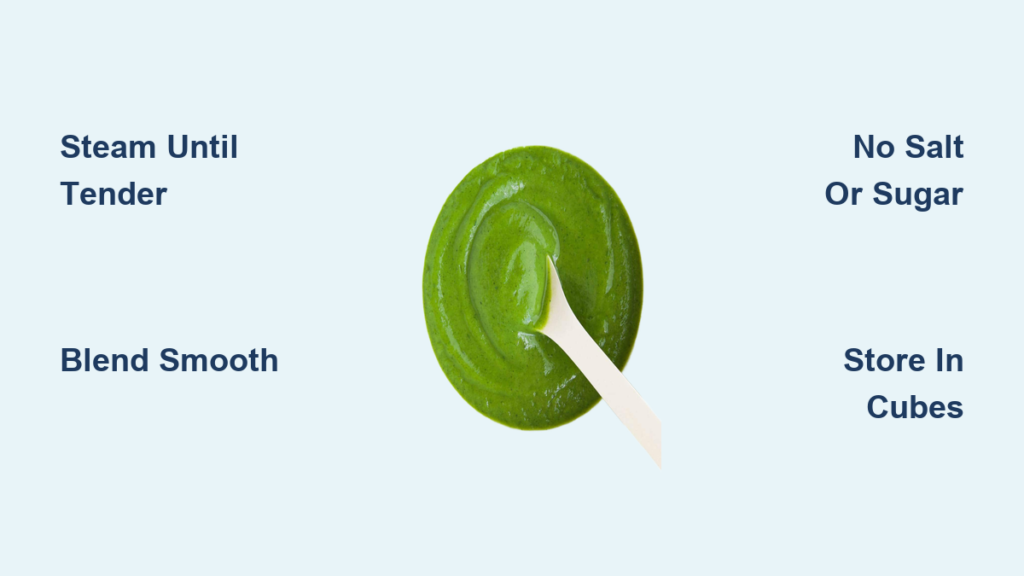
Introducing solids to your baby is a milestone, and zucchini puree is an excellent first food choice. Mild in flavor and gentle on tiny tummies, it’s rich in vitamin A, vitamin C, fiber, and water—making it ideal for hydration and digestion. Learning how to make zucchini puree for baby ensures you’re offering a fresh, additive-free option packed with nutrients. This guide walks you through every step: selecting the best zucchini, steaming it safely, blending to the right consistency, and storing for future meals. You’ll also learn how to mix flavors, avoid common errors, and transition to chunkier textures as your baby grows.
With just a few simple tools and 15–20 minutes, you can prepare a smooth, nutritious puree your baby will love. Whether you’re starting at 6 months or expanding your little one’s palate, homemade zucchini puree gives you full control over quality and freshness—no preservatives, salt, or sugar needed.
Choose the Best Zucchini for Baby Food
Pick Small, Firm Zucchinis
Opt for small to medium zucchinis (6–8 inches long) since they have fewer seeds and a more tender texture. Larger ones often contain tough skin and mature seeds, which can be harder for babies to digest. Look for bright green, firm squash with smooth, unblemished skin. Avoid any with soft spots, wrinkles, or cuts.
Wash and Scrub Before Peeling
Even if you plan to peel the zucchini, always rinse it under cool running water. Use a soft vegetable brush to remove surface dirt and bacteria. Dry with a clean towel before cutting. Choosing organic zucchini helps reduce exposure to pesticides, which is especially important for infants.
Prep Zucchini for Steaming

Peel and Cut Into Even Cubes
Use a vegetable peeler to remove the outer skin, which can be fibrous. Trim off both ends, slice the zucchini in half lengthwise, and gently scoop out any large seeds with a spoon. Cut the flesh into 1-inch cubes so they steam evenly and quickly.
Why Steaming Beats Boiling
Steaming preserves more nutrients than boiling and prevents the zucchini from absorbing excess water. It also maintains a vibrant color and creates a naturally creamy texture when blended. Use a stovetop steamer basket over simmering water or an electric steamer for consistent results.
Steam Until Soft and Tender
Cook for 8–10 Minutes
Place the zucchini cubes in a steamer basket over 1–2 inches of boiling water. Cover with a lid and steam for 8–10 minutes. The goal is softness—not mush. Test by piercing a piece with a fork; it should slide in easily.
Avoid Overcooking
Overcooked zucchini turns brownish, loses nutrients, and releases too much water, which can thin your puree. Remove it from heat as soon as it’s fork-tender. Let it cool slightly before blending to prevent steam burns and ensure smoother processing.
Blend Into a Silky Smooth Puree
Use a Blender or Food Processor
Transfer warm (not hot) zucchini to a blender or food processor. Warm pieces blend more smoothly than cold. Start on low speed and gradually increase until the mixture is completely smooth—about 30–60 seconds.
Thin With Safe Liquids if Needed
For babies just starting solids (6–7 months), add liquid to reach a runny, easy-to-swallow consistency. Use water, breast milk, or formula—1 tablespoon at a time—until desired thickness is achieved. Older babies (8+ months) can handle thicker textures.
Strain for Extra Smoothness (Optional)
For ultra-smooth results, press the puree through a fine-mesh sieve using a spatula. This removes any fibrous strands and creates a silky texture perfect for beginners. Skip this step for older infants ready for more texture.
Serve and Store Safely

Cool Completely Before Feeding
Let the puree cool to room temperature before serving. Test a small amount on your wrist to ensure it’s not too hot. Never microwave baby food without stirring thoroughly and checking multiple spots for hot pockets.
Freeze in Individual Servings
Pour cooled puree into clean ice cube trays for easy portioning. Cover with plastic wrap or a lid and freeze for up to 3 months. Once solid, transfer cubes to a labeled freezer bag with the date and contents (e.g., “zucchini puree – 6/10”).
Refrigerate for Up to Two Days
Fresh puree can be stored in an airtight container in the fridge for up to 48 hours. Always discard any leftovers after a feeding—do not re-refreeze or reheat twice.
Introduce Zucchini Slowly and Safely
Start With 1–2 Teaspoons
Offer a small amount once a day for the first few days. Watch for signs of allergy such as rash, vomiting, diarrhea, or excessive gas. While zucchini is low-allergen, every baby reacts differently.
Gradually Increase Portion Size
If well tolerated, increase to 2–4 tablespoons over 1–2 weeks. Serve alongside other single-ingredient purees like carrot, apple, or sweet potato to build flavor familiarity.
Mix With Other Foods for Variety
Combine With Sweet Fruits or Veggies
Boost flavor and nutrition by blending zucchini with:
• Mashed banana
• Steamed apple or pear
• Cooked sweet potato
• Avocado (rich in healthy fats)
These combinations balance zucchini’s mildness with natural sweetness and creaminess.
Add a Touch of Healthy Fat
A few drops of cold-pressed olive oil or a spoonful of mashed avocado helps your baby absorb fat-soluble vitamins (A, D, E, K) found in zucchini. Introduce fats gradually after 6 months.
Avoid These Common Mistakes
Never Add Salt or Sugar
Babies’ kidneys can’t handle added salt, and sugar increases the risk of future cravings. Keep flavors plain and natural—your baby doesn’t need seasoning.
Skip Butter, Onion, and Spices
Avoid butter, garlic, onion, and strong herbs until after 9–12 months. These ingredients can irritate sensitive digestive systems or cause discomfort.
Don’t Reheat Frozen Puree Twice
Only reheat one serving at a time. Discard any uneaten portion after feeding. Reheating multiple times encourages bacterial growth and food safety risks.
Move Toward Chunkier Textures

Adjust Consistency at 8–10 Months
As chewing skills develop, offer thicker purees or mashed zucchini with a fork. This helps build oral motor strength and prepares your baby for table foods.
Try Finger Foods for Baby-Led Weaning
Cut steamed zucchini into thick, grippable strips (about the size of your finger). Roasting slightly can enhance texture and flavor. Always supervise during meals to prevent choking.
Frequently Asked Questions About Zucchini Puree for Baby
Can I use frozen zucchini to make baby puree?
Yes, but fresh is preferred for better texture and nutrient retention. If using frozen, thaw completely and drain excess water before steaming and blending.
Is zucchini safe for a 6-month-old baby?
Yes, zucchini is a safe, low-allergen first food for babies starting solids at 6 months. Always introduce it one at a time and watch for reactions.
How do I know if my baby likes zucchini puree?
Signs of acceptance include opening the mouth for more, leaning forward, or making happy noises. If your baby turns away or spits it out, try again in a few days or mix with a sweeter food.
Can I mix zucchini puree with rice cereal?
Yes, blending zucchini puree with infant rice cereal or oatmeal is a great way to introduce new flavors and textures. Start with a small amount and adjust thickness with breast milk or formula.
Does zucchini cause gas in babies?
Zucchini is generally easy to digest and less likely to cause gas compared to other veggies like broccoli or peas. However, every baby is different—monitor your little one’s response.
How long does homemade zucchini puree last in the fridge?
Fresh homemade puree lasts up to 48 hours in the refrigerator when stored in an airtight container. Always label with the date and discard after two days.
Key Takeaways for Making Zucchini Puree for Baby
Making zucchini puree for baby is a simple, healthy way to start solids. Choose small, fresh zucchinis, steam until tender, and blend into a smooth consistency. Adjust thickness with water, breast milk, or formula based on your baby’s age. Store in ice cube trays for convenient single servings and always introduce new foods gradually.
Mix with fruits or healthy fats to boost flavor and nutrition, and avoid salt, sugar, and strong spices. As your baby grows, transition to mashed textures and soft finger foods. With safe preparation and patience, zucchini puree can become a staple in your baby’s diet—nourishing, hydrating, and easy to love.





