
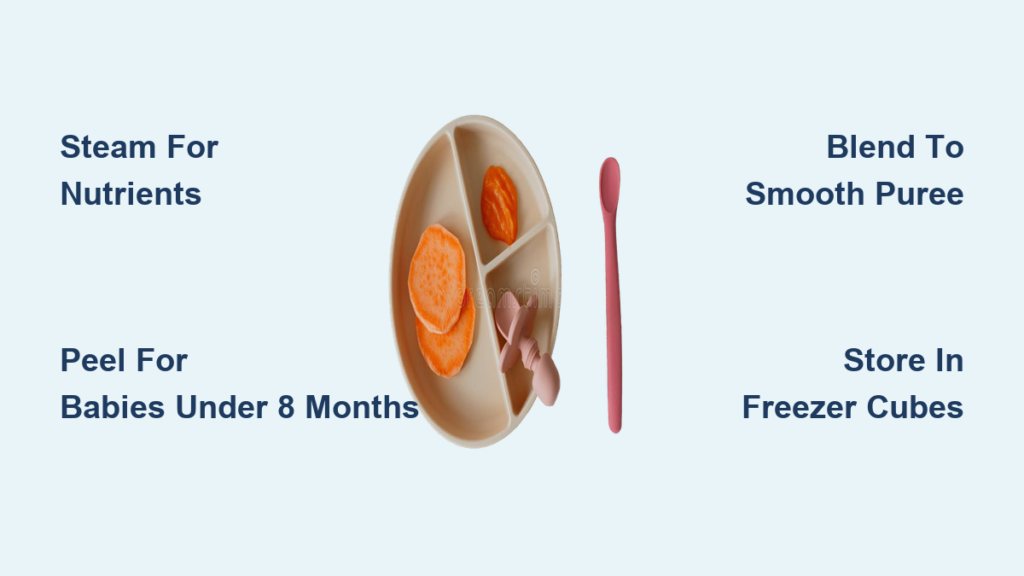
Sweet potatoes are one of the best first foods for babies. They’re naturally sweet, easy to digest, and loaded with vitamin A, fiber, and antioxidants that support healthy growth. If you’re looking for a simple, nutritious way to introduce solids, learning how to make sweet potato for baby is a great place to start. This guide covers everything from choosing the best sweet potatoes to cooking, pureeing, storing, and serving them safely for infants around 6 months and up. You’ll discover easy methods using basic kitchen tools—no fancy equipment needed.
You can prepare homemade sweet potato baby food in under 20 minutes. Unlike store-bought versions, your homemade puree contains no additives or preservatives. Whether you’re making a silky first bite or soft finger foods for baby-led weaning, this step-by-step approach ensures safe, delicious meals your little one will love.
Choose the Best Sweet Potatoes for Babies
Pick Firm, Smooth-Skinned Orange Varieties
Look for sweet potatoes that feel heavy for their size and have tight, unblemished skin. Avoid any with soft spots, cracks, or signs of mold. Orange-fleshed types like Jewel or Beauregard are ideal for babies because they’re rich in beta-carotene, which the body converts into vitamin A for strong vision and immunity. Their natural sweetness also tends to appeal to young palates.
Skip potatoes with green spots or sprouts, as these can signal spoilage. While purple or white sweet potatoes are safe, they’re less sweet and may not be as enticing for babies just starting solids.
Opt for Organic When Possible
Sweet potatoes frequently appear on the Environmental Working Group’s “Dirty Dozen” list due to high pesticide levels. Since babies are more sensitive to chemicals, choosing organic is a smart move. If you buy conventional, scrub the skin thoroughly under running water—even if you plan to peel it—since dirt and bacteria can transfer during cutting.
Prepare Sweet Potatoes Safely for Baby Food
Wash and Scrub Before Peeling
Always rinse the sweet potato under cool water and use a clean vegetable brush to scrub the surface. This removes dirt and potential contaminants. Cleaning is important even if you’ll peel the potato, because a knife can carry bacteria from the skin into the flesh.
Peel for Babies Under 8 Months
For infants under 8 months, remove the skin before cooking. Young digestive systems may have trouble processing fibrous skins, and peeling helps create a smoother puree. Once your baby is older and eating finger foods, you can leave the skin on if it’s fully cooked and soft.
Cut Into Uniform 1-Inch Cubes
Slice the sweet potato into evenly sized cubes about 1 inch wide. This ensures they cook at the same rate. Remove any dark or stringy parts before cooking. Smaller, consistent pieces steam faster and blend more easily into a silky texture.
Cook Sweet Potatoes Using Baby-Safe Methods
Steam to Preserve Nutrients
Steaming is the top choice for cooking baby food because it keeps more nutrients intact. Place the cubes in a steamer basket over 1–2 inches of boiling water. Cover and cook for 12–15 minutes, or until a fork slides easily into the largest piece. Steamed sweet potatoes stay bright, sweet, and tender—perfect for a baby’s first bite.
Boil If You Don’t Have a Steamer
Boiling works well if you don’t own a steamer. Add cubes to a pot of boiling water and cook for 10–12 minutes until soft. Drain completely and let cool before blending. Use just enough water to cover the pieces to minimize nutrient loss.
Roast for Older Babies and Finger Foods
For babies 8 months and up, roasting enhances natural sweetness and creates a soft, chewable texture. Toss peeled cubes with a teaspoon of water (no oil needed) and spread on a baking sheet. Roast at 400°F (200°C) for 25–30 minutes, flipping halfway, until tender and golden. Serve as spears or mash for self-feeding.
Puree to the Right Consistency for Each Stage
Blend Into a Smooth First Bite
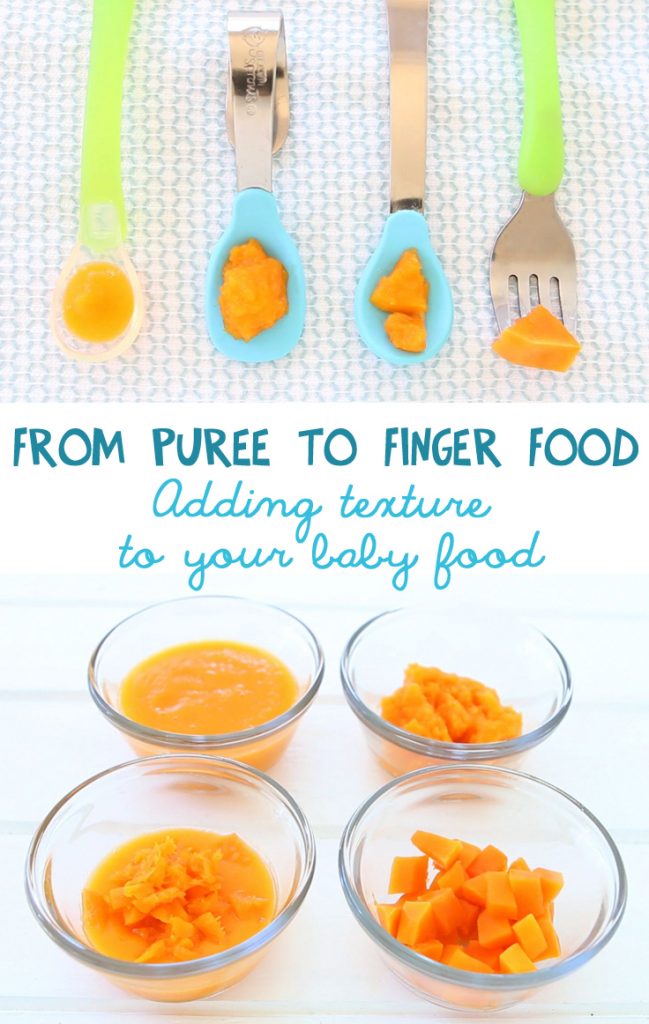
For babies 6–7 months, aim for a thin, smooth puree. Add steamed cubes to a blender and slowly pour in warm water, breast milk, or formula while blending. Start with 1–2 tablespoons of liquid per ¼ cup of sweet potato. The final texture should resemble heavy cream.
This runny consistency helps babies transition from liquids to solids.
Thicken as Your Baby Develops
At 7–8 months, reduce the liquid and blend until the puree is thicker—like yogurt. By 9–10 months, switch to mashing with a fork to introduce small lumps. This helps your baby practice chewing and swallowing.
Mix With Other Single-Ingredient Foods
Once your baby tolerates plain sweet potato, combine it with other purees like banana, avocado, peas, carrots, or apples. Always introduce one new food every 3–5 days to watch for allergies.
Serve Sweet Potato Safely and Encourage Self-Feeding
Serve at a Safe, Lukewarm Temperature
Always test the food on your wrist before feeding. Sweet potato puree should be lukewarm, never hot. Stir well after warming, especially if using a microwave, to eliminate hot spots.
Never reheat a portion more than once.
Use Clean Spoons and Bowls
Feed with a soft-tipped baby spoon. Scoop only the amount you plan to serve into a small bowl—don’t feed directly from the storage container to avoid contaminating leftovers.
Offer Finger Food Shapes for Baby-Led Weaning
For babies 8+ months, cut roasted sweet potato into thick spears, soft balls, or thin slices. Pieces should be easy to grip and soft enough to squish between your fingers. Pre-load spoons with mashed clumps to encourage self-feeding.
Store and Reheat Homemade Baby Food Safely

Refrigerate for Up to 3 Days
Let cooled puree settle, then transfer to an airtight container. Label with the date and store in the fridge for up to 3 days.
Freeze in Individual Servings
Pour puree into clean ice cube trays and freeze for up to 3 months. Cover with plastic wrap or a lid. Once frozen, pop out cubes and store in a labeled freezer bag. Each cube holds about 1–2 tablespoons—ideal for single meals.
Thaw and Warm Safely
To use frozen puree:
1. Thaw overnight in the fridge, or
2. Warm a cube in a small saucepan over low heat
Stir well and check the temperature before feeding. Never refreeze thawed puree.
Watch for Signs of Food Sensitivity
Know Common Allergy Symptoms
Though rare, sweet potatoes can cause reactions. Watch for:
– Rash or hives
– Vomiting or diarrhea
– Swelling around the mouth
– Unusual fussiness after eating
Stop feeding and call your pediatrician if symptoms occur.
Introduce One Food at a Time
Always start with plain sweet potato puree. Wait 3–5 days before adding another new food. This helps you spot any adverse reactions quickly.
Make Mealtime Enjoyable and Nutritious
Let Baby Explore New Textures
It’s normal for babies to reject sweet potatoes at first. Offer them 2–3 times a week, even if refused. It can take 8–10 tries before a baby accepts a new food. Let your baby touch, smell, and play with it—this is part of learning to eat.
Boost Nutrient Absorption With Healthy Fats
Vitamin A in sweet potatoes needs fat to be absorbed. Mix in a small amount of:
– Breast milk or formula
– Avocado puree
– A few drops of olive oil (for babies 8+ months)
This supports nutrition without changing the taste.
Rotate With Other Baby-Friendly Veggies
For balanced nutrition, alternate sweet potatoes with butternut squash, carrots, peas, and zucchini. This also prevents frequent orange stools, which are harmless but common with daily sweet potato intake.
Frequently Asked Questions About How to Make Sweet Potato for Baby
Can I use sweet potato skin for baby food?
You can leave the skin on for older babies (8+ months) if it’s thoroughly washed, cooked until very soft, and cut into safe sizes. For younger babies, always peel it to prevent digestive issues and choking risks.
How long does homemade sweet potato puree last?
Fresh puree keeps in the refrigerator for up to 3 days. In the freezer, it stays good for up to 3 months when stored in airtight containers or ice cube trays.
Is sweet potato a common allergen for babies?
No, sweet potatoes are low-risk for allergies. However, always introduce them as a single ingredient and watch for any signs of sensitivity over the next 3–5 days.
Can I mix sweet potato with rice cereal?
Yes. Stir pureed sweet potato into infant rice cereal for added flavor and nutrition. Use breast milk, formula, or water to thin the mixture to the right consistency.
Why is my baby’s stool orange after eating sweet potato?
Orange stools are normal and harmless after eating sweet potatoes. The pigments from beta-carotene pass through the digestive system. This usually resolves when you rotate in other foods.
Can I microwave sweet potatoes for baby food?
Yes, but steam or boil for more even cooking and better nutrient retention. If microwaving, pierce the potato, cook in a covered bowl with a little water, and blend thoroughly after cooling.
Tips for Making the Best Sweet Potato Baby Food
Making sweet potato for baby is quick, healthy, and budget-friendly. With minimal ingredients and effort, you can serve a nutrient-packed first food that supports your baby’s development. Use steaming for smooth purees or roasting for finger foods, and always serve at a safe temperature. Store extras in the fridge or freezer for easy meals later.
Rotate sweet potatoes with other vegetables to ensure variety and balanced nutrition. Let your baby explore at their own pace—messy meals are part of the journey. With this guide, you’re ready to make delicious, homemade sweet potato baby food that’s safe, nutritious, and perfect for growing little ones.





