
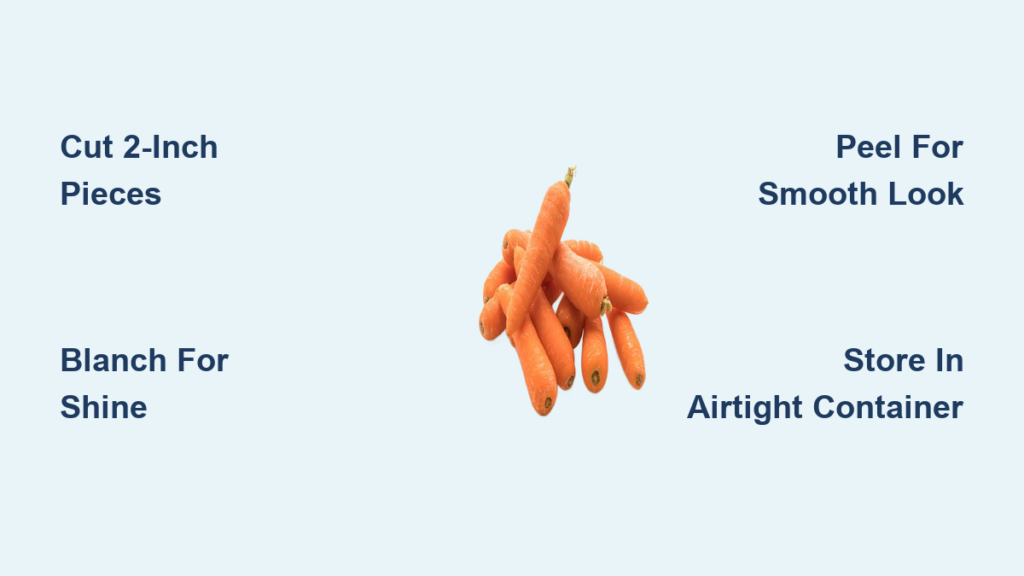
You’ve likely grabbed a bag of baby carrots for a quick, healthy snack, assuming they were harvested small and sweet. But the truth is, how to make baby carrots isn’t about growing tiny roots—it’s about reengineering full-sized ones. Most store-bought baby carrots are actually cut, shaped, and polished from larger, imperfect carrots that didn’t meet cosmetic standards. This smart process reduces food waste and delivers a convenient, nutritious snack straight to your kitchen.
While you can’t replicate industrial machinery at home, you can create your own fresh version with simple tools and a few easy steps. Whether you’re prepping snacks, side dishes, or kid-friendly bites, knowing how baby carrots are made empowers you to do it yourself. In this guide, you’ll learn how to cut and shape carrots at home, try popular recipes like glazed baby carrots, and discover the best ways to store them for crispness and flavor.
What Store-Bought Baby Carrots Really Are
Not Harvested Young—They’re Processed Pieces
Despite the name, baby carrots aren’t immature roots. The ones in plastic bags are cut and shaped from mature carrots. True baby carrots—actual young carrots pulled early—exist but are rare in supermarkets. The standard version is engineered for convenience, uniformity, and shelf life. The term “baby carrots” is more marketing than botany.
Made From Imperfect, “Ugly” Carrots
Carrots that are too small, crooked, or oddly shaped for the whole-carrot market get repurposed. These “ugly” vegetables would otherwise go to waste. Instead, they’re chopped into 2-inch segments, rounded, and smoothed into the familiar shape. This transformation turns food waste into a best-selling snack—proving sustainability and consumer demand can go hand in hand.
Why the Confusion Persists
The label “baby carrots” sounds cute and implies tenderness and sweetness. But it’s more accurate to call them baby-cut carrots. Knowing this helps you make informed choices—especially if you’re seeking organic, locally grown, or genuinely young carrots. The real story behind their creation is both surprising and inspiring.
How Baby Carrots Are Made: Inside the Factory
Harvest to Conveyor: The First Step
The journey begins in the field. Carrots are harvested, then trucked to processing plants. Once unloaded, they hit a conveyor belt and begin their transformation. The entire process—from dirt-covered root to packaged snack—can happen in a single day, ensuring peak freshness.
Deep Cleaning in the Barrel Washer
First, carrots enter a rotating barrel washer that scrubs off soil and debris. After this initial clean, they’re thoroughly rinsed. This step is essential for food safety and prepares them for precision processing.
Automated Size Sorting
Next, carrots pass through an automated grading system. Those that meet size and shape standards go into 3-pound bags. The rest—small or misshapen ones—are diverted to the baby carrot line. This ensures only suitable pieces move forward.
Chopping and Elevator Transport
Undersized carrots are chopped into uniform 2-inch pieces. These segments are then lifted by 20 elevators to the next stage. This vertical system keeps the flow efficient in large facilities.
Size Filtering Through the Hole Barrel
Pieces pass through a barrel with small holes. Only those small enough to fit continue. Larger chunks are recycled back into the chopping line—minimizing waste and maximizing yield.
Shaping in the Knife Barrel
Selected pieces enter a high-speed knife barrel with thousands of rotating blades. This machine rounds the edges and sharpens the ends, creating the smooth, Cheeto-like shape—except packed with nutrients, not empty calories.
Quality Control: The Drop Kicker 5000
The most dramatic step is the Drop Kicker 5000 (affectionately called the 6000). This machine uses air jets to blast defective pieces off the line. The sound? Like gunfire. It ensures only perfect carrots make it to your bag.
Final Inspection and Packaging
Before packing, baby carrots undergo manual grading. Human inspectors remove any missed defects. Then, they’re packed into 2-pound bags and often shipped the same day—meaning you’re eating carrots just 24–48 hours off the field.
DIY: How to Make Baby Carrots at Home
Choose the Right Carrots
Pick fresh, firm carrots with smooth skin. Orange varieties like Nantes or Imperator work best. For color variety, try purple, yellow, or white heirloom types. Avoid limp or cracked ones—they won’t cut well.
Wash and Peel (Optional)
Scrub carrots under cold water to remove dirt. Peel them if you want the smooth, store-bought look. Skipping the peel keeps more fiber and nutrients, but peeling gives that polished finish.
Cut Into Uniform 2-Inch Pieces
Use a sharp knife to slice carrots into 1.5 to 2-inch lengths. This matches commercial baby carrots and ensures even cooking. Cut them straight or on a slight angle for visual appeal.
Shape the Edges (Optional)
For a rounded look, gently file sharp corners with a vegetable peeler. Factories use a blade-packed knife barrel—you just need patience. This step is cosmetic but makes your homemade version look authentic.
Blanch for Shine and Texture
To mimic the glossy store-bought finish, blanch the pieces:
1. Boil water in a pot.
2. Add carrot pieces and cook for 2–3 minutes.
3. Drain and immediately plunge into ice water.
4. Pat dry.
This enhances color, softens slightly, and adds a subtle sheen—close to the industrial version.
Best Recipes for Homemade Baby Carrots
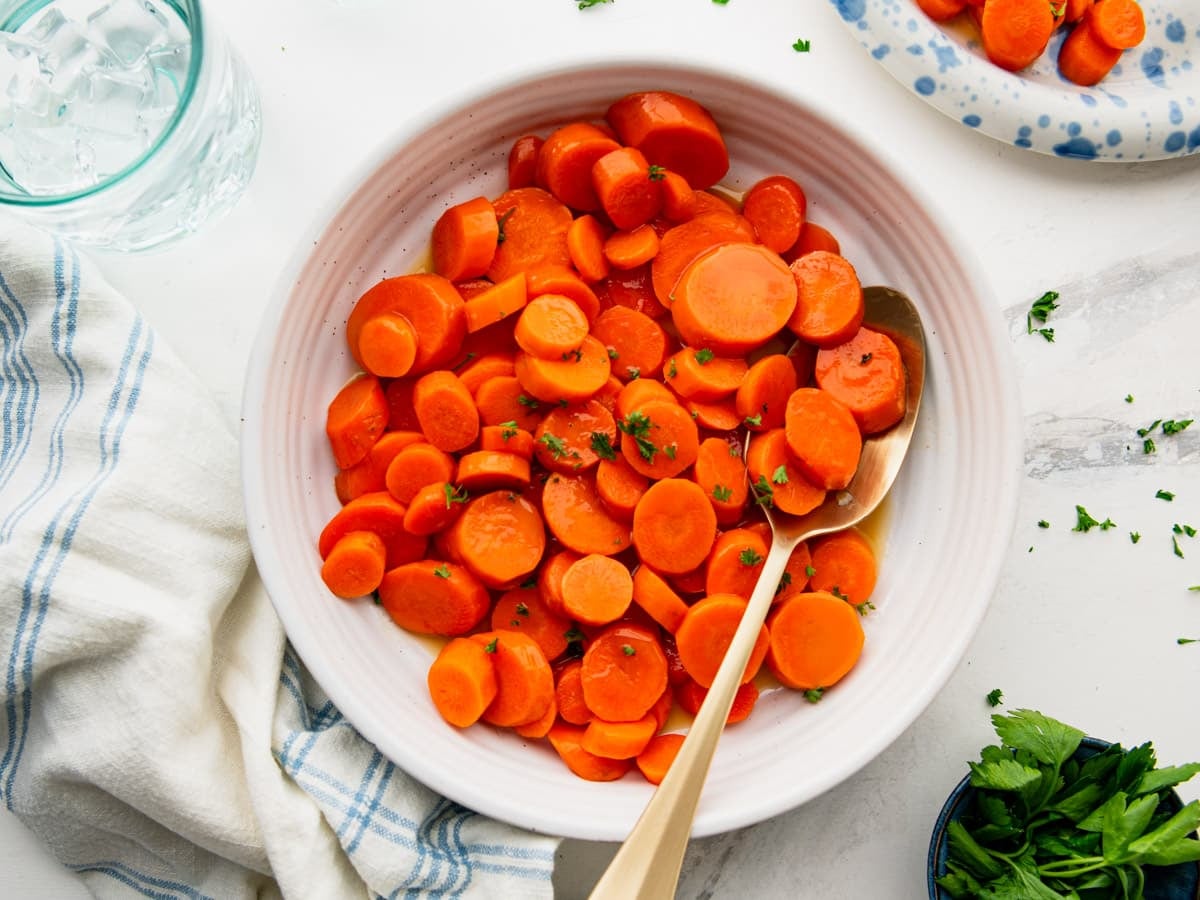
Glazed Baby Carrots with Brown Sugar
This sweet, glossy side dish is perfect for weeknights or holidays.
Ingredients
• 1 lb baby-cut carrots
• 2 tbsp butter
• 2 tbsp brown sugar (or honey for a natural option)
• 2 tbsp water
• Pinch of salt
Instructions
- Melt butter in a skillet over medium heat.
- Add carrots, water, and salt. Cover and simmer 8–10 minutes until tender.
- Uncover, add brown sugar, and cook 2–3 minutes more, stirring until glaze coats the carrots.
- Serve warm with fresh parsley.
Pro Tip: Add a dash of cinnamon or 1 tsp fresh thyme for extra depth.
Roasted Baby Carrots with Caramelized Edges
Roasting brings out natural sweetness and creates crisp, golden edges.
Method
- Preheat oven to 400°F (200°C).
- Toss carrots with olive oil, salt, and pepper.
- Spread on a baking sheet.
- Roast 20–25 minutes, flipping halfway, until tender and golden.
- Drizzle with maple syrup or balsamic glaze before serving.
Sautéed Baby Carrots with Herbs
Ready in 15 minutes—this method is fast and flavorful.
- Heat olive oil in a pan.
- Add carrots and a splash of water. Cover and cook 5–7 minutes.
- Uncover, add fresh herbs (dill, thyme, or rosemary), and sauté 2 more minutes.
- Finish with a squeeze of lemon juice.
Storage Tips for Maximum Freshness

Keep Them Crisp in the Fridge
Store homemade baby carrots in an airtight container in the fridge. Line it with a paper towel to absorb moisture. They’ll stay fresh for 3–4 days. For longer storage, keep them submerged in cold water—change the water daily.
Avoid Ethylene-Producing Fruits
Keep carrots away from apples, bananas, and avocados. These fruits release ethylene gas, which speeds spoilage and can make carrots bitter.
Watch for Signs of Spoilage
Discard if you see:
• Slimy texture
• Foul odor
• White blush (early drying)
• Mold spots
White blush isn’t dangerous—it’s dehydration—but it affects taste and crispness.
Nutritional Benefits of Baby Carrots
Packed With Essential Nutrients
Despite being processed, baby carrots retain the nutritional power of full-sized ones. They’re rich in:
• Beta-carotene (converts to vitamin A)
• Fiber (supports digestion)
• Antioxidants (fight inflammation)
• Vitamin K1 and potassium
They’re low in calories—about 35 per cup—making them a smart snack choice.
A Healthy Alternative to Processed Snacks
Unlike chips or cheese puffs, baby carrots offer real nutrition. Their natural sweetness satisfies cravings without added sugar. Pair with hummus or Greek yogurt for protein and staying power.
Minimal Nutrient Loss in Processing
Cutting and peeling removes a small amount of surface nutrients, but the core benefits remain. The industrial wash doesn’t strip vitamins significantly. You’re still getting a whole food, not a processed fake.
Common Mistakes to Avoid
Cutting Uneven Pieces
Irregular sizes cook unevenly—some turn mushy while others stay hard. Use a ruler or visual guide to keep cuts consistent.
Overcooking
Boiling too long turns carrots to mush. Stick to 8–10 minutes for boiling, 20–25 for roasting. Test with a fork—they should be tender but firm.
Skipping the Ice Bath After Blanching
If you blanch, ice bath is essential. It stops cooking, preserves color, and maintains texture. Skipping it risks overcooking and dull appearance.
Using Old or Soft Carrots
Wrinkled or soft carrots won’t cut or cook well. Always start with fresh, crisp ones for the best results.
Frequently Asked Questions About Baby Carrots
Are baby carrots real carrots?
Yes—but not in the way you think. They’re made from real carrots, just reshaped. They’re not baby plants, but real food transformed for convenience.
Can I grow true baby carrots at home?
Yes. Plant varieties like ‘Thumbelina’ or ‘Paris Market’—these are actual miniature carrots. Harvest them young (5–6 weeks) for tender, round roots perfect for snacking.
Is the white film on baby carrots dangerous?
No. The white blush is dehydration, not mold. It happens when carrots lose moisture. They’re still safe to eat, though less crisp. Store them properly to avoid it.
Are baby carrots washed in chlorine?
Yes, but it’s safe. Factories use a diluted chlorine wash (similar to tap water levels) to kill bacteria. It rinses off completely. The amount is regulated and poses no health risk.
Can I freeze homemade baby carrots?
Yes, but blanch first. Freeze in a single layer on a tray, then transfer to a freezer bag. They’ll last 10–12 months. Best used in soups or stews—texture changes when thawed.
Key Takeaways for Making Baby Carrots at Home
Understanding how to make baby carrots demystifies a common grocery staple and empowers you to recreate it fresh. While you can’t match the factory’s speed, you can make clean, healthy versions with minimal effort. Whether you’re glazing them for dinner, roasting for meal prep, or slicing for snacks, homemade baby-cut carrots are a simple way to reduce waste, boost nutrition, and enjoy real food—fresh, colorful, and delicious. Start with crisp carrots, cut them evenly, and store them right for the best results.





