
Seeing your baby’s breath puff in the winter air can be magical—but it also brings real concerns. Are they warm enough? Are they overheating? The truth is, dressing baby for cold weather isn’t about bundling them like a snowman. It’s about smart layering, choosing the right fabrics, and protecting vulnerable areas without compromising safety. Babies lose heat faster than adults and can’t regulate their body temperature well, making every clothing choice count.
This guide gives you a clear, step-by-step approach to keeping your baby warm, safe, and comfortable in cold weather. You’ll learn how many layers to use, which materials work best, and how to tell if your baby is too hot or too cold—no guesswork needed. From newborns to toddlers, outdoor walks to car rides, you’ll have the confidence to face winter head-on.
Layer Smart for Warmth

Use the Multi-Layer System
Layering is the most effective way to keep your baby warm in cold weather. Instead of one thick outfit, multiple thin layers trap warm air and let you adjust as needed—whether you’re going from indoors to outside or your baby gets active in a carrier.
- Start with a soft, breathable base layer like cotton or bamboo
- Add a middle insulating layer such as fleece or wool
- Finish with a weather-resistant outer layer to block wind and moisture
Pro Tip: If you’re wearing a long-sleeve shirt and a jacket, dress your baby in the same—and add one extra layer.
Choose Breathable Base Fabrics
The layer closest to your baby’s skin should be gentle and moisture-wicking. Cotton and bamboo are ideal because they’re soft, breathable, and reduce the risk of overheating.
Avoid synthetic fabrics that trap sweat. Damp clothing against the skin can make your baby feel colder, even in layers.
- Pick tagless, seamless designs to prevent irritation
- Ensure a snug but not tight fit to support circulation
- Change wet clothes immediately—even from drool or spit-up
Protect Baby’s Head, Hands, and Feet
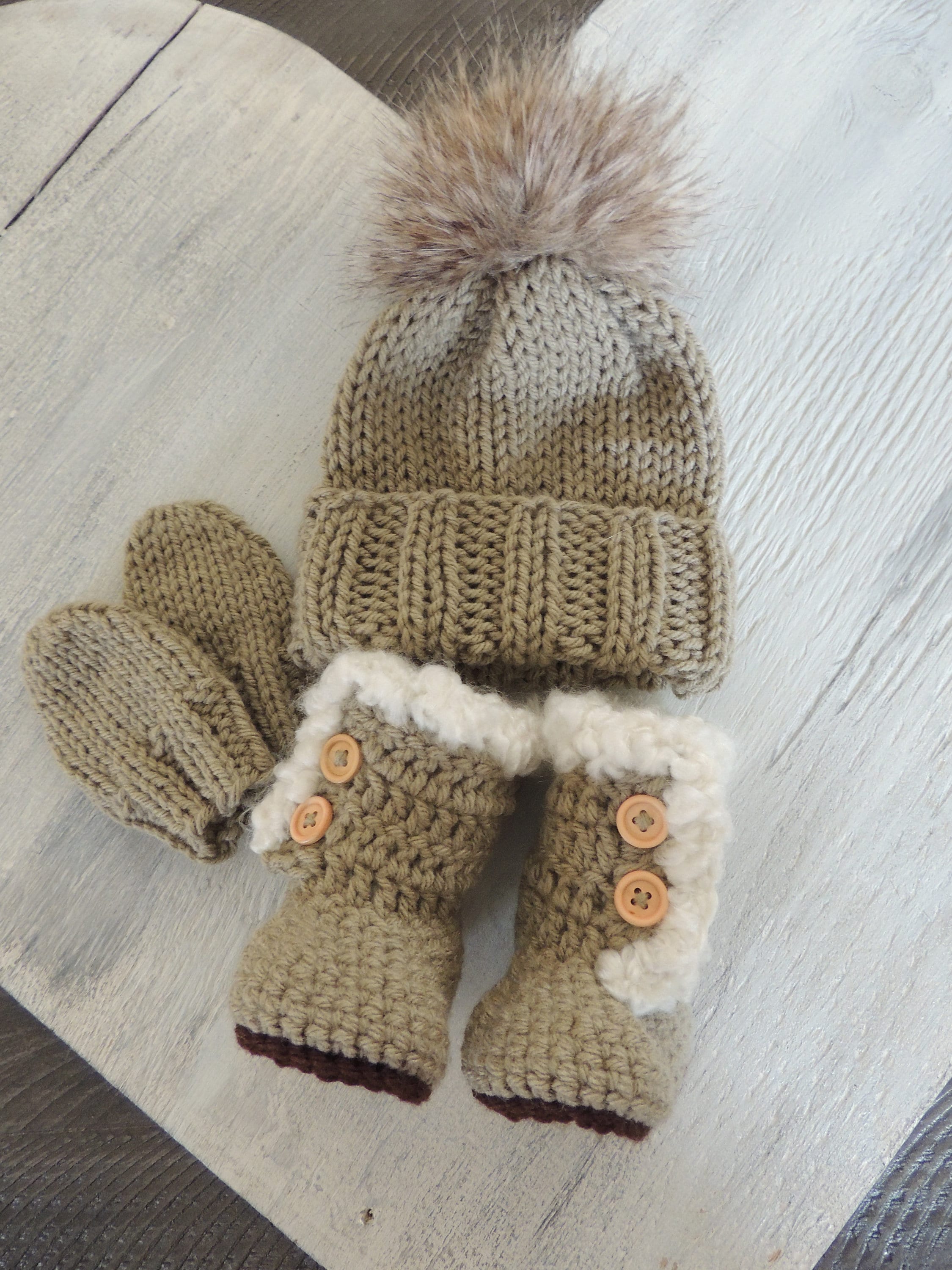
Cover Head, Hands, and Feet
Babies lose a lot of body heat through their head, hands, and feet. Even short trips outside require full extremity protection to maintain core warmth.
Hat: Keep Ears Covered
- Use a knit beanie that covers the ears
- Choose styles that stay in place during movement
- Remove the hat indoors to prevent overheating
Mittens: Better Than Gloves
- Mittens are easier to keep on than gloves
- Look for mitten-attached sleepers or stretchy cuffs for newborns
- Avoid tight bands that restrict blood flow
Booties or Socks: Warm but Not Tight
- Use fleece-lined or wool socks for extra warmth
- Make sure booties fit snugly without pinching toes
- Only double up on socks if outer shoes allow room
Warning: Never use loose scarves—they pose a strangulation risk. Use neck gaiters or balaclavas that stay securely in place.
Pick the Right Outerwear for the Weather
Match Gear to Conditions
Cold weather isn’t one-size-fits-all. The right outer layer depends on whether it’s dry, windy, or snowy.
For Dry, Cold Days
- Use insulated snowsuits or fleece jackets
- Down or synthetic fill provides excellent warmth
- Avoid bulky coats in car seats—they compress and reduce safety
For Damp or Snowy Days
- Choose water-resistant or waterproof outer layers
- Look for sealed seams and storm flaps on zippers
- Ensure hoods are adjustable and cover the face slightly
Safety Note: Never put a baby in a car seat with a puffy coat. Instead, dress baby in thin layers, then place a blanket over the harness after securing them.
Avoid Overheating in Cold Weather
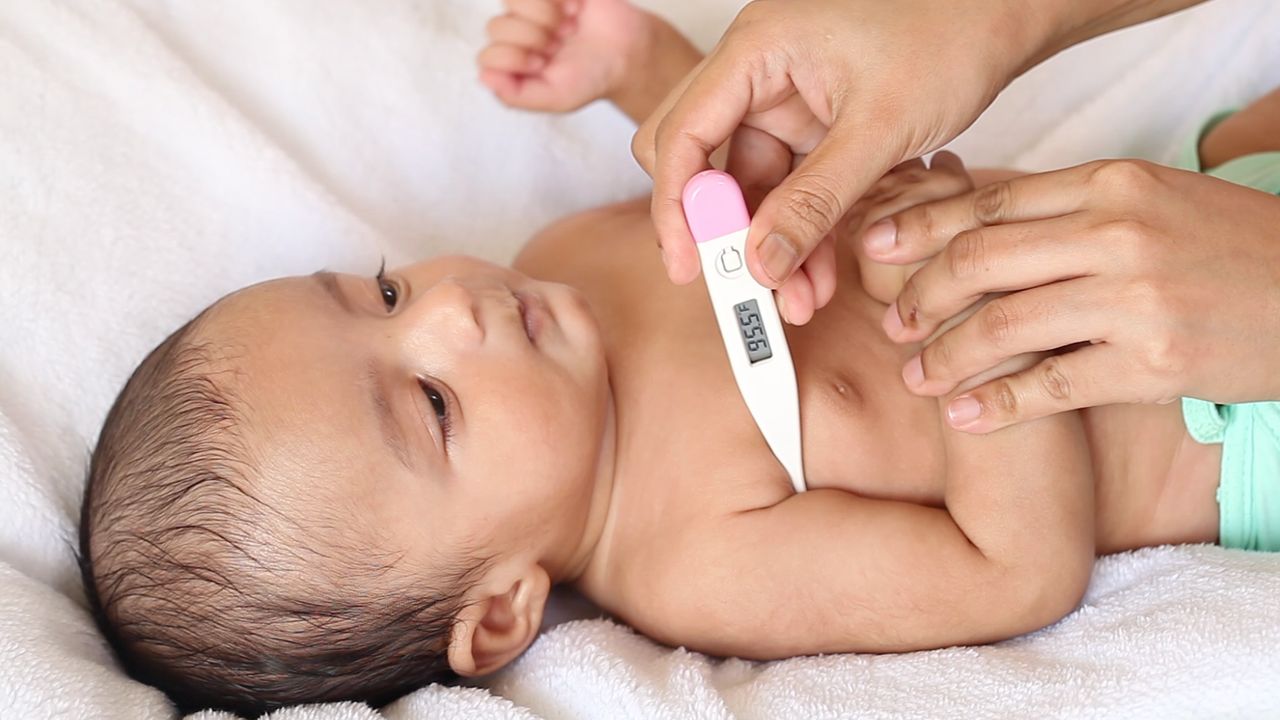
Check Temperature the Right Way
Many parents make the mistake of checking baby’s hands or feet to judge warmth. These areas are naturally cooler. Instead, feel the neck, chest, or back—they reflect core temperature.
- If the skin is damp or sweaty, baby is too warm
- If it’s cool and dry, add a light layer
- If it’s cold, add warmth immediately
Signs Baby Is Too Hot
• Sweating on the neck or back
• Flushed cheeks
• Rapid breathing
• Irritability or fussiness
Signs Baby Is Too Cold
• Cold chest or back
• Pale, blotchy, or mottled skin
• Lethargy or weak crying
• Shivering (though babies may not shiver well)
Rule of Thumb: If you’re comfortable in a sweater, baby likely needs that plus a hat and one more layer.
Keep Baby Comfortable Indoors
Adjust Layers When Inside
Bringing a bundled baby indoors without removing layers can lead to overheating, especially near heaters or in strollers.
- Remove outer layers, hat, and mittens immediately
- Loosen swaddles or blankets
- Use a lightweight sleep sack instead of heavy bedding at night
Use a Humidifier
Winter heating dries indoor air, which can irritate baby’s skin, nose, and throat.
- Run a cool-mist humidifier in the nursery
- Keep humidity between 40–60% to prevent mold
- Clean the unit weekly to avoid bacteria
Ventilate When Possible
Fresh air reduces germ spread, even in winter.
- Open windows briefly when baby is out of the room
- Avoid drafts near the crib
- Use cross-ventilation to refresh air safely
Plan Safe Outdoor Time
Start with Short Outings
Newborns and infants don’t need long outdoor time, but 10–15 minutes is safe and beneficial when dressed properly.
- Gradually increase time as baby adjusts
- Avoid outings if baby is sick or during air quality alerts
- Limit exposure in extreme cold (below 15°F / -10°C)
Choose Safe Locations
- Pick quiet, low-traffic areas like backyards or parks
- Avoid crowded indoor spaces during cold and flu season
- Shield baby from direct wind using stroller covers
Watch for Warning Signs
Return indoors immediately if baby shows:
– Persistent crying
– Cold, pale, or blotchy skin
– Lethargy or unusual sleepiness
– Shivering or stiffness
Seek medical help if you suspect:
– Frostbite (white, waxy skin on nose, ears, fingers)
– Hypothermia (weak cry, shallow breathing, drowsiness)
– Fever after cold exposure
Support Baby’s Health and Development
Maintain Routines
Cold weather shouldn’t stop regular sleep, feeding, or play.
- Consistent routines strengthen immunity
- Regular naps and meals help baby adapt to seasonal changes
- Use outdoor time to support natural sleep rhythms
Encourage Outdoor Benefits
Even in winter, fresh air and sunlight are vital.
- Sunlight boosts vitamin D, supporting bones and immunity
- Mild cold exposure may strengthen immune response
- Outdoor time improves mood and sleep quality
Expert Tip: Babies who go outside regularly from birth adapt better to temperature changes.
Dress by Age: Newborns, Infants, and Toddlers
Newborns (0–3 Months)
- Need one extra layer compared to older babies
- Poor temperature regulation—keep head covered at all times
- Limit outdoor time to 10–15 minutes
- Use swaddle-friendly mittens and hats
Infants (3–12 Months)
- More movement = more body heat
- Adjust layers during play or stroller rides
- Watch for overheating in carriers
- Use footed sleepers as base layers
Toddlers (12+ Months)
- Can express discomfort—listen to cues
- May resist hats and mittens—choose fun designs
- Balance warmth with freedom to explore
- Teach self-regulation: “Let’s take off your hat inside.”
Monitor Hydration and Health
Keep Baby Hydrated
Cold air masks thirst, but babies still lose fluids.
- Offer breast milk, formula, or water (if over 6 months) regularly
- Bring a thermos with warm fluids on longer outings
- Watch for dry lips or fewer wet diapers
Watch for Illness Signs
Cold weather increases respiratory risks.
Monitor for:
– Runny nose or congestion
– Coughing or wheezing
– Lethargy or poor feeding
– Fever (rectal temp > 100.4°F / 38°C)
Note: A fever in a newborn under 3 months requires immediate medical attention.
Complete Cold Weather Checklist

Base Layer
• Soft cotton or bamboo onesie
• Full-coverage long sleeves and legs
• Snug but not tight
Middle Layer
• Fleece bunting or wool sweater
• Easy to remove indoors
• Not bulky under outerwear
Outer Layer
• Waterproof or wind-resistant jacket/snowsuit
• Hooded and zippered for coverage
• No bulk in car seats
Extremities
• Hat covering ears
• Mittens (not gloves)
• Warm socks or booties
• Neck gaiter (no loose scarves)
Extras
• Stroller cover or blanket
• Sunscreen (snow reflects UV rays)
• Extra layer in bag
• Hydration supplies
Key Takeaways for Dressing Baby in Winter
Dressing your baby for cold weather doesn’t have to be stressful. With the layer system, you’re ready for changing conditions. Remember:
• Layer up, but don’t overdo it
• Check neck, not hands, for temperature
• Protect head, hands, and feet
• Adjust for indoor vs. outdoor
• Keep routines and outdoor time consistent
By following these science-backed steps, you’ll keep your baby cozy, safe, and ready to enjoy winter’s crisp beauty—without the worry.
Stay warm, stay smart, and enjoy the season together.
Frequently Asked Questions About Dressing Baby for Cold Weather
How many layers should a baby wear in cold weather?
Dress your baby in one more layer than you’re wearing. A typical combo includes a base layer (onesie), middle layer (fleece), and outer layer (jacket or snowsuit), plus hat and mittens.
Can babies overheat in cold weather?
Yes. Overheating is common when babies wear too many layers or stay bundled indoors. Check the neck for sweat or warmth—cool and dry is ideal.
Is it safe to take a newborn outside in winter?
Yes, for short periods (10–15 minutes) if properly dressed. Avoid outings if it’s below 15°F, the baby is sick, or air quality is poor.
Why shouldn’t babies wear thick coats in car seats?
Puffy coats compress in a crash, creating slack in the harness. Instead, dress baby in thin layers and place a blanket over the secured harness.
What’s the best fabric for baby’s winter clothes?
Cotton and bamboo are best for base layers—soft, breathable, and moisture-wicking. Use fleece or wool for insulation, and waterproof materials for outerwear.
How do I know if my baby is too cold at night?
Feel their chest or back. If it’s cold, add a layer. If sweaty, they’re too warm. Use a sleep sack instead of loose blankets for safe warmth.





