

Throwing a baby shower is one of the most heartfelt ways to celebrate an expectant parent’s journey into parenthood. Knowing how to do a baby shower that feels personal, joyful, and stress-free starts with thoughtful planning and a focus on comfort. From choosing the right date to honoring the mom-to-be’s wishes, every decision shapes the experience.
This guide walks you through each essential step—from setting a realistic budget and picking a theme to managing gifts and capturing memories. Whether you’re hosting a cozy backyard gathering or a themed celebration at a café, you’ll learn how to create a meaningful event that centers love, inclusion, and practicality. Let’s build a baby shower that honors the parents and builds lasting memories.
Schedule the Shower at the Ideal Time
Host Between Weeks 36–38 of Pregnancy
The best time to hold a baby shower is 4–6 weeks before the due date, typically during the 7th or 8th month of pregnancy. This window ensures the mom-to-be is far enough along to feel the excitement but not so close to delivery that fatigue or early labor becomes a concern.
Avoid scheduling too close to holidays or major family events, which can reduce attendance. If the due date is uncertain, choose a flexible date and communicate any possible changes early.
Pick a Daytime Slot for Maximum Comfort
Opt for a 10 a.m. to 3 p.m. time frame to accommodate pregnant guests, families with young children, and those with tight schedules. Morning and early afternoon events allow for a relaxed pace without conflicting with dinner plans or evening routines.
A midday timeline also gives you enough time to set up, enjoy activities, and wrap up before anyone feels rushed.
Choose a Theme That Reflects the Parents

Match the Theme to Their Personality
A strong theme ties together invitations, decor, food, and games. Instead of defaulting to traditional pink or blue, select a theme that reflects the parents’ tastes and values.
Popular baby shower themes include:
• Jungle or safari animals
• Garden party with florals and greenery
• Book-inspired: The Very Hungry Caterpillar, Goodnight Moon
• Minimalist modern with neutral tones
• Vintage or rustic charm using mason jars and lace
• Gender-neutral palettes using yellows, greens, or earthy tones
Use the theme to guide your color scheme, menu labels, and photo booth props for a cohesive look.
Respect Gender Surprise Wishes
If the parents are keeping the baby’s gender a surprise, avoid gender-specific colors, games, or decorations. Skip “guess the gender” games or any activity that pressures the mom to reveal private details.
Instead, go with inclusive themes like “Oh Baby!”, “Little One on the Way,” or “Welcome, Sweet Pea.” This shows respect and keeps the focus on celebration, not speculation.
Set and Stick to a Realistic Budget

Define Your Spending Limits Early
Most baby showers cost between $100 and $500, depending on guest count and location. Before booking anything, set a clear budget that covers:
• Venue or home hosting
• Food and drinks
• Decorations
• Invitations
• Party favors
• Photography or props
Prioritize essentials like food, seating, and comfort over elaborate decor or expensive entertainment.
Save Money Without Losing Charm
Host at home to eliminate venue fees. Use digital invitations (via Evite or Canva) to save on printing and postage. Create DIY decorations using printable banners, nursery items, or repurposed baby clothes.
Ask friends to contribute—someone might bake the cake, lend string lights, or bring a backdrop. These small gestures reduce costs and deepen the sense of community.
Select an Accessible and Comfortable Venue

Consider Home, Park, or Community Space
Popular venue options include:
• Backyard or living room
• Local park with a picnic shelter
• Community center
• Café with a private room
• Event rental hall
A home setting is often the most affordable and intimate. Outdoor venues offer charm but require a weather backup plan—rent a tent or have an indoor alternative ready.
Ensure All Guests Can Participate Comfortably
The space must be accessible for everyone, including guests with mobility challenges or young children. Look for:
• Wheelchair ramps or flat pathways
• Ample seating with back support
• Restrooms nearby
• Climate control (fans, heaters, or shade)
• A quiet corner where the mom can rest
Never assume the mom-to-be will be fine standing all day. Comfort should always come before aesthetics.
Build a Thoughtful Guest List
Keep It Intimate and Approved by the Parents
Most baby showers include 20–50 guests. Invite only close family, friends, and coworkers—only if the parents agree. Avoid distant acquaintances or anyone who might make the mom uncomfortable.
Coordinate directly with the parents to ensure no one is accidentally excluded or overwhelmed by a large crowd.
Clarify If It’s a Co-Ed or Women-Only Event
Traditionally, baby showers were women-only, but many modern celebrations include all genders. Confirm the parents’ preference:
• Co-ed shower: Include dad, grandparents, siblings, and friends of all genders
• Women-only: Focus on maternal bonding and sisterhood
State the tone clearly on the invitation (e.g., “A Celebration for All Who Love This Little One”).
Send Clear and Timely Invitations
Include All Key Details
Every invitation—digital or paper—should clearly state:
• Date, time, and location
• RSVP deadline (3–4 weeks before the event)
• Dress code (e.g., “garden party chic” or “casual and comfy”)
• Gift registry info (optional)
• Whether gifts are expected
Add a note like: “Your presence is the greatest gift,” if you want to reduce gift pressure.
Use Digital Tools for Easy Management
Platforms like Evite, Paperless Post, or Canva let you design beautiful e-invites, track RSVPs automatically, and send reminders. They’re fast, eco-friendly, and perfect for last-minute updates.
For older guests, follow up with a phone call or printed note if needed.
Decorate with Simplicity and Heart
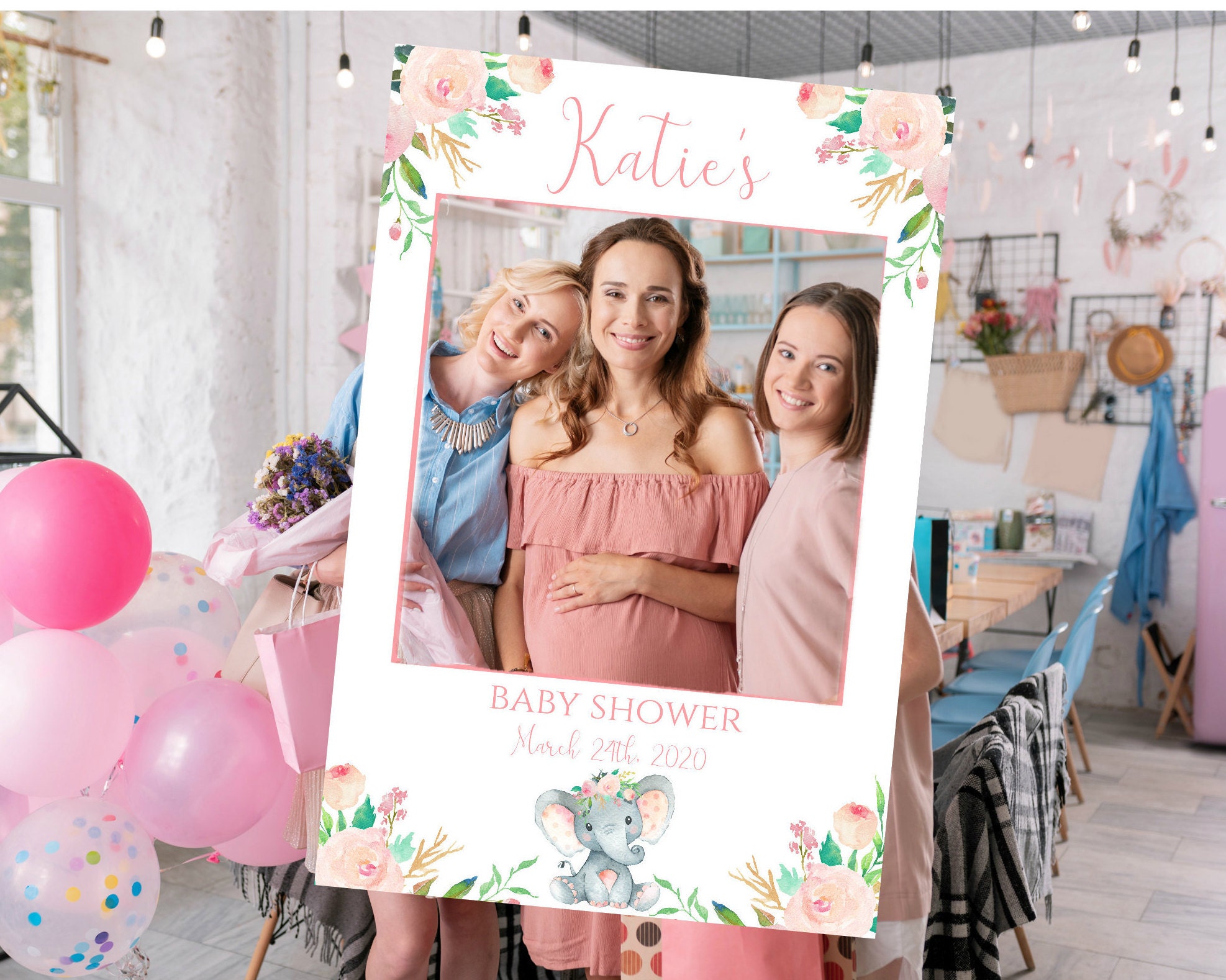
Focus on Elegant, Minimal Touches
Less is more. Use soft colors, balloons, bunting, and personalized signs like “Welcome, Baby [Last Name]” or “Tiny Kicks, Big Love.”
Add a photo display of the parents, ultrasound images (if shared), or dream nursery ideas to personalize the space.
Create a Fun Photo Booth Corner
Set up a corner with props:
• Baby hats, onesies, bibs
• Signs: “I’m a Baby Aunt,” “Future Soccer Coach”
• Mini bottles, pacifiers, stuffed animals
Use a backdrop made from streamers, fairy lights, or a painted canvas. Assign someone to take photos or set up a self-serve phone stand.
Avoid clutter—over-decorating can make the space feel chaotic.
Serve Delicious, Inclusive Food and Drinks
Offer Easy-to-Eat Finger Foods
Choose light, crowd-pleasing options:
• Mini sandwiches (crusts off)
• Fruit skewers or platters
• Veggie trays with dip
• Mini quiches or muffins
• Cheese and crackers
Balance sweet and savory items so guests aren’t overwhelmed by sugar.
Stick to Non-Alcoholic Beverages
Serve alcohol-free drinks like:
• Sparkling lemonade or mocktails
• Iced tea and infused water
• Coffee and tea station
• Milk or oat milk for cereal bar (if themed)
Label drinks with fun names like “Mom’s Magic Potion” for coffee or “Baby Bubbles” for sparkling water.
Accommodate Dietary Restrictions
Ask about allergies in the RSVP. Label each dish:
• “Gluten-Free”
• “Vegan”
• “Nut-Free Zone”
Offer at least one option for each major diet type. When in doubt, keep food simple and fresh.
Run Fun and Respectful Games
Choose Light-Hearted, Inclusive Activities
Good game ideas:
• Baby Name Bingo: Guests guess baby names
• Guess the Baby Food: Taste purees blindfolded
• Diaper Raffle: Bring diapers for raffle entry
• Baby Trivia: Questions about the mom-to-be
• Guess the Due Date or Baby’s Weight
Keep games short—15–20 minutes max—and optional.
Avoid Embarrassing or Personal Questions
Never include games that ask intimate details, such as:
• “How often do you pee?”
• “What’s your weirdest craving?”
• “Describe your labor fears”
These can make the mom feel exposed. Focus on celebration, not comedy at her expense.
Handle Gifts with Grace and Gratitude
Set Up a Dedicated Gift Table
Designate a gift table with a sign: “Thank You for Your Love and Gifts.” Include a basket for cards and a notebook to log who gave what—this helps with thank-you notes later.
Place the gift registry link on the invitation or a sign near the table.
Encourage Practical, Useful Gifts
Suggest registry items like:
• Diapers, wipes, onesies
• Bottles, pacifiers, swaddle blankets
• Stroller, carrier, or high chair
A $10 pack of socks is just as valuable as a $100 stroller. Avoid pressuring guests to spend big.
Capture Memories That Last
Create a Keepsake Station
Offer:
• Guest book for messages and well-wishes
• “Advice for the Parents” board — guests write tips on cards or a chalkboard
• Time capsule — seal letters to open when baby is 5 or 10
These become treasured mementos for years to come.
Document the Day Thoughtfully
Hire a photographer or assign a friend with a good phone camera. Capture:
• Group photos
• Mom-to-be’s reactions
• Decor details
• Games and laughter
Take short video clips of speeches or toasts. Share them digitally after the event.
Delegate Tasks to Avoid Burnout
Never Expect the Mom to Host
The mom-to-be is the guest of honor, not the planner. She should relax, receive love, and enjoy the day.
All setup, coordination, and cleanup should fall to the host and helpers.
Assign Clear Roles to Volunteers
Recruit a co-host and delegate:
• Invitations & RSVPs: One person manages the list
• Food & Drinks: Someone oversees setup and refills
• Decorations: Another handles setup and takedown
• Games & Timeline: A cheerful host runs activities
• Gift Table: One person logs gifts and cards
Clear roles prevent last-minute chaos.
Frequently Asked Questions About How to Do a Baby Shower
When is the best time to host a baby shower?
Aim for 4–6 weeks before the due date, ideally during the 7th or 8th month of pregnancy. This timing balances excitement with comfort and reduces the risk of missing the event due to early labor.
Should I include gift registry information on the invitation?
Yes, but make it optional. Including the registry helps guests choose practical gifts, but you can add a note like “Your presence is the greatest gift” to reduce pressure.
How do I plan a gender-neutral baby shower?
Use neutral colors like yellow, green, gray, or earth tones. Choose themes like “Oh Baby!” or “Welcome, Little One.” Avoid pink or blue decorations and skip gender reveal games if the parents want to keep it a surprise.
What if it rains during an outdoor baby shower?
Always have a backup plan. Rent a tent or secure an indoor space like a garage, community center, or home. Communicate the rain plan to guests in advance.
How long should a baby shower last?
Most baby showers last 2–3 hours. This allows time for mingling, food, games, and gift opening without overwhelming guests or the mom-to-be.
Who should host a baby shower?
Traditionally, a close friend or family member hosts—not the expectant parents. This ensures the mom-to-be can relax and enjoy the celebration without planning stress.
Key Takeaways for Hosting a Meaningful Baby Shower
A successful baby shower isn’t about perfection—it’s about love, support, and honoring the parents-to-be. Focus on comfort, inclusivity, and personal touches that reflect their journey. Stick to a clear timeline, set a realistic budget, and delegate tasks so no one feels overwhelmed.
Remember: the goal is not to impress, but to create a warm circle of care around the growing family. Whether it’s a backyard picnic or a themed café event, what matters most is the joy in the room.
After the event, help the parents send thank-you notes within 2–3 weeks, mentioning specific gifts and how they’re being used. This small gesture strengthens relationships and closes the celebration with gratitude.
Now you know how to do a baby shower the right way—thoughtfully, respectfully, and full of heart.





