
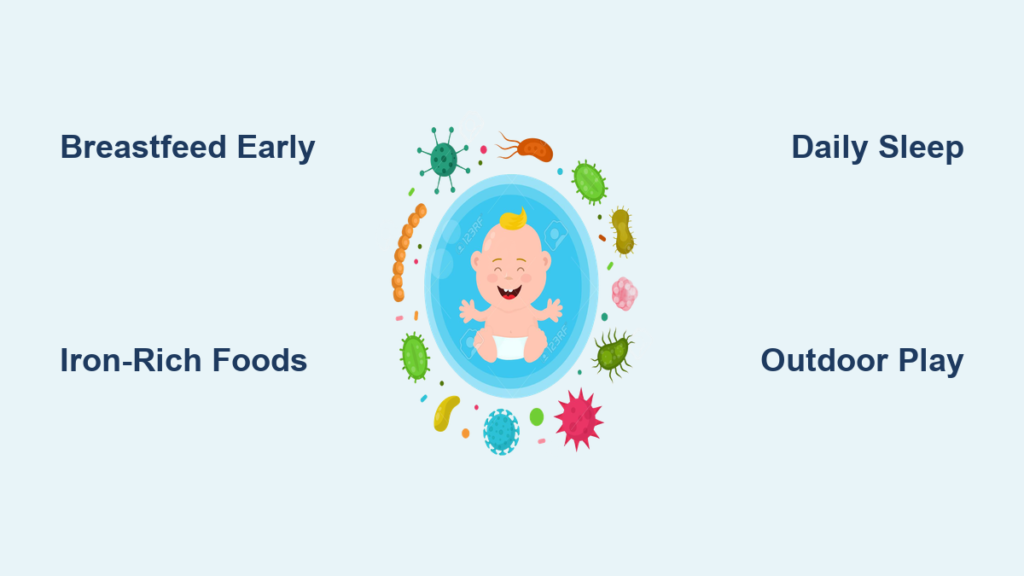
Babies are born with developing immune systems, making them more susceptible to colds, viruses, and infections during their first two years. As a parent, you can help strengthen your baby’s natural defenses without relying on medications or unproven supplements. The most effective ways to boost baby immune system naturally involve everyday habits—like breastfeeding, nutritious solid foods, quality sleep, and safe exposure to the environment. These science-backed strategies support long-term health while aligning with your baby’s developmental needs.
From day one, your baby begins building immunity through feeding, sleep, and interactions with the world. Breast milk delivers essential antibodies, especially in the early weeks. As your little one starts solids, introducing iron-rich and probiotic foods can further enhance immune function. This guide provides clear, practical steps to naturally support your baby’s immune system—covering feeding, sleep, hygiene, gut health, and more—all tailored for infants and toddlers under age two.
Breastfeed to Provide Natural Antibodies

Breast milk is one of the most powerful tools for building early immunity. It contains immunoglobulins, white blood cells, and prebiotics that protect against infections and support healthy gut development.
Give Colostrum Immediately After Birth
Colostrum, the thick golden milk produced in the first few days postpartum, is packed with immunoglobulin A (IgA) and other immune-boosting compounds. It coats your baby’s intestinal lining, helping block harmful bacteria and viruses. Aim to breastfeed within the first hour of birth to maximize these early immune benefits.
Continue Breastfeeding Past Six Months
The World Health Organization recommends breastfeeding for at least two years, alongside solid foods. Each feeding transfers new antibodies, especially when you’re exposed to germs. Even after introducing solids, breast milk remains a key source of immune support during your baby’s most vulnerable stages.
Pro Tip: If breastfeeding isn’t possible, choose infant formula fortified with prebiotics or probiotics to support gut immunity. Always consult your pediatrician for the best option.
Introduce Immune-Boosting Solid Foods at 6 Months

When your baby starts eating solids—usually around 6 months—nutrition becomes a major factor in immune development. Whole, nutrient-dense foods can significantly strengthen natural defenses.
Feed Iron-Rich Purees First
Iron supports the production of immune cells and helps prevent anemia. Start with iron-fortified baby cereals, pureed red meat, lentils, and spinach. Offering these early ensures your baby gets enough of this critical mineral during rapid growth.
Add Vitamin C-Rich Fruits Daily
Vitamin C enhances white blood cell function and helps fight infections. Offer mashed or pureed oranges, strawberries, kiwi, papaya, and cooked bell peppers. Even small daily servings can boost immune response over time.
Include Probiotic Foods Like Plain Yogurt
A healthy gut supports a strong immune system. Once dairy is introduced (typically after 6–8 months), offer plain, unsweetened yogurt with live active cultures. This helps populate the gut with beneficial bacteria crucial for immune balance.
Caution: Never give honey to babies under 1 year old. It can contain botulism spores that an immature immune system can’t handle.
Prioritize Age-Appropriate Sleep Schedules

Sleep is essential for immune repair and development. During rest, your baby’s body produces infection-fighting cytokines and strengthens immune memory.
Stick to Daily Sleep Guidelines by Age
- Newborns (0–3 months): 14–17 hours total (naps + night)
- Infants (4–11 months): 12–15 hours
- Toddlers (1–2 years): 11–14 hours
Consistent sleep patterns help regulate immune function and reduce illness risk.
Create a Restful Bedtime Routine
A calming routine—like a warm bath, quiet book, and lullaby—signals that it’s time to sleep. Keep the room dark, cool, and quiet. White noise can help block disruptions. This consistency supports melatonin production, which plays a role in immune regulation.
Promote Immune Training Through Outdoor Play
Regular outdoor time helps your baby’s immune system learn to respond to germs, allergens, and environmental changes—without overreacting.
Get Safe Sun Exposure for Vitamin D
Vitamin D is vital for immune cell function and reducing inflammation. Let your baby get 10–15 minutes of morning sunlight on bare arms and legs a few times a week. Avoid midday sun and always use shade or clothing for babies under 6 months.
Note: Breastfed babies often need a vitamin D supplement (400 IU/day). Ask your pediatrician for guidance.
Allow Controlled Contact With Dirt and Pets
The hygiene hypothesis suggests that early exposure to microbes helps prevent allergies and autoimmune issues. Let your baby play in clean grass, touch safe soil, and interact with pets. These experiences build a diverse microbiome and train the immune system to distinguish between harmful and harmless substances.
Practice Smart Hygiene—Not Over-Sanitizing
Keeping your baby clean is important, but excessive use of antibacterial products can reduce microbial diversity and weaken immune resilience.
Wash Hands Properly to Prevent Illness
Caregivers and siblings should wash hands with soap and water before holding the baby, especially after using the bathroom or coming indoors. This stops the spread of viruses without disrupting beneficial bacteria.
Use Gentle, Natural Cleaners at Home
Avoid harsh disinfectants like bleach or ammonia-based sprays for daily cleaning. Opt for vinegar, baking soda, or plant-based cleaners. Reserve strong sanitizers for times when someone is sick.
Strengthen Gut Health for Long-Term Immunity
Since about 70% of immune cells live in the gut, supporting digestive health is one of the best ways to boost baby immune system naturally.
Avoid Unnecessary Antibiotics
Antibiotics can destroy good gut bacteria along with harmful ones. Use them only when prescribed and truly needed. After treatment, ask your pediatrician about giving a pediatric probiotic to restore balance.
Feed Fiber-Rich Whole Foods
Once your baby eats solids, include fiber-rich foods like oats, bananas, apples, sweet potatoes, peas, and pears. Fiber acts as food for good gut bacteria, helping them thrive and support immune function.
Eliminate Added Sugar and Processed Snacks
Even small amounts of sugar can impair white blood cell activity for hours, making it harder for your baby’s body to fight off infections.
Skip Juice and Sugary Baby Foods
Avoid fruit juice entirely before age 1. After that, limit it to 4 ounces per day. Many commercial baby snacks contain hidden sugars like cane syrup or fructose. Choose whole fruits instead.
Check Labels for Hidden Sugars
Read ingredient lists on packaged baby foods. Avoid items with added sugars such as corn syrup, evaporated cane juice, or dextrose. Choose plain varieties and add natural sweetness with mashed banana or apple.
Follow the Recommended Vaccination Schedule
Vaccines are a natural way to train your baby’s immune system to recognize and fight dangerous diseases—without causing illness.
Stick to the CDC and AAP Immunization Plan
Vaccines begin at birth with hepatitis B and continue with critical shots like DTaP, Hib, and MMR. Following the schedule ensures protection during high-risk periods of development.
Know How Vaccines Support Immune Education
Vaccines introduce harmless parts of viruses or bacteria, prompting the body to create antibodies. This builds immune memory safely. Far from weakening immunity, vaccines strengthen it—just like exposure to germs, but without the danger.
Myth Busting: Vaccines do not overload the immune system. Babies encounter thousands of microbes daily; vaccines add only a tiny number in comparison.
Key Takeaways for Boosting Baby Immune System Naturally
Supporting your baby’s immunity is about consistent, everyday choices—not quick fixes. Breastfeeding, nutrient-rich foods, quality sleep, outdoor play, and balanced hygiene form the foundation of strong immune development. Avoid added sugar, support gut health with fiber and probiotics, and stay up to date with vaccinations. These steps work together to build a resilient immune system that protects your child now and into the future.
Always talk to your pediatrician before making changes, especially if your baby has allergies, digestive issues, or frequent illnesses. With love, patience, and these proven strategies, you’re giving your baby the strongest possible start.
Frequently Asked Questions About Boosting Baby Immune System Naturally
Can I give my baby vitamin supplements to boost immunity?
Only under pediatric guidance. Most babies get needed nutrients from breast milk, formula, and solid foods. Vitamin D is commonly recommended for breastfed infants. Never give immune supplements without consulting your doctor.
What are signs of a weak immune system in babies?
Frequent infections, slow recovery from illness, persistent diarrhea, and failure to gain weight may indicate immune concerns. If you notice these, talk to your pediatrician for evaluation.
Does daycare weaken a baby’s immune system?
No—while babies in daycare may get more colds early on, this exposure helps train their immune system. Over time, they often become more resilient than babies in overly sterile environments.
How does gut health affect baby immunity?
The gut houses most immune cells. A balanced microbiome helps regulate immune responses, prevent allergies, and fight infections. Breastfeeding, probiotics, and fiber support this balance.
Can teething weaken my baby’s immune system?
No—teething does not lower immunity. While babies may drool, fuss, or have a slight temperature during teething, true fever or illness is likely due to infection, not teething itself.
Is it safe to take my newborn outside?
Yes—just avoid crowded places and extreme weather. Short walks in fresh air are beneficial. Protect your baby from direct sun and ensure anyone holding them has clean hands.





