
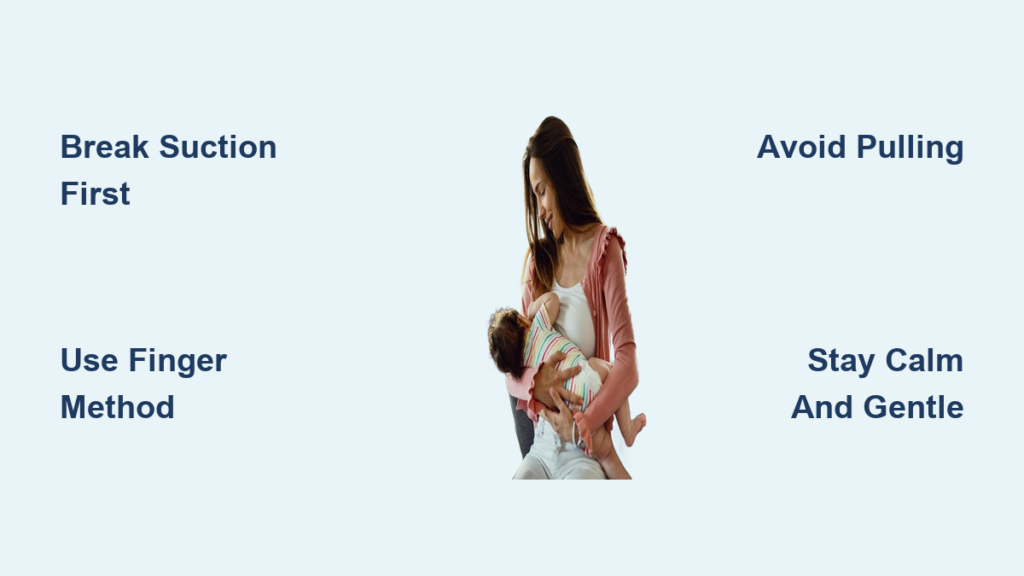
If your baby won’t let go after breastfeeding, you’re not alone. Many new mothers face this challenge—your little one stays latched for what feels like hours, leaving you tired, sore, and unsure how to gently end the feeding. The key to a pain-free experience lies in knowing how to unlatch a baby safely and effectively. Pulling your baby away without breaking the suction can cause nipple pain, cracking, and even tissue damage. But with the right technique, you can release the latch in seconds—without disturbing your baby or harming your comfort. In this guide, you’ll learn the two most trusted methods, when to use them, and how to handle even the most stubborn latches.
You don’t have to endure discomfort or wait indefinitely for your baby to release. Whether your baby is feeding or comfort nursing, you can take control of the situation with simple, proven techniques. This article walks you through step-by-step methods backed by lactation experts, common mistakes to avoid, and how to prevent future latch issues—all to support a healthier, more comfortable breastfeeding journey.
Break the Suction Without Pain
Use the Finger Insertion Method
The most effective way to unlatch a baby is the finger insertion technique. Start by placing your clean pinky or ring finger at the corner of your baby’s mouth, where the lips meet. Gently slide it between the gums and your breast, then press downward to break the vacuum seal. You’ll feel the suction release immediately. Once the seal is broken, slowly pull your breast out.
This method works because babies create a tight latch using both suction and tongue motion—inserting your finger disrupts that seal without force.
• Always use a clean finger to prevent infection
• Aim for the side of the mouth, not the front, to avoid triggering a gag reflex
• If the baby resists, stay calm and try again—rushing increases the risk of injury
Try the Chin Tug Technique
If inserting a finger feels uncomfortable, the chin tug method is a gentle alternative. Lightly press down on your baby’s chin to encourage their mouth to open slightly. As the jaw drops, the suction naturally breaks. This method works best with older infants who have more responsive jaw control.
Visual cue: Watch for the lips to part and the rhythmic sucking to stop—this means the latch is broken.
• Use just enough pressure to open the mouth—never force it
• Combine with soft talking or shushing to keep the baby calm
• Works well when the baby is drowsy but still latched
Avoid These Common Mistakes
Many mothers accidentally worsen pain by using the wrong approach. Avoid these pitfalls:
• Never yank the baby off the breast—this is the leading cause of sore, cracked nipples
• Don’t wait indefinitely for the baby to unlatch on their own if they’re not actively feeding
• Avoid using nails or sharp objects to break the seal—your fingertip is the safest tool
Pulling the baby away without breaking suction can damage delicate breast tissue and make future feedings painful.
Handle a Baby Who Won’t Let Go
Recognize When Latching Is for Comfort, Not Feeding
Babies often stay latched long after feeding ends—especially during growth spurts or when seeking comfort. Latching for 30–60 minutes isn’t unusual, but if your baby isn’t swallowing, they’re likely “parking” on the breast. Signs of non-nutritive sucking include:
• No rhythmic jaw movement
• Long pauses between sucks
• Baby appears asleep but still attached
This behavior is normal but can lead to nipple trauma if left unchecked.
Know When to Unlatch
End the session when:
• Your baby hasn’t swallowed in 2+ minutes
• You need to switch breasts
• You’re in pain or discomfort
• The latch feels shallow or painful from the start
Waiting too long increases the risk of nipple damage, especially if the latch was poor from the beginning.
Calmly End the Feeding Session
If your baby resists unlatching, stay relaxed. Sudden movements can startle them. Use the finger method slowly and speak softly. Some babies fuss when unlatched—they’re not hungry, just seeking comfort. Try holding them upright, offering a burp, or giving a pacifier to help them transition.
• Stay seated and supported to avoid rushing
• Use gentle touch and soothing sounds to reduce fussiness
• Practice the unlatch during calm feeds to build confidence
Prevent Painful Latch Problems
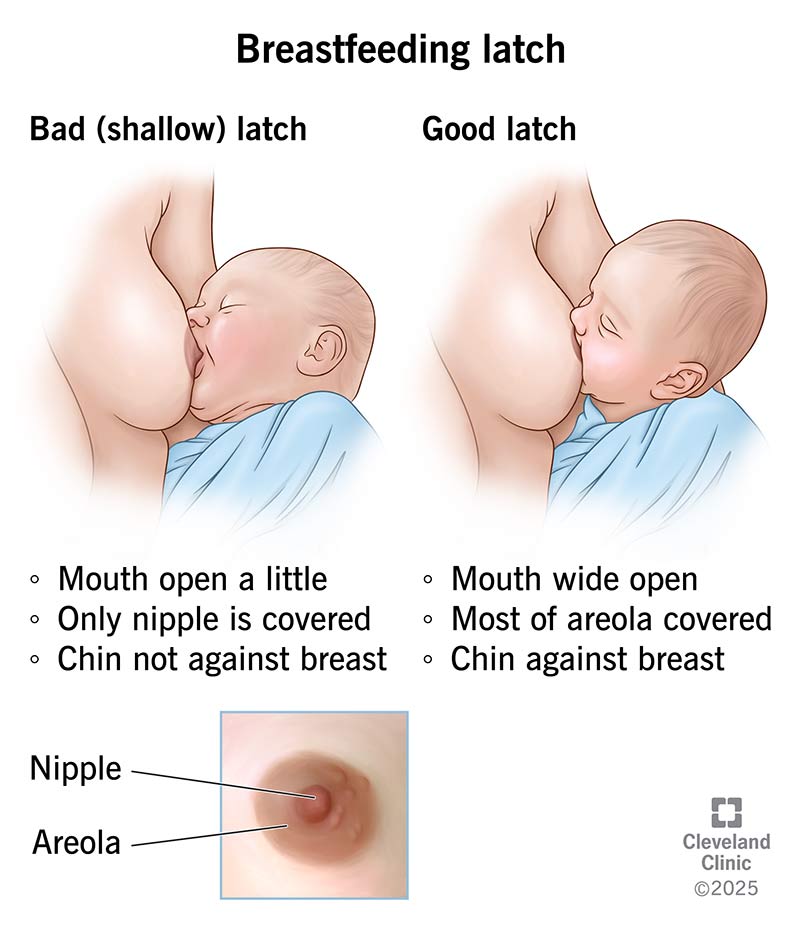
Ensure a Deep, Proper Latch from the Start
A good initial latch reduces the need for forceful unlatching later. To help your baby latch correctly:
• Hold your baby tummy-to-tummy, nose to nipple
• Wait for a wide-open mouth—like a yawn—before bringing them in
• Aim the nipple toward the roof of the mouth
• Make sure the areola, not just the nipple, is in the baby’s mouth
A deep latch prevents slipping and reduces the need to reposition or unlatch mid-feed.
Watch for Tongue-Tie or Feeding Issues
Some babies struggle to release the breast due to tongue-tie (ankyloglossia), which limits tongue and jaw movement. Signs include:
• Clicking sounds during feeding
• Inability to flange lips outward
• Frequent, short feeds with poor weight gain
If you suspect tongue-tie, consult a lactation consultant or pediatrician. Early assessment can prevent long-term feeding challenges.
Troubleshoot Stubborn Latches
Change Nursing Positions to Encourage Release
Sometimes, shifting positions helps the baby let go naturally. Try:
• Upright or laid-back nursing: Gravity can help the baby detach when full
• Side-lying to sitting: The movement may prompt the baby to open their mouth
• Breast compression: Gently squeeze the breast to increase milk flow—if the baby starts swallowing again, they may finish and unlatch on their own
These small adjustments can make a big difference in ending the feed smoothly.
Use Gentle Distractions
For comfort nursers, subtle distractions can prompt the baby to open their mouth:
• Lightly stroke their cheek or ear
• Blow softly on their forehead
• Make a quiet “shh” sound
These cues often cause the baby to pause sucking, giving you a chance to insert your finger and break the seal.
Care for Sore or Damaged Nipples

Soothe After an Improper Unlatch
If you’ve already experienced pain from a rough unlatch, treat the area right away:
• Rinse with warm water after feeding
• Apply lanolin cream or a drop of expressed breast milk to promote healing
• Let nipples air-dry before covering
• Use nipple shields temporarily if pain persists
Warning: Cracked or bleeding nipples increase the risk of infection. If pain worsens or you develop flu-like symptoms, contact your healthcare provider—this could be mastitis.
Prevent Future Nipple Damage
Protect your comfort with these habits:
• Always break the suction before removing your breast
• Never pull the baby off, even in a hurry
• Practice the finger method during calm, short feeds to build muscle memory
Consistency helps you respond confidently during longer or more challenging sessions.
Support Healthy Breastfeeding Habits
Understand Comfort Nursing
Many babies latch for emotional regulation, not hunger. This is common during:
• Growth spurts (2–3 weeks, 6 weeks, 3 months)
• Teething
• Illness or developmental leaps
While normal, it can lead to overuse of the breast as a pacifier. Knowing how to unlatch gently helps you set boundaries without distressing your baby.
Set Feeding Routines
To avoid marathon sessions:
• Limit time per breast (e.g., 15–20 minutes)
• Burp and check your baby’s alertness
• Offer a pacifier or cuddle after feeding
This teaches babies that nursing ends when eating is done—not when they fall asleep attached.
Know When to Get Professional Help
Consult a Lactation Consultant
Reach out to an IBCLC (International Board Certified Lactation Consultant) if:
• Your baby consistently refuses to unlatch
• You experience ongoing nipple pain
• Feeds last longer than 60 minutes with no swallowing
• You suspect tongue-tie or low milk supply
A professional can assess latch quality, feeding efficiency, and recommend personalized solutions.
Watch for Feeding Red Flags
Seek immediate help if your baby:
• Isn’t gaining weight
• Has fewer than 6 wet diapers a day
• Appears lethargic or uninterested in feeding
These may signal underlying issues beyond latch technique and require medical evaluation.
Frequently Asked Questions About Unlatching a Baby
How do I get my baby to unlatch without crying?
Use the finger insertion method gently and speak softly. Try distracting your baby first—stroke their cheek or blow lightly on their forehead. Once they open their mouth slightly, break the seal. Most babies settle quickly if the process is calm and predictable.
Is it okay to leave my baby latched if they’re not feeding?
No. Prolonged latching without swallowing can cause nipple trauma, even if it feels comfortable. Break the latch after 2 minutes of no swallowing to protect your skin and set healthy feeding boundaries.
Why does my baby clamp down instead of releasing?
Clamping can happen if the baby is teething, tired, or has tongue-tie. It may also occur if they’re startled. Avoid pulling away—use your finger to break the suction first. If clamping is frequent, consult a lactation specialist.
Can I unlatch a sleeping baby?
Yes. Use the finger insertion method gently. A sleeping baby may not resist, making it easier to break the seal. Just ensure your touch is soft and your movements slow to avoid waking them upset.
Does unlatching hurt if done correctly?
No. When you break the suction first, unlatching should be painless. If you feel pain, you may be pulling before the seal is broken or using too much force. Always insert your finger first.
How can I tell if my baby is still swallowing?
Watch for rhythmic jaw movement and listen for soft swallowing sounds. Pauses of more than 10–15 seconds between sucks usually mean active feeding has stopped.
Key Takeaways for Safely Unlatching Your Baby
Knowing how to unlatch a baby from the breast is a vital skill for every breastfeeding mother. Using the finger insertion or chin tug method correctly prevents pain, protects your nipples, and supports long-term nursing success. Always break the suction before removing your breast—never pull your baby off.
Mastering this simple step helps you manage comfort nursing, avoid injury, and build confidence. If you struggle with frequent latch issues, pain, or feeding concerns, don’t hesitate to consult a lactation consultant. Every mother and baby deserves a safe, comfortable breastfeeding experience.





