
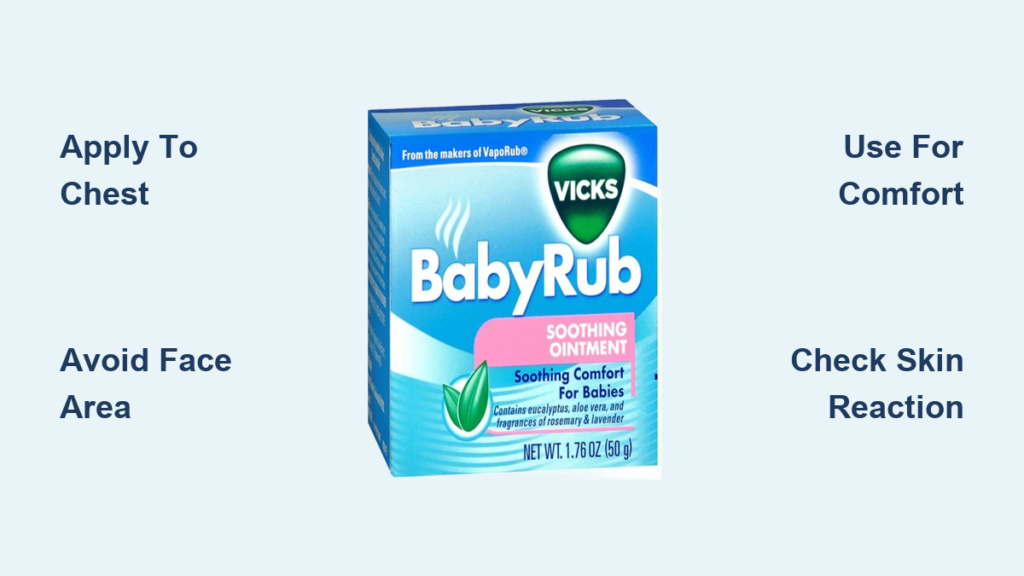
If your baby is coughing and restless, you may be searching for a gentle way to comfort them—especially at bedtime. Many parents turn to Vicks Baby Rub hoping for cough relief, but it’s important to understand: Vicks Baby Rub is not a cough medicine. It’s a non-medicated soothing ointment designed to calm and comfort babies 3 months and older. While it doesn’t treat colds or suppress coughs like medicated rubs, its aromatic blend of eucalyptus, lavender, and rosemary oils—combined with gentle massage—can help relax your baby during coughing spells or congestion. This guide explains exactly how to use Vicks Baby Rub safely and effectively as part of a comforting routine, when to choose a medicated option instead, and what to do if symptoms persist.
Apply Vicks Baby Rub Correctly
Massage Onto Chest, Neck, Back, and Feet
Use a small amount of Vicks Baby Rub and gently massage it onto your baby’s chest, neck, back, and the soles of their feet. These areas respond well to touch and warmth, helping signal relaxation. The ointment’s base—petrolatum, aloe, and coconut oil—helps moisturize delicate skin while the aromatic oils disperse softly with body heat. Always warm the product in your hands before applying to avoid startling your baby with cool ointment.
Avoid Face and Nose Area
Never apply Vicks Baby Rub near your baby’s face, especially around the nose or nostrils. Even though it contains mild essential oils, concentrated vapors in close proximity to the airway can irritate sensitive tissues or trigger breathing discomfort. Keep all chest rubs away from the face to ensure safe use.
Use During Calming Bedtime Routines
Incorporate the rub into a soothing pre-sleep ritual. Pair the massage with soft talking, lullabies, or dim lighting to enhance relaxation. The combination of loving touch and gentle fragrance supports emotional comfort, which can reduce fussiness linked to nighttime coughing or congestion.
Understand What Vicks Baby Rub Can (and Can’t) Do
Provides Comfort, Not Cough Relief
Vicks Baby Rub does not contain active cough-suppressing ingredients like camphor, menthol, or eucalyptus oil in therapeutic doses. Unlike Vicks VapoRub Children’s, which is medicated and proven to relieve coughs in kids 2+, Baby Rub is non-medicated. It won’t stop a cough, but it can help your baby feel more at ease during one.
Works Through Aromatherapy and Touch
The calming effect comes from three sources:
• Aromatherapy: The subtle scents of lavender, eucalyptus, and rosemary promote a peaceful environment.
• Massage: Gentle rubbing slows heart rate and encourages deeper breathing.
• Skin hydration: The moisturizing formula prevents dryness that could worsen irritation.
Together, these elements support a restful state—ideal when your baby is fussy due to mild congestion.
Know the Right Age Guidelines
For Babies 3 Months and Older Only
Vicks Baby Rub is formulated for infants 3 months and up. It is not recommended for newborns under 3 months due to their sensitive skin and developing respiratory systems. Always check with your pediatrician before introducing any new product, especially if your baby has eczema, allergies, or preexisting conditions.
Never Substitute for VapoRub in Young Children
Do not use Vicks VapoRub Children’s on babies under 2 years old—it contains camphor and menthol, which can be harmful to infants. And conversely, don’t expect Baby Rub to work like a medicated rub. If your child is 2 or older and needs actual cough suppression, switch to Vicks VapoRub Children’s, which has clinically proven active ingredients.
Follow Safe Application Practices
Use Clean Hands and Small Amounts
Always wash your hands before applying the rub. Use just enough to cover the chest, neck, back, and feet—excess product increases the risk of skin irritation or accidental contact with eyes or mouth. A little goes a long way.
Check for Skin Reactions
After first use, monitor the application areas for redness, rash, or irritation. If any reaction occurs, stop using the product immediately and wash the area with mild soap and water. Discontinue use if symptoms persist.
Keep Clothing Loose
Dress your baby in loose-fitting pajamas after application. Tight clothing traps heat and restricts airflow, reducing the calming effect of the vapors. Loose fabric allows gentle circulation of the soothing aroma while preventing overheating.
Combine With Other Soothing Methods
Use a Cool-Mist Humidifier
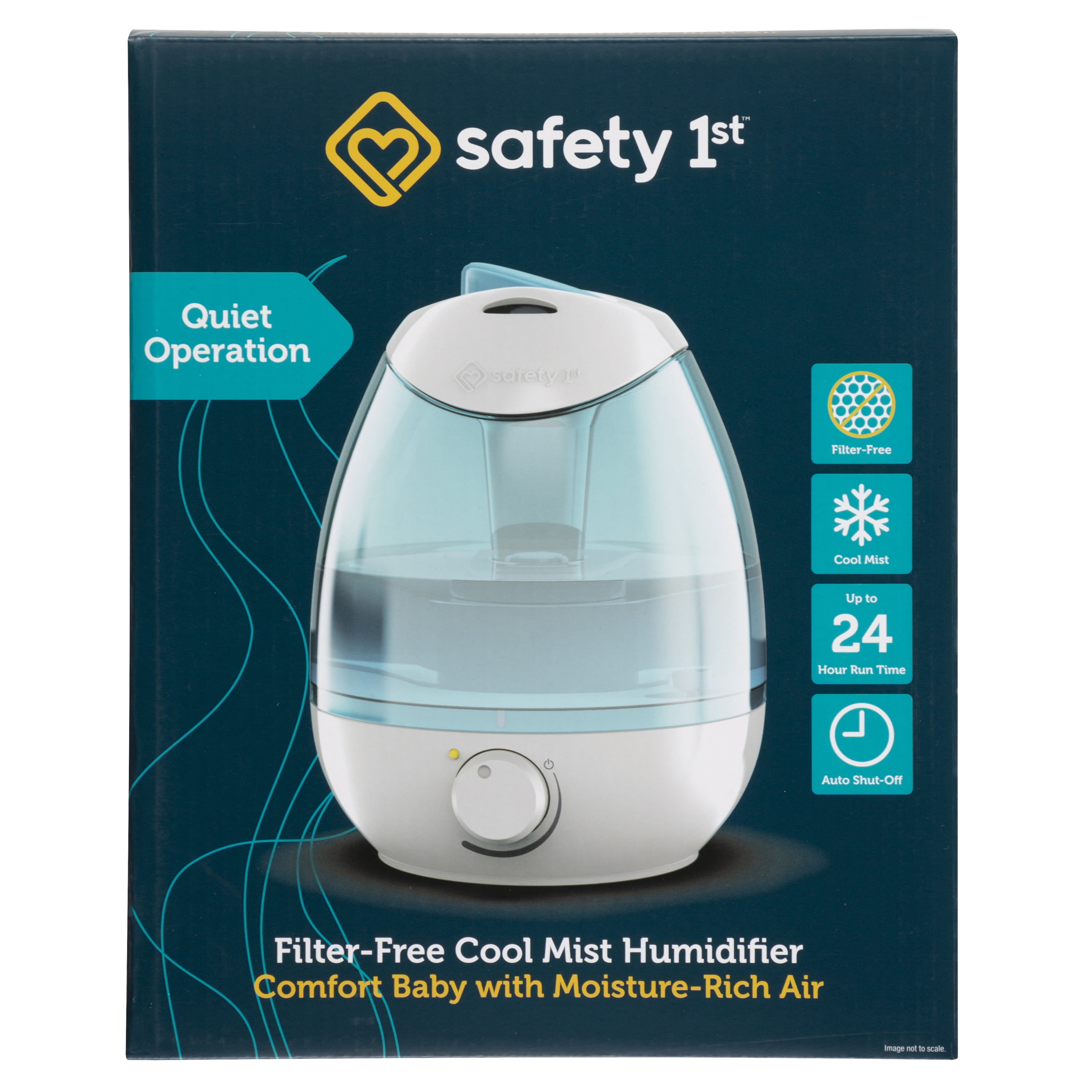
Dry air worsens coughs and congestion. Place a cool-mist humidifier in your baby’s room to keep the air moist, especially at night. This helps loosen mucus and makes breathing easier. Clean the humidifier daily to prevent mold or bacteria buildup.
Elevate the Head Slightly
Place a rolled towel under the crib mattress (never use pillows in the crib) to create a slight incline. This helps drain nasal passages and reduces postnasal drip that can trigger coughing while lying flat.
Offer Frequent Feeds
Breastmilk or formula keeps your baby hydrated, which thins mucus and soothes the throat. For babies over 6 months, small sips of water may also help. Avoid forcing feeds—if your baby refuses to eat, monitor for signs of illness and consult your doctor.
Recognize When to See a Doctor
Watch for Red Flag Symptoms
Even mild coughs can signal something more serious in infants. Seek medical attention immediately if your baby has:
• A fever above 100.4°F (38°C) if under 3 months
• Difficulty breathing (flaring nostrils, grunting, chest retractions)
• Persistent coughing lasting more than a few days
• Refusal to feed or decreased wet diapers
• Unusual lethargy or irritability
These could indicate infections like bronchiolitis, RSV, or pneumonia, which require prompt treatment.
Always Consult Your Pediatrician First
Before using Vicks Baby Rub—or any topical product—talk to your pediatrician, especially if your baby is recovering from illness or has sensitive skin. They can help you distinguish between normal cold symptoms and conditions needing medical care.
Store and Handle Properly
Keep Lid Closed and Store Cool
After each use, tightly replace the jar lid to prevent contamination and preserve the fragrance. Store in a cool, dry place away from direct sunlight or heat sources, which can degrade the ointment’s texture and scent.
Keep Out of Reach
Even though it’s non-medicated, store Vicks Baby Rub out of reach of older children. Ingestion or eye contact can still cause irritation.
Compare Baby Rub vs. Children’s VapoRub

Choose Based on Age and Need
| Feature | Vicks Baby Rub | Vicks VapoRub Children’s |
|---|---|---|
| Medicated? | No | Yes |
| Age Use | 3 months+ | 2 years+ |
| Cough Relief? | No (comfort only) | Yes (clinically proven) |
| Active Ingredients | None | Camphor, menthol, eucalyptus oil |
| Best For | Soothing massage, bedtime calm | Actual cough suppression |
Use Baby Rub for gentle comfort in infants. Switch to Children’s VapoRub only when your child is 2 or older and needs real cough relief.
Don’t Expect Medicinal Results from Baby Rub
Parents sometimes assume Baby Rub works like the adult version. It doesn’t. It lacks the active ingredients needed to suppress coughs. Using it with that expectation may delay proper care. If your child needs symptom relief, choose age-appropriate treatments.
Build a Consistent Soothing Routine
Make It Part of Nightly Care
Use Vicks Baby Rub as part of a repeatable bedtime ritual:
1. Warm bath
2. Gentle drying and moisturizing
3. Apply Baby Rub with soft massage
4. Dim lights and quiet sounds
5. Feed and cuddle
6. Place on back in safe sleep space
This routine signals to your baby that it’s time to wind down—especially helpful during cold season.
Strengthen Bonding Through Touch
Skin-to-skin contact and massage build trust and emotional security. Even during minor illnesses, these moments reinforce connection and help babies feel safe, which can reduce crying and improve sleep.
Frequently Asked Questions About Vicks Baby Rub
Can Vicks Baby Rub help with coughing?
No, Vicks Baby Rub does not treat or suppress coughs. It is a non-medicated ointment designed to soothe and calm babies through gentle massage and aromatherapy. It may help your baby relax during coughing episodes but does not relieve the cough itself.
Where should I apply Vicks Baby Rub on my baby?
Apply a small amount to your baby’s chest, neck, back, and soles of the feet. Avoid the face, especially near the nose and eyes. Warm the product in your hands first and use gentle massage motions for best results.
Is Vicks Baby Rub safe for a 2-month-old?
No. Vicks Baby Rub is only recommended for babies 3 months and older. Infants under 3 months have more sensitive skin and developing respiratory systems, so consult your pediatrician before using any topical product.
What’s the difference between Vicks Baby Rub and VapoRub?
Vicks Baby Rub is non-medicated and meant for comfort through scent and touch. Vicks VapoRub Children’s contains camphor, menthol, and eucalyptus oil and is a medicated cough suppressant for children 2 years and older. Never use medicated VapoRub on babies under 2.
Can I use Vicks Baby Rub every night?
Yes, you can use Vicks Baby Rub nightly as part of a calming routine, as long as your baby shows no skin irritation. Its moisturizing base and gentle fragrance make it suitable for regular use to support relaxation and sleep.
Why shouldn’t I put Vicks Baby Rub near my baby’s nose?
Even mild vapors near the nose can irritate delicate airways and potentially cause breathing issues. Always apply only to recommended areas—chest, back, neck, feet—and keep the product away from the face.
Key Takeaways for Using Vicks Baby Rub Safely
Vicks Baby Rub is a safe, non-medicated option for soothing babies 3 months and older during coughs or congestion. While it doesn’t treat symptoms, its calming blend and moisturizing base—used with gentle massage—can help your baby relax and sleep better. Always avoid the face, follow age guidelines, and pair it with other supportive care like humidifiers and hydration. For actual cough suppression in children 2+, use Vicks VapoRub Children’s instead. When in doubt, consult your pediatrician to ensure your baby gets the right care at the right time.





