
Respiratory syncytial virus (RSV) might sound like just another childhood cold, but for babies—especially those under 6 months—it can quickly turn into a life-threatening respiratory illness. While nearly all children will catch RSV by age 2, and most recover at home, the virus is the leading cause of infant hospitalization in the U.S., with up to 80,000 children under 5 admitted annually. In vulnerable newborns, RSV can progress silently, causing breathing pauses, severe dehydration, or pneumonia without even a fever. The risk is highest in the first few months of life when babies’ airways are tiny and their immune systems are still developing.
The danger lies in how fast RSV escalates. Symptoms often start mild—runny nose, cough, low appetite—but can worsen between days 3 and 5, leading to bronchiolitis or respiratory failure. Globally, over 3 million young children are hospitalized each year, and more than 100,000 die, mostly in low-income countries. But there’s hope: new preventive tools like the maternal RSV vaccine and infant antibody shot (nirsevimab) can reduce severe illness by up to 80%. This guide breaks down how dangerous RSV truly is for babies, who’s most at risk, what warning signs to watch for, and how to protect your child during the critical early months.
RSV Hospitalization Rates in Babies
How Many Babies Are Hospitalized Each Year?
In the United States, 58,000 to 80,000 children under 5 are hospitalized due to RSV every year, with the majority being infants under 6 months. Up to 3% of all babies who contract RSV will need hospitalization, and 2 to 3 out of every 100 infants under 3 months are admitted annually. Before preventive measures were available, RSV was the top cause of infant hospitalization—surpassing flu and even COVID-19 in this age group. Even though most recover fully, the sheer number of cases makes RSV a major public health concern.
Why Healthy, Full-Term Babies Are at Risk
Contrary to popular belief, most babies hospitalized for RSV are healthy and full-term. Their small airways and immature immune systems make it hard to handle even a typical viral infection. Unlike older children, infants can’t clear mucus effectively, and their breathing muscles fatigue quickly. This means a mild cold can rapidly become respiratory distress. Because RSV often starts subtly, parents may not realize the danger until breathing becomes labored—by then, hospitalization may be unavoidable.
Global Impact: A Crisis in Low-Income Countries
Worldwide, RSV hospitalizes over 3 million children under 5 each year, with more than 100,000 deaths—99% of them in low- and middle-income nations. In high-poverty regions, up to 9% of children under 5 who get RSV die from it, compared to less than 0.1% in high-income countries. The gap stems from limited access to oxygen therapy, intensive care, and now, preventive immunizations. These disparities underscore that while RSV is universal, its danger is magnified where medical resources are scarce.
High-Risk Babies: Who’s Most Vulnerable?
Premature Infants Face the Highest Danger
Babies born before 29 weeks are at the greatest risk for severe RSV. Their lungs are underdeveloped, and they miss out on crucial maternal antibodies transferred in the final weeks of pregnancy. As a result, preemies are far more likely to develop bronchiolitis, pneumonia, or require mechanical ventilation. Even with medical advances, premature infants remain the most frequently hospitalized group during RSV season.
Babies With Chronic Health Conditions
Children with underlying medical issues are at significantly higher risk, including those with:
– Congenital heart disease
– Chronic lung disease of prematurity
– Weakened immune systems
These conditions impair the body’s ability to fight infection, making RSV more likely to progress to respiratory failure. For these infants, even a mild case can become life-threatening, requiring early medical intervention.
All Infants Under 6 Months Are at Elevated Risk
Age is the strongest predictor of severe RSV. Most hospitalizations occur in babies under 6 months, with the peak between 2 and 3 months. Their narrow airways can become blocked easily by mucus, and they can’t cough effectively. Even a small amount of inflammation can lead to breathing difficulty. Because of this, all infants in their first RSV season should be considered at risk, regardless of health status.
Early Symptoms vs. Severe Illness
Mild Cold-Like Symptoms Can Be Deceiving
RSV often begins with symptoms that resemble a common cold:
– Runny nose
– Mild cough
– Low-grade fever (or no fever)
– Decreased appetite
Parents may dismiss it as a minor bug, especially since symptoms typically worsen between days 3 and 5. This delay can be dangerous—by the time breathing problems appear, the virus may have already caused significant lung inflammation.
Atypical Signs in Newborns and Young Infants
Babies under 6 months may not show typical cold symptoms. Instead, watch for:
– Irritability or fussiness
– Lethargy or decreased alertness
– Poor feeding
– Apnea (pauses in breathing)
These can be the only signs of RSV in newborns and are medical red flags. Apnea, in particular, can occur without other symptoms and requires immediate evaluation.
Progression to Lower Respiratory Infections
If RSV spreads to the lower airways, it can cause:
– Bronchiolitis (inflammation of small lung airways)
– Pneumonia (lung infection)
– Croup (barking cough and airway swelling)
These complications make breathing difficult and are the main reasons babies end up in the hospital.
Recognizing Emergency Warning Signs
Breathing Difficulties That Require Immediate Care
Seek urgent medical help if your baby shows:
– Rapid breathing (over 60 breaths per minute)
– Wheezing or grunting
– Flaring nostrils
– Chest retractions (skin pulling in around ribs or neck)
– Belly breathing (using stomach muscles to breathe)
These signs mean your baby is working too hard to breathe and may need oxygen support.
Life-Threatening Symptoms: When to Call 911
Go to the ER or call emergency services if your baby has:
– Blue or gray skin, lips, or nails (sign of low oxygen)
– Pauses in breathing (apnea)
– Severe lethargy or unresponsiveness
– Signs of dehydration (no wet diaper for 8+ hours, dry mouth, no tears)
Even brief breathing pauses in infants require immediate medical attention.
When to Call the Pediatrician Early
Contact your doctor if your baby:
– Has a fever of 100.4°F or higher (if under 3 months)
– Is eating or drinking less than usual
– Has a worsening cough or congestion
– Seems unusually fussy, tired, or hard to wake
Early intervention can prevent hospitalization—don’t wait for symptoms to escalate.
Complications and Long-Term Effects
Common RSV-Related Illnesses in Babies
RSV is the leading cause of bronchiolitis and pneumonia in children under 1. Other complications include:
– Croup
– Ear infections
– Respiratory failure in severe cases
These often require medical treatment and can prolong recovery.
What Happens During Hospitalization
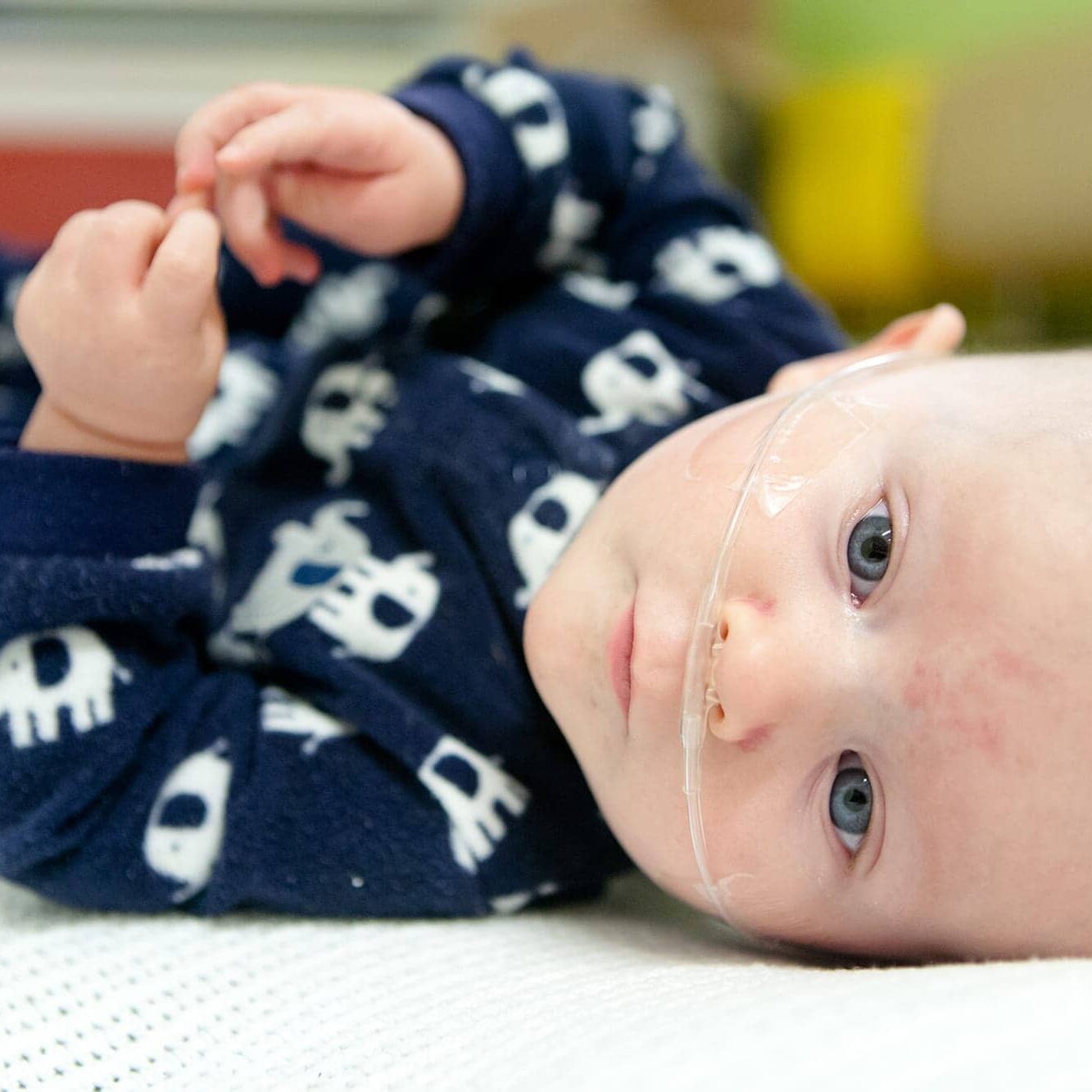
Babies admitted for RSV may receive:
– Oxygen therapy (via nasal cannula or mask)
– IV fluids (if unable to feed)
– Nebulizer treatments (to open airways)
– Mechanical ventilation (in critical cases)
Most stay 2–5 days, but some require intensive care, especially preemies or those with underlying conditions.
Long-Term Health Risks After Severe RSV
Infants who had severe RSV, particularly those hospitalized for bronchiolitis, may face:
– Higher risk of childhood asthma
– Recurrent wheezing
– Increased sensitivity to respiratory viruses
While researchers debate whether RSV causes asthma or reveals a predisposition, the link is strong enough to warrant ongoing monitoring.
How RSV Spreads and How to Stop It
RSV Is Extremely Contagious
RSV spreads through:
– Respiratory droplets (coughs, sneezes)
– Contaminated surfaces (toys, doorknobs, tables)
– Direct contact (kissing, holding)
The virus can survive on hard surfaces for up to 6 hours and on hands for 30 minutes, making it easy to transmit.
High-Risk Environments for Transmission
RSV spreads rapidly in:
– Daycares
– Preschools
– Households with older siblings
Children often bring the virus home from school, exposing vulnerable infants.
Reinfection Is Possible—Even in the Same Season
Unlike some viruses, you can get RSV more than once, even within the same year. While repeat infections are usually milder, they still pose risks for babies under 6 months.
Diagnosis and Testing
How Doctors Diagnose RSV
Doctors often diagnose RSV based on:
– Symptoms
– Physical exam (listening to lungs)
– Outbreak context (if RSV is circulating)
Testing isn’t always needed for mild cases, especially during peak season.
Confirming RSV with a Nasal Swab
A quick nasal swab can confirm RSV. It’s commonly used in:
– Emergency departments
– Hospitals
– High-risk infants
Results are typically available within hours and help guide treatment.
Tests for Severe Cases and Complications
Hospitalized babies may need:
– Pulse oximetry (to check oxygen levels)
– Chest X-rays (to rule out pneumonia)
– Blood tests (to assess infection or dehydration)
These help determine the level of care needed.
Treatment Options: Home and Hospital Care
At-Home Care for Mild RSV Cases
Most babies recover with supportive care:
– Keep fluids up (breastmilk, formula, small sips)
– Use saline drops and suction for nasal congestion
– Run a cool-mist humidifier
– Give fever reducers (acetaminophen for babies 2+ months, ibuprofen for 6+ months)
Avoid cold medicines—they’re not safe for children under 6.
When to Seek Medical Care
Seek help if your baby:
– Isn’t improving after day 5
– Shows signs of dehydration
– Has increasing breathing effort
Early care can prevent worsening and hospitalization.
Hospital Treatments for Severe RSV
In severe cases, babies may receive:
– Supplemental oxygen
– IV hydration
– Antiviral medication (ribavirin)—rarely, for critically ill or immunocompromised children
– Ventilator support in ICU
Most respond well to supportive care and go home within days.
Preventing Severe RSV: What Works

Maternal RSV Vaccine (Given During Pregnancy)
Pregnant people can get an RSV vaccine between weeks 32 and 36. It:
– Protects baby for first 6 months
– Is 80% effective at preventing severe RSV in infants under 3 months
– Has already prevented hundreds of hospitalizations (e.g., 228 in Scotland in one year)
Talk to your OB/GYN about timing.
Infant Antibody Shot (Nirsevimab/Beyfortus)
A single injection (brand name Beyfortus) given to:
– All infants under 8 months born during or entering their first RSV season
– Some high-risk toddlers up to 19 months
It provides immediate, long-lasting protection and is highly effective.
Why Most Babies Don’t Need Both
The CDC states most infants don’t need both the maternal vaccine and the antibody shot. Coordination with your healthcare provider ensures your baby gets the right protection without duplication.
Everyday Prevention Tips
Hand Hygiene Is the #1 Defense
- Wash hands frequently with soap and water
- Use hand sanitizer when soap isn’t available
- Clean hands before touching baby
This simple step cuts transmission dramatically.
Limit Exposure During RSV Season
- Avoid crowded places from October to March
- Keep sick siblings away from newborns
- Ask visitors to skip kisses and handshakes
Even mild colds in older kids can be dangerous for infants.
Clean Surfaces Regularly
Disinfect:
– Toys
– Doorknobs
– Changing tables
– Bottle prep areas
RSV survives on surfaces—cleaning breaks the chain of infection.
Recovery and Prognosis
How Long Does RSV Last in Babies?
Most babies recover in 1–2 weeks. Symptoms are often worst on days 3–5, then gradually improve. Cough may linger for 3–4 weeks, especially after activity, but this is normal.
When Can Babies Return to Daycare?
Wait until your child:
– Has been fever-free for 24 hours (without medication)
– Is eating and drinking well
– Has manageable nasal symptoms
Check with your pediatrician before returning.
Long-Term Outlook for RSV Recovery
- Most babies recover fully, even after hospitalization
- Supportive care is highly effective
- Prevention tools are now available to reduce risk
While RSV can be scary, knowing the signs and protections makes a big difference.
Frequently Asked Questions About RSV in Babies
How dangerous is RSV for a newborn?
RSV can be very dangerous for newborns, especially under 3 months. Their small airways and weak immune systems make them prone to severe complications like bronchiolitis, pneumonia, or breathing pauses (apnea). Even healthy, full-term babies can become critically ill, requiring hospitalization. Early signs may be subtle—irritability, poor feeding, or lethargy—so close monitoring is essential.
Can a healthy baby die from RSV?
Yes, though rare in high-income countries, healthy babies can die from RSV. The virus can progress rapidly, leading to respiratory failure or apnea. Globally, over 100,000 children under 5 die from RSV each year, with 99% of deaths in low-resource areas. In the U.S., deaths are uncommon due to access to care, but severe cases still occur, especially in the first 3 months.
What are the first signs of RSV in babies?
Early signs include:
– Runny nose
– Cough
– Decreased appetite
– Low-grade fever (or no fever)
– Fussiness or irritability
In infants under 6 months, watch for apnea, lethargy, or poor feeding—these may be the only signs.
How can I protect my baby from RSV?
You can reduce risk by:
– Getting the maternal RSV vaccine during pregnancy (weeks 32–36)
– Giving your baby the nirsevimab antibody shot
– Practicing hand hygiene
– Avoiding crowded places during RSV season (October–March)
– Keeping sick siblings away from the baby
Does RSV always require hospitalization?
No. Most babies recover at home with supportive care. Only up to 3% of infants with RSV need hospitalization. However, babies under 6 months, especially those under 3 months, are at highest risk. Seek care early if breathing becomes difficult or feeding drops.
Can a baby get RSV more than once?
Yes. Reinfection is common, even in the same season. While repeat infections are usually milder, they can still cause complications in young infants. Immunity after RSV is incomplete, so prevention remains important.
Key Takeaways for Protecting Your Baby From RSV
RSV is far more than a cold for babies—it’s a leading cause of infant hospitalization and can be life-threatening, especially in the first 6 months. While most children recover at home, thousands are hospitalized each year, and prevention is now possible. The maternal vaccine and infant antibody shot can reduce severe illness by up to 80%. Protect your baby by staying vigilant for breathing changes, acting fast on warning signs, and talking to your doctor about RSV prevention during pregnancy or infancy. With the right knowledge and tools, you can significantly reduce your baby’s risk.





