
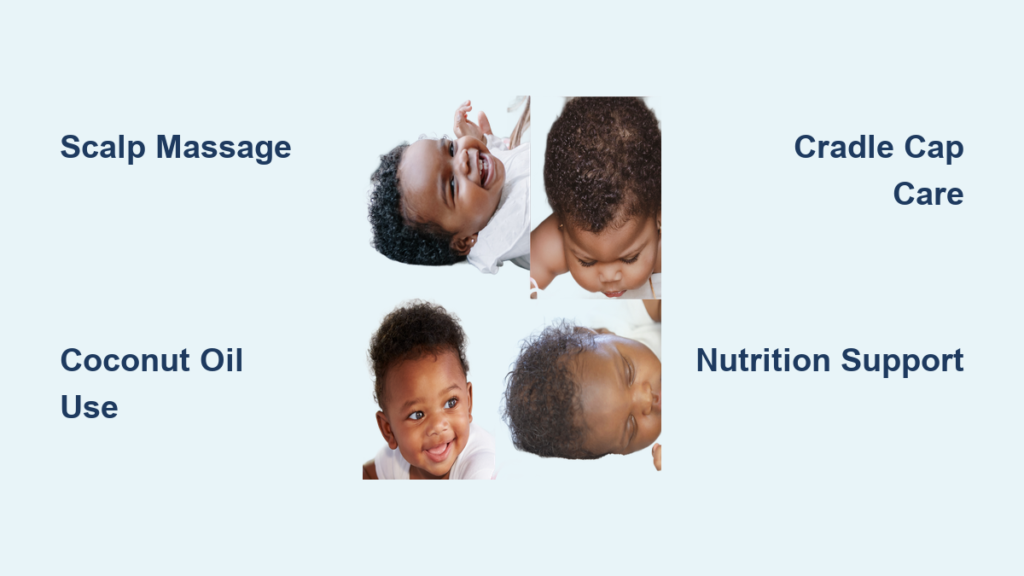
It’s common for new parents to worry when their baby’s hair isn’t growing in thick or evenly. Many infants are born with full heads of hair that fall out within months, while others remain mostly bald for over a year. Understanding how to make baby hair grow can ease anxiety and help you support healthy development naturally. While genetics ultimately determine hair texture and density, gentle scalp care, proper nutrition, and safe routines can create the best environment for strong, healthy growth.
This guide covers science-backed practices to nurture your baby’s scalp, boost circulation, and avoid common myths. You’ll learn how diet, massage, and hygiene play a role—and when it’s time to consult a pediatrician. With patience and consistent care, you can support your baby’s natural hair journey without harsh products or risky remedies.
Boost Blood Flow to the Scalp
Improved circulation delivers oxygen and nutrients to hair follicles, supporting healthier growth even in infants. Simple daily habits can stimulate the scalp safely.
Massage With Coconut or Almond Oil
A gentle scalp massage using natural oils like coconut or almond oil enhances blood flow and moisturizes delicate skin. Use clean fingertips to apply a small amount in soft, circular motions for 3–5 minutes before bath time. This routine not only calms your baby but may strengthen hair roots over time.
- Warm the oil between your palms first—never apply cold or hot oil
- Use only a pea-sized amount to avoid clogging pores
- Focus on areas with thin or no hair growth
Pro tip: Massaging during quiet, alert moments helps your baby associate it with comfort and bonding.
Brush Gently With a Soft-Bristle Brush
Light brushing removes dead skin cells and stimulates follicles without irritation. Choose an infant-safe brush with ultra-soft bristles and use slow, gentle strokes once a day.
Avoid brushing during cradle cap flare-ups or on irritated skin. Always clean the brush weekly to prevent bacteria buildup.
Keep the Scalp Clean and Balanced

A healthy scalp is essential for optimal hair growth. Dirt, oil, and flaky skin can block follicles and slow development.
Treat Cradle Cap the Right Way
Cradle cap appears as yellowish, scaly patches on the scalp and is common in babies under 6 months. While not harmful, it can hinder hair growth if left untreated.
To manage cradle cap:
• Apply a drop of coconut oil to loosen flakes before washing
• Use a mild baby shampoo every 2–3 days
• Gently wipe with a soft washcloth—never pick or scrub
• Follow up with a soft brush to remove residue
If scaling spreads to the face or persists past 12 months, talk to your pediatrician.
Wash and Dry the Scalp Properly
Overwashing strips natural oils, while infrequent cleaning leads to buildup. Washing every 2–3 days with lukewarm water and fragrance-free shampoo strikes the right balance.
After bathing, pat the scalp dry with a soft towel. Avoid rubbing, which can weaken fragile strands. Ensure hats and bedding aren’t trapping moisture, as dampness encourages fungal issues.
Support Hair Growth Through Nutrition
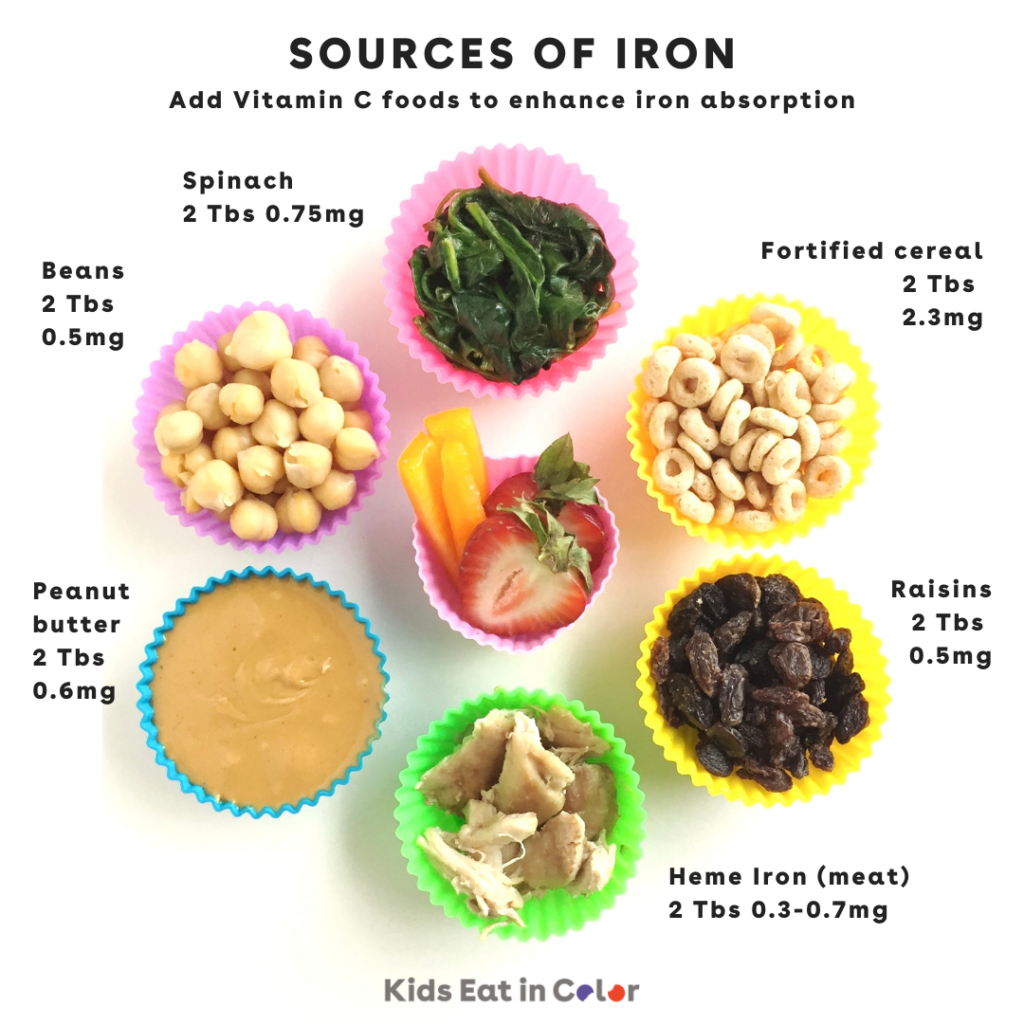
Hair development starts before birth and continues through infancy. The right nutrients—delivered through breast milk or solid foods—play a vital role.
Nursing Moms: Eat for Stronger Baby Hair
Breastfeeding mothers can support their baby’s hair growth by eating nutrient-rich foods. Key nutrients pass through breast milk and aid in tissue development.
Include these in your daily diet:
• Protein – eggs, lean meats, lentils
• Iron – spinach, fortified cereals, red meat
• Omega-3s – salmon, chia seeds, walnuts
• Vitamins A, C, D, E – sweet potatoes, oranges, almonds, dairy
Staying hydrated and eating a varied diet supports overall infant development, including hair.
Introduce Hair-Healthy Solid Foods at 6 Months
When your baby starts solids, include foods rich in zinc, iron, and healthy fats:
• Pureed chicken or beans for protein and iron
• Avocado or banana for essential fats
• Cooked carrots or squash for vitamin A
• Fortified infant cereals for B vitamins and zinc
Introduce one food at a time and watch for allergic reactions. A balanced diet supports not just hair, but brain and immune health too.
Avoid Dangerous Myths and Habits

Some traditional practices may seem helpful but can actually harm your baby’s scalp or hair.
Never Shave Your Baby’s Head
A widespread belief claims shaving a baby’s head leads to thicker, faster hair growth. This is a myth. Hair thickness and growth speed are controlled by genetics, not shaving. Cutting hair only changes how it looks at the surface—it doesn’t affect the follicle.
Shaving also increases risks:
• Cuts or nicks on sensitive skin
• Infection from unsterilized tools
• Irritation or folliculitis
Let hair grow naturally and avoid unnecessary procedures.
Say No to Harsh Products and Tight Styles
Adult shampoos, conditioners, and styling products contain sulfates, parabens, and fragrances that can irritate a baby’s scalp. Stick to hypoallergenic, tear-free formulas labeled for infants.
Avoid tight headbands, braids, or ponytails. Pulling on delicate hair can lead to breakage or even traction alopecia over time.
Understand Normal Hair Growth Patterns
Babies grow on their own schedule. Hair often follows a cycle of shedding, regrowth, and texture changes.
Hair Loss Is Normal in the First Year
Most babies experience telogen effluvium—a temporary hair loss phase—between 3 and 6 months. This happens as maternal hormones drop after birth. It’s common for babies to lose hair on the back of the head from friction with cribs or carriers.
New growth typically begins by 6–7 months, though some babies take until 18–24 months to develop a full head of hair. This variation is completely normal.
Genetics Control Hair Traits
Your baby’s future hairline, color, curl pattern, and thickness are determined by DNA. If parents or siblings had sparse or late-growing hair as infants, your baby may follow the same path.
You can’t change genetics, but you can support the healthiest possible growth with good care.
Use Safe and Gentle Home Remedies

Some natural treatments are widely used and considered safe when applied correctly—even if scientific proof is limited.
Apply Coconut Oil Regularly
Coconut oil is rich in lauric acid and easily absorbed by hair proteins. Research suggests it helps reduce protein loss and strengthens strands over time.
For best results:
• Use virgin, cold-pressed coconut oil
• Apply a pea-sized amount to the scalp
• Leave on for 15–30 minutes before washing
• Repeat 2–3 times per week
Always do a patch test on the arm first to check for allergic reactions.
Soothe the Scalp With Aloe Vera
Aloe vera has anti-inflammatory and moisturizing properties that help maintain a healthy scalp pH and reduce flaking.
To use:
• Apply pure aloe vera gel (from the plant or additive-free store version)
• Spread a thin layer on the scalp
• Rinse after 10–15 minutes
• Use 1–2 times weekly
Discontinue use if redness or rash appears.
When to Talk to Your Pediatrician
Most cases of slow hair growth are normal—but certain signs warrant medical advice.
Watch for These Warning Signs
Contact your doctor if your baby has:
• No visible hair growth by 18 months
• Bald patches with redness, sores, or scaling
• Hair that breaks off easily or thins abnormally
• Other developmental delays or health concerns
These could indicate nutritional deficiencies, hormonal imbalances like hypothyroidism, or skin conditions such as alopecia areata.
Use Well-Baby Visits to Discuss Concerns
Routine checkups are the perfect time to ask about hair, skin, and overall growth. Early detection means faster treatment if an issue exists.
Build a Gentle Hair Care Routine
Consistency and care make a difference. A simple, daily routine supports long-term hair health.
Wash the Scalp 2–3 Times Weekly
Babies don’t produce much oil, so frequent washing isn’t needed. Use a small amount of mild baby shampoo and rinse thoroughly to prevent residue.
Pat Dry Instead of Rubbing
After baths, gently pat the scalp with a soft towel. Rubbing can cause friction and lead to breakage in fine, fragile hair.
Protect From Sun and Friction
Outdoors, use a wide-brimmed hat to shield your baby’s scalp from UV rays. Indoors, rotate your baby’s head position in the crib to prevent flat spots and reduce friction-related thinning.
Frequently Asked Questions About Baby Hair Growth
Does shaving a baby’s head make hair grow thicker?
No. Shaving does not change hair texture, thickness, or growth rate. These are determined by genetics and hormones. Shaving increases the risk of cuts and irritation and offers no benefits.
Why did my baby lose all their hair?
It’s normal for babies to lose hair in the first 6 months due to telogen effluvium, a hormonal shift after birth. New hair usually grows back within a few months.
Can diet affect my baby’s hair growth?
Yes. For nursing mothers, a balanced diet rich in protein, iron, and vitamins supports hair development through breast milk. Once solids begin, nutrient-dense foods help sustain healthy growth.
Is coconut oil safe for my baby’s scalp?
Yes, when used properly. Use virgin, cold-pressed coconut oil and apply a small amount. Do a patch test first to rule out allergies. Avoid if your baby has oily skin or acne-like bumps.
How often should I massage my baby’s scalp?
Aim for 3–5 minutes, 3–4 times per week. Daily massage is fine if your baby enjoys it, but avoid overstimulation or applying too much pressure.
When do babies start growing permanent hair?
Most babies begin developing their “real” hair between 6 and 12 months. However, some don’t grow a full head until 18–24 months. This wide range is normal and often genetic.
Key Takeaways for Supporting Baby Hair Growth
• Scalp massage and gentle brushing improve circulation and support follicle health
• Proper nutrition—for both mom and baby—fuels healthy hair development
• Avoid shaving and harsh products, which offer no benefits and pose risks
• Cradle cap and hair shedding are common and usually resolve on their own
• Genetics determine growth patterns, so patience is essential
Focus on creating a clean, nourished environment for your baby’s scalp. With time, love, and consistent care, most babies develop full, healthy hair. If you’re ever unsure, consult your pediatrician—early guidance brings peace of mind.





