
Babies outgrow clothes faster than you can fold them—sometimes it feels like a onesie fits one week and becomes a crop top the next. With constant laundry, surprise gifts, and seasonal changes, baby clothes can quickly pile up in drawers, bins, and baskets. But a well-organized wardrobe doesn’t have to mean a Pinterest-perfect nursery. The real goal is functionality: being able to grab the right outfit in seconds, even during a midnight blowout. A smart system saves time, reduces stress, and keeps only what your baby actually wears.
This guide delivers actionable strategies to sort, store, and maintain baby clothes efficiently. You’ll learn how to sort by size and season, use the one in, one out rule, create a ready-to-wear station, and optimize every inch of storage. Whether you’re setting up for a newborn or managing a toddler’s overflowing drawers, these proven methods will help you build a clutter-free, sustainable wardrobe system that adapts as your child grows.
Sort Baby Clothes by Size and Season First
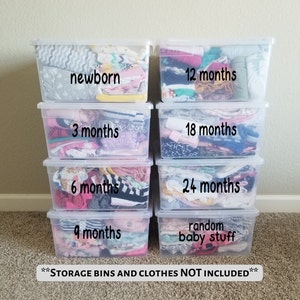
The foundation of any effective baby clothing system starts with sorting—by size and season. Babies grow quickly and unevenly, so having clothes grouped by size ensures you always grab the right fit. Label bins or drawers with size ranges: 0–3 months, 3–6 months, 6–9 months, and so on. Keep current-size clothes in the most accessible spot—top drawers or eye-level shelves—so they’re easy to reach during rushed changes.
Within each size, separate clothes by season. Store lightweight summer outfits separately from winter layers like snowsuits and thermal sleepers. Use clear, labeled bins like “3–6 Months – Winter” for instant identification. Off-season clothes can go into under-bed storage or high shelves, freeing up daily-use space.
Why Size Sorting Prevents Daily Frustration
Babies don’t grow uniformly—they might outgrow pants before tops or sleeves before legs. Sorting by size helps you track what no longer fits. When an item becomes too small, move it immediately to your outgrown bin instead of tossing it back. This real-time system prevents digging through clothes that don’t fit and keeps your wardrobe accurate. It also makes passing along hand-me-downs effortless when a new baby arrives.
Rotate Seasons Every Three Months
Switch out seasonal clothes every quarter. As winter ends, pack away heavy coats and snowsuits in vacuum-sealed bags to save space and protect from dust. Bring out breathable cottons and sun hats. Reverse the process in fall. Pro tip: shop for next season’s clothes during off-season sales—buy winter gear in summer for deep discounts. This keeps your budget—and closet—balanced.
Organize by Clothing Type for Faster Dressing
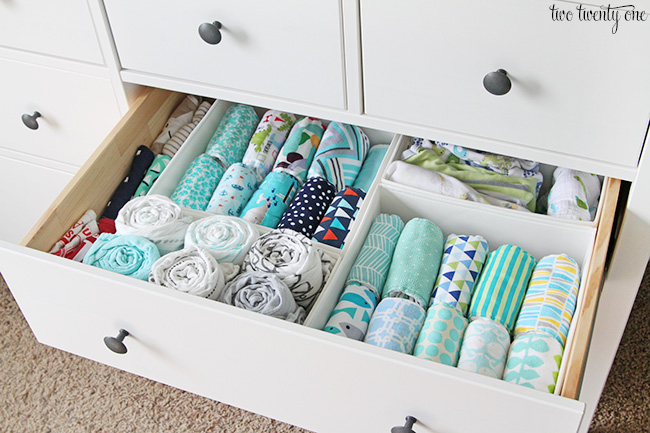
Sorting by type streamlines both dressing and laundry. Instead of rummaging through a mixed drawer, you can grab a onesie, then matching pants, then socks—all from designated spots. Use drawer dividers or small bins inside larger drawers to separate categories:
• Onesies & sleepers: Fold or roll and stack vertically
• Socks & mittens: Store in small containers or mesh bags
• Hats & blankets: Keep in a dedicated basket
• Outerwear: Hang on low hooks or child-height racks
• Special outfits: Store separately to avoid wear and tear
This method reduces decision fatigue and speeds up outfit assembly, especially during fussy moments.
Stop Losing Baby Socks Forever
Lost baby socks are legendary—but preventable. Use labeled mini bins or door-mounted pocket organizers to corral small items. For extra security, clip pairs together with tiny binder clips or store them in mesh laundry bags. Labeling individual socks with fabric tags (especially for daycare) ensures they come back home. If using hand-me-downs, check for missing mates early and donate incomplete sets.
Keep Coats and Snowsuits Within Reach
Hang jackets, snowsuits, and raincoats on a low rod or wall-mounted hooks at baby’s height. This encourages independence as they grow and makes grab-and-go easier for caregivers. Store seasonal outerwear in breathable garment bags when not in use. Avoid cramming bulky items into drawers—they take up too much space and can damage delicate fabrics.
Apply the One In, One Out Rule to Stop Clutter
For every new piece of clothing that enters your home, remove one old item. This simple rule prevents drawers from overflowing. Baby clothes pile up fast—gifts from relatives, surprise sales, hand-me-downs—and without limits, clutter spirals. The “one in, one out” system forces intentionality: do you really need another gray onesie?
When a new outfit arrives, pause and ask: Is this something we’ll actually use? If yes, choose an existing item to donate, repurpose, or discard. This could be something stained, outgrown, or rarely worn. Over time, this habit keeps the wardrobe lean, functional, and focused on favorites.
Break the Habit of Saving Everything
Many parents feel pressured to save every outfit “just in case” of another baby. But holding onto unused clothes creates mental and physical clutter. Be selective. Keep sentimental pieces—like a first holiday outfit—but photograph the rest before letting go. Digital memories take less space than dusty bins of unworn clothes.
Create a Ready-to-Wear Outfit Station
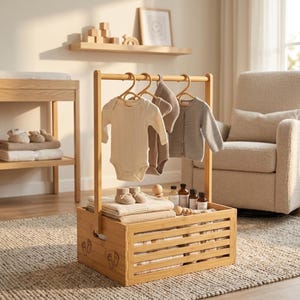
Designate a specific spot for daily-use clothes—a “ready-to-wear” station. This could be a bin, basket, or top drawer labeled with days of the week or activity types (playtime, nap, outing). Pre-select 5–7 complete outfits and store them together. Include socks, hats, and even shoes if needed.
This system eliminates morning scrambles and reduces stress during transitions. Grandparents or babysitters can dress the baby without guessing what fits or matches. Rotate outfits weekly to ensure even wear and prevent favorites from getting overused.
Build Weekly Outfit Bins for Busy Families
Use stackable, clear bins with lids—each labeled for a day (e.g., “Monday,” “Tuesday”). Tuck in a full outfit: top, bottom, socks, and accessories. Store these in a closet or on a shelf. Each Sunday, swap out used clothes for clean ones. This method works especially well for daycare prep or tight morning schedules.
Optimize Drawer Storage With Smart Folding
Maximize drawer efficiency with adjustable dividers and smart layering. Standard dividers often don’t fit baby clothes well—opt for taller, customizable versions that create “mini drawers” within larger ones. These prevent stacks from toppling and keep categories separated.
Place most-used items (like onesies and sleepers) in top drawers. Store less-frequently used items (special occasion wear, backup swaddles) lower down. Avoid creating a “junk drawer”—reserve bottom drawers for bulkier items or supplies like burp cloths and bibs.
Use the No-Fold Method for Newborn Clothes
Skip folding tiny newborn clothes altogether. Instead, lay them flat and store vertically—like files in a cabinet. This lets you see every piece at a glance without unstacking. It’s faster than folding, reduces wrinkles, and works best for small items that disappear in piles.
For older babies (6+ months), rolling clothes is another efficient option. Roll sleepers and pants tightly and stand them upright in drawers. This saves space, prevents tangling, and keeps everything visible.
Use Vertical and Hidden Spaces Wisely
When floor space is limited, go vertical. Install wall-mounted shelves, pegboards, or over-the-door organizers to free up drawers and bins. These solutions are perfect for frequently used items like hats, socks, or changing supplies.
Use the back of doors with pocket organizers—each pocket can hold a different category. Hang a pegboard with small baskets and hooks to customize storage as needs change. Under-bed storage bins are ideal for off-season clothes or future sizes. Label clearly and slide them under the crib or toddler bed.
Hang Clothes With Non-Slip Hangers
Standard wire hangers ruin delicate baby clothes. Upgrade to velvet non-slip hangers—they grip fabric gently and prevent slippage. They’re affordable (around $15 for 30) and protect shoulders and seams. Use pants hangers to keep matching sets together, especially for special outfits or hand-me-downs.
Set Up a Changing Station That Lasts
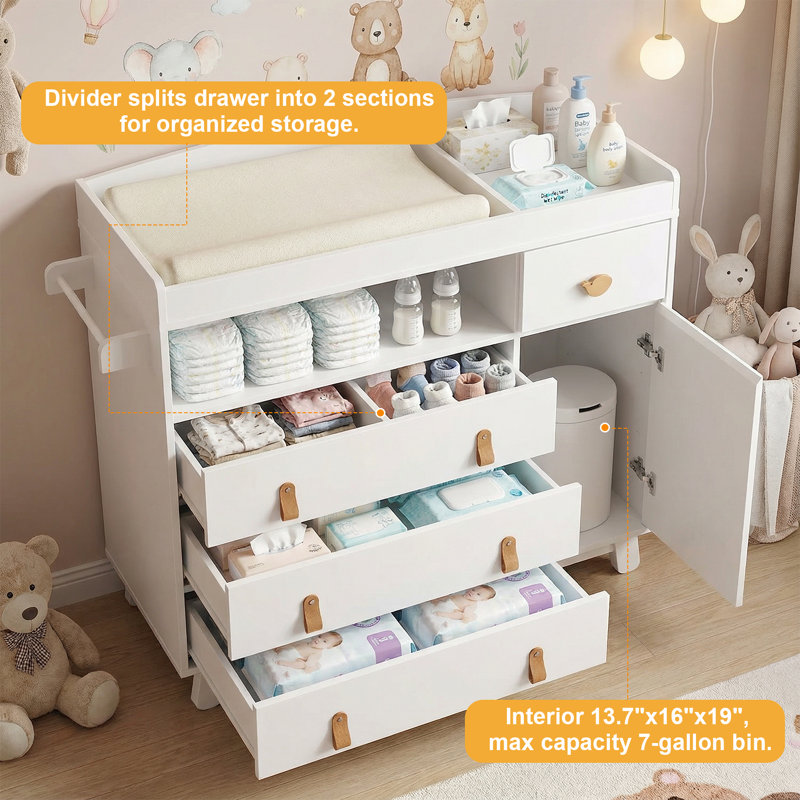
Ditch the traditional changing table in favor of a dresser with a changing pad on top. This dual-purpose setup offers more storage and lasts longer—once diapers are done, remove the pad and use the dresser for clothes, books, or toys.
Position the changing pad on one side (e.g., left) and keep diapers, wipes, and cream on the other (right) for smooth workflow. Only keep one pack of each supply at the station—store backups in a labeled bin elsewhere. This prevents clutter and eliminates decision fatigue during midnight changes.
Keep a Diaper Bag Caddy for Emergencies
Use a small, portable caddy inside your diaper bag to organize emergency clothes. Include 2–3 extra onesies, socks, a burp cloth, and wipes. Having a dedicated compartment means you’re always prepared for blowouts or spills—no digging through loose items.
Also, place a laundry basket near the changing area to catch dirty clothes immediately. Use a hanging version with separate sections for whites, colors, and heavily soiled items to simplify sorting.
Review and Rotate the Wardrobe Monthly
Set a monthly reminder to review the baby’s wardrobe. Remove anything that no longer fits, is stained beyond repair, or hasn’t been worn in over a month. This routine keeps the system current and prevents accumulation.
Use this time to:
• Move outgrown items to long-term storage or donation
• Rotate seasonal clothes
• Reassess what’s working in your system
• Update the “ready-to-wear” bin
Monthly check-ins take less than 15 minutes but pay off in long-term ease.
Try the In-Between Basket for Outgrown Clothes
Instead of storing outgrown clothes immediately, use a clear basket in the closet as a holding zone. Add items as the baby grows. Once the basket is full, sort through it—keep what’s in good condition, donate the rest, and transfer keepsakes to labeled storage.
This reduces frequent trips to storage bins and gives you time to decide what to save. Not everything needs to be kept—be selective to avoid clutter.
Label Everything for a Foolproof System
Labels are the secret to a stress-free wardrobe. Use a label maker, sticky tags, or handwritten cards to mark:
• Bins (“Newborn Sleepers,” “Winter Hats”)
• Drawers (“Socks,” “Daytime Outfits”)
• Diaper bag compartments
• Individual clothing items (for daycare)
Clear labeling makes it easy for partners, grandparents, or caregivers to help without asking. It also reinforces habits—when everything has a home, putting things away becomes automatic.
Make the System Easy for Caregivers to Use
If others help care for your baby, design the system so it’s intuitive. Place frequently used items at eye level. Store holiday outfits or formal wear higher up or in less accessible spots. Use color-coded bins or pictures on labels for pre-readers. A well-labeled, logically arranged space means anyone can pitch in confidently.
Source Baby Clothes Smartly to Avoid Overload
You don’t need to buy everything new. Smart sourcing keeps costs down and reduces clutter. Shop at thrift stores, consignment shops, or online groups—many gently used baby clothes are like new. Look for items with tags still on.
Join local swap events or host your own with friends. Use apps like Freecycle or Buy Nothing for free exchanges. Ask relatives for hand-me-downs—they often have unused clothes from older kids.
Hack Your Gift Registry to Get What You Need
When registering, include specific sizes and colors to avoid duplicates. Opt for digital registries (Amazon, Target) for easy sharing. Register for essentials like diapers and wipes, but add a few key clothing items—like sleepers or jackets—to guide well-meaning gift-givers.
Store Future Sizes Without Hoarding
Keep a few larger sizes on hand, but don’t overstock. Babies grow unpredictably—some stay in 6-month clothes for weeks, others shoot into 12-months fast. Store future sizes in labeled bins on high shelves or under the bed.
When the baby approaches a new size, pull out the bin and test-fit clothes. Discard anything that’s outdated, stained, or no longer needed. This “just-in-time” approach prevents hoarding while ensuring you’re never unprepared.
Frequently Asked Questions About Organizing Baby Clothes
How often should I sort through my baby’s clothes?
Review the wardrobe every month. Remove outgrown, stained, or unused items to keep the system current. Monthly check-ins take less than 15 minutes and prevent clutter buildup.
What’s the best way to store outgrown baby clothes?
Use a clear in-between basket in the closet as a holding zone. When full, sort through it—donate gently used items, keep keepsakes, and label what’s saved. Avoid storing everything immediately to reduce mental clutter.
How do I stop losing baby socks?
Use small labeled bins, mesh laundry bags, or door-mounted organizers. Clip pairs together with tiny binder clips. Label individual socks with fabric tags, especially for daycare.
Should I use a changing table or dresser?
Choose a dresser with a changing pad on top. It offers more storage and lasts longer—once diapers are done, repurpose it for clothes or toys. A traditional changing table is only useful for 1–2 years.
How many outfits should I keep in the ready-to-wear bin?
Keep 5–7 complete outfits in your ready-to-wear station. Include tops, bottoms, socks, and accessories. Rotate them weekly to ensure even wear and simplify morning routines.
How can I organize baby clothes in a small space?
Use vertical space: install wall shelves, over-the-door organizers, or pegboards. Store off-season clothes under the bed in labeled bins. Use stackable clear bins and adjustable drawer dividers to maximize every inch.
Key Takeaways for Organizing Baby Clothes
Organizing baby clothes isn’t about perfection—it’s about creating a system that saves time, reduces stress, and adapts as your child grows. Start by sorting clothes by size and season, then organize by type using bins, dividers, and labeled storage. Implement the one in, one out rule to prevent clutter, and create a ready-to-wear station for stress-free mornings.
Use vertical space, non-slip hangers, and monthly reviews to keep everything functional. Label everything clearly so caregivers can help without confusion. Source clothes wisely and store future sizes strategically. With these simple, sustainable habits, you’ll spend less time searching and more time enjoying your little one.





