
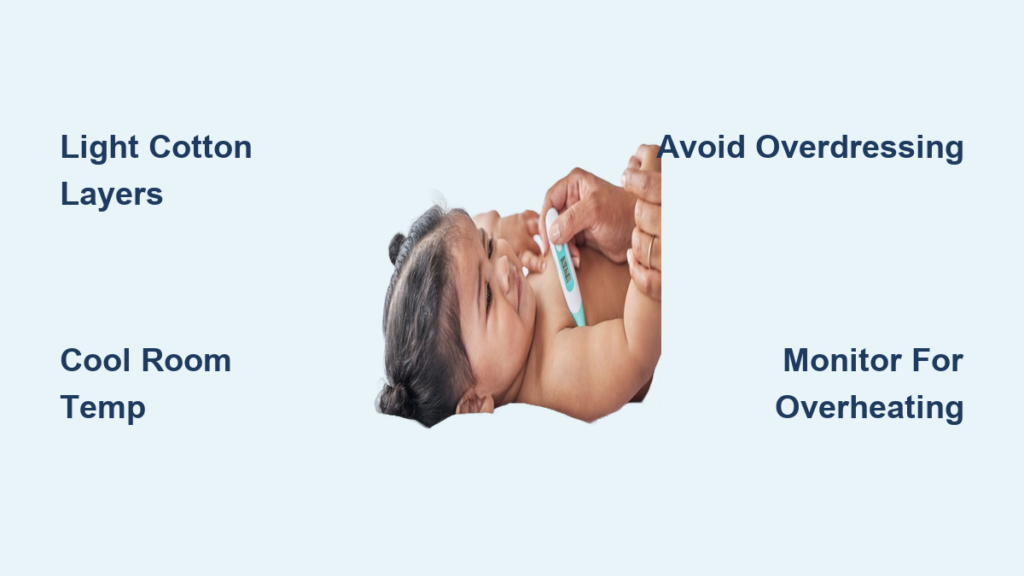
Your baby has a fever, and you’re not sure what to do. One of the simplest yet most confusing questions parents face is: how to dress baby with fever? You want to keep them comfortable, avoid overheating, and support recovery—but it’s easy to go too far in either direction. Dressing a febrile infant incorrectly can make them feel worse or even raise their temperature further. This guide gives you clear, practical steps to dress your baby safely and comfortably during a fever, based on pediatric recommendations and real-world care strategies.
A fever in babies is the body’s natural response to infection. While it can be alarming, it’s not always dangerous. What matters most is how your baby behaves—whether they’re alert, feeding well, and responding normally. But how you dress them plays a key role in regulating their body temperature. Overdressing traps heat; underdressing can lead to chills. The goal is balance. In this article, you’ll learn how to layer wisely, choose the right fabrics, monitor for warning signs, and adjust clothing based on age, environment, and severity of fever.
Check Fever Severity Before Adjusting Clothing
Before changing what your baby wears, assess how high the fever is and how your baby is acting. The way you dress baby with fever depends on both temperature and behavior.
Take an Accurate Temperature Reading
Use a digital thermometer for reliable results. For infants under 3 months, a rectal reading is most accurate. A fever is:
– 100.4°F (38°C) or higher in babies under 3 months
– 101°F (38.3°C) or higher in older infants
If the fever is mild (under 102°F / 38.9°C) and your baby is active and feeding well, home care with proper dressing is usually enough. For higher fevers or lethargic behavior, seek medical advice promptly.
Know When to Seek Medical Help
Dress and monitor closely if:
– Baby is under 3 months with any fever
– Fever lasts more than 24 hours in babies under 2 years
– Baby refuses feeds, is hard to wake, or has trouble breathing
– Skin is mottled, cold, or has a rash that doesn’t fade when pressed
In these cases, appropriate clothing supports comfort while you prepare for medical evaluation.
Choose Lightweight Cotton Clothing for Fever Management
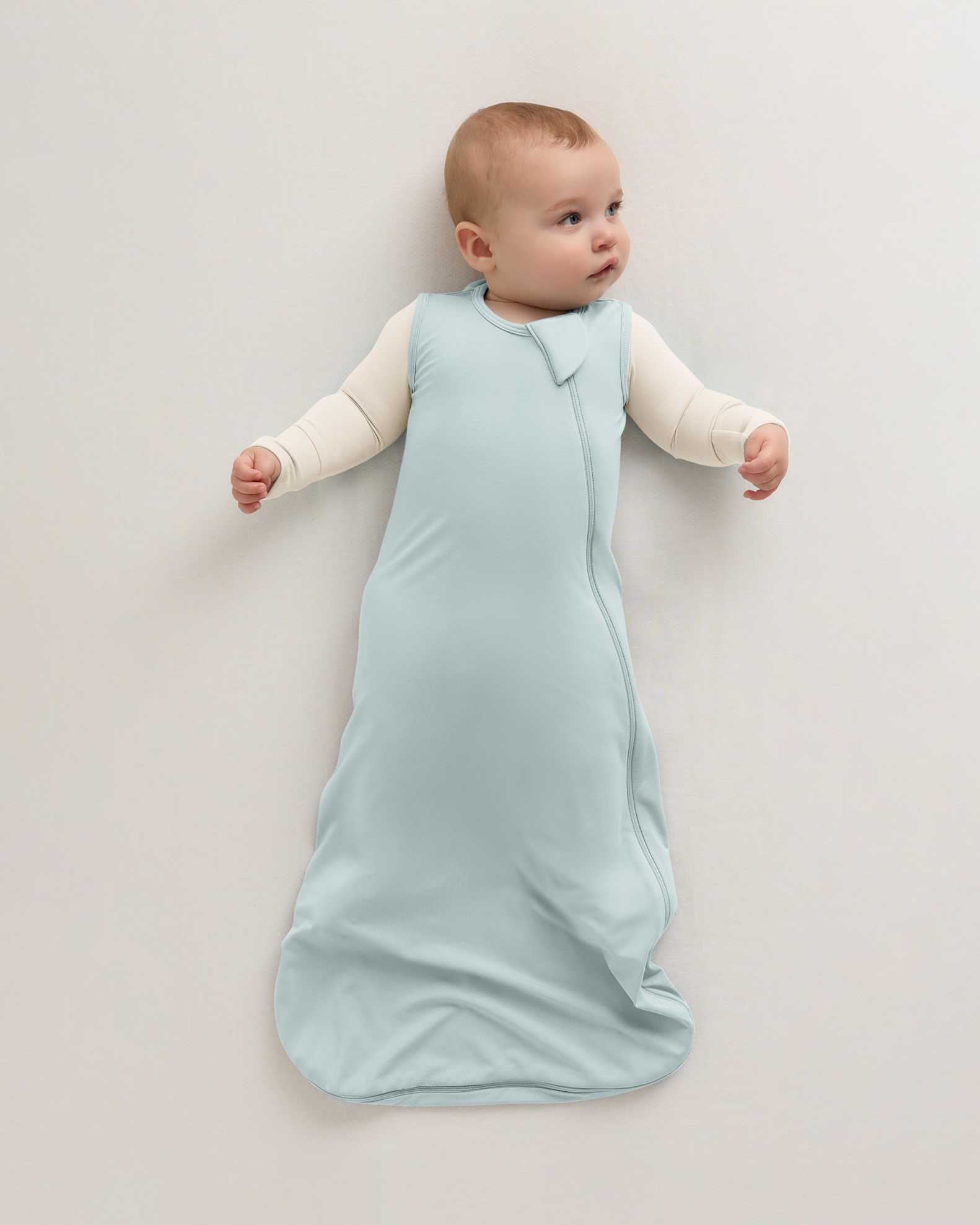
The fabric your baby wears affects how well they release heat. Breathable materials help regulate body temperature and prevent overheating.
Opt for 100% Cotton Instead of Synthetic Fabrics
Dress your baby in one layer of lightweight cotton clothing. Cotton is breathable, absorbs sweat, and allows air to circulate. Avoid polyester, nylon, or fleece, which trap heat and increase discomfort.
Best clothing choices:
• Cotton onesie
• Lightweight sleep sack
• Soft cotton swaddle (for newborns)
Avoid hats, socks, or mittens unless the room is cold—babies release heat through their heads and hands.
Follow the One-Layer Rule
Even if your baby feels warm, resist bundling. Overdressing can cause the fever to rise. A common mistake is adding layers because parents feel cold.
Simple guideline: Dress baby in one more layer than you’re wearing. If you’re in a T-shirt, they should be in a onesie or light sleeper.
Keep Room Temperature Between 68–72°F

A cool, stable environment helps your baby’s body manage fever naturally. The room temperature impacts how well your baby can cool down.
Set Thermostat to 68–72°F (20–22°C)
This range supports safe thermoregulation. Use a room thermometer to check accuracy.
Tips to maintain comfort:
• Use a fan to circulate air (not aimed at baby)
• Close blinds during hot daylight hours
• Avoid space heaters or heavy curtains
A well-ventilated room allows your baby to shed excess heat while staying comfortable in light clothing.
Use Sleep Sacks Instead of Blankets
For safety and temperature control, skip loose blankets. Use a lightweight sleep sack suited to the room temperature.
Never cover your baby’s head or face. Overheating increases the risk of SIDS, especially during illness.
Watch for Signs Your Baby Is Overheating
Even with careful dressing, babies can get too hot. Recognizing early signs helps you act quickly to prevent complications.
Recognize Overheating Symptoms
- Flushed, red face
- Clammy or sweaty skin
- Rapid breathing
- Irritability or restlessness
- Lethargy despite fever-reducing medicine
If you notice these, remove a layer immediately and offer fluids. Use lukewarm sponge wipes on the forehead, armpits, and groin to gently cool them.
Avoid Dangerous Cooling Methods
Never use cold baths, ice packs, or alcohol wipes. These can cause shivering, which raises body temperature. Stick to lukewarm sponge baths only if the fever is high and not responding to medication.
Dress Baby Based on Age and Activity Level
How to dress baby with fever changes with age, sleep schedule, and daily activity. Tailor clothing to your baby’s needs.
How to Dress Newborns (0–3 Months) with Fever
Newborns struggle to regulate body temperature. Keep them in:
• One light cotton layer
• A breathable swaddle or sleep sack
• No hats indoors (unless advised by a doctor)
Seek medical care immediately if fever reaches 100.4°F (38°C) or higher.
How to Dress Infants (3–12 Months) with Fever
These babies handle temperature changes better. Dress in:
• Cotton onesie + light sleeper
• Feet bare or in light socks if room is cool
• One additional layer only if needed
Offer frequent breast milk or formula to prevent dehydration.
How to Dress Toddlers (12+ Months) with Fever
Older babies can express discomfort. Let them wear:
• Lightweight pajamas
• Light blanket only if requested
• Cool, loose clothing during the day
Encourage fluids and rest in a cool environment.
Use Fever-Reducing Medicines the Right Way
Clothing works best when combined with proper medical care. Medication helps reduce high fevers and improves comfort.
Give Correct Doses of Acetaminophen or Ibuprofen
For babies 6 months and older, acetaminophen (Tylenol) or ibuprofen (Motrin) can reduce fever. Always follow dosage instructions based on weight.
Never give aspirin—it’s linked to Reye’s syndrome, a rare but serious condition.
Time Medication with Cooling Measures
Give medicine when:
– Fever is above 102°F (38.9°C)
– Baby is fussy, uncomfortable, or not sleeping
– You’re preparing for sleep or feeding
Dress lightly after giving medication to allow heat to escape.
Prevent Dehydration During Fever
Fever increases fluid loss through sweat and breathing. Keeping your baby hydrated supports recovery and helps regulate body temperature.
Increase Feeding Frequency
Breastfeed or bottle-feed more often. Even small, frequent feeds help prevent dehydration.
Signs of dehydration:
• Fewer than 6 wet diapers per day
• Dry mouth or lips
• No tears when crying
• Sunken soft spot (fontanelle)
If you notice these, contact your pediatrician.
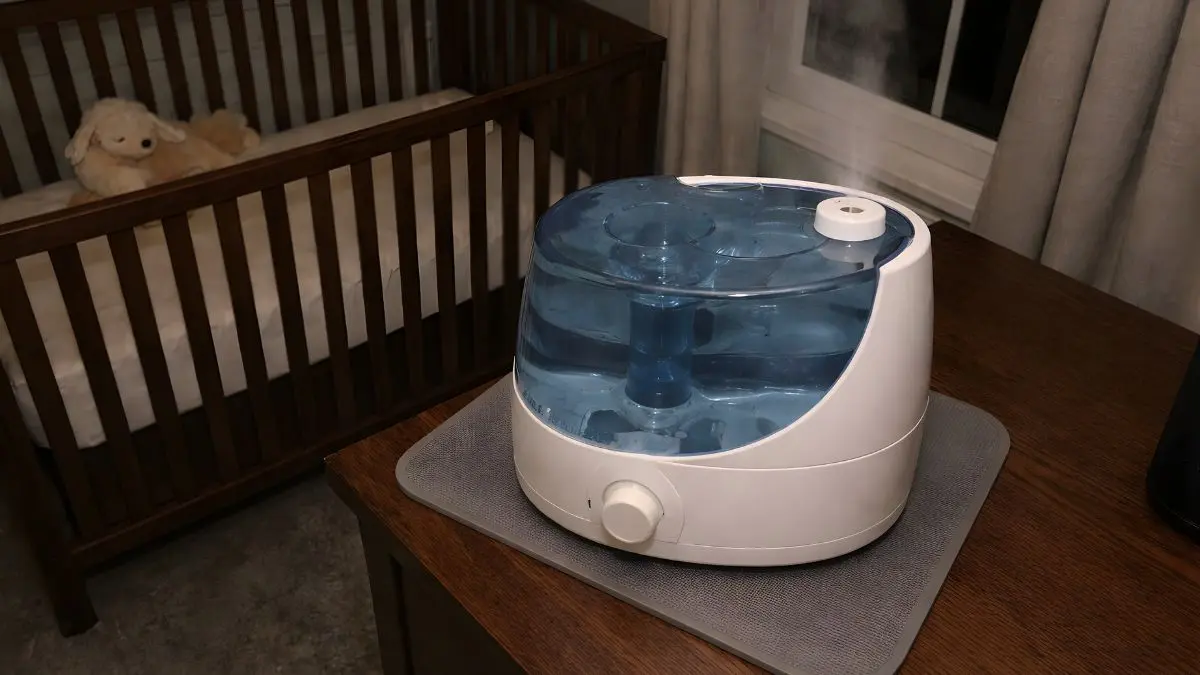
Use a Cool-Mist Humidifier
Dry air can worsen discomfort. A cool-mist humidifier adds moisture, making breathing easier and reducing fluid loss.
Clean the humidifier daily to prevent mold or bacteria buildup.
When to Call the Doctor About Baby’s Fever
Dressing your baby correctly helps, but some fevers need medical attention.
Seek Immediate Medical Care If:
- Baby is under 3 months with fever ≥100.4°F
- Fever lasts more than 24 hours (under 2 years)
- Baby is lethargic, not feeding, or hard to wake
- Rash appears that doesn’t fade under pressure
- Breathing is fast or labored
Even with perfect clothing, some infections require treatment. Don’t delay care out of fear.
Frequently Asked Questions About How to Dress Baby with Fever
What should I dress my baby in when they have a fever?
Dress your baby in one layer of lightweight cotton clothing, like a onesie or sleep sack. Keep the room between 68–72°F. Avoid hats, socks, and extra blankets unless the room is cold.
Can I swaddle my baby if they have a fever?
Yes, but use a thin cotton swaddle and avoid overheating. Never use thick blankets or overdress underneath. Stop swaddling if your baby shows signs of being too warm.
Should I cover my baby with a blanket during a fever?
No. Use a lightweight sleep sack instead of loose blankets. Covering your baby’s head or face increases the risk of overheating and SIDS.
Why does my baby feel hot but have cold hands?
This is common during fever. The body redirects blood to core organs, making hands and feet feel cool. Focus on the torso’s warmth and overall behavior, not extremities.
Can dressing too warmly make a fever worse?
Yes. Overdressing traps heat and can cause the body temperature to rise. Dress your baby in one more layer than you’re wearing and avoid synthetic fabrics.
How often should I check my baby’s temperature during a fever?
Check every 2–4 hours while they’re awake, especially if under 6 months or if the fever is high. More frequent checks are needed if your baby seems unwell or is on medication.
Key Takeaways for Dressing Baby with Fever
Knowing how to dress baby with fever helps keep them safe and comfortable. Stick to lightweight cotton clothing, maintain a cool room (68–72°F), and avoid over-layering. Use one more layer than you’re wearing and skip hats or blankets unless necessary. Monitor for signs of overheating or dehydration, and give fever-reducing medicine when appropriate. Always trust your instincts—if your baby seems unusually ill, contact your pediatrician right away. With the right approach, you can support your baby’s recovery while minimizing discomfort.





