
Baby chicks are fragile and prone to health issues when soiled, especially around the vent. Knowing how to clean baby chicks properly is essential for backyard chicken keepers. The most common problem is caked feces blocking the vent, which can prevent a chick from pooping and lead to serious complications. While it might seem natural to give a dirty chick a bath, full immersion should be avoided unless absolutely necessary. Chicks lose body heat rapidly, and improper cleaning can result in chilling or even death.
The good news is there are safe, effective ways to clean baby chicks without putting them at risk. This guide covers the warm water soak method and the coconut oil technique, both proven to remove stubborn poop safely. You’ll learn the exact water temperature, tools needed, step-by-step procedures, and how to prevent future messes. Most importantly, you’ll understand when cleaning is required—and when to stop and seek veterinary help. By the end, you’ll know exactly how to clean baby chicks humanely, efficiently, and without endangering their health.
When to Clean a Baby Chick
Signs It’s Time to Clean
Only clean a chick when there’s a clear health risk. The main reason is feces stuck around the vent, which can block waste passage and cause infection. Look for:
– A hard, dry clump of poop near the vent
– Matted droppings in the down around the rear
– The chick straining, squeaking, or showing discomfort when trying to poop
– Soiling that doesn’t come off with a dry wipe
If a simple rub with a paper towel removes the mess, no further action is needed. But if the poop is caked and won’t budge, it’s time to intervene.
When to Avoid Cleaning
Never bathe or clean a chick that is:
– Lethargic or lying flat
– Not eating or drinking
– Shivering or hunched over
– Less than 24 hours old
These signs suggest the chick is already stressed or ill. Adding a cleaning process increases the risk of chilling or death. Instead, use spot-cleaning techniques or consult a vet.
Warm Water Soak for Stubborn Poop
Set the Correct Water Temperature
Use lukewarm water between 100–105°F (38–40°C)—the same as a chick’s body temperature. Test it on your wrist; it should feel warm, not hot. A digital thermometer ensures accuracy. Water that’s too hot can burn delicate skin, while cold water causes rapid heat loss.
Prepare a Safe Soaking Area
Use a shallow bowl or sink with just enough water to cover the soiled area. Never submerge the chick—the head must stay completely above water to prevent drowning. Place a non-slip cloth in the container to keep the chick from slipping. Hold it gently but securely during the soak.
Soften and Remove Caked Feces
Lower the chick into the water, supporting its body. Let the dirty area soak for 1–2 minutes to loosen dried poop. Use a soft cloth or cotton ball to gently wipe—never scrub. If the mess doesn’t come off, extend the soak by another minute.
Avoid getting water in the chick’s eyes, nostrils, or mouth, as this can lead to respiratory distress.
Dry and Warm Immediately After
Remove the chick and dry it thoroughly with a soft towel. Pat gently—don’t rub—to avoid damaging down. Return it to a warm brooder set at 95–100°F (35–38°C). Use a heating pad on low under part of the brooder or a heat lamp to maintain warmth.
Watch for signs of chilling: shivering, lethargy, or huddling. A chick must be fully dry and warm within 10–15 minutes to avoid life-threatening cold stress.
Coconut Oil Method for Safe, No-Water Cleaning
Why Coconut Oil Is the Safest Option
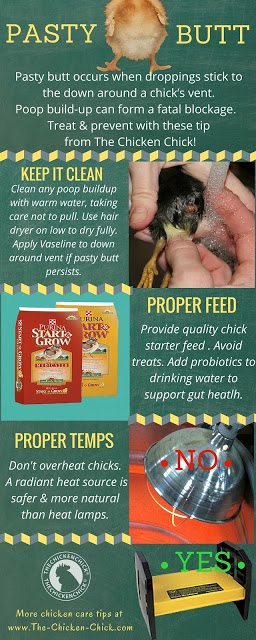
Coconut oil is a gentle, effective alternative to water baths. It softens caked poop without the risk of drowning or chilling. The oil penetrates dried feces, making it easy to remove, and leaves a protective layer that prevents re-caking.
Best of all? No water means no temperature shock—making this the ideal method for weak or tiny chicks.
Apply Oil to Loosen Poop
Take a small amount of solid coconut oil and warm it in your hands until liquid. Gently massage it into the caked area, covering all dried feces.
Let it sit for one minute to break down the material. Then, use toilet paper or a soft cloth to gently pull off the softened poop. Repeat if needed.
Leave a thin layer on the skin and down—it helps prevent future buildup.
Treat Constipation with Internal Oil
If the chick still seems uncomfortable, constipation may be the issue. Take a tiny dab of solid coconut oil and rub it on the chick’s beak.
As the chick grooms itself, it will ingest the oil, which lubricates the digestive tract and helps pass internal blockages.
Do not force the oil. Let the chick take it naturally. Monitor for normal droppings within a few hours.
Prevent Dirty Chicks Before They Happen
Use Paper Towels Instead of Shavings
For the first week, line the brooder with paper towels. They’re easy to clean, don’t stick to wet chicks, and make it simple to spot soiled areas.
Change them 2–3 times daily or whenever wet or dirty. This reduces the chance of poop sticking in the first place.
Check Vents Every Day
Make vent checks part of your daily routine. Gently lift each chick and inspect under the tail. Early detection means you can clean small messes before they harden.
For minor soiling, a damp cotton swab is often enough—no soaking required.
Keep the Brooder Dry and Clean
Moisture makes poop stick. Use shallow waterers to prevent spills and clean wet bedding immediately. Ensure the brooder is well-ventilated but draft-free.
A clean, dry environment means healthier, cleaner chicks.
Emergency Signs: When to Stop and Seek Help
Stop Cleaning If the Chick Is in Distress
Halt the process immediately if the chick:
– Screams, flails, or shows pain
– Becomes lethargic or stops moving
– Starts shivering or gasping
These are signs of stress or chilling. Return the chick to warmth and monitor closely. Do not continue.
When to Call a Veterinarian
Seek professional help if the chick:
– Is hunched over and inactive
– Refuses to eat or drink
– Shows ongoing pain after cleaning
– Has no droppings for more than 6–8 hours
These could indicate internal blockage, infection, or illness that needs medical treatment.
Tools and Supplies You’ll Need

For Warm Water Cleaning:
• Shallow bowl or sink
• Lukewarm water (100–105°F)
• Soft cloth or cotton balls
• Dry towel
• Heating pad or heat lamp
• Thermometer (for water and brooder)
For Coconut Oil Cleaning:
• Coconut oil (solid and liquid)
• Toilet paper or soft cloth
• Cotton swab (for small messes)
For Brooder Maintenance:
• Paper towels or chick-safe bedding
• Shallow waterer
• Food and water dishes
• Thermometer (to monitor brooder temp)
Keep these ready so you can act fast when needed.
Step-by-Step Cleaning Procedures
Warm Water Soak: Quick Guide
- Fill a shallow container with 100–105°F water
- Test with your wrist—should feel warm
- Gently place chick in water, keeping head above
- Soak for 1–2 minutes to soften poop
- Wipe gently with soft cloth
- Remove and dry immediately with towel
- Return to 95–100°F brooder
- Monitor for 30 minutes
Coconut Oil Cleaning: Fast Routine
- Warm a small amount of coconut oil in your hands
- Massage into caked feces
- Wait 1 minute for penetration
- Gently pull off poop with toilet paper
- Repeat if needed
- Leave residue on skin for protection
- If discomfort continues, apply solid oil to beak for internal help
Temperature Safety: Protect Against Chilling
Maintain Proper Brooder Heat
The brooder must stay 95–100°F (35–38°C) in the first week. Use a thermometer to monitor. After cleaning, return the chick to warmth immediately.
A heating pad on low under half the brooder allows chicks to move away if too hot. Never leave heat lamps unattended.
Chilling Is the #1 Risk
Even a 5-minute bath can drop a chick’s body temperature dangerously. Always:
• Dry thoroughly
• Warm quickly
• Monitor behavior
A cold chick will huddle, close its eyes, and stop moving. Act fast—warm it with body heat if needed.
Expert Tips for Stress-Free Cleaning
Clean Early, Clean Often
Prevention beats treatment. Check vents daily and clean small messes before they harden. A quick wipe today avoids a stressful bath tomorrow.
Use Cotton Swabs for Tiny Messes
For minor soiling, a cotton swab dipped in warm water is precise and gentle. Ideal for sensitive or very young chicks.
Coconut Oil Is a Chick Care Essential
It’s not just for cleaning. Coconut oil:
• Softens caked poop
• Prevents re-caking
• Treats constipation
• Supports skin health
Keep it on hand—it’s a must-have for chick care.
Know When to Stop
If the chick is struggling, stop and reassess. Forcing a cleaning can do more harm than good. When in doubt, consult a vet.
Frequently Asked Questions About Cleaning Baby Chicks
Can I give a baby chick a full bath?
No. Full baths are dangerous due to the high risk of chilling and drowning. Only use a shallow warm water soak for the soiled area, and dry the chick immediately. Better yet, use the coconut oil method to avoid water altogether.
How do I remove caked poop from a chick’s vent?
Soak the area in 100–105°F water for 1–2 minutes, then gently wipe with a soft cloth. Or, apply coconut oil, wait one minute, and pull off the softened poop with toilet paper. Never force it.
Is coconut oil safe for baby chicks?
Yes. Coconut oil is safe for external and internal use. It softens caked feces and helps relieve constipation when applied to the beak. Use a tiny amount and let the chick ingest it naturally.
How often should I clean baby chicks?
Only when necessary. Most chicks stay clean with proper brooder management. Daily vent checks and clean bedding prevent the need for frequent cleaning.
What should I do if my chick is cold after cleaning?
Dry it thoroughly and return it to a 95–100°F brooder. Use a heating pad or heat lamp. Monitor closely. If it continues to shiver or huddle, warm it gently with your body heat and seek vet advice.
When should I take a chick to the vet after cleaning?
If the chick is lethargic, not eating, hunched over, or shows no droppings for 6–8 hours, it may have an internal blockage or infection. These require professional care.
Key Takeaways for Safely Cleaning Baby Chicks
Cleaning baby chicks should only be done when absolutely necessary—especially when feces block the vent. The coconut oil method is safer than water baths, eliminating the risks of chilling and drowning. It softens caked poop, prevents re-caking, and can even help with constipation when applied to the beak.
Always prioritize warmth and minimize stress. Use lukewarm water (100–105°F) if soaking, dry immediately, and return the chick to a 95–100°F brooder. Prevent messes by using paper towels, checking vents daily, and keeping the brooder clean and dry.
If a chick shows signs of distress, stop cleaning and seek veterinary help. Remember: when in doubt, skip the bath and call a professional. With the right knowledge, you can keep your chicks clean, healthy, and thriving.





