
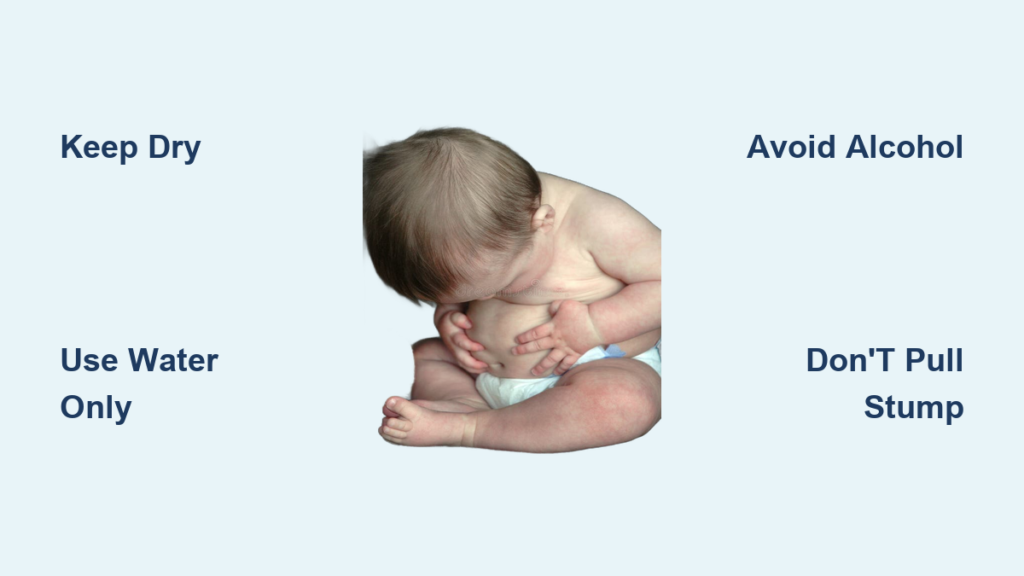
Your newborn’s belly button may seem like a small detail, but it’s actually the site of an important healing process. After birth, the umbilical cord is cut, leaving a stump that must dry, detach, and heal over the next one to three weeks. Proper care during this time helps prevent infection and supports natural healing. The good news? Cleaning your baby’s belly button doesn’t require special products or complicated routines. In fact, the best approach is often the simplest: keep it clean, keep it dry, and leave it alone. This guide walks you through every step—when to clean, how to clean, what to avoid, and when to call the doctor—so you can care for your baby’s navel with confidence.
You’ll learn evidence-based techniques backed by pediatricians, including how to handle soiled diapers safely, when to use water only, and how to spot early signs of infection. Whether your baby’s stump is still fresh or ready to fall off, this guide gives you the tools to support a smooth, complication-free recovery.
Keep the Belly Button Dry to Prevent Infection

Why Air Exposure Speeds Healing
Moisture slows down the healing process and increases the risk of bacterial growth. The umbilical stump needs air to dry out naturally. Keeping it uncovered and exposed to airflow helps it shrink, darken, and detach faster. Avoid wrapping or covering the area with bandages—nature works best when left undisturbed.
Fold Diapers Below the Stump
Always fold your baby’s diaper down so it sits below the belly button. This prevents urine, friction, and trapped moisture from irritating the stump. Many newborn diapers come with a cord cutout—use them whenever possible. If not, roll the top edge of the diaper down to fully expose the area and reduce rubbing.
Choose Loose, Breathable Clothing
Dress your baby in loose-fitting outfits that don’t press against the stump. Onesies with snap shoulders or side openings are ideal because they allow easy access and minimize contact. Avoid tight waistbands or snug fabrics that trap heat and moisture, which can delay healing.
Clean Only When the Area Is Soiled
When to Wipe the Belly Button
You don’t need to clean the belly button every day. Only clean it if it gets dirty from urine, stool, or dried discharge. Over-cleaning can irritate delicate skin and slow healing. The rule is simple: clean only when necessary, and otherwise leave it alone.
Use Warm Water, Not Alcohol or Soap
Never use alcohol swabs, antiseptics, or soap unless your pediatrician recommends it. These can dry out healthy tissue and delay healing. Instead, use a soft cloth or cotton ball soaked in warm water. Gently wipe around the base of the stump—never poke inside the navel or lift the stump.
Pat Dry Gently After Cleaning
After wiping, use a clean, soft towel to pat the area dry. Rubbing can cause irritation or accidentally loosen the stump too soon. Let the belly button air dry for a few minutes before putting on a diaper or clothing to ensure it’s completely dry.
Handle Messy Stumps Safely
How to Clean After a Dirty Diaper
If the stump gets soiled during a change:
– Rinse gently with warm water
– Use a fresh cotton ball or cloth—never reuse one
– Pat dry thoroughly
– Leave the area uncovered for a few minutes if possible
Let water rinse away debris instead of wiping directly, which can increase irritation.
Never Pull or Pick at the Stump
Even if it looks loose or has sticky discharge, do not pull it off. The stump will fall off on its own when ready—usually between 5 and 14 days, though some take up to 3 weeks. Forcing it can cause bleeding or introduce infection. Let nature take its course.
Give Sponge Baths Until the Stump Falls Off

Avoid Tub Baths During Healing
Until the stump detaches and the skin closes, do not submerge your baby in water. Full baths increase moisture and infection risk. Instead, give sponge baths—use a warm, damp cloth to clean one area at a time, avoiding the navel unless it’s soiled.
Resume Regular Baths After Healing
Once the stump has fallen off and the skin is fully closed—typically 1–2 weeks later—you can return to regular tub baths. Even then, gently pat the belly button dry after each bath to prevent moisture buildup.
Watch for Signs of Infection

Redness, Swelling, or Pus Around the Navel
A little redness at the base is normal, but spreading redness, warmth, or swelling is not. These are early signs of infection. Also watch for:
– Yellow or green pus
– Foul-smelling discharge
– Watery or sticky fluid that won’t dry
If you notice any of these, contact your pediatrician right away.
Ongoing Bleeding Needs Medical Attention
A small spot of blood when the stump falls off is normal. But heavy or persistent bleeding is not. If bleeding doesn’t stop after a few minutes of gentle pressure with a clean gauze pad, seek medical advice.
Systemic Symptoms Require Immediate Care
In rare cases, a belly button infection can spread. Call your doctor immediately if your baby has:
– Fever
– Poor feeding
– Lethargy
– Unusual fussiness or lack of activity
These could signal a serious illness and need urgent evaluation.
Avoid Common Cleaning Mistakes
Skip Alcohol Swabs—They Delay Healing
Despite old advice, do not use alcohol to clean the stump. Research shows it can irritate skin and kill healthy tissue, slowing healing. Modern pediatric guidelines recommend water only unless your doctor says otherwise.
Don’t Apply Lotions, Ointments, or Powder
Never put lotions, ointments, or baby powder near the stump. These trap moisture and can introduce bacteria. Only use medicated treatments like silver nitrate if prescribed for a persistent tract.
Stop Over-Cleaning the Area
Cleaning multiple times a day or scrubbing the stump can do more harm than good. Stick to gentle, one-time cleaning when soiled—and otherwise, leave it alone.
Know the Normal Healing Timeline
What to Expect as the Stump Changes
In the first few days, the stump may look moist or pink. Over the next 1–2 weeks, it will:
– Turn darker (brown, red, or black)
– Become dry and crusty
– Shrink and eventually fall off
This is all part of the normal healing process.
Healing After the Stump Falls Off
After detachment, you may see a small pink or red spot with slight moisture or crusting. This should heal within 1–2 weeks. Continue gentle cleaning and drying until the skin is fully closed.
When to Mention Delayed Falling Off
If the stump hasn’t fallen off by 3 weeks, mention it at your next pediatric visit. While some babies take longer, it’s worth checking for infection or other issues.
Care for the Belly Button After the Stump Detaches
Clean Gently Until No Discharge Remains
Even after the stump falls off, the area may still ooze slightly. Continue using warm water and patting dry until there’s no more fluid. Avoid submerging the belly button in water during this time.
Watch for a Persistent Tract
If clear or sticky fluid continues to drain days after the stump falls off, it could mean a persistent urachus or fistula—a rare condition where internal tissue remains connected. A pediatrician may treat this with silver nitrate cauterization or further evaluation.
Follow Pediatrician-Approved Best Practices
Do’s for Safe Healing
✅ Wash hands before touching the area
✅ Keep the stump exposed to air
✅ Use only water for cleaning
✅ Pat dry with a clean towel
✅ Fold diapers down to avoid rubbing
✅ Use a fresh cloth each time
✅ Call the doctor if you notice red flags
Don’ts That Delay Healing
❌ Don’t use alcohol or antiseptics
❌ Don’t pull or tug the stump
❌ Don’t submerge in a bath
❌ Don’t apply ointments or powders
❌ Don’t ignore signs of infection
Key Takeaways for Cleaning Your Baby’s Belly Button
The safest way to care for your baby’s belly button is minimal intervention. Keep the area dry, clean only when soiled with warm water, and let the stump fall off naturally. Avoid outdated practices like alcohol swabs and focus on gentle, evidence-based care. Most stumps heal without issues when these simple steps are followed. If you ever feel unsure or notice warning signs, trust your instincts and call your pediatrician. With patience and consistent care, your baby’s navel will heal cleanly and safely.
Frequently Asked Questions About Cleaning Baby Belly Button
Should I clean my newborn’s belly button every day?
No, you don’t need to clean it daily. Only clean the area if it gets soiled with urine, stool, or discharge. Over-cleaning can irritate the skin and delay healing. Otherwise, leave it alone and keep it dry.
Can I use alcohol to clean the umbilical stump?
No. Modern pediatric guidelines recommend against using alcohol. It can irritate the skin and slow healing. Use only warm water unless your doctor advises otherwise.
What should I do if the belly button bleeds?
A small spot of blood when the stump falls off is normal. If bleeding is heavy or doesn’t stop after a few minutes of gentle pressure with clean gauze, contact your pediatrician.
When can I give my baby a full bath?
Wait until the stump has fallen off and the area is fully healed—usually 1–2 weeks after detachment. Until then, stick to sponge baths to keep the stump dry.
What does an infected belly button look like?
Signs include spreading redness, swelling, pus, foul smell, or persistent discharge. Systemic symptoms like fever or poor feeding also require immediate medical attention.
How long does it take for the stump to fall off?
Most stumps fall off between 5 and 14 days, though some take up to 3 weeks. If it hasn’t fallen off by 3 weeks, mention it to your pediatrician.





