
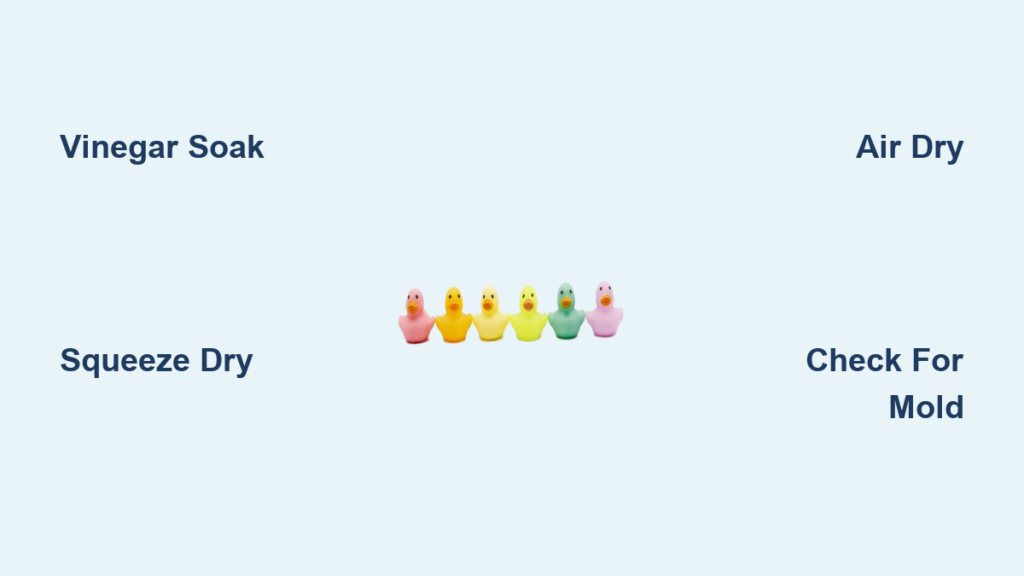
Bath time is fun for babies—but those adorable rubber ducks and floating animals can hide a dirty secret. How to clean baby bath toys is a question every parent should ask, because damp, hole-filled toys are breeding grounds for mold, mildew, and bacteria. Even if they look clean, trapped water inside can lead to musty smells and health risks. The good news? You don’t need special products or complicated tools. With just vinegar, hot water, and a few minutes, you can deep-clean bath toys right in the tub. In this guide, you’ll learn a simple 3-step method, how to dry toys properly, and smart ways to prevent mold long-term—all using supplies you already have at home.
You’ll discover how to spot hidden mold, choose safer toys, and keep everything fresh without harsh chemicals. Whether you’re dealing with squirting whales or floating dinosaurs, this step-by-step plan makes cleaning quick, safe, and stress-free. Let’s get your baby’s bath toys truly clean—inside and out.
Why Baby Bath Toys Get Dirty Fast
Hidden Mold in Squirty Toys
Toys with holes—especially squirty ones—pull in water during play and trap it inside. That moist, dark environment is perfect for mold and bacteria to grow. You might not see it at first, but a cloudy swirl or foul smell when squeezing the toy is a red flag.
Over time, repeated exposure to warm bathwater and humidity accelerates microbial growth. Even brief submersion can leave behind enough moisture to fuel contamination.
Porous Materials Trap Germs
Many bath toys are made from soft plastics or rubber that can develop micro-cracks over time. These tiny pores harbor bacteria and are hard to clean with surface wiping alone. Regular cleaning prevents buildup and extends toy life.
Cheap materials degrade faster, increasing the risk of hidden contamination. High-quality silicone resists wear better and is less likely to trap grime.
Frequent Mouth Contact Raises Risks
Babies explore with their mouths, and bath toys often end up there. If a toy contains mold or bacteria, it can lead to stomach issues or infections. Cleaning isn’t just about freshness—it’s about safety.
Regular sanitizing reduces the chance of illness, especially during cold and flu season or after your child has been unwell.
3-Step Deep Cleaning Method
This quick, no-mess process uses household items and takes less than 15 minutes. No extra basins, no special tools—just your bathtub.
Fill Tub with Hot Water and Vinegar
Run 2 inches of hot water into the empty tub—about a gallon. Add 1 cup of white vinegar and swirl to mix. The heat helps open up material pores, while vinegar naturally kills bacteria and neutralizes odors.
Keep the water warm to hot, but not boiling. Scalding water can warp plastic or weaken glued seams. This solution is safe, non-toxic, and effective for weekly cleaning.
💡 Pro Tip: Keep a spray bottle or jug of vinegar in your bathroom. It’s a safe, affordable cleaner for tiles, drains, and toys.
Soak and Scrub All Surfaces
Place all bath toys in the solution. For extra cleaning power, add 1–2 squirts of mild dish soap—it cuts grime and leaves a fresh scent.
Use a clean toothbrush or small scrubber to gently brush seams, holes, and textured surfaces. Focus on areas where dirt collects, like around eyes, wheels, or spouts.
✋ Skip the pipe cleaners: Instead, squeeze each toy repeatedly underwater. This forces the vinegar solution through internal channels, flushing out trapped gunk naturally.
Let toys soak for 10–15 minutes. No need to extend—vinegar works fast.
Rinse and Air Dry Completely
Drain the tub and rinse each toy under clean, running water. Shake them well to remove excess water from inside.
Lay toys on a dry towel in a sunny, well-ventilated spot. Sunlight has natural disinfecting properties. Avoid stacking or storing toys while damp—this brings back mold.
⏱️ Time Saver: Do this at the end of a bath. Clean toys while your child plays, then rinse and dry overnight.
How to Dry Bath Toys to Prevent Mold
Squeeze Out All Internal Water
After every bath, squeeze each toy firmly to expel trapped water. For toys with small holes, hold them under the tap and squeeze underwater to reverse-flush the chamber.
Make this part of your routine. A quick squeeze takes seconds but prevents days of mold growth.
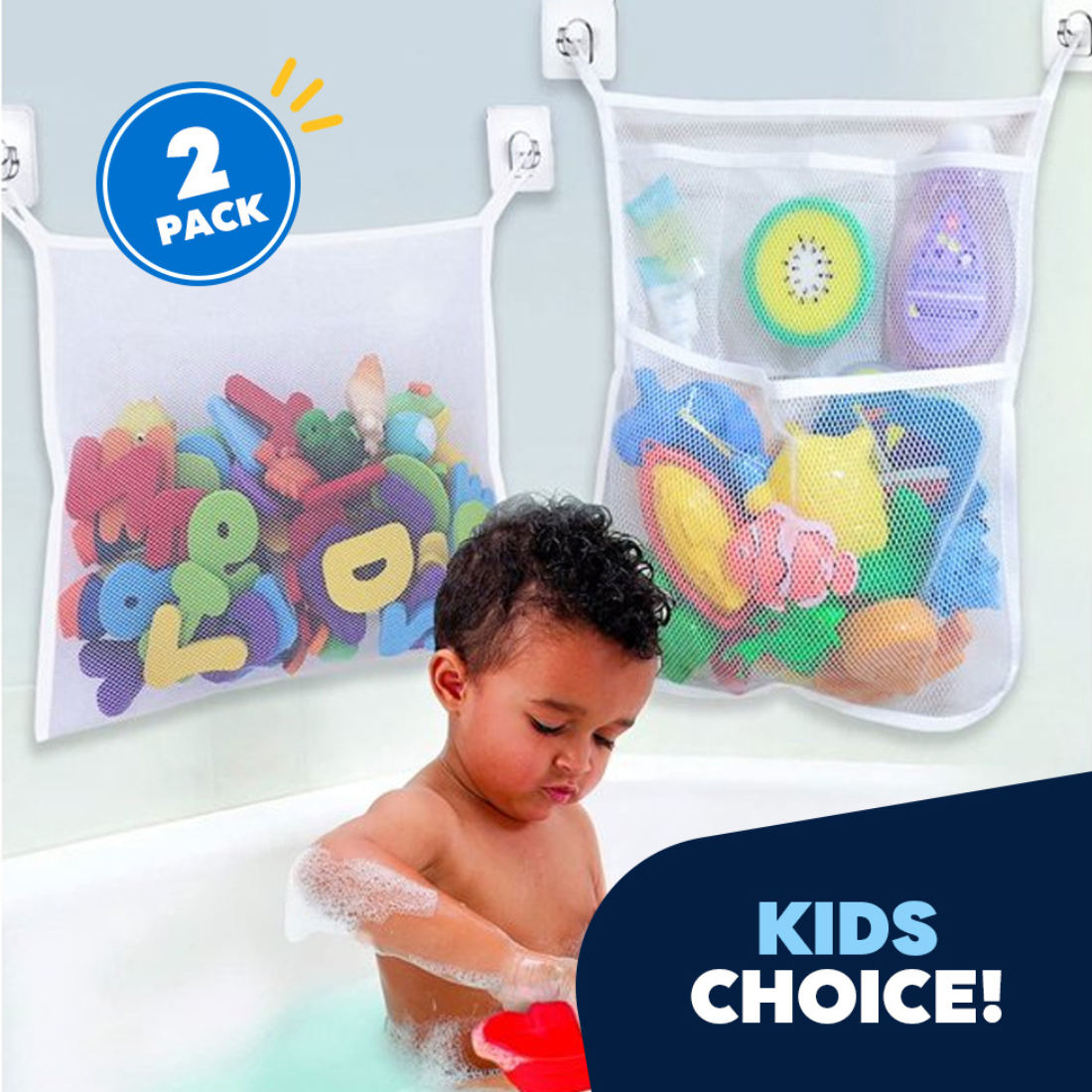
Store Toys in a Mesh Bag
Use a ventilated mesh bath toy bag hung on a hook. It allows air circulation and drains water fast. Never store toys in a sealed plastic bin—they stay wet and grow mold in hours.
Mesh bags also make it easy to grab and go, and they keep toys organized.
Rotate Toys Weekly
Keep two sets of bath toys and rotate them weekly. This gives one set time to dry fully while the other is in use. It’s a simple habit that drastically reduces mold risk.
Label bins “In Use” and “Drying” to stay consistent.
When to Use Bleach (Safely)
Only for Non-Porous, Bleach-Safe Toys
If you want stronger disinfection—especially after illness—a diluted bleach solution can help. But only use it on solid, non-porous toys (no holes, no cracks).
Mix 1 tablespoon of unscented bleach per gallon of water. Soak toys for 5–10 minutes, then rinse thoroughly under running water.
❗ Warning: Never mix bleach with vinegar—this creates toxic fumes. Use one or the other, not both.
Avoid bleach on toys that go in your baby’s mouth. Residue can be harmful, even after rinsing.
How to Spot Moldy Bath Toys
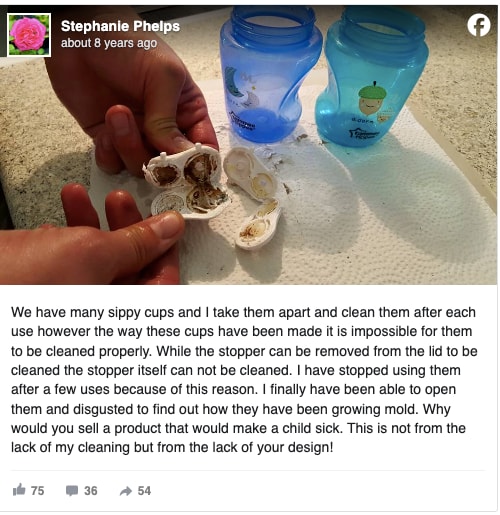
Look for These Warning Signs
- Cloudy water comes out when you squeeze the toy
- Dark specks or streaks inside transparent toys
- Musty or sour smell, even after washing
- Soft or slimy texture on surfaces
If you see any of these, clean immediately. If mold persists, throw the toy away.
Test for Mold with a Flashlight
Hold a small flashlight against the toy’s surface. If you see fuzzy patches or discoloration inside, it’s mold. Clear toys make this easy to spot.
🚫 Don’t try to “save” heavily moldy toys. Once mold sets in, it’s hard to remove completely. Safety first—replace it.
Best Cleaning Tools for Bath Toys
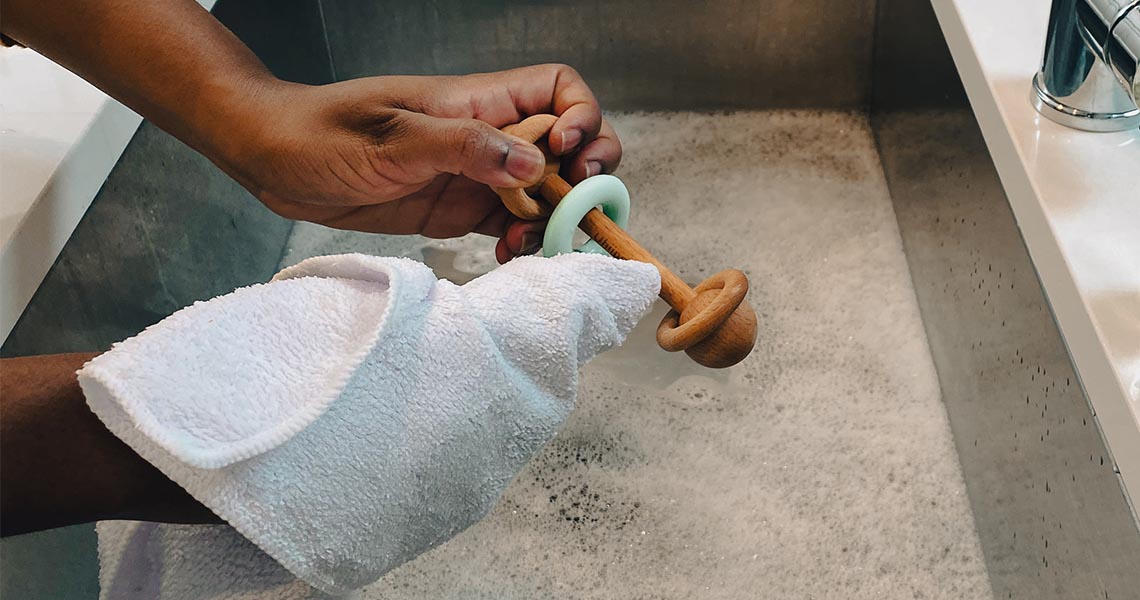
Old Toothbrush (Free and Effective)
A clean, soft-bristled toothbrush reaches small crevices without scratching. Keep one labeled for cleaning only—never reuse a child’s used toothbrush.
Replace it every few months or when bristles fray.
Dishwasher for Hard Plastic Toys
If toys are top-rack dishwasher safe, run them through a hot cycle monthly. The heat and detergent provide deep cleaning with zero effort.
✅ Check labels first: Avoid putting squirty or glued-together toys in the dishwasher—they can break or trap water.
Microfiber Towel for Drying
Use a lint-free microfiber towel to wipe surfaces before air drying. It absorbs more moisture than cotton and reduces drying time.
How Often to Clean Baby Bath Toys
Weekly Cleaning Prevents Buildup
Wipe down toys weekly with soapy water after bath time. Every 7–10 days, do a full vinegar soak to kill hidden germs.
Consistency beats intensity—regular cleaning stops problems before they start.
Deep Clean Monthly or After Illness
Even with regular wiping, schedule a monthly deep clean. If your baby has been sick, clean all bath toys immediately to prevent reinfection.
Clean Before First Use and Rotate
Wash new toys before first bath. And as mentioned, rotate two sets to keep one dry and ready.
How to Choose Mold-Resistant Bath Toys
Look for Solid, No-Hole Designs
Opt for toys without holes—they can’t trap water. Solid rubber or silicone animals, stackable cups, or floating figures are safer choices.
Avoid classic rubber ducks with drain holes unless you commit to daily squeezing.
Prefer Silicone Over Rubber
Silicone is non-porous, durable, and resists mold better than soft rubber. It’s also easier to clean and lasts longer.
Food-grade silicone is especially safe for mouthing babies.
Avoid Glued or Multi-Piece Toys
Toys with glued seams or detachable parts can separate over time, creating hidden pockets for water. Choose one-piece molds when possible.
🌿 Eco Tip: Some brands now make mold-resistant bath toys from food-grade silicone. They cost more but save money and hassle long-term.
Safe Disinfectants for Baby Toys
White Vinegar: Natural and Safe
Vinegar is non-toxic, cheap, and effective against most bacteria and mold. Perfect for families avoiding harsh chemicals.
Use full-strength for spot cleaning or diluted in water for soaking.
Hydrogen Peroxide (3%)
A safe alternative to bleach. Soak toys in 3% hydrogen peroxide for 10 minutes, then rinse well. It kills germs without fumes.
Store in a dark bottle—light degrades its effectiveness.
Baby-Safe Wipes for Quick Cleaning
Use non-toxic, fragrance-free wipes to wipe toys after each bath. Not a substitute for deep cleaning, but helps reduce daily grime.
❌ Avoid essential oils or “natural” sprays—some can irritate baby’s skin or lungs.
When to Throw Away Bath Toys
Cracked, Peeling, or Warped Plastic
If a toy has cracks, peeling paint, or feels brittle, it’s time to replace it. Damaged surfaces harbor bacteria and can shed microplastics.
Discard toys that feel sticky or leave residue on hands.
Persistent Mold After Cleaning
If mold returns within days of cleaning, the toy is compromised. No amount of scrubbing will fix internal contamination.
Missing Parts or Loose Pieces
Small parts can become choking hazards. Discard broken toys immediately.
🗑️ Dispose safely: Seal moldy toys in a bag before trashing to prevent spores from spreading.
Key Takeaways for Keeping Baby Bath Toys Clean
• Clean weekly with vinegar and hot water to prevent mold and bacteria
• Squeeze and dry thoroughly after every bath—never store wet toys
• Choose solid, silicone toys without holes to reduce risk
Make cleaning part of your routine, just like diaper changes or bedtime stories. With these simple steps, you can keep bath time safe, fresh, and fun. Start today: grab your vinegar, fill the tub, and give those toys a real clean. Your baby deserves toys that are as clean as they are cute.
Frequently Asked Questions About Cleaning Baby Bath Toys
Can I clean bath toys in the dishwasher?
Yes, but only if they’re labeled dishwasher safe and have no holes. Place them on the top rack to avoid warping. Avoid putting squirty or glued toys in the dishwasher—they may trap water or break apart.
How do I remove mold from inside a bath toy?
Soak the toy in a vinegar solution and squeeze repeatedly underwater. If mold remains, it’s likely embedded and unsafe. Discard the toy—do not attempt to salvage it.
Is vinegar safe for cleaning baby toys?
Yes, white vinegar is non-toxic, natural, and effective against bacteria and mold. Rinse well after soaking, and always use food-grade vinegar.
Do I need to disinfect bath toys after my baby is sick?
Yes. Clean all bath toys with a vinegar soak or diluted bleach solution (on bleach-safe toys) after illness to prevent reinfection. Rinse thoroughly.
What’s the best way to dry bath toys fast?
Squeeze out water, wipe with a microfiber towel, and place in direct sunlight or a well-ventilated area. Sunlight naturally kills germs and speeds drying.
Are rubber bath toys safe for babies?
Traditional rubber toys with holes are high-risk for mold. Choose solid rubber or silicone versions instead. Inspect regularly for cracks or odors.





