
Your baby feels warm, their face is flushed, and they’re unusually fussy. You wonder: Is my baby overheating? It’s a common concern—especially for new parents. Babies can’t regulate their body temperature like adults, making them far more vulnerable to overheating. Even mild overheating can lead to discomfort, dehydration, or in severe cases, heat exhaustion or increased SIDS risk. The good news? Most overheating incidents are preventable—and early signs are easy to spot if you know what to look for.
This guide will help you recognize the key signs of overheating, distinguish it from fever, respond quickly, and prevent it from happening. You’ll learn how to check your baby’s temperature accurately, what clothing and room settings are safest, and when to seek emergency care. With clear, actionable steps and science-backed guidelines, you’ll gain the confidence to keep your baby cool, comfortable, and safe—day and night.
Check for Warm Skin and a Flushed Face

The most immediate clue your baby is overheating is warm skin. But don’t rely on their hands or feet—these often feel cool even when the core is hot. Instead, place your hand on your baby’s chest, back, or neck. If the skin feels hot, your baby may be too warm.
A red or flushed face is another strong indicator. This happens when blood vessels expand to release heat. While some redness after feeding or crying is normal, persistent flushing—especially with other symptoms—means your baby is struggling to cool down.
Avoid mistaking normal activity-related warmth for overheating. If your baby is calm and well-hydrated, redness may fade quickly. But if the skin stays hot and flushed, take action right away.
Look for Sweating and Damp Hair
Though babies don’t sweat much, sweating is a clear sign of overheating. Check the back of the neck, under the arms, or along the spine for dampness. Wet patches on the crib sheet or a sweaty scalp—even after a nap—mean your baby is too warm.
Damp hair is a visible warning, especially in newborns. If your baby’s hair feels moist without recent bathing, excess layers or a hot room are likely to blame.
Sweating indoors or during sleep is not normal. If you notice it, remove a layer, cool the room, and monitor for other signs like fussiness or rapid breathing.
Identify Heat Rash (Miliaria)
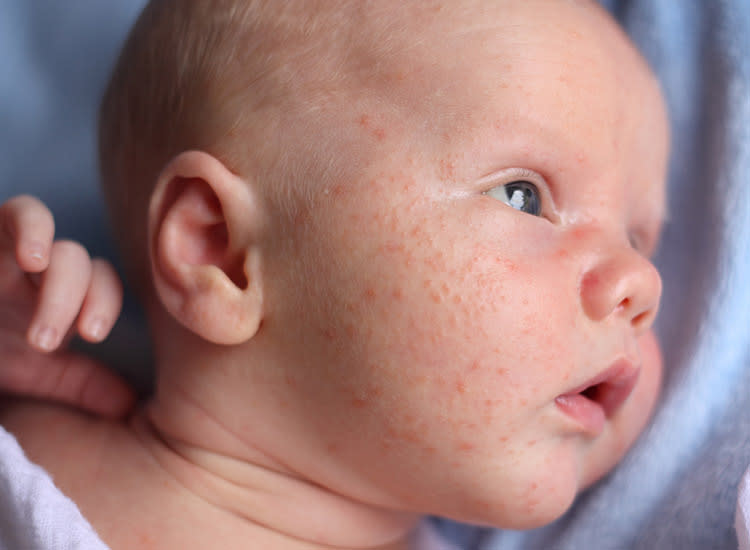
Heat rash appears as tiny red bumps or small blisters, often in skin folds, on the neck, chest, or under clothing. It’s caused by blocked sweat glands and signals that your baby has been too warm for too long.
Common areas include:
– Back of the neck
– Armpits
– Chest
– Skin creases (elbows, groin)
To prevent heat rash:
• Use lightweight, breathable cotton clothing
• Avoid overdressing
• Keep skin dry and clean
If a rash develops, cool your baby down and let their skin breathe. It usually clears within a few days once overheating stops.
Notice Fussiness or Irritability
Excessive crying, restlessness, or difficulty settling can be early signs your baby is too hot. Unlike hunger or fatigue, overheating-related fussiness often persists even after feeding or diaper changes.
Babies can’t tell you they’re uncomfortable—so they show it through behavior. If your baby seems agitated in a warm room or after being bundled up, overheating may be the cause.
Pro tip: Try cooling them slightly—remove a layer or move to a cooler room. If they calm down quickly, heat was likely the issue.
Monitor Feeding and Urination Patterns
Reduced feeding or refusal to eat can signal moderate overheating. A warm baby may lack appetite, even if normally hungry. This is especially concerning because it can lead to dehydration.
Equally important: check wet diapers. A well-hydrated baby should have 6 or more wet diapers per day. Fewer than that? It may mean dehydration from overheating.
Other hydration red flags:
• Dark yellow urine
• Dry mouth or lips
• No tears when crying
If your baby is feeding less and urinating less, act fast—cool them down and offer more frequent breast or bottle feeds.
Watch for Lethargy or Unusual Sleepiness
While fussiness is common, lethargy is a serious warning sign. If your baby is unusually drowsy, hard to wake, or less responsive, overheating may be progressing to a dangerous level.
This can happen quickly in hot environments—like a parked car or a stuffy room. Lethargy means the body is struggling to cope with heat stress.
Do not wait. If your baby is listless or unresponsive, begin cooling and seek medical help immediately.
Identify Rapid or Labored Breathing
Fast breathing is the body’s way of trying to cool down. If your baby’s breaths are noticeably quicker than normal—especially with a flushed face or warm skin—it’s a sign of overheating.
Signs of labored breathing include:
• Flaring nostrils
• Grunting
• Chest retractions (skin pulling in around ribs)
These require immediate action. Move baby to a cooler place, remove layers, and monitor closely. If breathing doesn’t improve, call a healthcare provider.
Know When to Seek Emergency Help
Some symptoms mean medical emergency. Seek help right away if your baby:
• Has a rectal temperature above 100.4°F (38°C)
• Is lethargic or unresponsive
• Is breathing rapidly or struggling
• Has a seizure or appears confused
Overheating is not the same as fever, but both are dangerous in newborns. A fever indicates infection; overheating results from environmental heat. Either way, prompt care is essential.
If in doubt, err on the side of caution. It’s better to get checked than to wait.
Set the Ideal Sleep Environment (68–72°F)
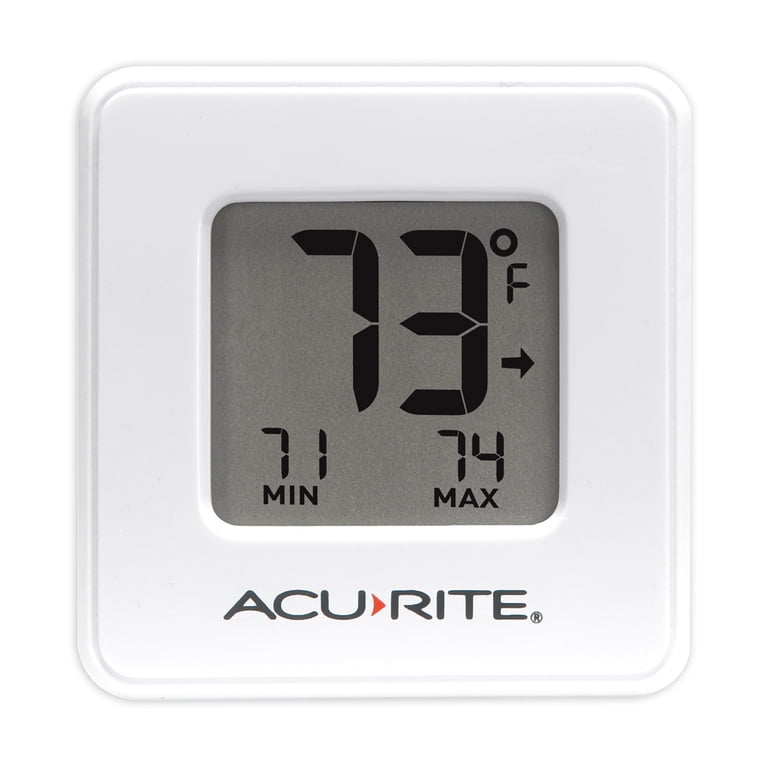
The best room temperature for baby is 68–72°F (20–22°C). This range supports safe sleep and helps regulate body temperature.
Use a baby-safe thermometer to monitor the room—don’t guess. Digital room thermometers with humidity sensors are ideal.
Never let the room exceed 75°F (24°C). Higher temps increase overheating and SIDS risk.
Tips for temperature control:
• Use a programmable thermostat
• Keep bedroom door open for airflow
• Avoid placing crib near radiators or sunny windows
Use Fans and AC Safely
Air circulation helps prevent heat buildup. Use a fan, but don’t point it directly at the baby. Instead, aim it at the wall to circulate air gently.
Air conditioning is safe and effective. Keep it running during hot weather, especially at night.
Avoid sudden temperature drops—cool the room gradually to prevent shock.
Dress Baby in One Extra Layer
Dress your baby in one more layer than you’re wearing. If you’re in a T-shirt, they need a onesie plus a light swaddle or sleep sack.
Overdressing is a leading cause of overheating. Avoid:
• Hats indoors
• Multiple thick layers
• Heavy blankets
Instead, use:
• Lightweight cotton clothing
• Footed sleepers
• Breathable swaddles or sleep sacks
Avoid Dangerous Sleep Coverings
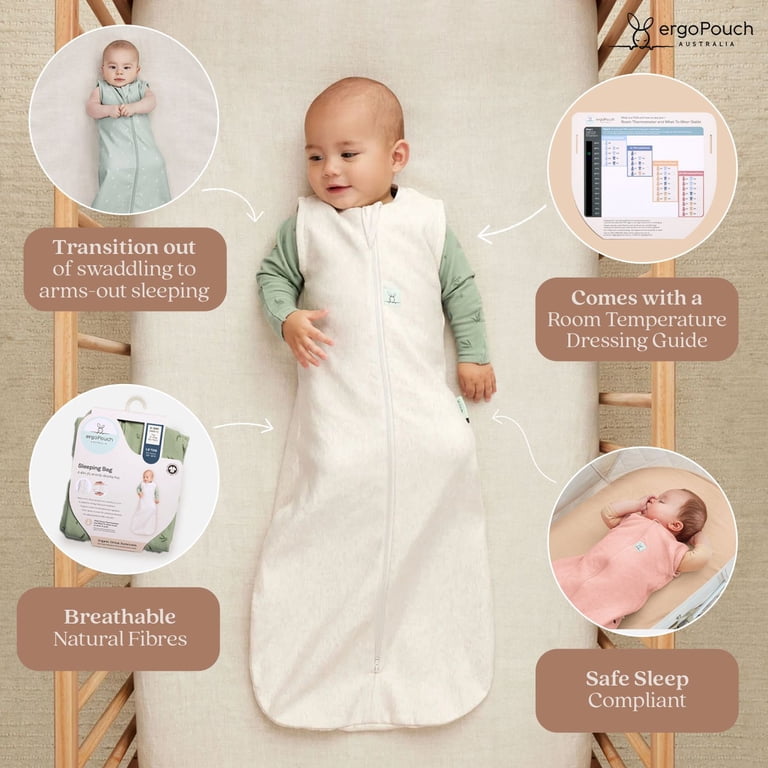
Never use loose blankets, quilts, or thick duvets in the crib. They can trap heat and increase SIDS risk.
Safe sleep alternatives:
• Wearable sleep sacks
• Layered onesies
• Room-temperature-appropriate swaddles
Never cover the car seat with a blanket—it creates a dangerous heat trap. Use a car seat cover designed for airflow instead.
Never Leave Baby in a Parked Car
Even in mild weather, a parked car can become deadly in minutes. On a 70°F day, the interior can hit 90°F in 10 minutes and 100°F in 30.
Never leave your baby unattended in a car, even for “just a minute.” This is the #1 rule for preventing heatstroke.
Use Sunshades and Keep Car Cool
During travel:
• Keep AC on
• Use window sunshades to block direct sunlight
• Dress baby in light, breathable clothes
• Maintain car interior at 68–72°F
Avoid thick car seat covers that trap heat. Opt for breathable, mesh-style covers instead.
Remove Layers and Move to a Cooler Area
If you suspect overheating:
1. Remove excess clothing—start with hats, socks, and swaddles
2. Move to a cooler room or shaded area
3. Wipe face, neck, and chest with a cool, damp cloth
Use lukewarm water, not cold. Cold water or ice can shock a baby’s system.
Offer More Frequent Feeds
Breast milk or formula provides all the hydration a baby needs. Offer more frequent feeds if overheating is mild.
Hydration helps regulate body temperature and prevents dehydration.
Monitor wet diapers—6+ per day is normal. Fewer? Increase feeding frequency and cool the baby down.
Use a Room Thermometer Daily
A digital room thermometer is a must-have. Check it morning and night, especially during sleep.
Place it away from direct sunlight or heat sources for accurate readings.
Set alerts if your model supports them—some smart thermometers notify you if temps rise too high.
Trust Your Parental Instinct
You know your baby best. If something feels off—act on it.
Signs to trust:
• Baby feels hot
• Acting unusually fussy or sleepy
• Skin looks flushed or sweaty
Don’t wait for all symptoms to appear. Early cooling prevents escalation.
Monitor Newborns Closely in First Months
Newborns are most vulnerable to overheating. Their temperature regulation systems are still developing.
Extra precautions:
• Check temperature more often
• Avoid hats unless outdoors in cold weather
• Keep room temp strict (68–72°F)
• Watch for subtle signs like reduced feeding
Even mild overheating can escalate quickly in infants under 3 months.
Prevent SIDS by Avoiding Overheating
Overheating during sleep is linked to increased SIDS risk. Keep sleep areas cool, avoid heavy bedding, and dress baby appropriately.
Safe sleep checklist:
• Firm mattress
• No loose blankets
• Room temp 68–72°F
• Baby on back
• No overheating signs
Frequently Asked Questions About Baby Overheating
How can I tell if my baby is too hot while sleeping?
Feel your baby’s chest, back, or neck. If the skin is warm or sweaty, they may be overheated. Other signs include flushed cheeks, damp hair, or rapid breathing. Avoid checking hands or feet—they often feel cool even when the core is warm.
Is sweating normal in babies?
No, sweating is not normal in cool environments. If your baby is sweating indoors or during sleep, it’s a sign of overheating. Check room temperature and remove a layer of clothing immediately.
Can overheating cause SIDS?
Yes, research shows that overheating increases the risk of SIDS. Keep your baby’s sleep environment cool (68–72°F), avoid heavy blankets, and dress them in lightweight sleepwear to reduce risk.
What should I do if my baby is overheated?
Remove excess clothing, move to a cooler area, and wipe their skin with a cool (not cold) damp cloth. Offer more frequent feeds and monitor for warning signs like lethargy or fast breathing. Seek medical help if symptoms worsen.
How many wet diapers should my baby have each day?
A well-hydrated baby should have 6 or more wet diapers per day. Fewer than that may indicate dehydration from overheating. Increase feeding frequency and cool your baby down if output drops.
Is it safe to use a fan in my baby’s room?
Yes, fans are safe if used correctly. Do not point the fan directly at your baby. Aim it at the wall to circulate air gently. Good airflow helps prevent heat buildup and reduces SIDS risk.
Key Takeaways for Preventing Baby Overheating
Overheating in babies is preventable when you know the signs. Watch for warm skin, flushed face, sweating, fussiness, and reduced feeding. Keep your baby’s room between 68–72°F, dress them in one extra layer, and never leave them in a parked car.
Cool your baby safely with lukewarm cloths, lighter clothing, and increased feeds. Trust your instincts—if something feels off, act fast. When in doubt, consult a healthcare provider. With these steps, you’ll keep your baby safe, comfortable, and healthy in any season.





