
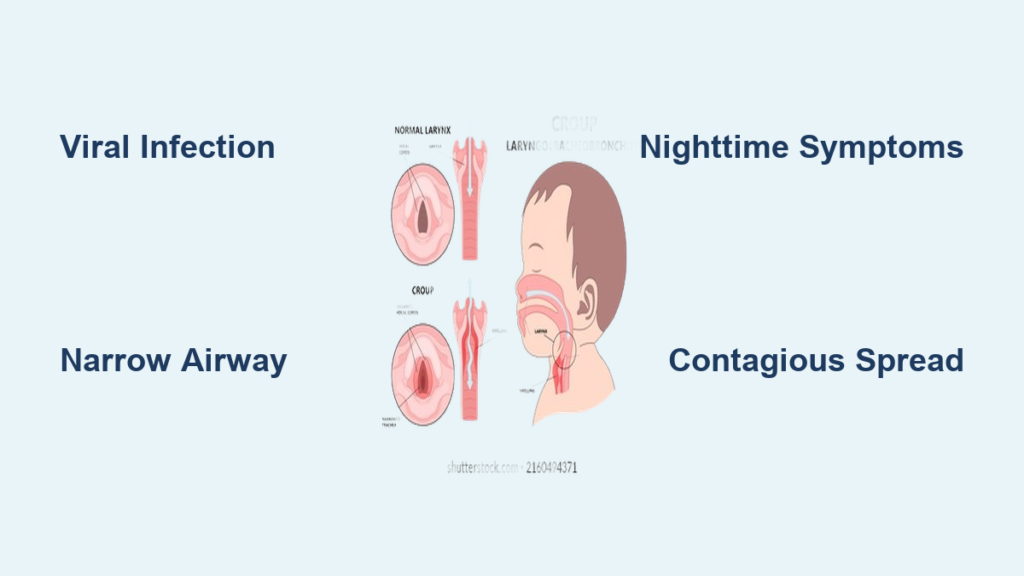
If your baby wakes up suddenly with a cough that sounds like a seal barking, you’re likely wondering: how does a baby get croup? This common respiratory illness affects infants and toddlers when a virus inflames the upper airway—especially the larynx and trachea—causing swelling that narrows the breathing passage. Because babies have tiny airways, even minor inflammation can trigger the classic croup symptoms. Most cases are mild and last just a few days, but understanding how croup develops helps parents respond confidently.
Croup is almost always caused by viruses like parainfluenza, RSV, or influenza, which spread easily through coughs, sneezes, and contaminated surfaces. It’s most common in children between 6 months and 3 years, especially during fall and winter. While the cough can sound alarming, most babies recover fully at home with comfort, hydration, and humidified air. This guide explains exactly how a baby gets croup, how it spreads, and what you can do to ease symptoms and prevent complications.
Viruses That Cause Croup in Babies
Croup is primarily a viral illness, not bacterial. When a virus infects the upper respiratory tract, it causes inflammation and swelling in the larynx and trachea. This narrowing leads to the barking cough and noisy breathing that define croup. Because babies’ airways are so small, even a little swelling can make breathing difficult.
Parainfluenza Virus Is the Leading Cause
The parainfluenza virus, especially type 1, is responsible for most croup cases. It spreads rapidly in daycare centers and homes with older siblings. This virus targets the lining of the voice box and windpipe, causing swelling that leads to hoarseness, stridor, and the seal-like cough. Nearly all children are exposed to parainfluenza by age 5, but only some develop full croup symptoms due to their airway size and immune response.
Other Viruses Linked to Croup
While parainfluenza is the main culprit, other respiratory viruses can also trigger croup:
– Respiratory syncytial virus (RSV)
– Influenza (flu)
– Adenovirus
– Enteroviruses
– Measles virus (rare due to vaccination)
These viruses often start with cold-like symptoms—runny nose, mild fever, congestion—before progressing to croup in susceptible children. Not every child infected will develop croup; it depends on airway anatomy and how their body responds to the virus.
Why Babies Are More Vulnerable to Croup
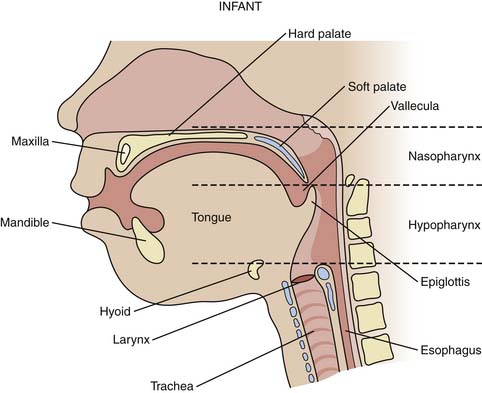
Infants and toddlers are far more likely to get croup than older children because of their developing airways. Their smaller, more flexible tracheas amplify the effects of inflammation, making breathing noisier and more labored.
Narrow Airway Anatomy Increases Risk
A baby’s trachea is about the width of a drinking straw. When a viral infection causes swelling, the available space for air drops dramatically. This is why a mild cold in an adult might only cause a sore throat, but in a baby, it can turn into croup. The narrowed airway creates turbulent airflow, leading to stridor and the barking cough.
Age Range Most Affected by Croup
Croup most commonly strikes children between 6 months and 3 years old, peaking around 1 year of age. By age 6, most kids have outgrown frequent croup episodes because their airways have widened and strengthened. While rare, older children and adults can get croup—usually with milder symptoms due to larger airways.
How Babies Catch the Croup Virus

Croup spreads just like the common cold—through respiratory droplets and contaminated surfaces. Babies are especially at risk in crowded environments where germs circulate easily.
Airborne Transmission Is the Primary Route
When an infected person coughs or sneezes, they release virus particles into the air. A baby nearby can inhale these droplets, allowing the virus to settle in the upper airway. This is why croup spreads quickly in daycare centers, homes with school-aged siblings, and during winter months when people spend more time indoors.
Germs Spread Through Touch and Surfaces
The viruses that cause croup can survive on toys, doorknobs, and tissues for hours. A baby who touches a contaminated surface and then puts their hands in their mouth, nose, or eyes can become infected. This indirect transmission is common in households where one child has cold symptoms and shares toys or utensils.
How Long After Exposure Do Croup Symptoms Appear?
Knowing the timeline helps parents monitor for symptoms and prevent spreading the virus to others.
Incubation Period Lasts 2 to 7 Days
After exposure, it takes 2 to 7 days for symptoms to appear. During this time, the virus multiplies in the respiratory tract, but the baby shows no signs of illness. This silent phase makes it hard to prevent transmission, especially if an older sibling brings the virus home from school.
Child Is Contagious Before and During Symptoms
A baby with croup is most contagious during the first 3 days of symptoms or while they have a fever. However, they can spread the virus up to 1 week before symptoms start and remain contagious for 1–3 weeks afterward. This long contagious period is why croup often spreads through families.
Early Signs That a Baby Has Croup
Croup usually starts like a cold before progressing to more distinctive symptoms. Recognizing the early signs helps parents respond quickly.
Cold-Like Symptoms Come First
Many babies develop:
– Runny or stuffy nose
– Mild fever
– Sneezing
– Slight cough
After 1–2 days, the cough turns into the barking, seal-like sound that defines croup. Symptoms often worsen at night, possibly due to cooler air and lying down, which increases airway resistance.
Nighttime Coughing Spells Are Typical
Parents often notice croup symptoms suddenly in the middle of the night. The barking cough may wake the baby, and breathing can sound raspy or strained. While this is frightening, most cases remain mild. Keeping the child calm and using a cool mist humidifier can help ease symptoms.
When Croup Becomes Severe: Red Flags to Watch For
Most croup cases are mild, but some babies develop serious breathing difficulties. Knowing the warning signs ensures timely care.
Stridor at Rest Means Immediate Attention Needed
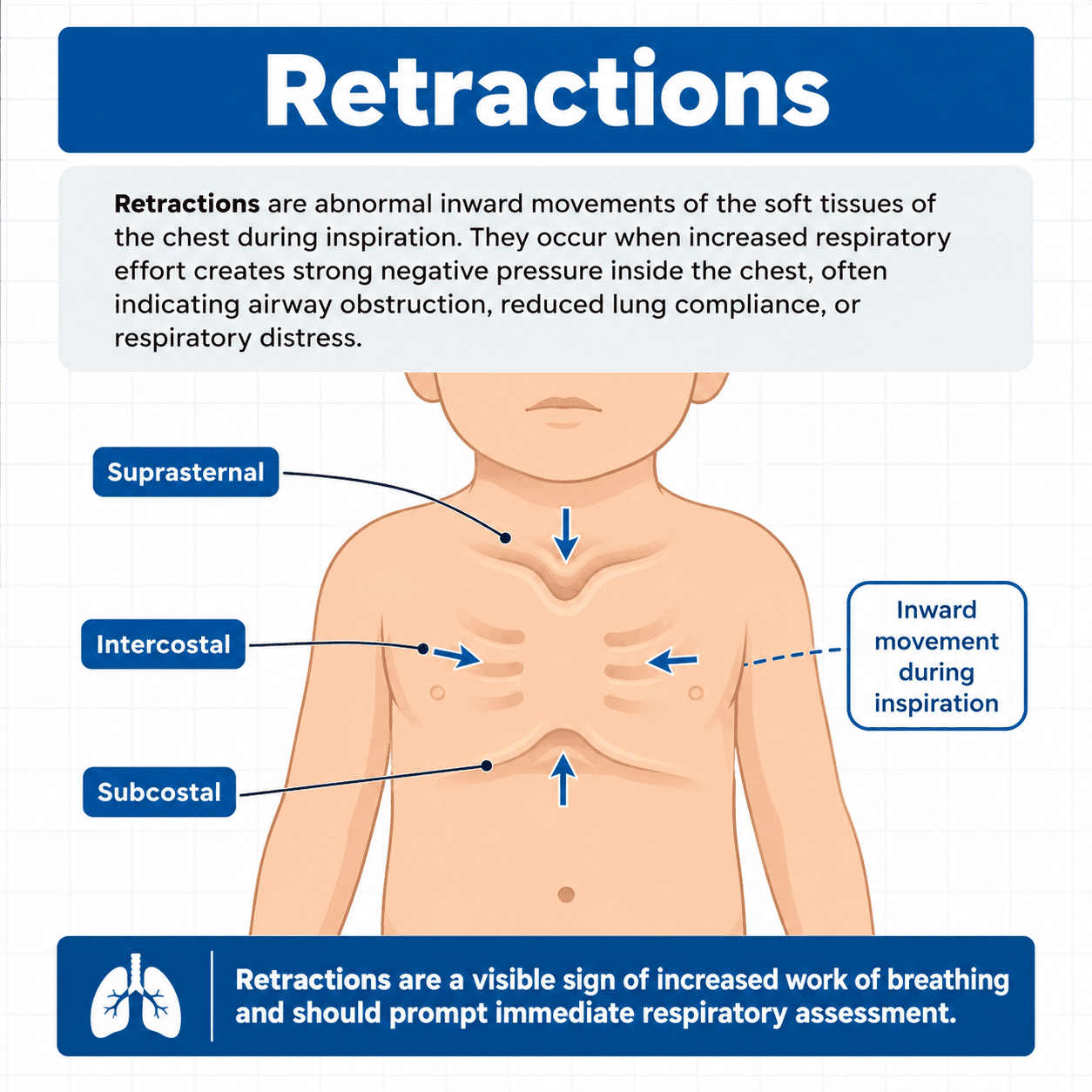
Stridor—a high-pitched, whistling sound when breathing in—is normal during coughing or crying in mild croup. But if it occurs at rest, it signals significant airway narrowing. Other danger signs include:
– Skin pulling in around the ribs or neck (retractions)
– Rapid or labored breathing
– Inability to speak or cry due to breathlessness
– Extreme fatigue or agitation
– Blue-tinged lips or skin (cyanosis)
Emergency Care Is Required for These Symptoms
Seek immediate medical help if your baby:
– Has stridor at rest
– Shows deep retractions
– Turns blue or pale
– Can’t drink or speak
– Appears extremely tired or confused
These signs suggest the airway is severely narrowed and may require steroids or nebulized epinephrine.
How Doctors Diagnose Croup
Doctors usually diagnose croup based on symptoms and the sound of the cough. You can help by recording the cough on your phone.
The Barking Cough Is the Key Indicator
The barking cough is the hallmark of croup. It’s often worse at night and may come in spasms. Recording the cough and playing it for the pediatrician can be helpful—especially if the child is calm during the visit.
Never Check the Throat Yourself
Do not try to look down your baby’s throat. Doing so can trigger a spasm that worsens airway narrowing. Leave examination to healthcare professionals, who may listen to breathing and assess for signs of distress.
Home Care for Mild Croup

Most croup cases can be managed at home. The goal is to keep your baby comfortable and breathing easily.
Use a Cool Mist Humidifier
A cool mist humidifier in the baby’s room adds moisture to the air, helping soothe irritated airways. Avoid hot steam vaporizers, which pose a burn risk. If you don’t have one, sitting in a steamy bathroom for 10–15 minutes may help—though evidence for steam is limited.
Keep Your Baby Upright and Calm
Holding your baby upright can make breathing easier. Crying increases breathing effort and worsens symptoms, so comfort them with gentle rocking or soft talking. Your calmness helps reduce their anxiety.
Offer Fluids Frequently
Keep your baby hydrated with breast milk, formula, water, or diluted juice. Moist fluids soothe the throat and prevent dehydration. Even small sips help if the baby is reluctant to drink.
Safe Medications for Fever and Discomfort
Fever and throat discomfort are common. Over-the-counter medications can help—but only if used correctly.
Acetaminophen or Ibuprofen Are Safe Options
For babies over 6 months, acetaminophen (Tylenol) or ibuprofen (Motrin) can reduce fever and ease pain. Always follow dosing instructions based on weight. These won’t cure croup but can make your baby more comfortable.
Never Give Aspirin to Children
Aspirin should never be given to children under 16 due to the risk of Reye’s syndrome, a rare but serious condition affecting the liver and brain.
What Not to Do: Risky and Ineffective Treatments
Some common remedies can do more harm than good.
Avoid Cough and Cold Medicines
Cough syrups, decongestants, and antihistamines are not recommended for croup. They don’t relieve airway swelling and may cause drowsiness, which is dangerous when breathing is labored. The American Academy of Pediatrics advises against using these in children under 6.
Don’t Rely on Steam
While some parents report relief from steamy bathrooms, scientific evidence does not support steam as an effective treatment. If you try it, never leave the baby unattended, and avoid hot water to prevent burns.
Medical Treatment for Moderate to Severe Croup
When symptoms are serious, doctors may prescribe fast-acting treatments.
Steroids Reduce Swelling Quickly
Dexamethasone or prednisolone—oral steroids—are commonly prescribed. They reduce airway inflammation and usually start working within 6 hours. A single dose is often enough. These medications are safe and effective, even for young infants.
Nebulized Epinephrine for Emergency Cases
In the ER, babies with severe croup may receive nebulized epinephrine. This treatment rapidly shrinks swollen tissues and works within 10 minutes. Because its effects last only 1–2 hours, the child is monitored to ensure symptoms don’t return.
How to Prevent Croup and Stop It from Spreading
Good hygiene reduces the risk of croup spreading in your home and community.
Wash Hands Frequently
Wash hands with soap and water after diaper changes, nose wiping, or caring for a sick child. Use alcohol-based hand sanitizer when soap isn’t available. Teach older siblings to do the same.
Keep Sick Children Home
A child with croup should stay home until:
– Fever-free for 24 hours without fever-reducing medicine
– Cough and other symptoms are improving
– They can breathe comfortably at rest
This helps protect other children and prevents outbreaks.
When Recurrent Croup Needs Medical Evaluation
Most children have croup only once or twice. Frequent episodes may signal an underlying issue.
Recurrent Croup May Indicate Airway Narrowing
If your child gets croup often, they might have a congenital or acquired airway narrowing. This makes them more susceptible to croup with even minor infections. A pediatric ENT can evaluate the airway using imaging or endoscopy.
See a Specialist for Repeat Episodes
Talk to your pediatrician if croup returns multiple times. They may refer your child to an otolaryngologist or pulmonologist to rule out structural problems. Early evaluation ensures proper management.
Key Takeaways for Parents on How Babies Get Croup
Most children recover fully from croup within 3 to 5 days. Symptoms usually peak on nights 2 and 3, then improve. The barking cough may linger for up to a week, but as long as your baby is drinking, alert, and breathing comfortably, recovery is on track. Stay calm—your calmness helps your baby breathe easier. Trust your instincts: if something feels off, contact your pediatrician. With supportive care, most babies bounce back quickly and completely.
Frequently Asked Questions About How Babies Get Croup
What virus causes croup in babies?
The parainfluenza virus is the most common cause of croup, but RSV, influenza, adenovirus, and other respiratory viruses can also trigger it. These viruses infect the upper airway, causing swelling that leads to the barking cough and stridor.
Can a baby catch croup from another child?
Yes, croup spreads easily through respiratory droplets when an infected child coughs or sneezes. Babies can also catch the virus by touching contaminated surfaces and then touching their face. It’s highly contagious, especially in daycare settings.
How long is a baby contagious with croup?
A baby is most contagious during the first 3 days of symptoms or while they have a fever. However, they can spread the virus up to 1 week before symptoms start and remain contagious for 1–3 weeks after symptoms appear.
Why does croup happen more at night?
Croup symptoms often worsen at night due to cooler air and lying down, which increases airway resistance. Additionally, natural cortisol levels drop at night, potentially reducing the body’s ability to reduce inflammation.
Can a baby get croup more than once?
Yes, children can get croup multiple times. Since different viruses can cause it, and immunity isn’t always long-lasting, repeat episodes are possible. Frequent croup may indicate an underlying airway issue and should be evaluated by a doctor.
Is croup dangerous for babies?
Most cases of croup are mild and resolve at home. However, severe croup can be life-threatening if the airway narrows significantly. Seek emergency care if your baby has stridor at rest, retractions, or blue-tinged skin.





