
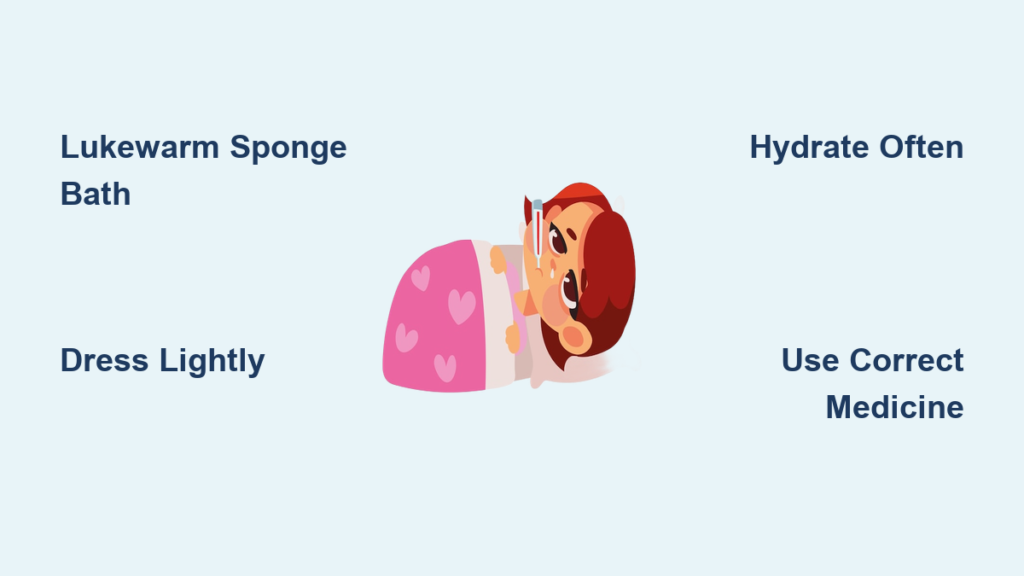
A fever in a baby can be alarming, but knowing how to lower baby fever the right way helps you respond calmly and effectively. While fever is a natural response to infection, it needs careful handling—especially in infants under 1 year. This guide gives you clear, doctor-approved steps to reduce your baby’s temperature safely at home, recognize danger signs, and avoid common mistakes. You’ll learn when to use medication, how to keep your baby comfortable, and most importantly, when to call the pediatrician.
Lowering baby fever isn’t just about bringing down the number on the thermometer—it’s about keeping your little one hydrated, rested, and stable. Whether it’s a low-grade spike or a high fever, the right care makes a big difference. From safe sponge baths to proper dosing of infant medicine, this article walks you through every step to protect your baby’s health and ease your worries.
Recognize When Baby Fever Requires Immediate Care

When to Call the Doctor Based on Age and Temperature
A baby’s age determines how serious a fever is. For infants under 3 months, a rectal temperature of 100.4° F (38° C) or higher is a medical emergency. Call your pediatrician immediately—even at night. At this age, a baby’s immune system is too weak to fight infections alone, and early treatment is critical.
For babies 3 to 6 months old, contact your doctor if the fever reaches 101° F (38.3° C) or higher. If your baby is 6 to 12 months, a fever over 103° F (39.4° C) needs medical evaluation, especially if it lasts more than 24 hours or is accompanied by other symptoms like vomiting or rash.
Watch for Emergency Symptoms With Fever
A fever becomes dangerous when paired with warning signs. Seek urgent care if your baby:
• Has trouble breathing or breathes rapidly
• Develops a bluish tint around the lips or face
• Is unusually fussy or too lethargic to wake up
• Refuses to drink fluids for over 8 hours
• Has a rash that doesn’t fade when pressed
• Experiences a seizure or jerking movements
These could signal serious conditions like meningitis or sepsis. Don’t wait—get medical help right away.
Use Safe and Effective Home Methods to Reduce Fever
Give a Lukewarm Sponge Bath the Right Way
One of the safest ways to lower baby fever naturally is a lukewarm sponge bath. Fill a sink or basin with 2–3 inches of water at 85–90° F (29–32° C)—just slightly warm to the touch.
Undress your baby and gently wipe their arms, legs, chest, and back with a soft cloth. Focus on areas with good blood flow like the forehead, armpits, and groin to help release heat.
Stop if your baby starts to shiver. Shivering means the water is too cool and can raise body temperature. Never use cold water, ice, or alcohol—these can be harmful.
Dress Baby in Light, Breathable Clothing
Overdressing traps heat and makes fever worse. Dress your baby in one light layer, such as a cotton onesie, and keep the room between 68–72° F (20–22° C).
Avoid hats, heavy blankets, or tight swaddling. If your baby feels hot, remove a layer. If they’re shivering, add a light blanket only until the shivering stops, then remove it.
Keep Fluids Coming to Prevent Dehydration
Fever increases fluid loss through sweat and faster breathing. Dehydration can make your baby feel worse and slow recovery.
For breastfed babies, nurse more often—even every hour if needed. Breast milk provides hydration and immune support. For bottle-fed infants, offer smaller amounts of formula more frequently.
If your baby is over 6 months and eats solids, offer small sips of water between feeds. Avoid juice or sports drinks—they can worsen dehydration.
Know When and How to Use Fever Medicine

Choose the Right Infant Fever Reducer
If your baby is fussy, uncomfortable, or having trouble sleeping, medicine can help. The only two safe options for infants are:
• Acetaminophen (Tylenol®) – Safe for babies 2 months and older
• Ibuprofen (Motrin® or Advil®) – Safe for babies 6 months and older
Never give aspirin. It can cause Reye’s syndrome, a rare but life-threatening condition.
Follow the Correct Dosage for Your Baby’s Weight
Always use the infant-specific formula and the measuring device included in the package. Giving too much can harm the liver (acetaminophen) or kidneys (ibuprofen).
Dosing is based on weight, not age. Check the label or ask your pediatrician for the right amount. If you’re unsure, call your doctor before giving any medicine, especially for babies under 2 years.
Give Medicine Only When Needed
Don’t wake a sleeping baby to give fever medicine. If your baby is resting comfortably, let them sleep. The goal is comfort, not a perfect temperature.
Fever reducers usually start working in 30–60 minutes and may lower the temperature by 1–2 degrees. That’s normal. The medicine won’t make the fever disappear, and it doesn’t need to.
Avoid Dangerous Fever-Reducing Myths
Never Use Cold Baths or Ice Packs
Cold water or ice baths may seem like a fast fix, but they can cause shivering. Shivering makes the body generate more heat, which can raise the core temperature.
Stick to lukewarm water and gentle sponging. Focus on cooling the skin gradually, not rapidly.
Don’t Overuse or Mix Medications
Giving doses too close together or combining acetaminophen and ibuprofen without medical advice can be risky. Most infant medicines should be given every 4–6 hours, not more often.
If the fever returns early, try cooling methods and hydration instead of giving another dose ahead of schedule.
Avoid Alcohol Rubs Completely
Some old remedies suggest rubbing alcohol on the skin to cool a baby. This is dangerous. Alcohol can be absorbed through the skin and lead to poisoning, especially in young infants.
Only use water-based cooling techniques.
Track Fever Trends and Signs of Recovery

Check Temperature the Right Way and Often
For babies under 3 months, use a digital rectal thermometer—it’s the most accurate. For older infants, temporal (forehead) or tympanic (ear) thermometers can work if used correctly.
Check the temperature every 2–4 hours during a fever. Write down each reading with the time to spot patterns.
A fever that keeps rising or lasts more than 24–48 hours in a baby under 2 years needs a doctor’s evaluation.
Look for Signs Your Baby Is Getting Better
Your baby is recovering if you notice:
• More alertness and interaction
• Improved feeding and at least 6 wet diapers a day
• Stable or falling temperature for 12+ hours
• Smiling or responding to your voice
Even after the fever breaks, keep monitoring for another day or two. Some infections can return.
Prevent Future Fevers With Smart Parenting Habits
Practice Consistent Hand Hygiene and Cleanliness
Many fevers start with viruses. Reduce the risk by:
• Washing hands before touching your baby
• Keeping sick siblings away when possible
• Avoiding crowded places during cold and flu season
• Regularly cleaning pacifiers, bottles, and toys
Clean hands are the best defense against infection.
Keep Up With Vaccination Schedules
Vaccines prevent serious infections that cause high fevers. Make sure your baby gets all recommended shots on time, including:
• DTaP (diphtheria, tetanus, pertussis)
• Hib (Haemophilus influenzae type b)
• PCV13 (pneumococcal)
• MMR (measles, mumps, rubella)
Vaccinated babies often have milder symptoms if they do get sick.
Learn Your Baby’s Normal Temperature Range
A baby’s normal temperature can vary from 97° F to 100.3° F (36.1–37.9° C). It may rise slightly after feeding, crying, or a warm bath.
Knowing your baby’s baseline helps you spot a true fever faster and avoid unnecessary worry.
Frequently Asked Questions About Lowering Baby Fever
When should I worry about my baby’s fever?
Call your pediatrician immediately if your baby is under 3 months and has a fever of 100.4° F or higher. For older infants, seek help if the fever is over 103° F, lasts more than 24–48 hours, or comes with trouble breathing, rash, or extreme fussiness.
Can I use a cold bath to bring down my baby’s fever?
No. Cold baths, ice, or cold packs can cause shivering, which raises body temperature. Use a lukewarm sponge bath instead and stop if your baby shivers.
How often can I give my baby Tylenol for fever?
Infant acetaminophen (Tylenol) can be given every 4–6 hours as needed, but never more than five doses in 24 hours. Always follow the dosage based on your baby’s weight and consult your doctor if unsure.
Is it safe to mix Tylenol and Motrin for baby fever?
Only do this if directed by your pediatrician. While alternating medicines is sometimes recommended, it can lead to dosing errors. Never combine them without medical advice.
What should I do if my baby is shivering with a fever?
Shivering can mean the room is too cool or your baby is overdressed. Add a light blanket until the shivering stops, then remove it. Never use cold water or ice. If shivering continues, call your doctor.
Can teething cause a high fever in babies?
No. Teething may cause a slight temperature rise, but not over 100.4° F. A true fever is a sign of infection, not teething. Always investigate other causes.
Key Takeaways for Safely Lowering Baby Fever
Lowering baby fever safely means combining gentle home care with smart medical decisions. Focus on keeping your baby hydrated, dressed lightly, and comfortable. Use lukewarm sponge baths and approved medicines like acetaminophen or ibuprofen when needed—but only as directed.
For babies under 3 months, any fever is an emergency—call your doctor right away. Avoid dangerous myths like cold baths or alcohol rubs. Track the fever pattern and watch for signs of improvement like better feeding and alertness.
If you’re ever unsure, call your pediatrician. Your baby’s health is worth the extra call, and early action can prevent serious complications.





