
You may have searched for “how to avoid autism in babies” hoping for a clear path to prevention. But the most important truth—supported by decades of scientific research—is that autism cannot be avoided or prevented through parenting choices, diet, or lifestyle changes. Autism Spectrum Disorder (ASD) is a neurodevelopmental condition with deep biological roots, shaped by genetics and prenatal factors largely beyond parental control.
What you can control—and what makes a profound difference—is creating a nurturing environment, recognizing early signs, and acting quickly if developmental concerns arise. While autism isn’t something to “avoid,” early support can dramatically improve outcomes. This guide will help you understand what science says about autism risk, dispel harmful myths, and focus on what truly matters: fostering healthy development and ensuring timely intervention when needed.
Autism Cannot Be Prevented
Biological Roots of Autism
Autism is not caused by how a parent raises their child, what they feed them, or how much they play with them. Research consistently shows that ASD arises from a combination of genetic predispositions and prenatal environmental influences, such as maternal health, certain infections during pregnancy, or complications at birth. These factors affect brain development before a child is even born.
There is no known way to “prevent” autism because it is not a disease or the result of poor parenting—it’s a natural variation in human neurology.
No Lifestyle Changes Guarantee Prevention
Despite widespread misinformation, no diet, supplement, behavioral strategy, or parenting technique has been proven to prevent autism. Efforts to “avoid” autism often stem from misunderstanding or fear, but they can lead to guilt, shame, and distraction from what really helps: early recognition and support.
Focusing on prevention can also delay access to critical services. Instead, parents should focus on promoting overall developmental health and being alert to early signs.
Debunking Common Myths
Vaccines Do Not Cause Autism
One of the most persistent and harmful myths is that vaccines cause autism. This claim originated from a fraudulent and retracted study. Since then, dozens of large-scale studies across millions of children have found no link between vaccines and autism.
- The MMR (measles, mumps, rubella) vaccine does not increase autism risk.
- Thimerosal, a preservative once used in vaccines, has been extensively studied and cleared of any association with autism.
- Avoiding vaccines puts children at risk for serious, preventable diseases.
Bottom line: Vaccinate on schedule. It protects your child’s health and does not contribute to autism.
Parenting Style Doesn’t Cause Autism
Another outdated myth—now thoroughly debunked—is the idea that cold or unloving parenting causes autism. This “refrigerator mother” theory from the 1950s caused immense guilt and has no scientific basis.
Children with autism often struggle with eye contact, social cues, or verbal communication—not because they weren’t loved, but because their brains process social information differently.
You are not to blame. Autism is not a reflection of your parenting.
Early Signs of Autism in Babies
Social Interaction Red Flags
Even in infancy, some signs may suggest autism risk. These are not definitive diagnoses but signals to monitor and discuss with your pediatrician:
- Lack of eye contact by 6 months
- No big smiles or joyful expressions by 6 months
- Limited response to name by 9–12 months
- No back-and-forth sharing of sounds, smiles, or gestures by 9 months
- No pointing, waving, or showing objects by 12 months
These signs don’t mean your baby has autism—but they do warrant closer attention.
Communication Delays
Language development is a key area where early differences may appear:
- Delayed babbling (before 12 months)
- No single words by 16 months
- No two-word phrases by 24 months
- Loss of previously acquired words or social skills (regression)
Regression occurs in about 15–30% of children later diagnosed with autism and should always prompt evaluation.
Repetitive Behaviors and Sensory Sensitivities
Even young toddlers may show early signs of restricted interests or repetitive actions:
- Hand-flapping, rocking, or spinning frequently
- Intense focus on parts of toys (e.g., wheels)
- Extreme reactions to sounds, textures, or lights
- Strong need for routine; distress over small changes
These behaviors may seem subtle at first but become more noticeable over time.
Supportive Practices for All Babies

While autism can’t be prevented, every child benefits from responsive, stimulating care. These evidence-based practices support healthy brain development and help you notice concerns early.
Engage in Face-to-Face Interaction
From day one, your baby learns by watching your face. Make time for:
- Eye contact during feeding and play
- Exaggerated facial expressions (smiling, surprise)
- Responsive cooing and babbling—treat baby’s sounds like conversation
This builds social awareness and helps you notice if your child avoids eye contact or doesn’t respond to your expressions.
Play Turn-Taking Games
Simple games build foundational social skills:
- Peek-a-boo (teaches object permanence and shared attention)
- Pat-a-cake (supports rhythm and imitation)
- Rolling a ball back and forth (practices joint engagement)
Children who later receive an autism diagnosis often show less interest in these reciprocal games.
Read Together Daily
Reading isn’t just for language—it’s social-emotional training. Choose books with:
- Clear pictures of faces and emotions
- Simple stories with cause-and-effect
Talk about how characters feel: “Look, she’s sad! Her face is frowning.” This helps babies learn to read social cues.
Respond to All Communication Attempts
Whether your baby points, grunts, or gestures, respond as if they’re speaking. Say, “You want the ball? Here’s the red ball!” This encourages communication and shows them their voice matters.
Children with autism may use fewer gestures or not point to share interest—something you’re more likely to notice if you’re tuned in.
Track Developmental Milestones
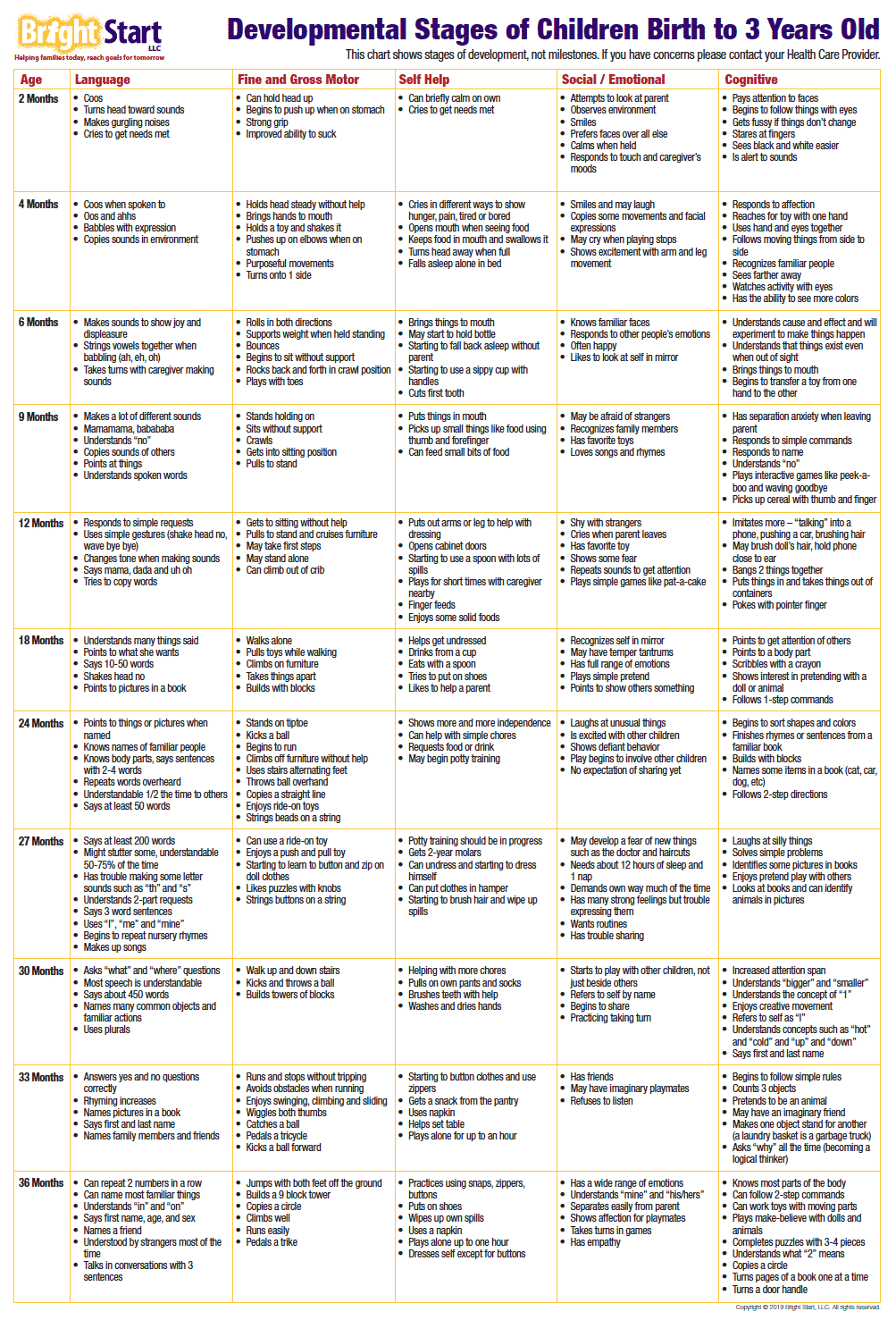
Key Milestones by Age
Monitoring development helps catch delays early. Here’s what to expect:
| Age | Milestone |
|---|---|
| 2 months | Smiles at people |
| 4–6 months | Laughs, babbles, responds to name |
| 6–8 months | Sits without support, plays social games |
| 12 months | Says first words, points, waves |
| 15 months | Walks independently |
| 24 months | Uses two-word phrases, imitates activities |
Missed milestones don’t mean autism, but they do mean it’s time to talk to your pediatrician.
Use Screening Tools
Two widely used tools can help assess risk:
- ASQ (Ages & Stages Questionnaire): Screens general development
- M-CHAT (Modified Checklist for Autism in Toddlers): Screens for autism-specific behaviors
These are not diagnostic tools—but they help determine whether further evaluation is needed.
Ask your pediatrician to administer them at 18- and 24-month well-child visits.
Seek Early Intervention Promptly
Why Timing Matters
The brain is most adaptable in the first three years of life. Early intervention can reshape neural pathways, improve communication, reduce challenging behaviors, and support social growth.
Children who receive therapy before age 3 often show greater gains than those who start later.
What Early Intervention Includes
If concerns are raised, your child may qualify for free or low-cost services through early intervention programs (available in all U.S. states for children under 3).
Common therapies include:
- Speech therapy: Builds language and communication skills
- Occupational therapy: Helps with sensory processing and motor skills
- Behavioral therapy: Teaches new skills using positive reinforcement (e.g., ABA)
- Developmental therapy: Focuses on play, social interaction, and daily living skills
These services are tailored to your child’s needs—not a label.
How to Start the Process
- Talk to your pediatrician about concerns
- Request a developmental evaluation
- Contact your state’s early intervention program
- Get a diagnosis if needed (from a developmental pediatrician, psychologist, or neurologist)
Don’t wait. Early action makes a lasting difference.
Prenatal Health: What You Can Control

Focus on Overall Neurodevelopment
While you can’t prevent autism, you can support healthy fetal brain development:
- Attend all prenatal care appointments
- Take prenatal vitamins with folic acid (linked to reduced risk of some neurodevelopmental issues)
- Avoid alcohol, tobacco, and recreational drugs
- Manage chronic conditions like diabetes or high blood pressure
- Treat infections promptly (e.g., rubella, cytomegalovirus)
These steps support general brain health but do not eliminate autism risk.
No Proven Prenatal Prevention
Despite ongoing research, no prenatal test or intervention can predict or prevent autism with certainty. Some studies suggest associations between certain factors (like advanced parental age or preterm birth) and increased risk, but these are not causes—and most children with these risk factors do not develop autism.
Avoid unproven supplements or extreme diets marketed as “autism prevention.” They lack evidence and may harm you or your baby.
The Role of Parents: Support, Not Blame
Build a Nurturing Environment
Your love, consistency, and responsiveness are powerful tools. Children with autism thrive when they feel safe, understood, and supported.
- Be attuned to your child’s cues
- Create predictable routines
- Celebrate small progress
- Focus on connection, not perfection
You don’t need to “fix” your child. You need to understand and support them.
Trust Your Instincts
If something feels off—if your baby isn’t responding, isn’t babbling, or seems disconnected—trust your gut. Parents are often the first to notice developmental differences.
Don’t let anyone dismiss your concerns with “wait and see.” Early evaluation is safe, non-invasive, and could be life-changing.
Connect with Support
You’re not alone. Many families navigate autism with strength and joy. Consider:
- Parent support groups
- Autism advocacy organizations (e.g., Autism Speaks, Autistic Self Advocacy Network)
- Early intervention family training programs
Knowledge and community reduce stress and empower action.
Key Takeaways for Supporting Your Baby’s Development
What Parents Should Do
Instead of trying to “avoid” autism, focus on:
- Providing loving, responsive care
- Monitoring developmental milestones
- Engaging in interactive play
- Seeking evaluation early if concerns arise
- Accessing evidence-based interventions quickly
These actions support all children—and make the biggest difference for those with autism.
What to Avoid
- Blaming yourself or others
- Following unproven “cures” or restrictive diets
- Delaying evaluation due to fear or stigma
- Relying on internet rumors instead of medical advice
Autism is not a failure. It’s a different way of experiencing the world.
Core Message
You cannot prevent autism—but you can create a world where your child thrives. Whether or not your baby develops autism, responsive parenting, early detection, and timely support are the most powerful tools you have.
Focus on connection, not control. On care, not cure. On growth, not guilt.
Because every child deserves to be seen, understood, and loved—exactly as they are.
Frequently Asked Questions About Autism in Babies
Can autism be prevented during pregnancy?
No, autism cannot be prevented during pregnancy. While prenatal health—like taking folic acid, avoiding alcohol, and managing chronic conditions—supports overall brain development, there is no known way to prevent autism. The condition stems from complex genetic and biological factors that are not fully controllable.
Are there early signs of autism in babies under 1 year?
Yes, early signs can appear before age 1. These include limited eye contact, lack of big smiles by 6 months, no response to name by 9–12 months, and absence of back-and-forth gestures like babbling or waving. These signs don’t confirm autism but should prompt discussion with a pediatrician.
Does breastfeeding prevent autism?
No, there is no scientific evidence that breastfeeding prevents autism. Breastfeeding offers many health benefits, but autism is not influenced by feeding method. The condition is rooted in neurodevelopment that begins before birth.
Can vaccines cause autism?
No. Over 25 large-scale studies involving millions of children have found no link between vaccines and autism. The original claim has been retracted and discredited. Vaccines are safe and essential for protecting your baby from serious diseases.
What should I do if I notice developmental red flags?
Talk to your pediatrician right away. Request a developmental screening using tools like the ASQ or M-CHAT. Early evaluation leads to early support, which can significantly improve outcomes. Don’t wait—timely action is critical.
Is autism genetic?
Yes, genetics play a major role in autism. Many genes are involved, and having a sibling or parent with autism increases the likelihood. However, genetics alone don’t determine outcome—environmental and biological factors also contribute in complex ways.





