
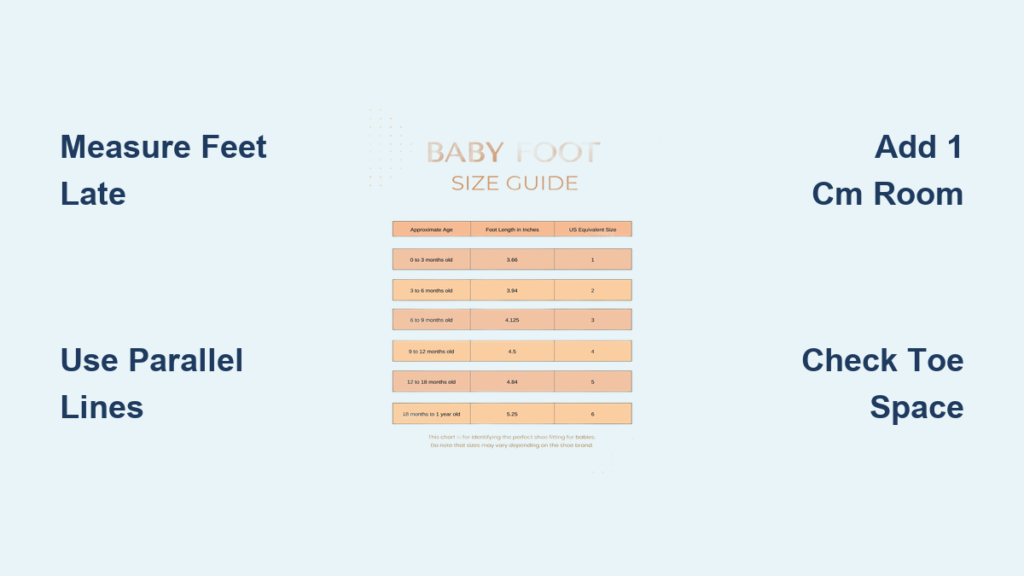
Choosing the right shoes for your baby starts with knowing how to measure baby shoe size correctly. Ill-fitting shoes can restrict movement, cause discomfort, and even impact foot development. Since babies grow quickly—sometimes gaining a full size in just a few weeks—guessing based on age or last season’s size isn’t enough. The good news is that measuring your baby’s feet at home is fast, free, and highly accurate when done right. With just a piece of paper, a pencil, and a ruler, you can get precise measurements that match your child’s foot to the perfect fit. This guide walks you through every step—from proper foot positioning to using size charts and checking fit after purchase—so you can shop online with confidence.
You’ll learn how to avoid common mistakes, add the right amount of growing room, and choose shoes that support healthy development. Whether your baby is taking their first steps or already on the move, these proven techniques ensure their feet stay comfortable, supported, and ready to explore.
Essential Tools for Measuring Baby Feet at Home
To get accurate results, start with the right tools and setup. Measuring baby feet isn’t just about length—it’s about capturing the true shape under realistic conditions.
What You’ll Need for Accurate Results
• Stiff paper or cardboard: Large enough to fit the entire foot with space around all sides
• Pencil or fine-tip pen: For clear, precise markings (avoid thick markers)
• Ruler or measuring tape: Preferably metric (centimeters and millimeters)
• Flat, hard surface: Such as tile, wood, or laminate flooring (not carpet or rugs)
• Bare feet or typical socks: Measure as your baby will wear shoes—thin for summer, thicker for winter
Using a clipboard helps keep the paper from sliding when your baby moves. Avoid flimsy notebook paper, which can warp or shift during measurement.
Best Time to Measure Baby’s Feet
Measure in the late afternoon or evening, when feet are naturally at their largest due to daily swelling. This prevents buying shoes that feel fine in the morning but become tight later. Also, re-measure every 4–6 weeks for infants and every 2–3 months for toddlers. Growth spurts happen fast, and staying ahead ensures continuous comfort.
Correct Foot Positioning for Reliable Measurements
Even small errors in foot placement can lead to incorrect sizing. Proper positioning ensures your measurements reflect real-world wear.
How to Position Your Baby’s Foot Correctly
• For walking babies: Have them stand barefoot on the paper with full weight on both feet. Place their heel against a wall to stabilize it.
• For non-walkers: Lay them on their back and gently press the heel flat while keeping the foot relaxed.
• Keep the foot straight and aligned, not turned inward or outward.
• Let toes rest naturally—don’t force them together or stretch them apart.
This mimics how feet sit inside shoes and gives the most accurate reading.
Common Positioning Mistakes That Skew Results
• ❌ Allowing the heel to lift off the paper
• ❌ Measuring during fussy or active moments
• ❌ Using soft surfaces like beds or couches
• ❌ Measuring only one foot
Always measure both feet—one is often slightly longer. Use the larger measurement to choose the shoe size.
Step-by-Step Process to Measure Baby Foot Length
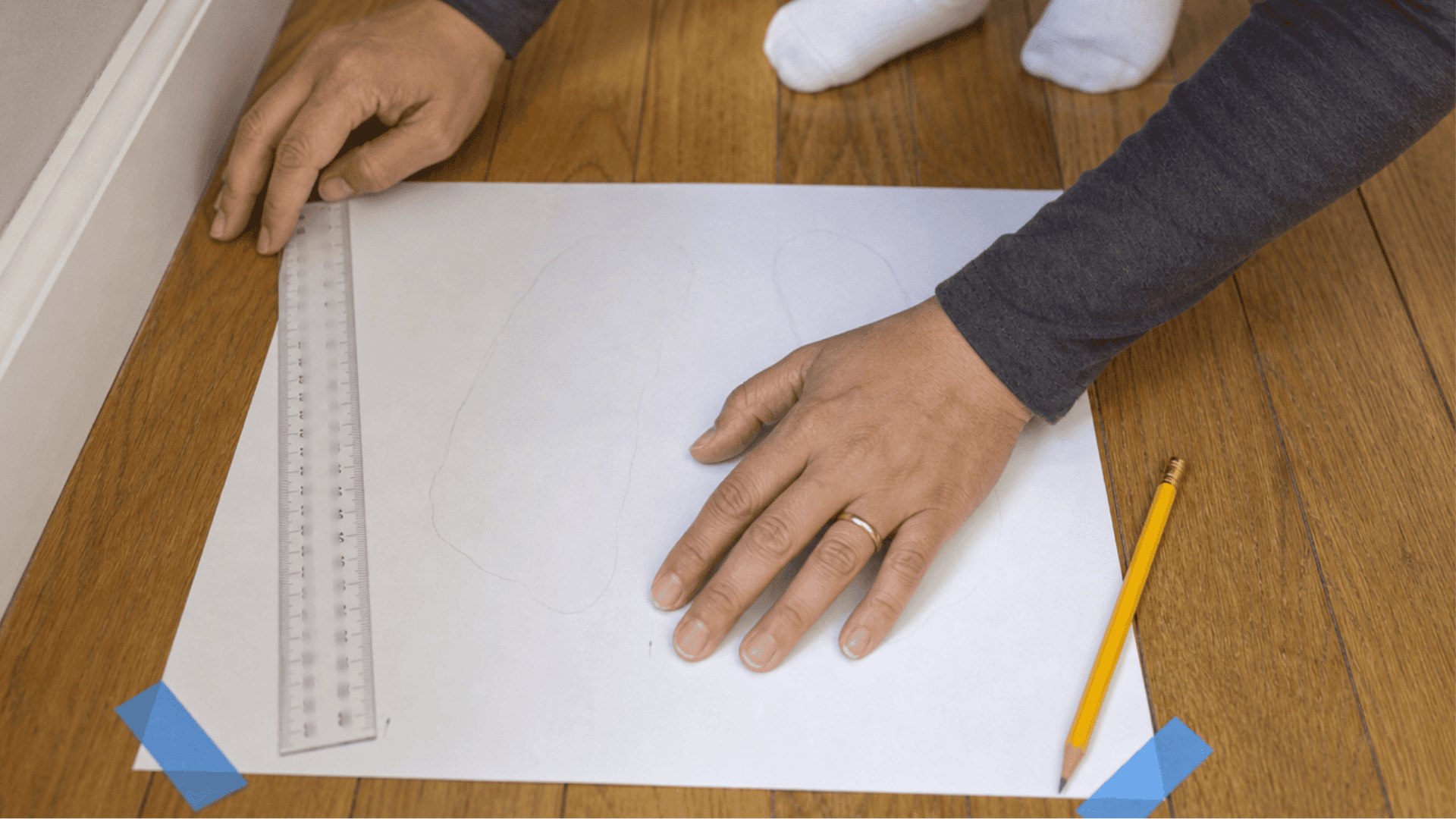
Follow these steps carefully to get a precise foot length that matches brand size charts.
Mark the Heel and Longest Toe Accurately
• Place the stiff paper on a hard floor.
• Position your baby’s foot firmly on top, heel flat and fully down.
• Use a pencil to mark the back of the heel where it touches the paper.
• Gently tap the sole to encourage toes to extend, then mark the tip of the longest toe (often not the big toe).
Repeat for the other foot.
Draw Parallel Lines for Precision
• Draw a straight line at the heel mark, perpendicular to the foot’s length.
• Draw a second parallel line at the toe mark.
• Make sure both lines are perfectly vertical to eliminate angle errors.
This method is more accurate than freehand tracing, which often curves and overestimates length.
Measure Between the Lines in Millimeters
• Use a ruler to measure the distance between the two lines in centimeters or millimeters.
• Record this number—it’s your baby’s true foot length.
• Compare both feet and use the longer measurement as your base.
For example, if one foot is 12.3 cm and the other 12.6 cm, use 12.6 cm when selecting shoes.
Convert Foot Length to the Right Shoe Size
Now that you have the exact foot length, it’s time to find the correct shoe size—using growth room and brand-specific charts.
Add 1 cm of Growing Room for Comfort and Development
Experts recommend adding 0.5 to 1.5 cm of extra space to allow for:
• Natural toe movement
• Thick socks or seasonal layers
• Healthy foot growth
For most babies and toddlers, 1 cm is ideal. Active walkers may benefit from 1.2–1.5 cm for added wiggle room.
Match to Inner Shoe Length Using a Brand Size Chart
Never rely on age-based size labels. Always use the brand’s official size chart and match your baby’s foot length + growth allowance to the inner shoe length (listed in cm or mm). For example:
| Foot Length (cm) | Growth Room (cm) | Required Inner Shoe Length | Liiput Love Size |
|---|---|---|---|
| 12.0 | 1.0 | 13.0 cm | 20 |
| 13.5 | 1.0 | 14.5 cm | 22 |
| 15.0 | 1.0 | 16.0 cm | 24 |
Inner shoe length is more reliable than size numbers, which vary by brand.
Why Generic Size Charts Can Be Misleading
Many online charts use outdated or averaged data. A size 20 in one brand may fit like a 18 in another. Always check product details for inner shoe length in centimeters—this is the gold standard for accuracy.
How to Check Fit After Receiving New Shoes
Even with perfect measurements, always verify fit once the shoes arrive—especially for online orders.
Perform the Thumb Test for Toe Space
• Put the shoe on your baby’s foot with their usual sock.
• Press the toe of the shoe with your thumb—there should be about 1 cm of space between the longest toe and the shoe tip.
• If your thumb sinks in deeply, the shoe is too big. If no space, it’s too small.
This quick test confirms growing room without tools.
Assess Width, Heel Slip, and Flex
• Width: The shoe should hold the foot snugly without bulging at the sides.
• Heel: A small slip (3–5 mm) is normal for new walkers. Excessive slipping can cause blisters.
• Flex point: The shoe should bend at the ball of the foot, not the middle.
If the fit isn’t right, check if the brand offers wide or narrow options.
When to Re-Measure Baby’s Feet for New Sizes
Growth happens fast—stay proactive to avoid tight shoes and discomfort.
Signs It’s Time for a New Size
• Started walking: Feet grow rapidly after taking first steps—re-measure immediately.
• Visible toe pressure: Toes pressing against the front of the shoe.
• Red marks or blisters: Indicate friction from tight footwear.
• Refuses to wear shoes: Often due to discomfort from poor fit.
Most babies go through 2–3 shoe sizes in their first year of walking.
Average Monthly Growth by Age
• 0–12 months: ~1 mm per month
• 12–24 months: ~1.5 mm per month
• 2–3 years: ~1 mm per month
A well-fitting shoe today may be too small in 6–8 weeks.
Why Liiput Shoes Fit Growing Feet Better Than Standard Brands
Not all baby shoes adapt to growth. Liiput is designed to grow with your child.
Expandable Design Fits Up to Two Full Sizes
Liiput shoes feature stretch zones and flexible uppers that accommodate growth without losing support. This means:
• Room to grow without heel slippage
• Longer wear between purchases
• Consistent fit with different sock thicknesses
The shoe expands as the foot grows, reducing waste and saving money.
Built for Natural Movement and Comfort
• Ultra-flexible soles support barefoot-like motion and healthy gait
• Lightweight materials reduce strain on developing muscles
• Breathable fabrics prevent overheating and odor buildup
Parents report fewer fit issues and extended wear compared to rigid, fixed-size shoes.
Common Mistakes Parents Make When Measuring Baby Shoe Size
Avoid these errors to ensure every pair fits perfectly.
Never Guess Based on Age or Previous Size
Age labels are rough estimates. A 12-month-old might wear size 18 or 22. Always measure first, regardless of age.
Avoid Freehand Tracing—Use Parallel Lines Instead
Tracing around the foot often curves at the heel or toes, leading to overestimation. The parallel line method is far more accurate and repeatable.
Don’t Measure Over Puffy or Winter Socks
Use the same type of sock your baby will wear daily. Measuring with thick socks but wearing thin ones leads to oversized shoes.
Smart Tips for Buying Baby Shoes Online
Shopping online doesn’t have to be risky—with the right approach, you can get a perfect fit every time.
Always Review the Brand’s Detailed Size Guide
Look for brands that list inner shoe length in centimeters—this is the most accurate way to match size. Avoid those that only list age ranges or vague “small/medium” labels.
Choose Adjustable Features for a Custom Fit
• Hook-and-loop straps: Allow width and instep adjustments
• Laces: Provide a snug, personalized fit
• Stretch collars: Make on and off easier and more comfortable
These features help accommodate slight variations in foot shape.
Keep Receipts and Know Return Policies
Even with accurate measurements, some styles run large or small. Buy from retailers with free returns or exchanges—just in case.
Key Takeaways for Measuring Baby Shoe Size Correctly
Measuring baby shoe size doesn’t require special tools—just attention to detail. Use the parallel line method, add 1 cm of growing room, and always match your baby’s foot length to the inner shoe length on the brand’s chart. Re-measure every few weeks, watch for fit clues like red marks or refusal to wear shoes, and choose flexible designs like Liiput that grow with your child. With these steps, every pair you buy will support healthy development and keep tiny feet comfortable, safe, and ready to explore.
Frequently Asked Questions About Measuring Baby Shoe Size
How do I measure my baby’s feet at home without a tape measure?
Use a ruler and stiff paper. Mark the heel and longest toe, draw parallel lines, and measure the distance in centimeters. This gives an accurate foot length you can use with size charts.
How much room should be in the toe of a baby’s shoe?
There should be about 1 cm (thumb’s width) of space between the longest toe and the front of the shoe. This allows for growth, movement, and thicker socks.
Do I measure both feet when sizing baby shoes?
Yes, always measure both feet. One foot is often slightly longer. Use the larger measurement to select the correct shoe size for a proper fit.
What time of day is best to measure baby feet?
Measure in the late afternoon or evening, when feet are at their largest due to natural swelling. This prevents buying shoes that become too tight later in the day.
How often should I check my toddler’s shoe size?
Re-measure every 4–6 weeks for infants and every 2–3 months for toddlers. Babies can grow up to 1.5 mm per month, making frequent checks essential.
Can I rely on age-based shoe size charts?
No. Age ranges are only estimates. Foot size varies widely—even among children the same age. Always measure your baby’s feet and use inner shoe length from the brand’s size guide.





