
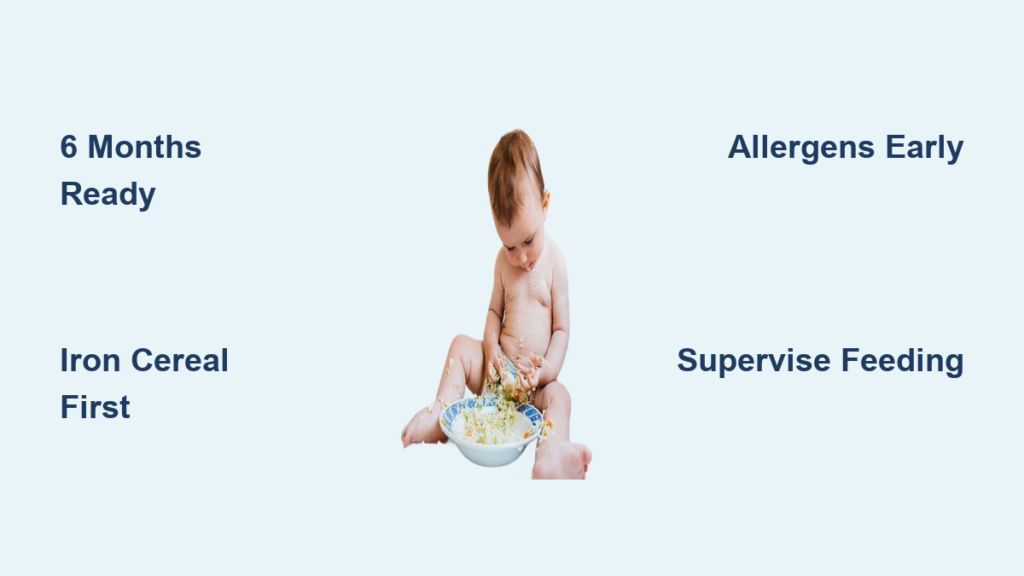
Your baby watches you eat with wide eyes—leaning forward, mouth slightly open, tiny hands reaching for your fork. That moment often signals it’s time to begin the journey of solid foods. Most experts agree: around 6 months is the ideal window to start feeding baby solids, though developmental readiness matters more than the calendar. The American Academy of Pediatrics (AAP) and Dietary Guidelines for Americans recommend introducing solids about 6 months, but not before 4 months. This phase isn’t about replacing breast milk or formula—it’s about exploration, texture, taste, and building lifelong healthy eating habits.
Starting solids can feel overwhelming. What foods are safe? When should allergens be introduced? How much should your baby eat? The good news: babies are natural learners, and you don’t need fancy gear or perfect timing—just patience and a few key guidelines. In this guide, you’ll learn how to recognize readiness signs, choose safe first foods, prevent choking, introduce allergens early, and create positive mealtimes. Every bite is a step toward confidence—for both you and your baby.
Signs Your Baby Is Ready for Solid Foods
Can Sit Upright with Minimal Support
Your baby must be able to sit steadily in a highchair or on your lap without tipping over. Good head and neck control is essential for safe swallowing. If your baby slumps or wobbles when seated, wait a few more days or weeks. Trying solids too early increases choking risk and may lead to frustration for both of you.
Shows Curiosity About Food
When your baby leans toward your plate, grabs your spoon, or opens their mouth as you eat, they’re showing clear interest in solid food. This natural curiosity is one of the strongest signs they’re ready. Use this as a cue to invite them to join family meals—even if they’re just observing at first.
No Longer Pushes Food Out with Tongue
Until about 4–6 months, babies have a tongue-thrust reflex that pushes solids out of the mouth. When this reflex fades and your baby begins to accept food instead of pushing it out, they’re ready to try purees. If spoon-fed food keeps ending up on their chin, pause and wait a week or two.
Seems Hungry After Milk Feeds
If your baby finishes a full bottle or nursing session but still appears unsatisfied—fussing, rooting, or wanting to feed again soon—they may be ready for solids. However, breast milk or formula remains the main source of nutrition until 12 months. Solids are for learning, not calories. Start small: 1–2 teaspoons once a day.
Best First Foods to Introduce to Babies
Iron-Fortified Baby Cereals
Begin with iron-fortified infant cereals like oat, barley, or multigrain. Mix 1–2 tablespoons with breast milk, formula, or water to create a thin, smooth consistency. Iron is critical—babies’ stores begin to drop around 6 months. Avoid feeding only rice cereal, as it may expose your baby to higher levels of arsenic over time. Rotate cereals to reduce risk and expand flavor exposure.
Mashed Banana and Avocado
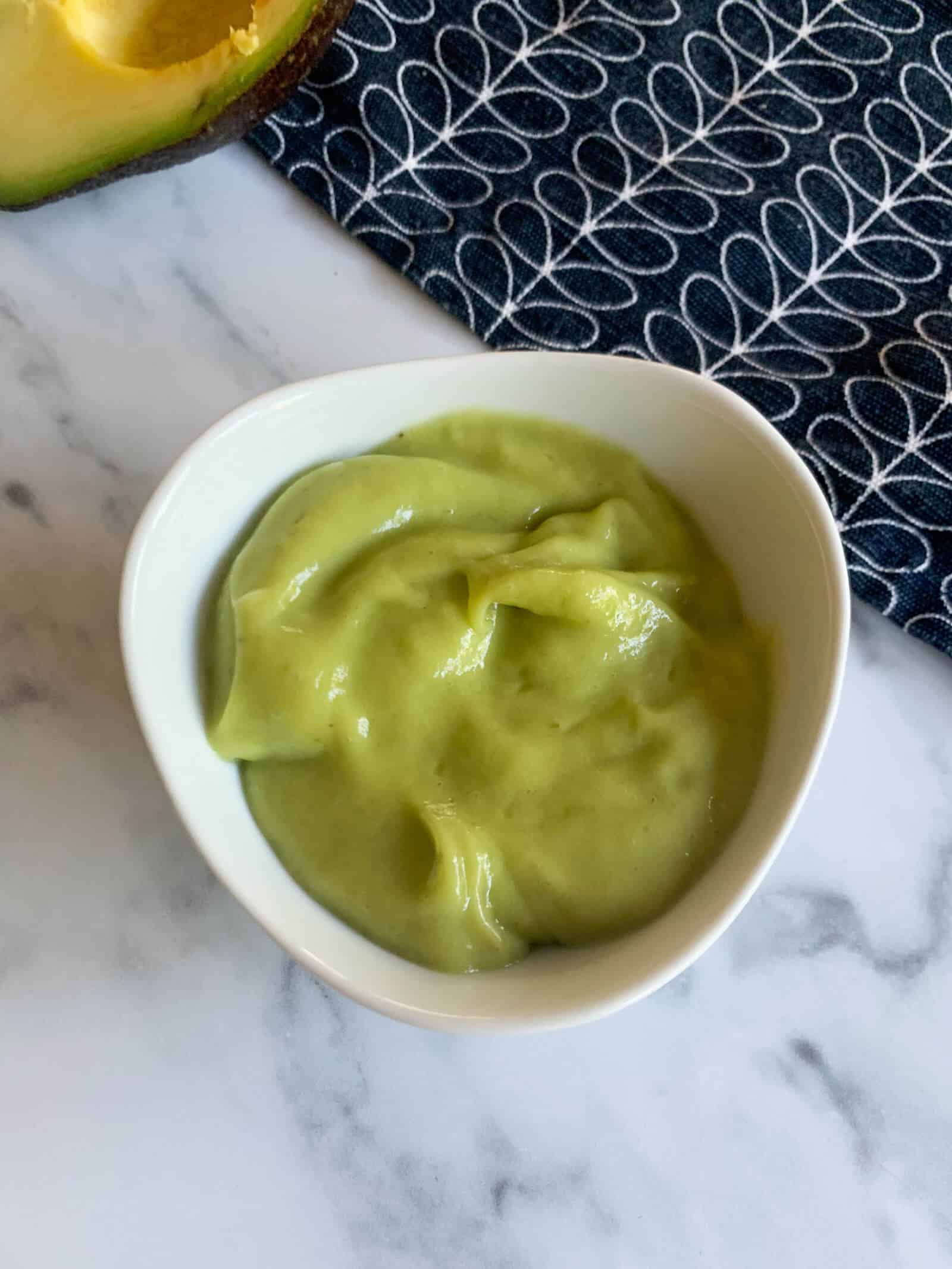
Soft, nutrient-dense fruits like mashed banana and avocado require no cooking and mash easily with a fork. Both are rich in potassium, healthy fats, and fiber. Serve at room temperature or slightly cooled. These foods dissolve easily in saliva, making them low-risk for choking and ideal for early eaters.
Steamed and Pureed Vegetables
Start with soft-cooked vegetables like sweet potato, carrot, or peas. Steam until fork-tender, then blend or mash to a smooth texture. Introduce one vegetable at a time and wait 3–5 days before adding another. This helps identify any sensitivities. Sweet potatoes are often a favorite due to their natural sweetness and creamy texture.
Pureed Meats and Lentils for Protein
Don’t skip protein-rich foods. Pureed chicken, beef, or lentils provide essential iron and zinc for brain development and energy. Cook thoroughly, then blend with water, breast milk, or broth until smooth. Many babies prefer savory flavors—so don’t assume they’ll reject meat. In fact, pureed meats are often better tolerated than cereals.
How to Introduce Allergenic Foods Safely

When to Give Peanuts, Eggs, and Dairy
Introduce common allergens early—around 6 months, along with other solids. The AAP recommends offering peanuts, eggs, dairy (like yogurt), fish, wheat, and soy when your baby starts solids. Early exposure can actually reduce the risk of food allergies. For most babies, this means trying thinned peanut butter or mashed scrambled egg yolk as part of their first foods.
Special Precautions for Babies with Eczema or Egg Allergy
If your baby has severe eczema or an existing egg allergy, talk to your pediatrician before introducing peanuts. These infants may need allergy testing or supervised feeding in a clinical setting. But for the vast majority, introducing allergens at home is safe and beneficial.
Safe Ways to Serve Common Allergens
• Peanut butter: Mix 1–2 teaspoons with warm water, puree, or infant cereal to make a thin, spreadable consistency. Never serve whole peanuts or thick globs.
• Eggs: Serve fully cooked scrambled egg yolk or hard-boiled and mashed. Avoid runny yolks.
• Yogurt: Choose plain, unsweetened varieties. Greek yogurt is thicker and easier for babies to manage.
How Often and How Much to Feed Baby Solids
Start with One Solid Meal Per Day
Begin with one feeding per day, usually after a milk feed when your baby is alert. Morning or early afternoon works best. Start with just 1–2 teaspoons—a few bites are enough. Solid food is not meant to replace milk at this stage. Breast milk or formula still provides 90% of nutrition.
Gradually Increase to Two to Three Meals Daily
By 7–8 months, most babies eat solids 2–3 times a day, plus snacks. Slowly increase portion size as your baby shows interest. By 9 months, many eat 4–6 tablespoons per meal. Always follow your baby’s cues—some eat more quickly than others. Never force-feed.
Recognize When Baby Is Full
Your baby will show when they’re done. Watch for:
• Turning head away
• Closing mouth
• Pushing spoon away
• Losing interest
“You provide the food. Your baby decides how much to eat.” Respecting hunger and fullness cues builds healthy eating habits and prevents overfeeding.
How to Progress from Purees to Chunks and Finger Foods

Start with Smooth, Runny Purees
At first, offer very smooth, thin purees that dissolve easily. Use a blender or food mill to ensure no lumps. This texture mimics milk and is easiest to swallow. Gagging is common—it’s a natural reflex that helps babies learn to manage food. Stay calm; it’s not the same as choking.
Move to Mashed and Lumpy Textures by 7–8 Months
Around 7–8 months, shift to mashed or finely chopped foods. Use a fork to mash banana, avocado, or soft-cooked vegetables. Introduce thicker cereals and strained meats. This helps develop chewing skills and oral motor control. Babies need to learn how to move food around their mouth before they can chew.
Offer Soft Finger Foods by 8–9 Months
Once your baby has a pincer grasp (picking up small items with thumb and forefinger), offer soft finger foods like:
• Cooked carrot sticks (soft enough to mash with gums)
• Banana chunks
• Toast strips
• Steamed broccoli florets
Always supervise. Foods should be soft, bite-sized, and easy to dissolve. Avoid hard, round, or sticky foods like whole grapes, popcorn, or raw carrots.
How to Prevent Choking During Baby’s First Meals
Prepare Foods to Match Baby’s Skill Level
Choking is a real concern, but gagging is normal. To reduce risk:
• Cut food into small, manageable pieces
• Cook vegetables until soft
• Avoid hard, round, or sticky foods
• Serve food that dissolves easily with saliva
Never leave your baby unattended during meals.
Safe Preparation Examples for Common Foods
| Food | Safe Preparation |
|---|---|
| Carrots | Steamed until fork-tender, mashed or cut into thin strips |
| Apples | Peeled, steamed, and pureed or mashed |
| Grapes | Halved or quartered lengthwise |
| Cheese | Shredded or cut into tiny cubes |
| Meat | Pureed or finely shredded |
Always Supervise and Keep Baby Upright
Stay within arm’s reach during every feeding. Your baby should always be seated upright in a highchair, never fed while lying down or walking. Turn off screens and keep distractions away. Focus on the meal and your baby’s cues.
How to Build Healthy, Positive Mealtimes
Create a Calm, Consistent Feeding Routine
Set a routine: same time, same place, same chair. Turn off the TV and put away phones. A distraction-free environment helps your baby focus on eating and learning. Use a baby-safe spoon and let them touch the food—even if it ends up on the floor.
Include Baby in Family Meals
Even if your baby eats only a few bites, include them at the dinner table. They’ll learn by watching you chew, sip, and enjoy food. This builds social connection and normalizes eating as a shared, enjoyable activity. Dinnertime becomes more than nutrition—it’s bonding.
Praise Effort, Not How Much They Eat
Celebrate curiosity, not consumption. Say things like:
• “You tried something new!”
• “Look at you using your spoon!”
• “You’re such a brave eater!”
This encourages exploration without pressure. Healthy eating is about experience, not volume.
Foods to Avoid Before Baby’s First Birthday
Cow’s Milk as a Drink
Do not give cow’s milk as a beverage before 12 months. It lacks key nutrients and can irritate the digestive tract. However, yogurt and cheese are safe and encouraged. Choose plain, unsweetened yogurt to avoid added sugars.
Added Sugars and Salt
Avoid foods with added sugars or salt. Babies don’t need them, and early exposure can shape unhealthy preferences. Check labels—many packaged baby foods contain hidden sugars. Make your own when possible.
Honey and Unpasteurized Products
Never give honey before 12 months—it can cause infant botulism. Also avoid unpasteurized cheeses, juices, or dairy products.
Common Choking Hazards
Avoid:
• Whole nuts
• Popcorn
• Whole grapes
• Raw vegetables
• Hard candies
• Marshmallows
Cut, cook, or mash foods to match your baby’s skill level.
How to Encourage Lifelong Healthy Eating Habits
Offer New Foods Multiple Times
It can take 10–15 exposures for a baby to accept a new food. If your baby spits out peas today, try again in a week. Serve them mashed, mixed with banana, or as a finger food. Persistence pays off—don’t give up after one refusal.
Rotate Textures and Flavors
Expose your baby to a wide range of tastes and textures. Try sweet potato one day, lentils the next, then avocado. This variety reduces picky eating later and supports balanced nutrition.
Model Healthy Eating at the Table
Your baby learns by watching you. Eat a variety of foods at the table, even if your baby isn’t eating the same thing. Show enjoyment: “Mmm, I love these carrots!” Your attitude shapes theirs.
Key Takeaways for Starting Baby Solids

Starting solids is a milestone, not a race. Every baby progresses at their own pace. Focus on safety, exploration, and connection—not clean plates or perfect portions. Use this time to bond, laugh, and embrace the mess. With each spoonful, your baby is learning not just how to eat, but how to love food.
• Start solids around 6 months, based on readiness signs
• Begin with single-ingredient purees like banana, avocado, or iron-fortified cereal
• Introduce allergenic foods early, including peanuts and eggs
• Feed 1–2 teaspoons once a day, gradually increasing
• Always supervise meals and prevent choking
• Make mealtimes calm, consistent, and family-centered
• Respect hunger and fullness cues
• Avoid cow’s milk, honey, and added sugars before 12 months
You’ve got this. Every messy bite is a win.
Frequently Asked Questions About Starting Baby Solids
When is the best time to start feeding baby solids?
Most babies are ready around 6 months, but not before 4 months. Look for signs like sitting with support, showing interest in food, losing the tongue-thrust reflex, and seeming hungry after milk feeds. Developmental readiness matters more than age.
What are the best first foods for babies?
Start with iron-fortified cereals, mashed banana, avocado, pureed vegetables (like sweet potato), and pureed meats or lentils. These are nutritious, easy to digest, and low-risk for choking. Introduce one food at a time and wait 3–5 days before adding another.
Can I give my baby peanut butter and eggs?
Yes—introduce peanuts and eggs around 6 months, along with other solids. For most babies, early exposure reduces allergy risk. Thin peanut butter with water or puree, and serve fully cooked egg yolk. If your baby has severe eczema or egg allergy, consult your pediatrician first.
How much solid food should a 6-month-old eat?
Start with 1–2 teaspoons once a day. Solid food is for learning, not nutrition, at this stage. Breast milk or formula still provides most calories. Gradually increase as your baby shows interest, but always follow their hunger and fullness cues.
What foods should I avoid before 12 months?
Avoid cow’s milk as a drink, honey, added sugars, salt, and choking hazards like whole nuts, popcorn, whole grapes, and raw vegetables. Yogurt and cheese are safe, but choose plain, unsweetened options.
How do I prevent my baby from choking on solids?
Prepare foods to match your baby’s skill level—smooth purees at first, then mashed and soft finger foods. Always supervise meals, keep your baby upright, and avoid hard, round, or sticky foods. Learn the difference between gagging (normal) and choking (emergency).





